The Role of Fuel Lines in the Fuel Delivery System
Fuel lines form the physical network that allows fuel to move through the engine’s fuel delivery system. Without these connections, the engine would not receive the fuel required for combustion.
In a typical diesel fuel system, it transports fuel between the following fuel system components:
- Fuel tank
- Fuel filters
- Fuel injection pumps
- Fuel injectors
- Fuel pressure regulators
These components rely on uninterrupted fuel flow to maintain stable engine operation. If it becomes damaged or blocked, the engine may struggle to receive the correct amount of fuel needed for efficient combustion.
Materials Used in Heavy Equipment Fuel Lines
Fuel lines used in construction equipment & heavy machinery must withstand harsh operating conditions. Manufacturers often use specialized materials designed to resist pressure, heat, and vibration.
Common materials include:
- Reinforced rubber hoses
- High-strength metal tubing
- Composite fuel-resistant materials
These materials ensure that fuel lines maintain structural integrity while transporting fuel through the system. Durable fuel lines help protect the entire diesel fuel system from leaks and pressure inconsistencies.
Fuel System Issues Caused by Damaged Fuel Lines
When fuel lines deteriorate or become damaged, several fuel system issues can occur.
Common problems include:
- Fuel leaks within the system
- Reduced fuel pressure reaching the injection pump
- Loss of power during engine operation
- Irregular fuel delivery to the combustion chamber
- Increased risk of engine misfires
In some cases, contaminated fuel or debris from a clogged fuel filter may also affect fuel line performance. These problems can interrupt the flow of fuel and cause instability in the engine’s fuel injection systems.
Preventing Fuel Line Related Problems
Maintaining the condition of fuel lines is an important part of regular maintenance for diesel engines. Preventative care helps reduce the likelihood of leaks or pressure loss within the fuel delivery system.
Operators should follow several maintenance practices:
- Use high-quality fuel to prevent contamination
- Conduct regular inspections of all fuel system components
- Replace worn or damaged lines promptly
- Monitor the system for signs of fuel system problems
Routine maintenance helps ensure reliable fuel flow and supports long-term engine performance.
Fuel Lines Within the Complete Diesel Fuel System
Fuel lines are only one part of a larger system responsible for transporting and regulating fuel within the engine.
Other key diesel fuel system components include:
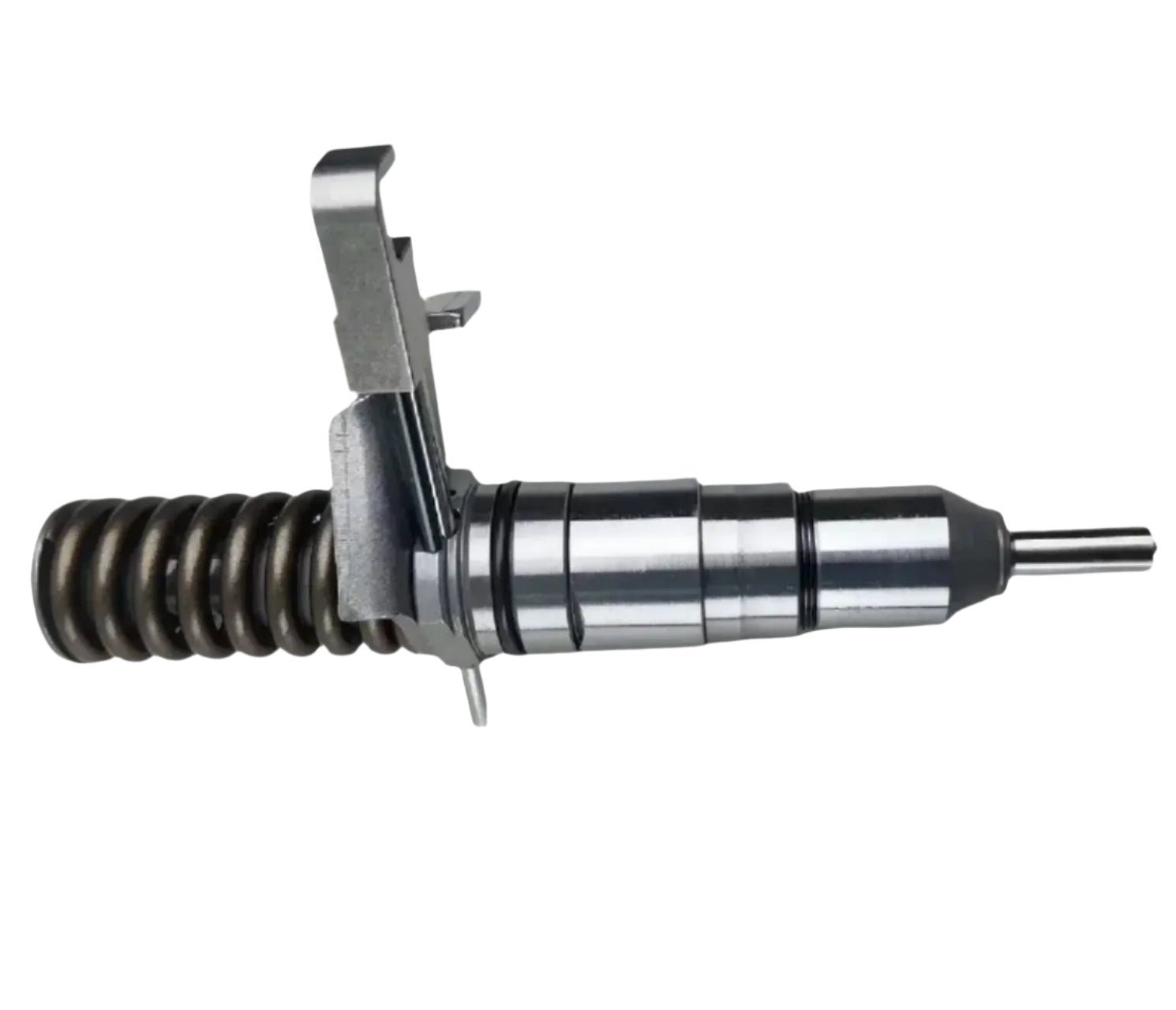
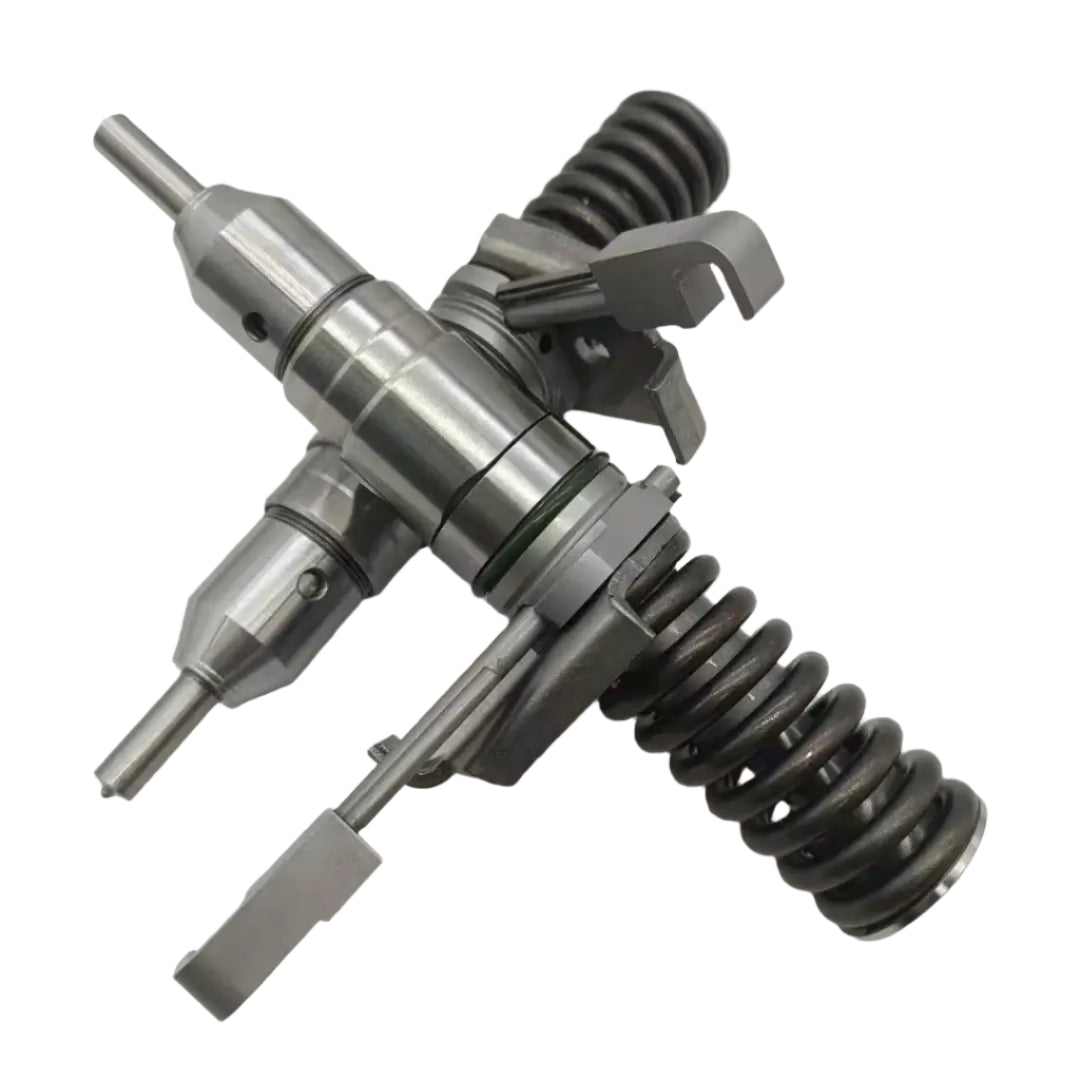
- Fuel injectors, which spray fuel into the combustion chamber
- Fuel injection pumps, which pressurize fuel
- Fuel filters, which remove contaminants
- Fuel pressure regulators, which control fuel pressure levels
Together, these components ensure that fuel moves efficiently through the engine and reaches the combustion chamber at the correct pressure.
Equipment Applications
Our fuel lines are designed for use in a wide range of construction equipment & heavy machinery, including:
- Excavators
- Bulldozers
- Wheel loaders
- Dump trucks
- Industrial diesel engines
These machines rely on durable diesel fuel system parts to maintain stable fuel delivery during demanding operations.