Shop Fuel Injection Pumps by Brand
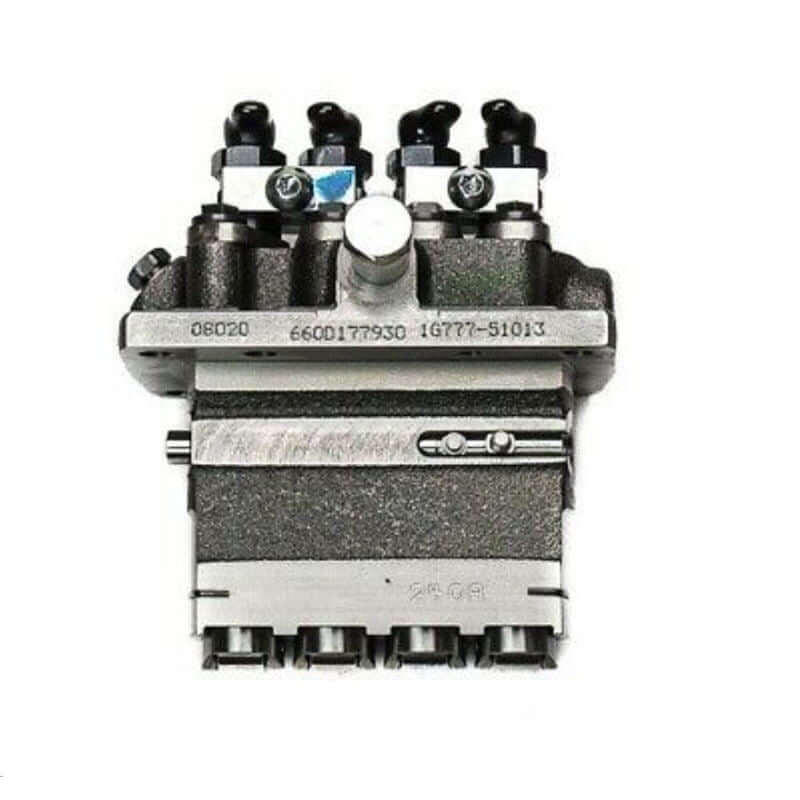
The correct fuel injection pump for your machine is determined by the pump supplier specification for your engine, not simply by the equipment manufacturer. Many diesel engines are fitted with pumps from specialist pump manufacturers Bosch, Stanadyne, Denso, and Delphi, among them, regardless of the equipment brand. Use the sections below to identify the pump type your engine uses, then navigate to the brand collection for your machine.
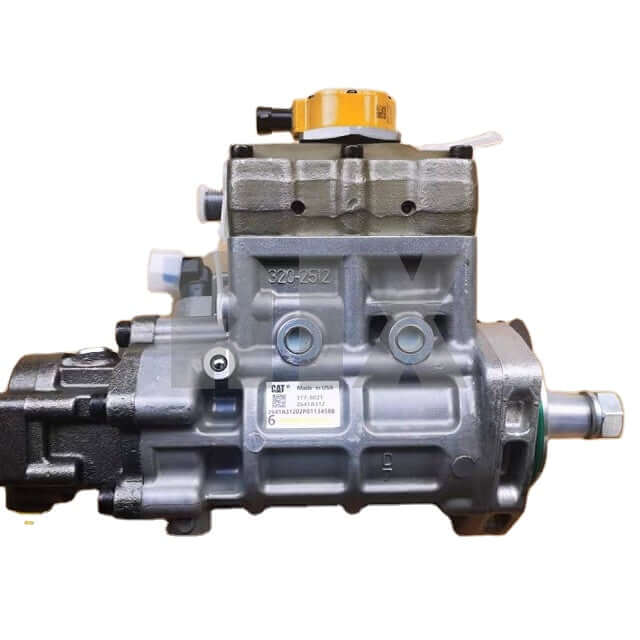
Caterpillar Fuel Injection Pumps
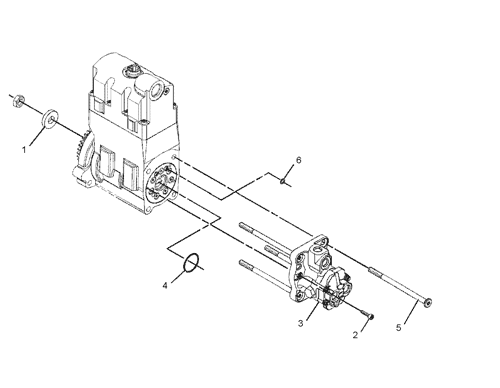
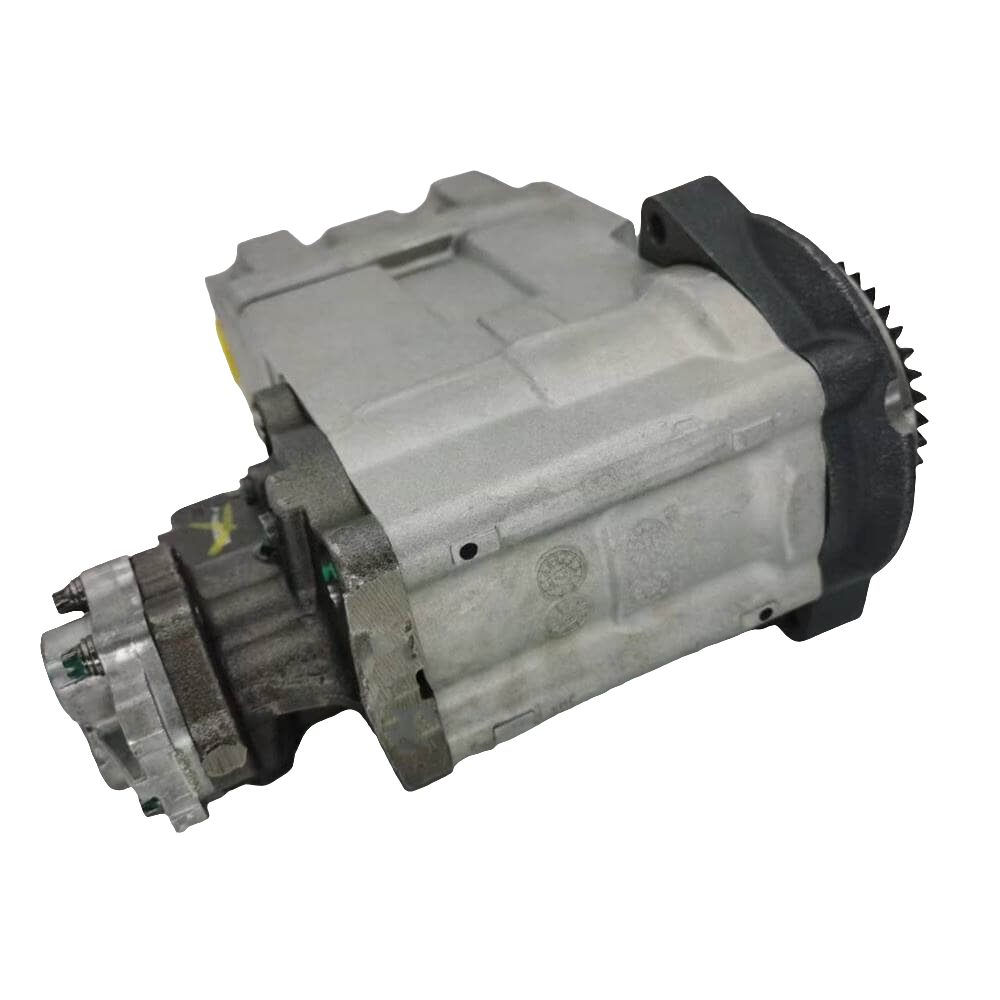
Caterpillar's 3-series mechanical engine families, including the 3306B, 3406C, 3208, 3204, 3304, 3412, and 3116, were fitted with a range of Caterpillar fuel injection pump configurations across their production runs, including Bosch inline pumps and CAT-specific rotary and inline units for different engine variants. The 3306b injection pump and the 3406c injection pump are two of the most commonly serviced pump applications in this category, and Imara Engineering stocks OEM-grade replacement pumps cross-referenced to the correct CAT engine variant and build specification. C-series CAT engines use electronic unit injector systems that move the high-pressure pumping function into the injector itself, but the 3-series mechanical pump remains a critical service item across high-hours legacy fleets.
Cummins Fuel Injection Pumps
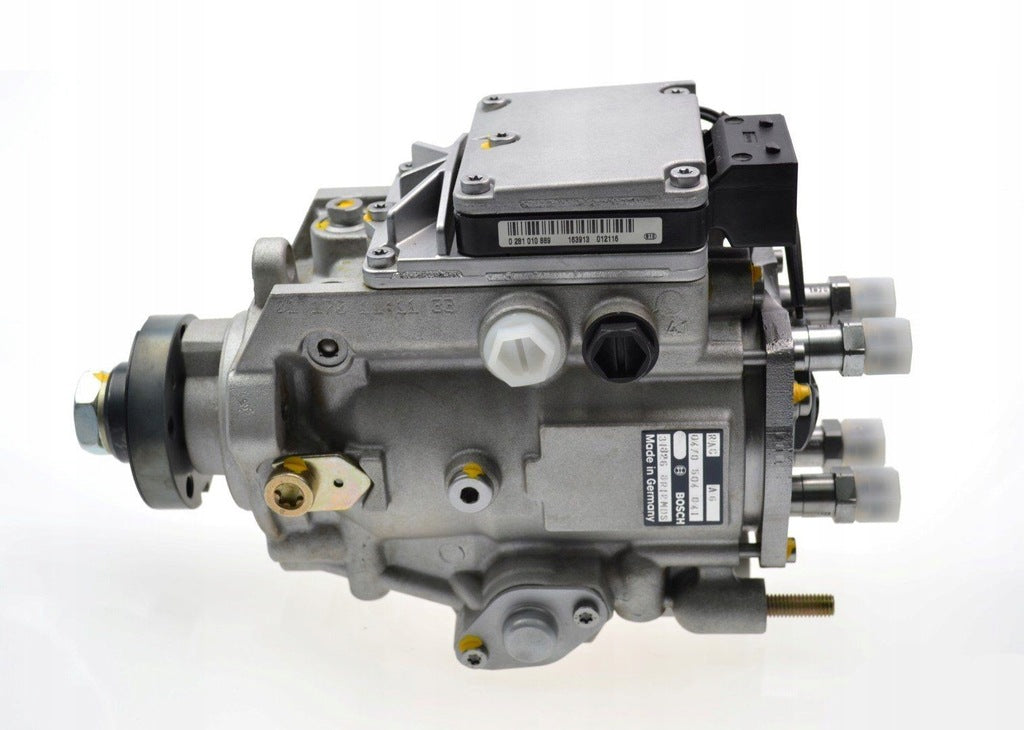
Cummins diesel engines have been fitted with some of the most widely recognised injection pumps in the heavy equipment sector, including the Bosch P7100 inline pump on the 6BT engine and the Bosch VP44 rotary pump on second-generation B-series and ISB applications. Both are dedicated Cummins Fuel Injection pump variants with deep aftermarket support and high service frequency across working fleets. Imara Engineering stocks the full range of Cummins-specific injection pumps alongside related components for the most commonly serviced Cummins pump configurations. For operators running older first-generation B-series engines, the Bosch VE pump fitted to early 4BT and 6BT applications is also covered within this range.
Perkins Fuel Injection Pumps
Perkins diesel engines across the 4-cylinder and 3-cylinder families have been fitted with CAV, Delphi, and Lucas injection pumps across their long production history, making correct pump identification an important step before ordering a replacement. The perkins 3 cylinder diesel injection pump is one of the most commonly serviced pump applications in the compact equipment segment, and Imara Engineering stocks Perkins fuel injection pump variants catalogued to the correct engine series and cylinder configuration. Delphi diesel injection pump variants for applicable Perkins engine families are also stocked within this collection.
Diesel Injection Pump Types: Which Pump Does Your Engine Use?
Understanding your pump type is the first step to correct ordering. Heavy equipment diesel engines have been fitted with several distinct injection pump designs across the industry's production history. Here is a clear breakdown of the main types stocked at Imara Engineering.
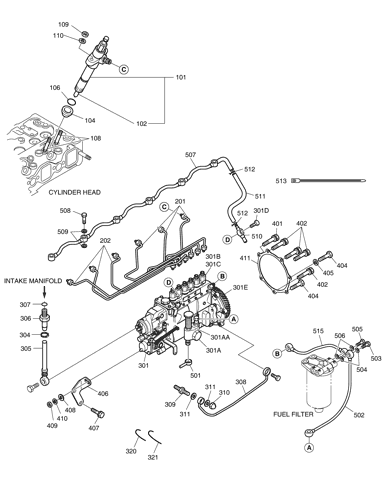
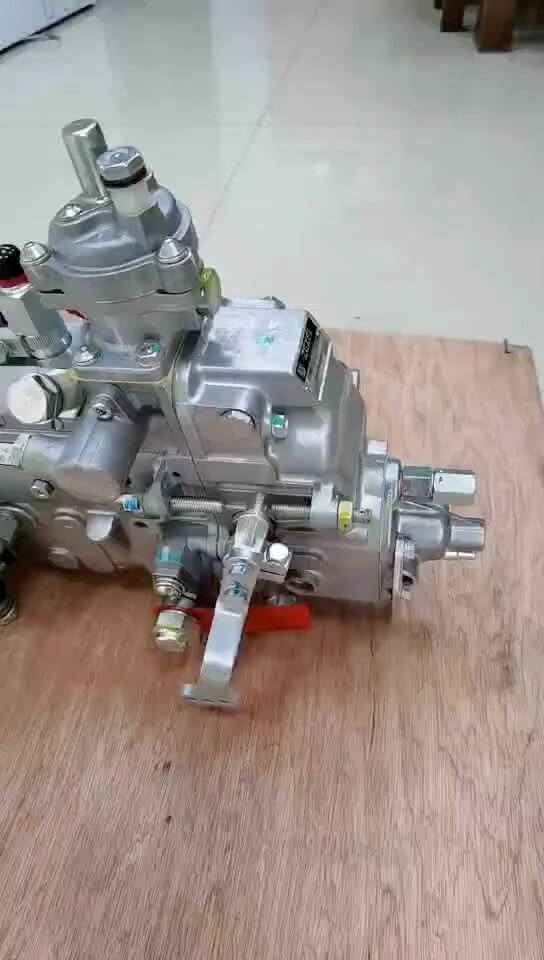
Bosch VE Rotary Injection Pumps The Bosch VE is one of the most widely deployed rotary distributor injection pumps ever produced, fitted to a broad range of diesel engines across Cummins, Perkins, Volkswagen, and various agricultural and industrial applications. The bosch ve injection pump uses a single rotating distributor to deliver pressurised fuel to each injector in sequence, making it compact, reliable, and well-supported in the aftermarket. Variants include:
- Bosch VE4 injection pump for 4-cylinder engine applications
- Bosch VE6 injection pump for 6-cylinder engine applications
- Bosch ve diesel injection pump in the standard mechanical configuration
- Ve4 injection pump and ve44 injection pump variants for specific displacement and delivery rate configurations
- Ve injector pump units are catalogued to the correct engine application and delivery specification
- Vp30 injection pump for VE-family electronic distributor pump applications
Bosch Inline and PE-Series Injection Pumps Bosch inline and PE-series pumps are multi-cylinder plunger pumps where each engine cylinder has a dedicated pump element delivering fuel independently. They are fitted to larger, higher-output diesel engines requiring separate high-pressure delivery per cylinder. Our range includes:
- Bosch inline injection pump units for applicable engine configurations
- Bosch PE injection pump for heavy-duty multi-cylinder applications
- Bosch Zexel injection pump, the Zexel-branded Bosch pump variant used across a range of Japanese and European diesel equipment
- Bosch diesel injection pump units cross-referenced to engine model and application
Stanadyne Injection Pumps Stanadyne is a dedicated injection pump manufacturer whose products are fitted across a wide range of diesel engines in the construction, agricultural, and industrial sectors, particularly on John Deere, GM Detroit, and older Perkins and Case applications. Our Stanadyne range covers:
- Stanadyne DB2 and Stanadyne DB2 parts for the DB2 distributor pump fitted to a broad range of diesel engines
- Stanadyne DB4 parts for the DB4 variant used in higher-output Stanadyne applications
- Stanadyne DS4 for the electronically controlled DS4 injection pump used in later Stanadyne applications
- Stanadyne roosa master injection pump — the original Stanadyne design that established the rotary distributor pump standard, now carried forward in the DB and DS series
- Stanadyne pencil injectors — the combined injector and nozzle units used in Stanadyne-equipped diesel engines, stocked here as part of the complete Stanadyne fuel system offering
Denso and Delphi Diesel Injection Pumps Denso and Delphi supply injection pumps across a range of Asian and European diesel engine applications used in construction and industrial equipment. Our range includes:
- Denso diesel injection pump units for applicable engine configurations
- Delphi diesel injection pump variants for Perkins, Caterpillar, and other engine families, where Delphi is the OEM pump supplier
CP3 Common Rail Pump The CP3 injector pump is the Bosch high-pressure common rail pump fitted to a range of modern diesel engines, including Cummins ISX and Duramax applications. It generates the high rail pressure that common rail injectors depend on for precise injection events, and is a critical replacement item on any common rail system showing low rail pressure fault codes.
Warning Signs Your Diesel Injection Pump Needs Replacing
An injection pump in decline gives recognisable symptoms before it fails. Acting on these early signs prevents secondary injector damage and avoids a complete fuel system failure:
-
Hard starting or failure to start — a pump losing pressure calibration cannot build the fuel pressure required to fire the injectors at cranking speed
-
Black smoke under load — overfuelling caused by pump delivery volume drift, producing incomplete combustion and visible exhaust smoke
-
Loss of power and sluggish throttle response — under-delivery at the pump, starving one or more cylinders of the fuel volume required for rated output
-
Engine running rough or hunting at idle — pump delivery imbalance across cylinders, causing uneven combustion at low RPM
-
Fuel in the engine oil — a sign of internal pump seal failure, allowing diesel to bypass into the crankcase, requiring immediate pump replacement
-
Increased fuel consumption without load increase — pump calibration drift causing excess fuel delivery per cycle without a corresponding power gain
Why Source Your Injection Pumps from Imara Engineering
-
OEM specification across every pump type: Every diesel injection pump we stock, from the bosch ve injection pump to the Stanadyne injection pump and the CP3 injector pump, is supplied to the original pressure calibration and delivery specification for the engine it serves. No repackaged off-grade substitutes enter our catalogue.
-
Pump type and engine application catalogued accurately: Injection pumps are not interchangeable across engine variants, even within the same family. Imara Engineering catalogues every pump to the correct engine series, variant, and build specification, and our parts team confirms fitment from your engine serial number before dispatch.
-
Stanadyne, Bosch, Denso, and Delphi all in one catalogue: Rather than sourcing from multiple specialist suppliers, Imara Engineering holds the major pump brands in a single catalogue, so your entire pump and fuel system order is processed and shipped together.
-
Fast dispatch, worldwide shipping: We supply fleet operators, workshop teams, and equipment dealers across East Africa and internationally. Orders are processed fast from our stocked warehouse and shipped worldwide, so your machine is not held out of service waiting on parts.
-
Complete fuel system coverage from one supplier: If your injection pump fault has caused downstream injector damage, or if you are carrying out a full fuel system overhaul, Imara Engineering stocks fuel injectors, fuel lift pumps, fuel primer pumps, fuel lines, and fuel shutoff solenoids alongside the pump range, so the complete repair is a single consolidated order.