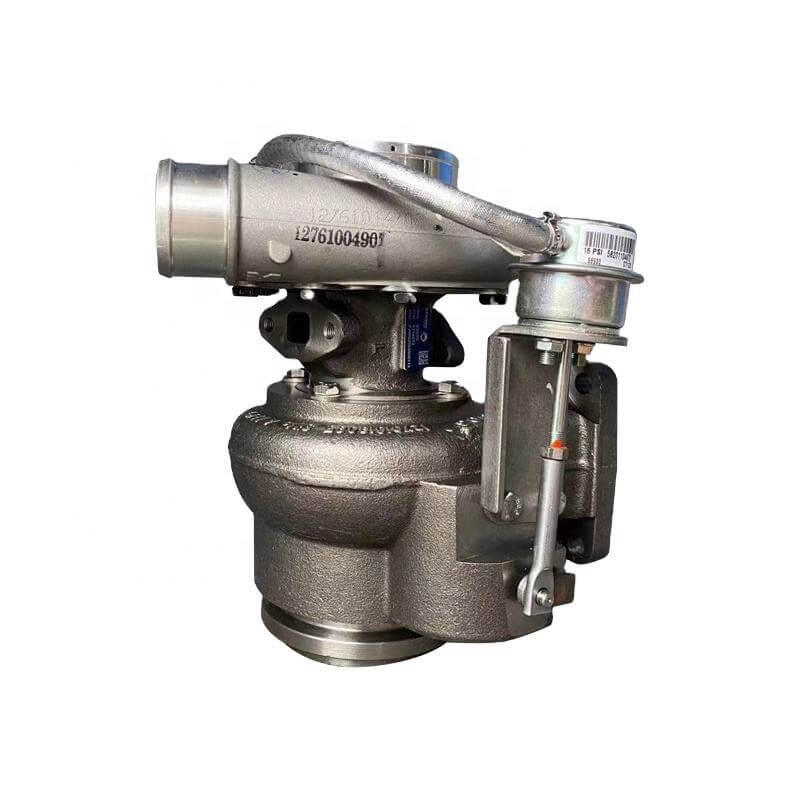
What a Turbocharger Does: and Why Failure Is Never Gradual
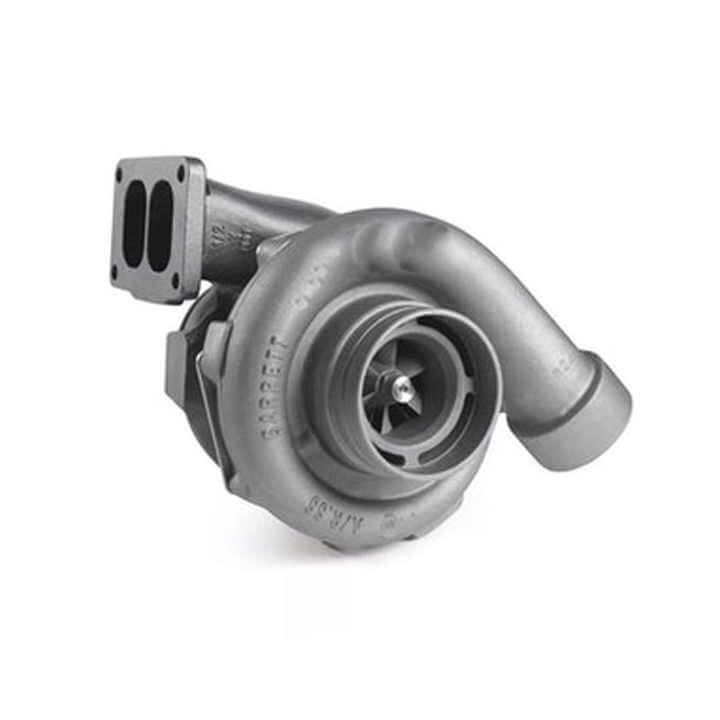
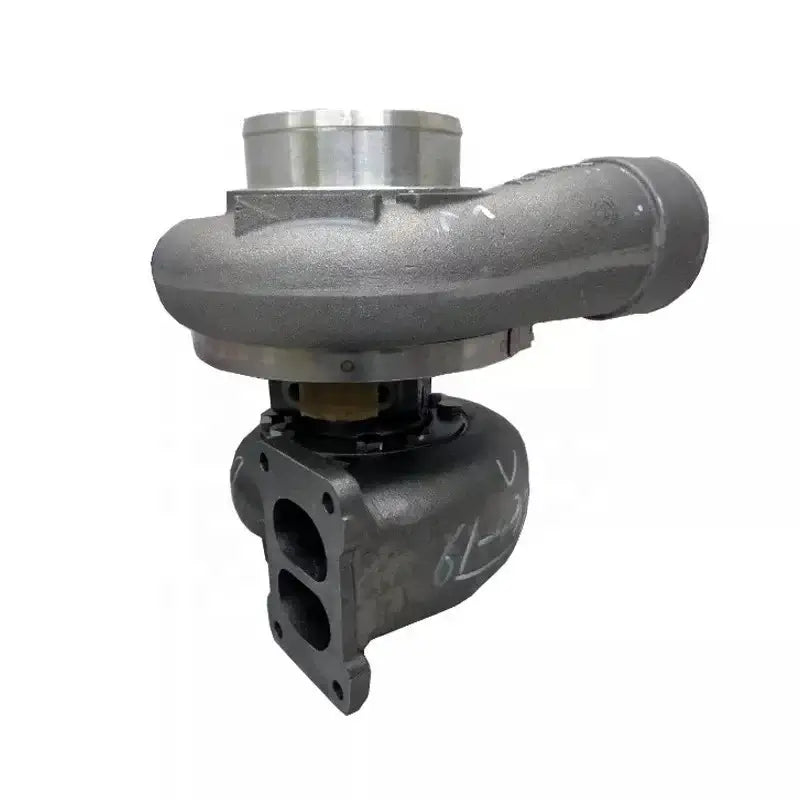
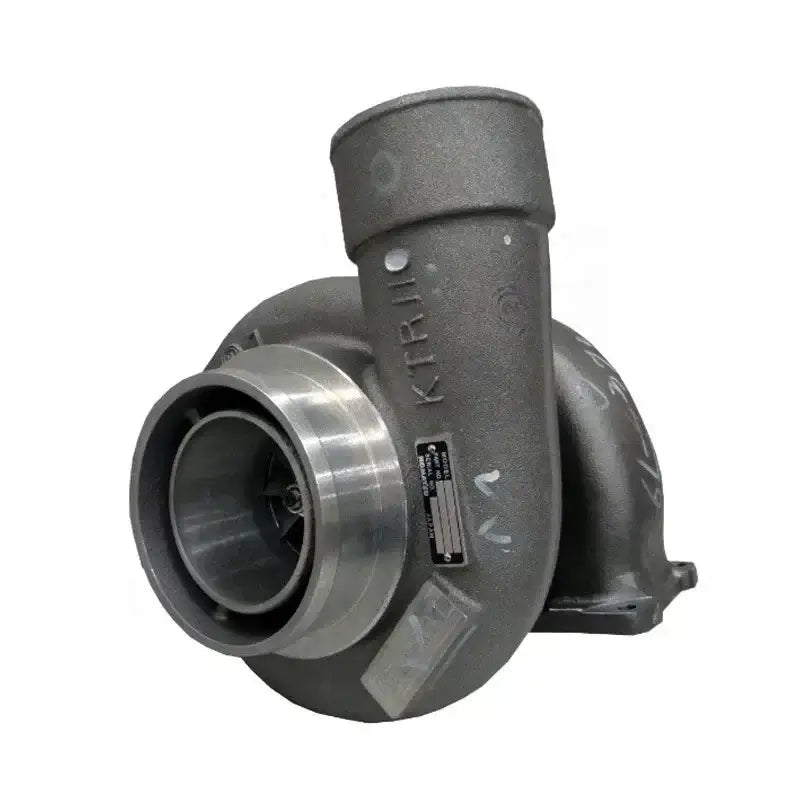
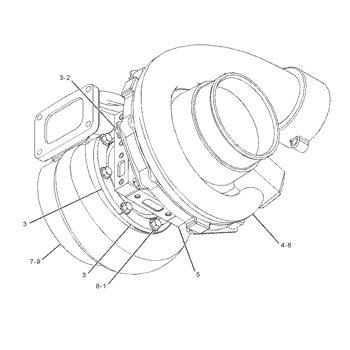
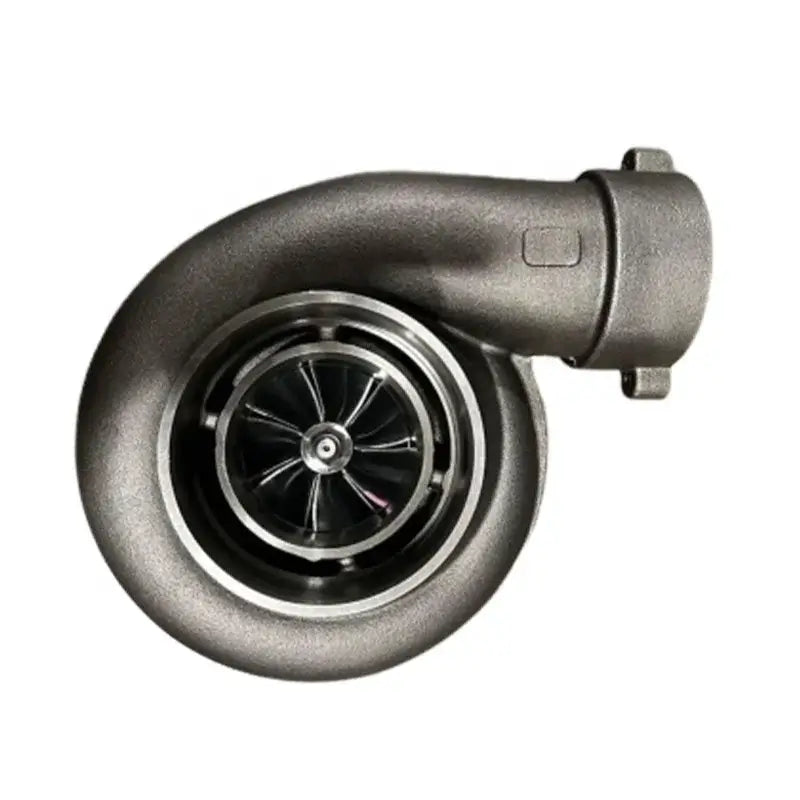
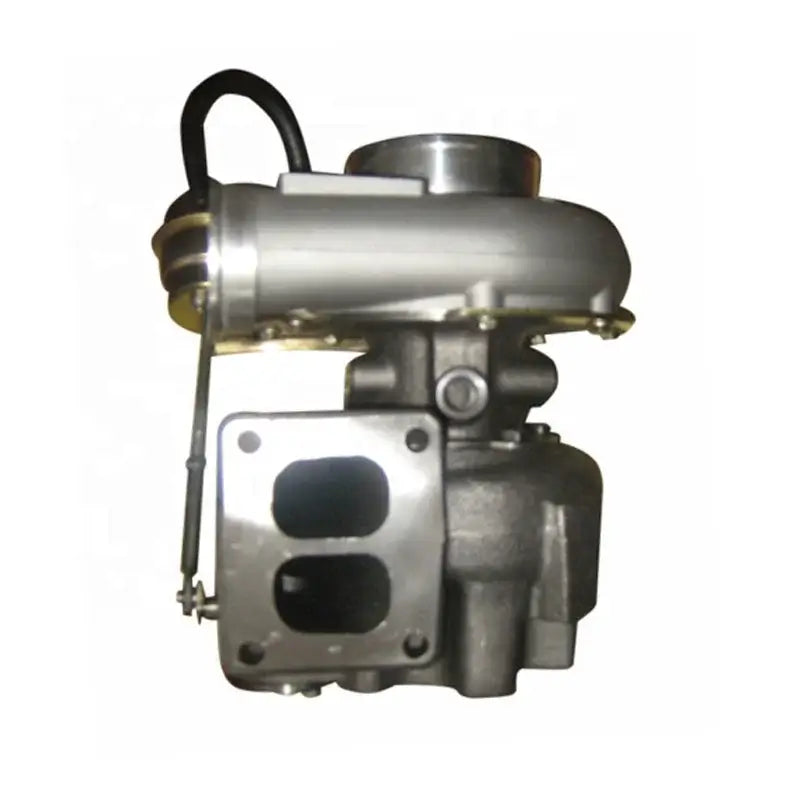
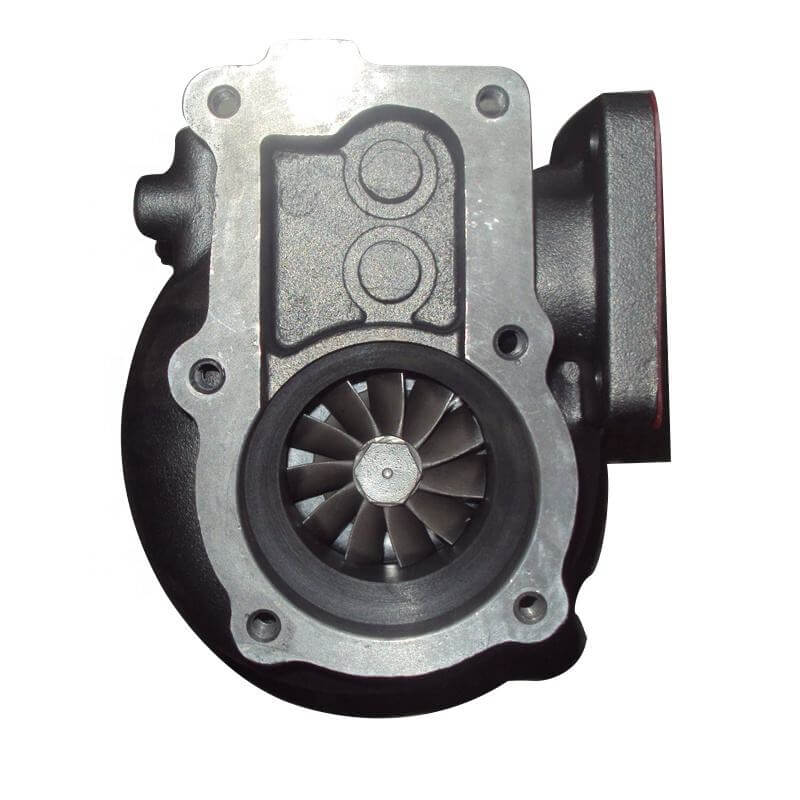
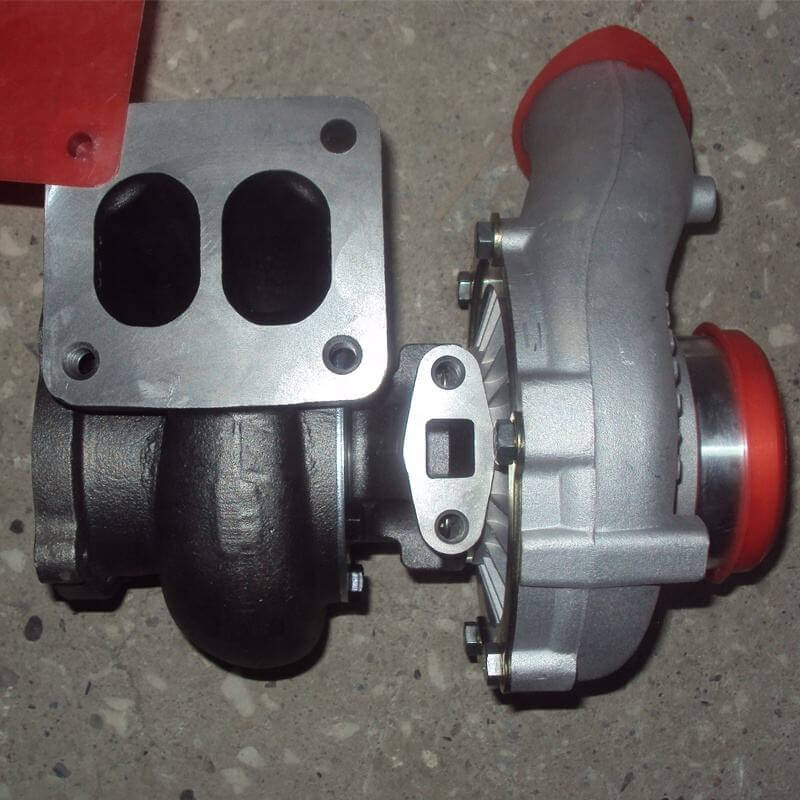
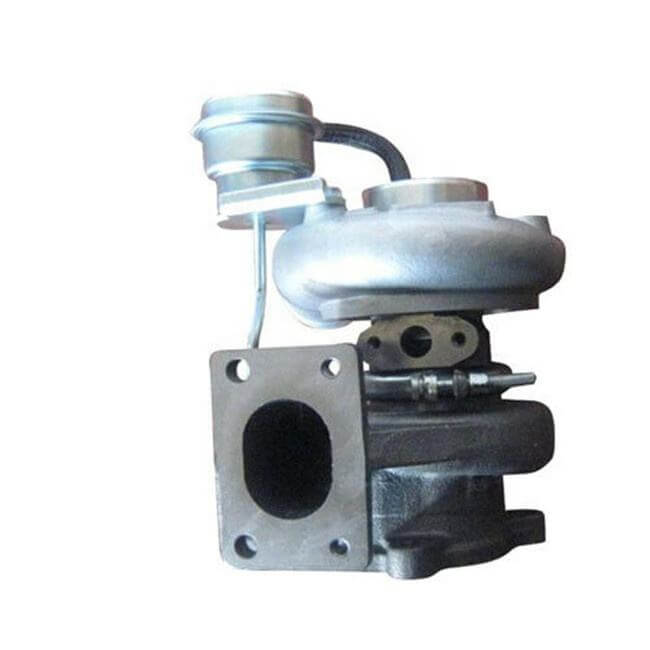
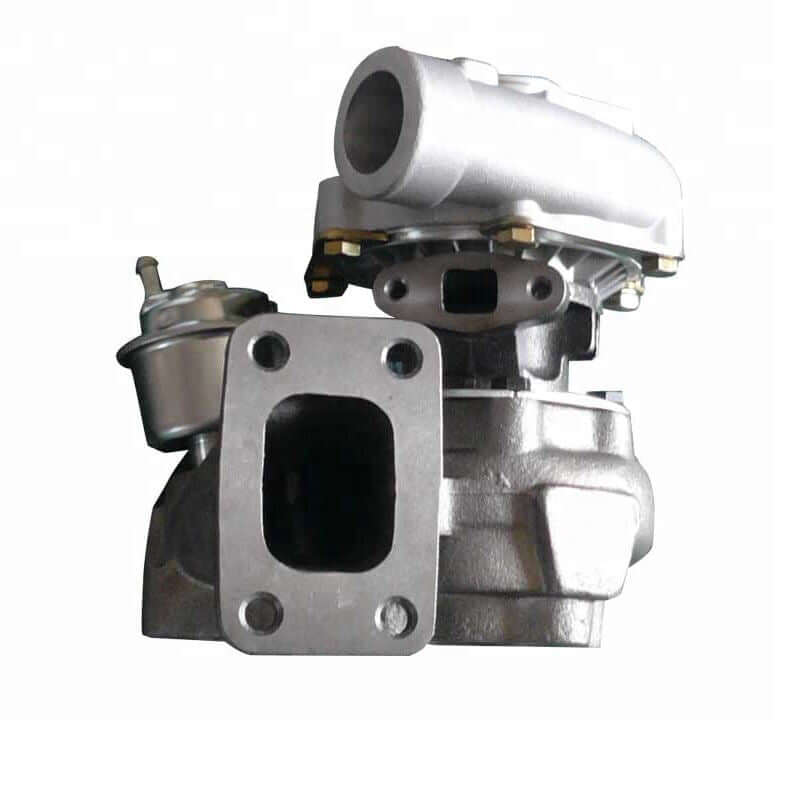
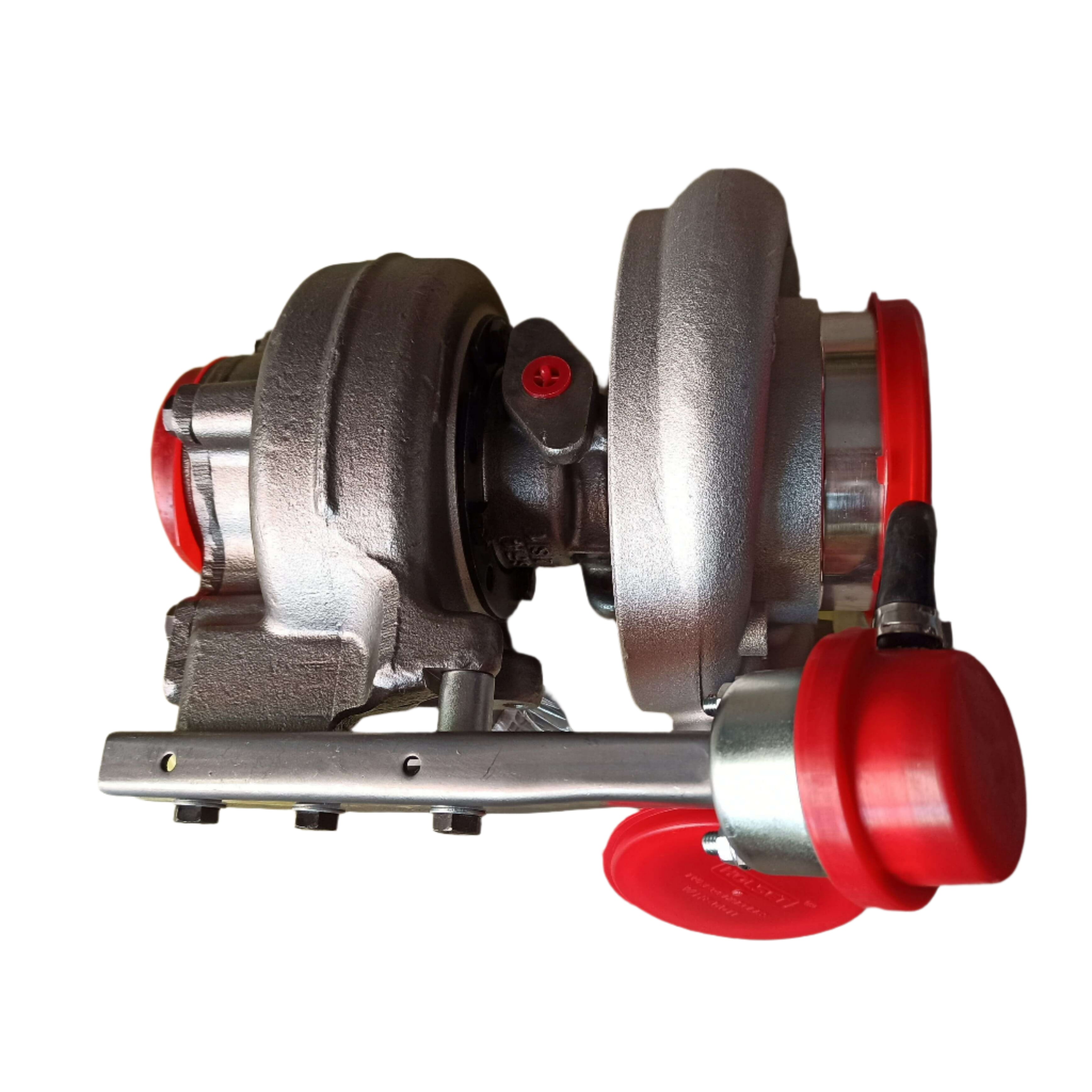
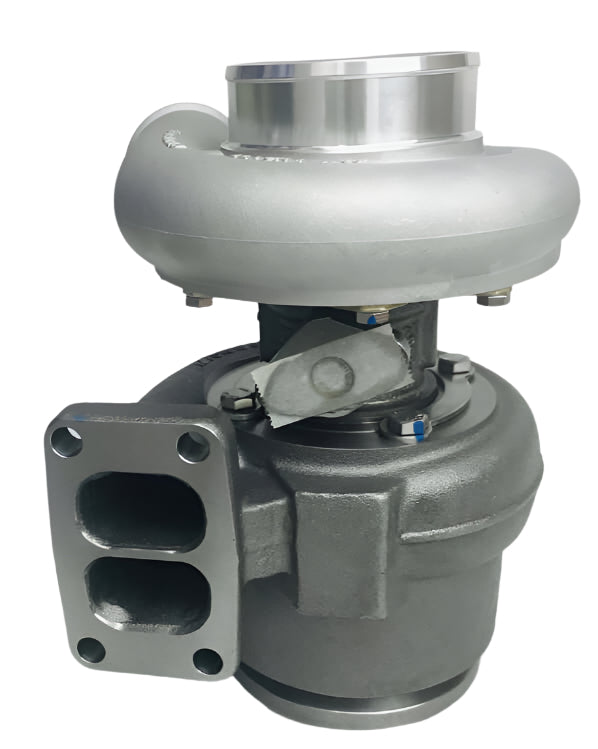
A diesel turbocharger operates on a straightforward principle: exhaust gases spin a turbine wheel, which drives a compressor wheel on the opposite end of the same shaft, and that compressor forces denser, higher-pressure air into the engine's combustion chambers than any naturally aspirated engine could achieve at the same displacement. More air into the cylinder means more fuel can be burned per cycle, and that is where the power density of a diesel engine comes from.
The consequence of this principle is that the turbocharger operates at extreme conditions around the clock during machine operation:
- Shaft speeds routinely exceed 100,000 RPM in high-load conditions
- Turbine inlet temperatures on a Tier 4 diesel can exceed 700°C under sustained load
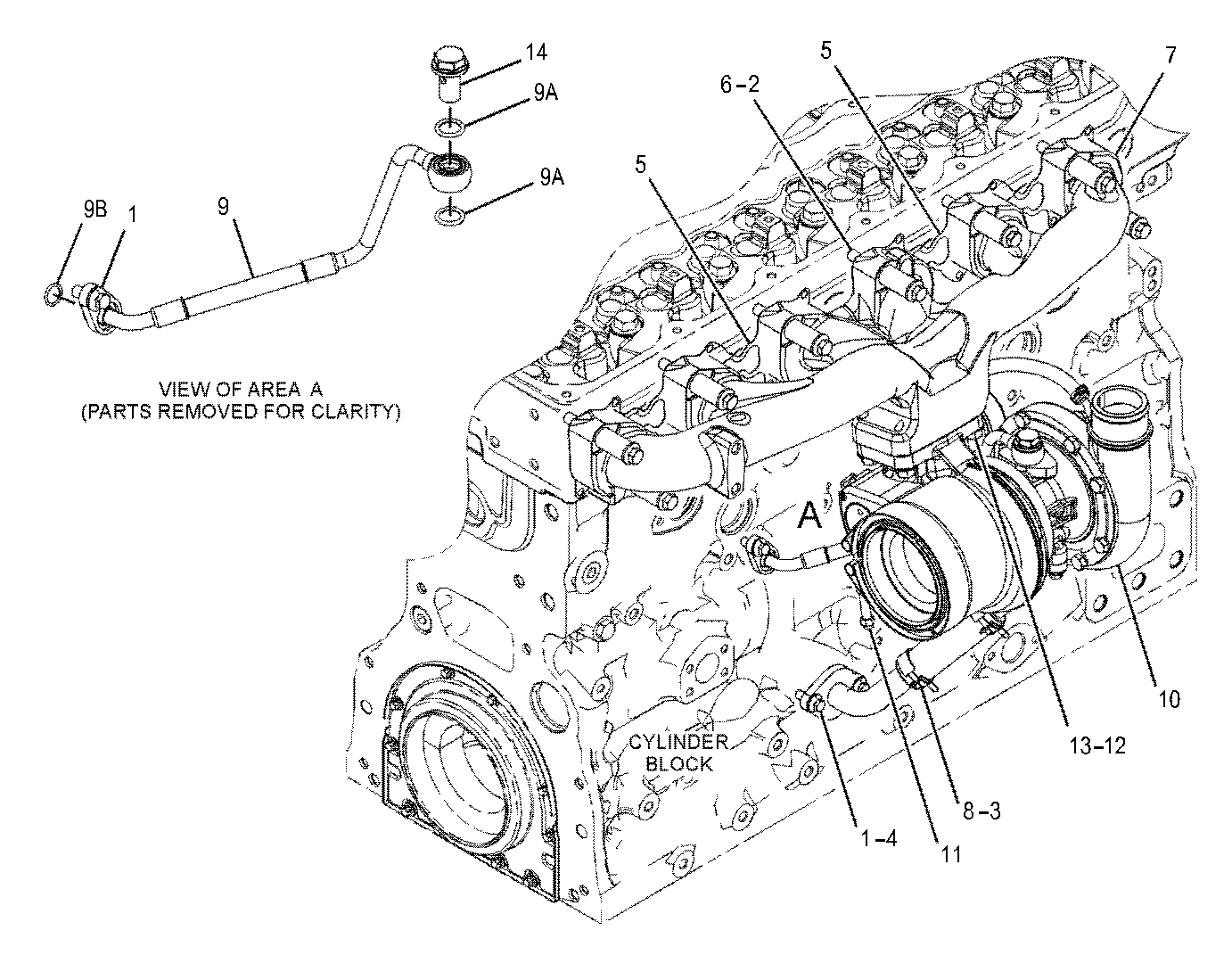
- The entire rotating assembly is suspended on a thin film of engine oil. Oil supply and drain line integrity are not optional maintenance items; they are the primary variable determining turbocharger service life
When any one of those conditions is compromised, oil starvation from a blocked feed line, oil contamination from a failing engine, or overspeed from a blocked air filter restricting compressor load, the turbocharger does not degrade slowly. It fails, and in many cases, it takes engine components with it.
Warning Signs of a Failing Excavator Turbocharger
Turbocharger failure rarely happens without forewarning if you know what the symptoms mean. Catching it early is the difference between a turbocharger replacement and an engine rebuild:
-
Black or grey smoke under load — Incomplete combustion from insufficient boost pressure. A common early indicator of compressor efficiency loss due to worn bearings or compressor wheel damage.
-
Blue or white smoke at idle or startup — Oil entering the combustion chamber through a failing turbocharger seal. If it is happening at idle, the shaft seal is already compromised.
-
Slow or delayed boost spool-up — A noticeable lag before the machine responds to throttle input that was not previously present. Worn bearings or a restricted turbine inlet are the most common causes.
-
Elevated exhaust gas temperature (EGT) without load increase — Sustained EGT rise without a change in fuel input or operating load points to reduced turbocharger efficiency, forcing the engine to work harder for the same output.
-
Audible whine, grinding, or surge from the turbocharger housing — Bearing wear creates noise before it creates failure. A grinding or metallic whine is a turbocharger operating on insufficient oil film contact before the compressor wheel strike is imminent.
-
Unexplained engine oil consumption — Oil pulled through a failing compressor seal does not always produce visible smoke at low burn rates. Rising oil consumption without an identifiable external leak should always include a turbocharger inspection.
Turbochargers We Stock
Cat Turbochargers: Caterpillar Excavators, Dozers & Equipment
Caterpillar turbochargers in our range cover the engine platforms that account for the largest share of heavy equipment fleets in active construction, mining, and infrastructure operations:
- Cat C7 turbocharger — for C7-powered Cat 312 to 323 series excavators and other C7 platform machines
- Cat C13 turbocharger — for C13-powered Cat 325 to 330 series excavators and Cat wheel loaders
- Cat C15 turbocharger and C15 turbocharger variants — the highest-volume Cat unit in our range, covering C15-powered 345, 349, and 365 series excavators, Cat 777 and 785 series trucks, and other C15 platform equipment
- Cat C15 ACERT twin turbocharger configuration — the Cat C15 twin turbo arrangement used in ACERT-certified machines requires matched primary and secondary unit replacement; our team can advise on configuration before you order
- Caterpillar 3406e turbocharger — for 3406E-powered Cat 365, 375, D9, and 992 series machines
- Cat 3406 turbo and Cat 3306 turbo — for older Cat platform machines still in active service across mining and civil fleets
- Aftermarket Caterpillar turbocharger options available across the full range — oil circuit verified, boost specification matched
Cummins Turbochargers: ISX, N14, M11, 6BT & More
Cummins powers more heavy equipment globally than any other independent engine manufacturer, and the Cummins turbocharger range reflects that breadth. Our Cummins turbocharger stock covers:
- Cummins ISX turbocharger and Cummins ISX15 turbocharger — the highest-volume Cummins units in our range, covering ISX and ISX15-powered excavators, mining trucks, and heavy plant
- Cummins ISX VGT turbo and ISX VGT turbo — variable geometry variants for ISX engines equipped with VGT; these are not interchangeable with fixed-geometry ISX units and must be matched by engine build specification
- Cummins N14 turbocharger — for N14-powered machines still in active heavy service, a platform that remains widely operated despite its age
- Cummins M11 turbocharger — covering M11 and ISM platform variants across excavator and heavy plant applications
- Cummins 6BT turbocharger and cummins 6bta turbocharger — for 6BT and 6BTA-powered compact excavators, skid steers, and light construction equipment
- Cummins 4BT turbocharger — for 4BT-powered compact machines and specialty plant equipment
- Cummins VGT turbo variants across ISX and ISM platform applications
Holset Turbochargers: The Full Model Range
Holset is the OEM turbocharger brand for Cummins-powered equipment; every Cummins-powered machine running from the factory runs a Holset turbocharger. Understanding this matters when you are cross-referencing a replacement: the Holset part number and the Cummins engine part number both identify the same unit, and both are valid references for sourcing.
Our Holset turbocharger range covers the complete production model lineup:
- Holset HX25 and Holset HX30 — compact Holset units for smaller Cummins platform machines
- Holset HX35 — one of the most widely stocked Holset units in our catalogue, covering a broad range of 6BT and ISC-powered equipment
- Holset HX40 and Holset HX50 — mid-range Holset units for ISC, ISM, and N14 platform machines
- Holset HX55 and Holset HX60 — heavy-duty Holset units for high-displacement Cummins engines, including ISX and N14 high-output variants
- Holset HX80 — large-frame Holset unit for high-output Cummins ISX and QSX applications in mining and heavy plant
- Holset HE400VG — variable geometry unit for ISX and ISX15 VGT-equipped machines; the most common Holset VGT variant in current service
- Holset HE351ve and Holset HE351cw — electronically actuated and waste-gated variants for mid-displacement Cummins ISC and ISL platforms
- Holset HE551v — high-efficiency variable geometry unit for ISX15 and QSX15 applications
- Holset HT60 — fixed geometry high-flow unit for N14 and QSX high-output applications
- Holset H1C and Holset H1e — legacy Holset models for older Cummins platforms still in active heavy service
Holset turbo rebuild kits are also available for operators choosing a turbocharger rebuild over a full turbocharger replacement. Contact our team for rebuild kit availability by model.
Komatsu & Hitachi Turbocharger Variants
- Komatsu turbocharger variants for PC200, PC300, and PC400 series excavators, the SAA6D102 and SAA6D114 engine families cover the majority of PC series turbocharger replacements
- Turbocharger Komatsu variants for D65 and D85 dozer platforms
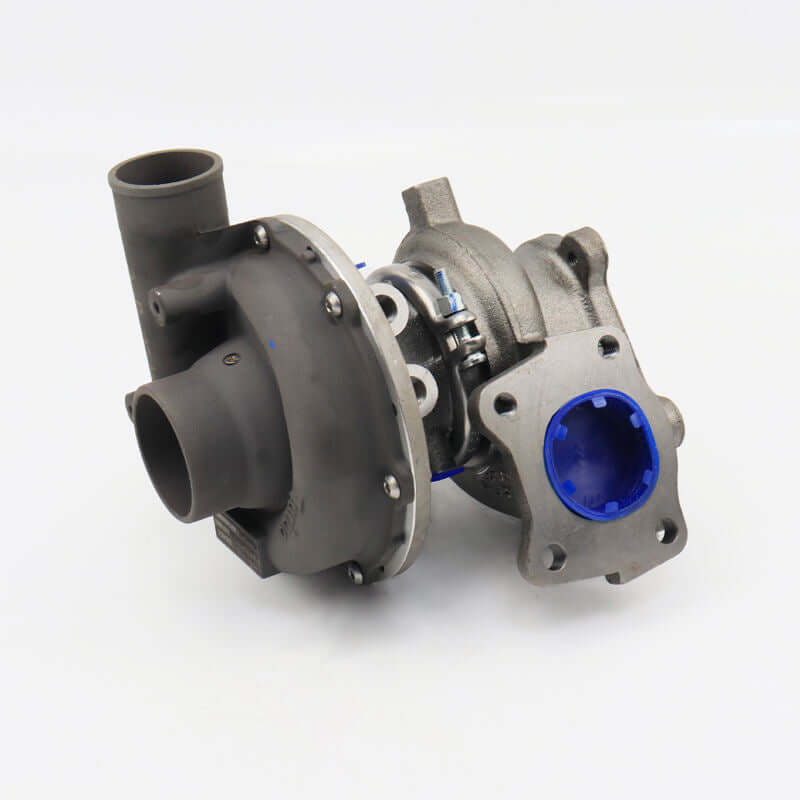
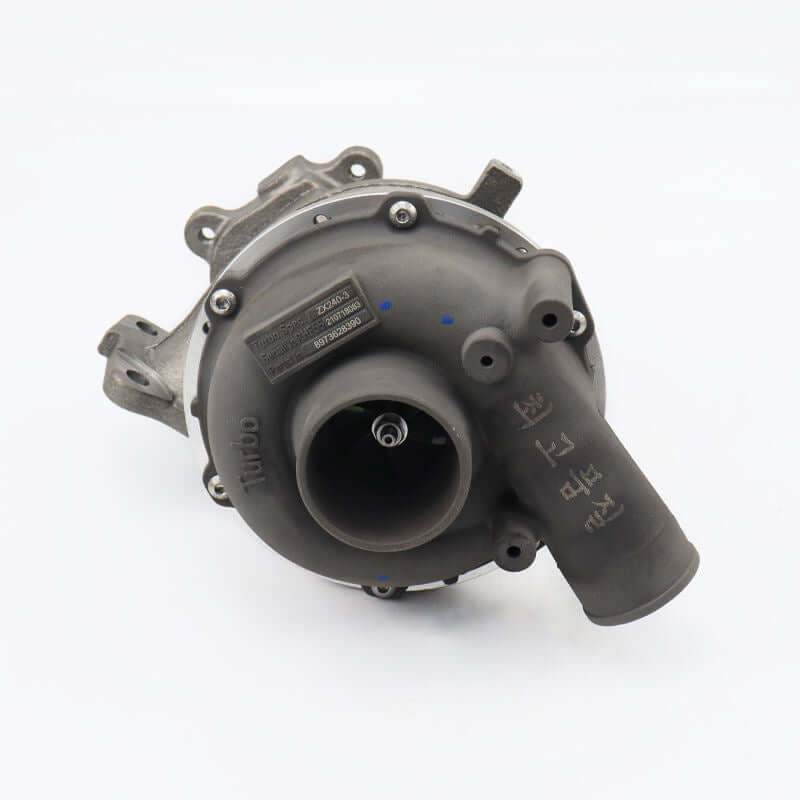
- Turbo Hitachi units for ZX and EX series excavators confirm the machine serial number with our team for fitment verification on Hitachi platforms
Variable Geometry Turbochargers (VGT): What They Are and When You Need One
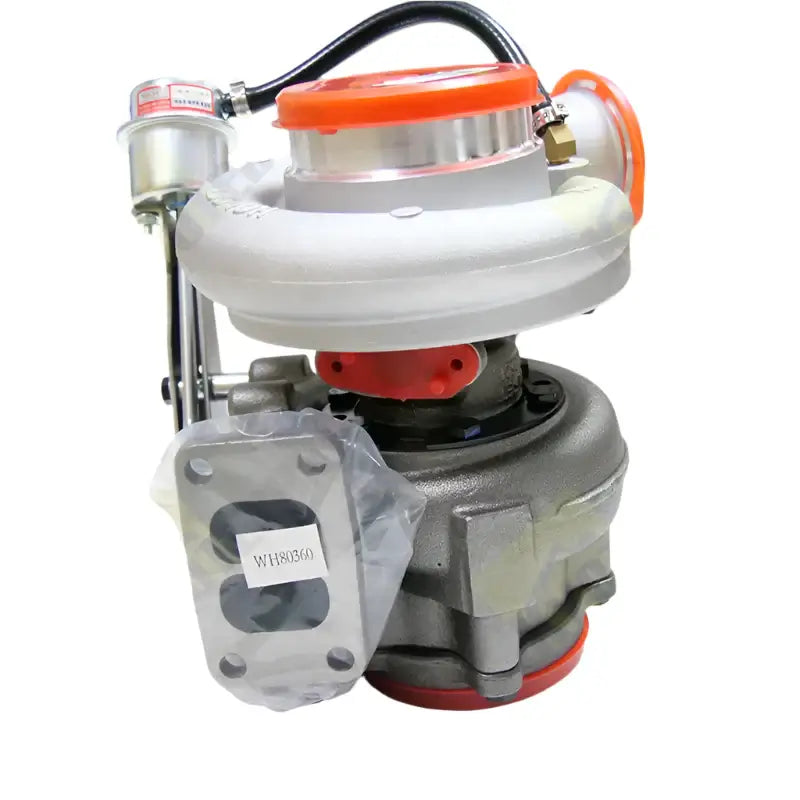
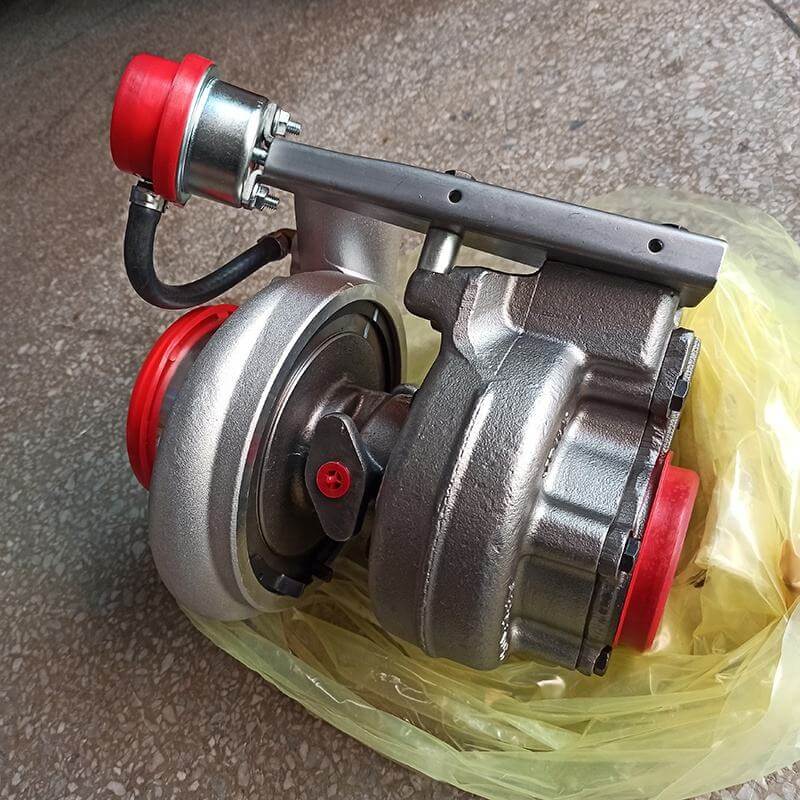
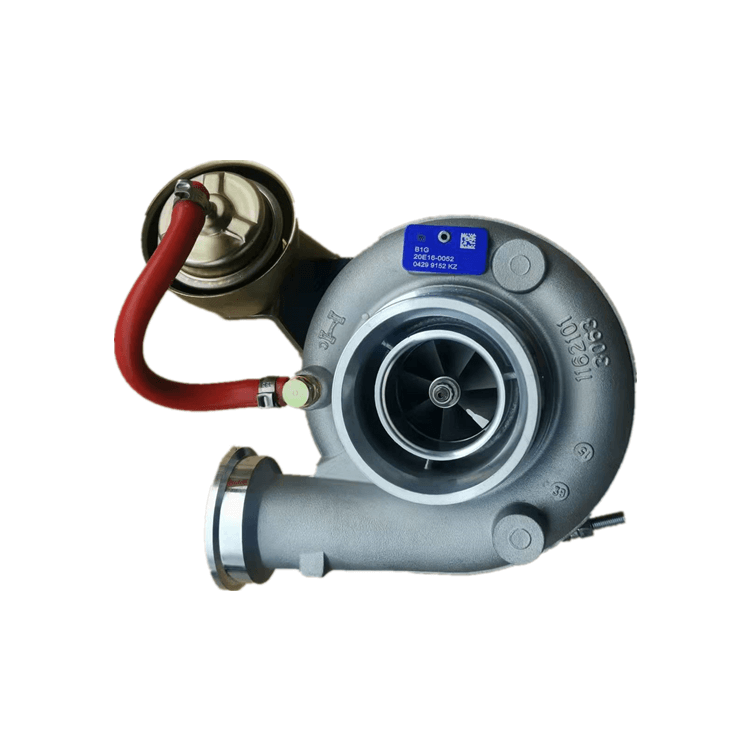
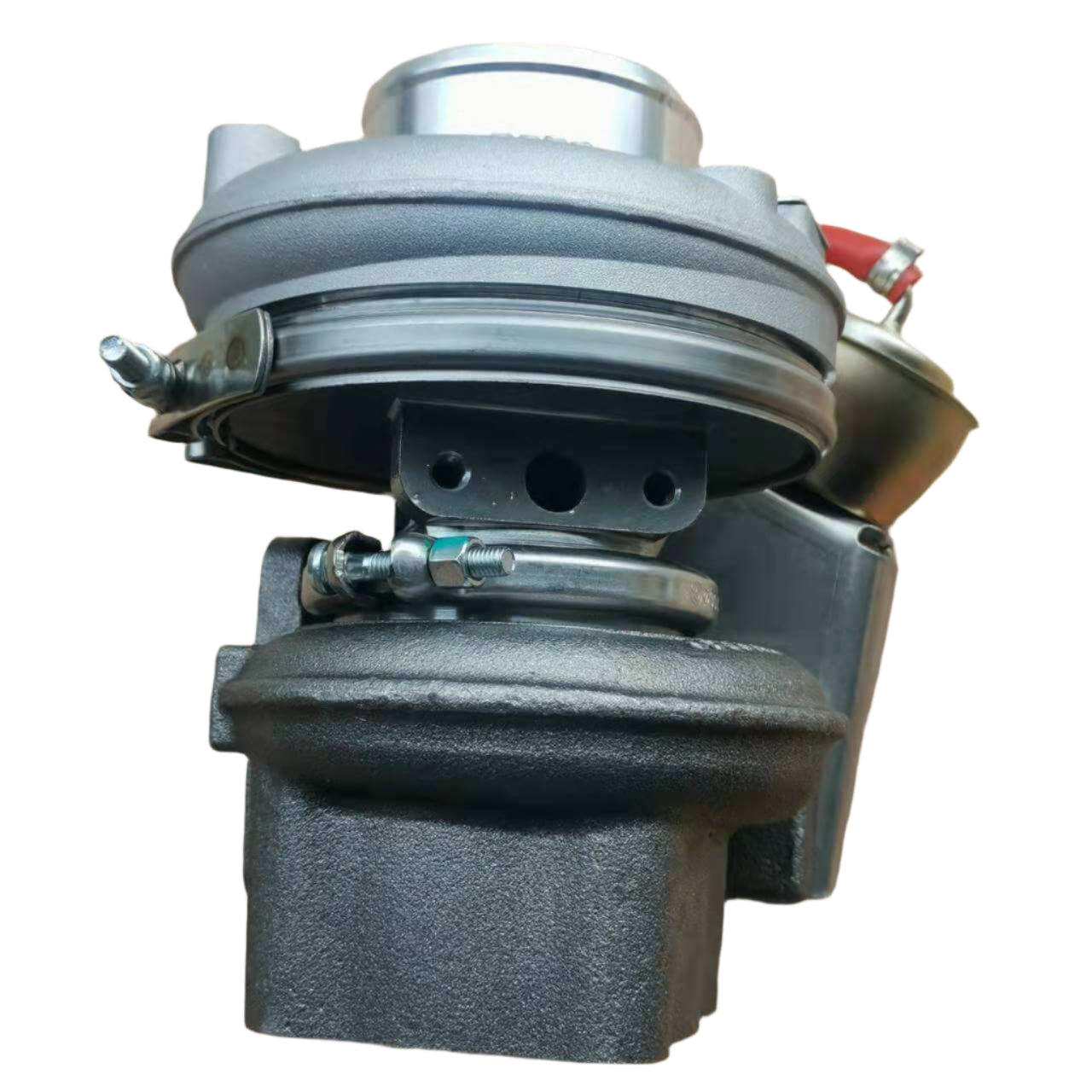
Variable geometry turbochargers, also referred to as VGT turbo or Holset variable geometry turbocharger units, differ from fixed-geometry turbochargers in one critical way: the turbine inlet vanes are moveable, controlled by an actuator that adjusts their angle based on engine load and exhaust flow conditions. This allows the turbocharger to maintain effective boost across a much wider RPM and load range than a fixed-geometry unit can achieve.
On Tier 4 Final diesel machines, VGT technology is not a performance upgrade; it is an emissions compliance requirement. The variable geometry mechanism allows the engine management system to precisely control exhaust energy and EGR flow to meet NOx targets at every load point. This means:
- A VGT turbocharger cannot be substituted with a fixed-geometry unit on a Tier 4 machine without creating an emissions compliance failure and triggering active fault codes
- The actuator mechanism on a VGT is an additional failure point. Actuator seizure from carbon deposit buildup is a common cause of VGT-related fault codes that are incorrectly diagnosed as full turbocharger failure
- When ordering a VGT replacement, the engine build code, not just the engine model, is required to confirm the correct actuator configuration
Our team can assist with VGT specification confirmation for Cummins ISX VGT, ISX VGT turbo, and Holset HE400VG applications before you order.
Turbocharger Rebuild vs Full Replacement: Making the Right Call
The decision between a turbocharger rebuild and a full turbocharger replacement depends on three factors: the condition of the turbocharger housing, the root cause of the failure, and the operational timeline you are working to.
A turbocharger rebuild is appropriate when:
- The compressor and turbine housings are intact with no heat cracking, erosion, or physical damage
- The failure was caused by a one-time event, contaminated oil, and a blocked feed line that has been identified and corrected
- The machine is not in a time-critical operational phase and can sustain a controlled workshop turnaround
A full turbocharger replacement is the correct choice when:
- The housing shows heat distortion, erosion from oil contamination, or compressor wheel contact marks on the housing wall
- The root cause of failure has not been definitively identified a rebuilt unit in an unresolved failure environment will not last longer than the original
- Machine downtime cost exceeds the price differential between a rebuild kit and a replacement unit, which it frequently does in heavy equipment operations
For Holset turbo rebuild kits and turbocharger rebuild excavator components, contact our team directly. For turbocharger replacement excavator units across all platforms, the full range is listed in this collection by machine model and OEM part reference.
Critical Installation Steps: What Most Turbocharger Failures Actually Come From
The majority of premature turbocharger failures after replacement are not product quality failures; they are installation failures. The most common causes are entirely preventable:
-
Pre-lube the turbocharger before startup — pour clean engine oil directly into the oil feed port and rotate the shaft by hand before starting the engine. The bearing surfaces must be lubricated before the shaft reaches operating speed. Dry startup at 100,000 RPM destroys bearings before oil pressure has time to build.
-
Inspect and clear the oil feed line before fitting the new unit — a blockage or restriction in the feed line that caused the original failure will destroy the replacement at the same rate. The feed line must be cleared and flow-tested before installation.
-
Check the oil drain line gradient — the drain line from the turbocharger sump must fall freely to the sump with no upward bends that would allow oil to pool in the turbocharger bearing housing. Restricted drain flow causes seal failure and oil consumption.
-
Replace the oil feed line banjo washers — these copper crush washers deform on installation and cannot be reused. Reusing them creates a seep point at the feed connection under operating pressure.
-
Run the engine at idle for a minimum of five minutes before applying load — oil pressure must fully stabilise, and the bearing film must establish before any load or boost demand is placed on the new unit.
How to Confirm the Right Turbocharger for Your Machine
Turbocharger identification is more specific than most exhaust components because multiple turbocharger configurations often exist across the production run of a single engine model. Have the following available before contacting our team:
-
Engine model and serial number — this is the primary reference. The same engine designation (e.g., Cummins ISX) was produced with different turbocharger specifications across its production run
-
Machine model and serial number — confirms the build specification when the engine serial is not accessible
-
OEM turbocharger part number — stamped on the turbocharger ID tag or found in the machine's parts manual. This is the fastest cross-reference route
-
Turbocharger configuration — fixed geometry or variable geometry (VGT). If the original unit has an actuator motor or pneumatic actuator mounted to the turbine housing, it is a VGT unit
Provide any of the above to our parts team, and we will cross-reference, confirm the correct unit, advise on stock availability, and confirm the dispatch timeline before you place the order.