The Smallest Component With the Largest Consequence When Skipped
There is no component in the excavator AC circuit that is more consistently undervalued during servicing than the receiver dryer, and no omission that creates more expensive downstream consequences. It is small, inexpensive relative to every other part in the system, and easily overlooked during a repair focused on the compressor, the expansion valve, or the evaporator. That oversight is the single most common preventable cause of premature compressor failure in heavy equipment air conditioning systems.
The physics of the problem are straightforward. Refrigerant circuits are not perfectly sealed over the years of operation on a working excavator. Moisture enters through service port connections during recharging, through micro-porosity in aged hose wall material, through degraded O-ring seals at fittings, and through atmospheric exchange during component replacement when the system is opened. Once moisture is present in the refrigerant, it does not simply circulate harmlessly; it reacts with refrigerant compounds to form hydrofluoric and hydrochloric acid. Those acids attack every metallic surface in the circuit from the inside, with the compressor's internal valves and the expansion valve's metering port being the first and most vulnerable failure points.
The receiver dryer's desiccant charge is what intercepts that moisture before it reaches those components. When the desiccant is saturated, as it will be after any system opening or after extended service, that protection is gone. The circuit continues to run as if everything is normal while corrosive contamination circulates through every component on every refrigerant cycle.
Receiver Drier and Accumulator: The Same Function, Two Different System Positions
Both components perform moisture and contamination filtration within the refrigerant circuit. The difference is in where they sit within the system and what circuit design they are matched to.
The Receiver Drier: High-Side Filtration
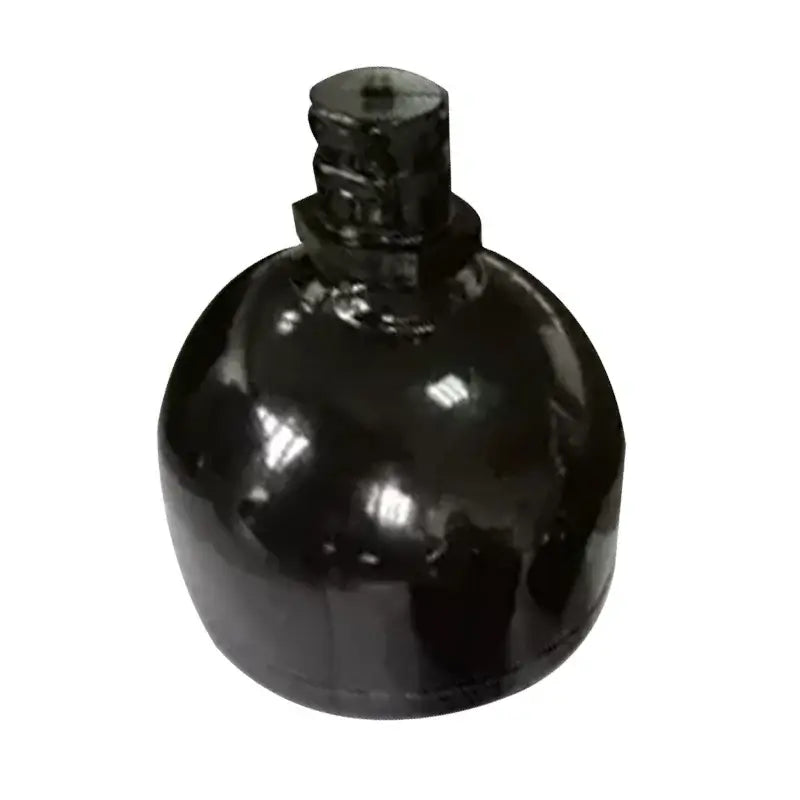
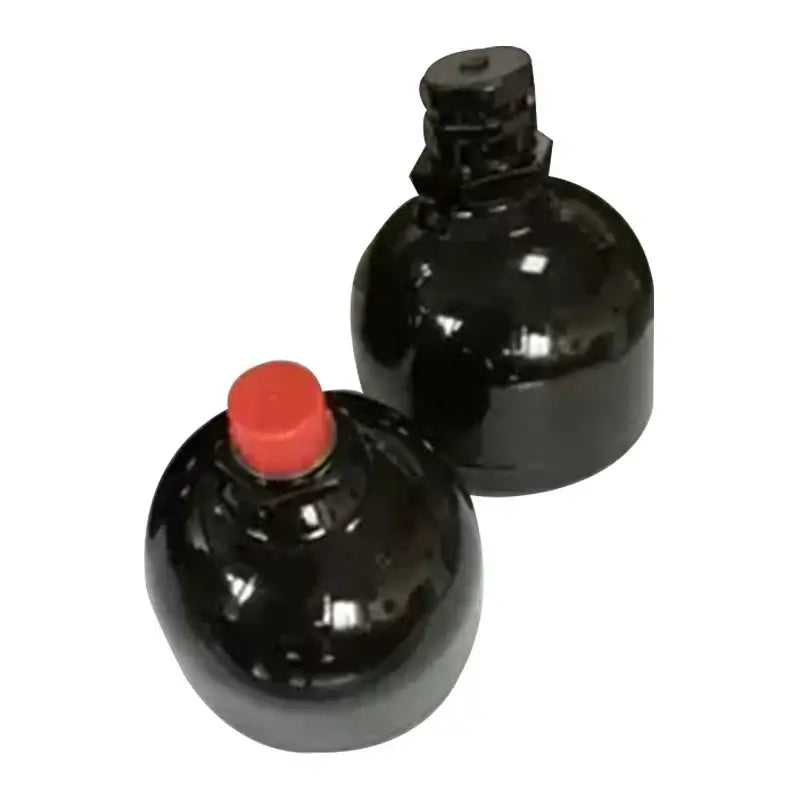
The receiver dryer sits on the high-pressure side of the AC circuit, between the condenser outlet and the expansion valve inlet. In this position, it performs three functions simultaneously:y it filters particulate contamination from the refrigerant stream, it absorbs moisture through its desiccant charge, and it acts as a reservoir that smooths refrigerant flow between the condenser and the expansion valve during compressor cycling. Systems that use a thermostatic expansion valve use a receiver in this configuration. The ac drier unit excavator is a high-pressure-rated component; dimensional matching and pressure specification both matter for correct fitment.
The Accumulator: Low-Side Filtration
The ACC accumulator heavy equipment unit sits on the low-pressure side of the circuit, at the evaporator outlet and before the compressor suction port. Its primary protective function is compressor protection; it prevents liquid refrigerant from being drawn directly into the compressor inlet, which would cause immediate and catastrophic internal damage. It performs desiccant filtration simultaneously. Systems that use an orifice tube rather than a TXV use an accumulator rather than a receiver dryer. The accudryer or dryer heavy equipment specification covers both filtration and liquid separation, and the correct unit is determined by the refrigerant circuit layout of the specific machine.
When the Receiver Drier Must Be Replaced: No Exceptions and No Deferrals
The replacement interval for a drier excavator unit is not determined by hours in service or a mileage equivalent. It is determined by system events. The rule is absolute and applies without exception:
-
Any time the AC system is opened — Disconnecting a refrigerant line, replacing a compressor, fitting a new expansion valve, installing a condenser or evaporator — every system opening exposes the circuit to atmospheric moisture. A used dryer cannot absorb the additional moisture load introduced during that opening. Replace it every time, without exception.
-
Following compressor failure, A failed compressor releases metal particles, degraded refrigerant oil, and acid compounds into the circuit. The receiver dryer must be replaced as part of the compressor replacement to prevent that contamination from reaching the new unit on its first operating cycle.
-
Following refrigerant loss from a hose or fitting failure, Extended refrigerant loss accelerates moisture ingress through the same pathways the refrigerant escaped. The desiccant charge absorbs atmospheric moisture preferentially and will be partially or fully saturated before the system is recharged.
-
At any scheduled AC service interval exceeding two years — Even on a sealed system with no recorded service events, desiccant saturation occurs progressively through micro-permeation. The receiver dryer cab heavy equipment unit on a machine running continuous AC operation across Australian, North American, or Middle Eastern site conditions should be replaced every second year of operation, regardless of visible symptoms.
The Imara Engineering Receiver Drier & Accumulator Range: Every Major Platform Covered
Imara Engineering's receiver dryer heavy equipment catalogue covers both receiver dryer and accumulator configurations, cross-referenced by machine make, model series, refrigerant circuit type, and serial number. Desiccant type, pressure rating, and port configuration are all verified against OEM specifications before any unit enters the catalogue.
Caterpillar (CAT) Receiver Drier
The cat receiver dryer range covers 320, 323, 330, 336, 349, and 390 series excavators. CAT cab HVAC systems use high-side receiver drier configurations across most excavator model families, with specific desiccant charge and port orientation requirements that vary between build periods. Fitment is confirmed by serial number for every order, particularly important on CAT platforms, where HVAC system updates across production runs create part number divergence within the same model series.
Komatsu Receiver Drier
The Komatsu receiver dryer range covers PC200, PC210, PC300, PC360, and PC400 series excavators. The volume of Komatsu PC-series machines in active operation across Australia, the USA, and Canada makes this one of the most consistently stocked sections of the Imara drier catalogue. Serial number verification confirms the correct desiccant type and body configuration for each production period within the PC-series family.
Hitachi Receiver Drier
The hitachi receiver drier range covers ZX130, ZX200, ZX300, ZX450, ZX650, and ZX870 series excavators. Hitachi cab HVAC designs vary in receiver dryer mounting orientation and refrigerant port configuration across machine generations. Both dimensions are confirmed through the Imara cross-referencing process before any unit is dispatched.
Volvo Receiver Drier
The Volvo excavator receiver range covers EC210, EC300, EC380, and EC480 series machines. Volvo HVAC system designs on EC-series excavators position the receiver dryer within the cooler circuit in configurations that vary between build years and regional machine specifications. Imara's fitment process confirms the correct body length, port sizing, and desiccant specification for each application.
Doosan Receiver Drier
The Doosan receiver dryer range covers DX140, DX225, DX300, and DX380 series excavators. Doosan HVAC configurations include both receiver dryer and accumulator system layouts across the model range. Determining the correct component type for a specific machine requires serial number confirmation, which the Imara team performs before every order is processed.
Fitting the Drier Correctly: Three Steps That Determine Whether It Works
A receiver dryer that is correctly specified but incorrectly installed provides no circuit protection at all. Three installation requirements determine whether the replacement unit performs as intended:
-
Desiccant orientation — Receiver driers must be installed in the orientation specified for the unit. An inverted or horizontally mounted drier on an application requiring vertical installation allows desiccant material to migrate toward the outlet port, introducing particulate contamination into the circuit the component is designed to protect. Confirm orientation before fitting.
-
O-ring replacement on all disturbed connections — Every refrigerant fitting disturbed during the drier replacement requires a new O-ring on reassembly. Reused O-rings at refrigerant connections are a primary source of post-service moisture ingress, the same ingress event that the new desiccant charge is now responsible for managing. Reusing them defeats the purpose of the replacement.
-
Minimum standing time before recharge — After the replacement drier is fitted and the system is evacuated, the vacuum should be held for a minimum period before refrigerant is introduced. This ensures residual moisture introduced during the system opening is drawn from the circuit before the new desiccant begins its service life.