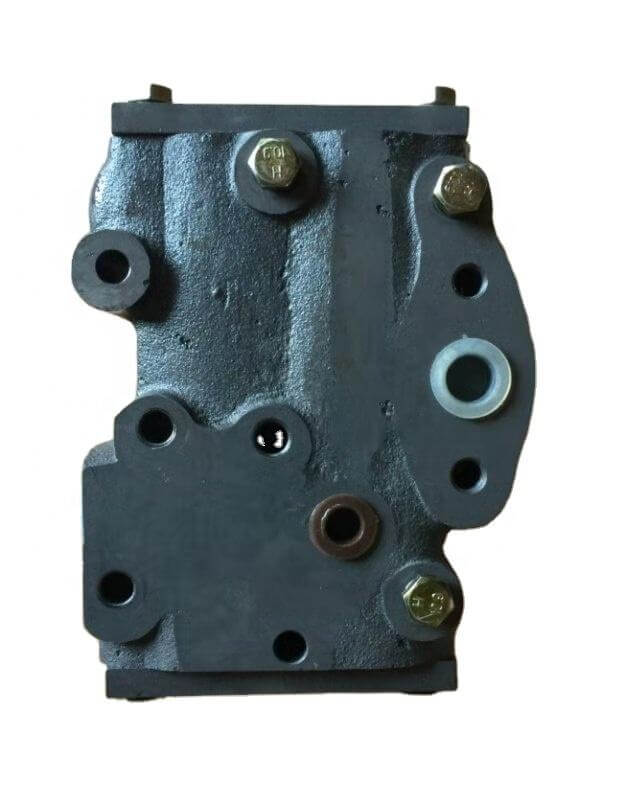
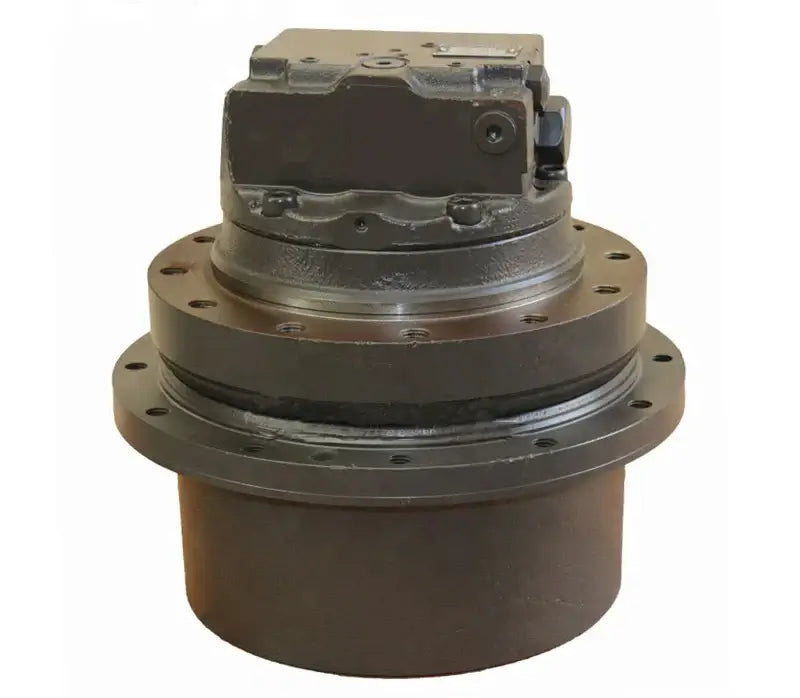
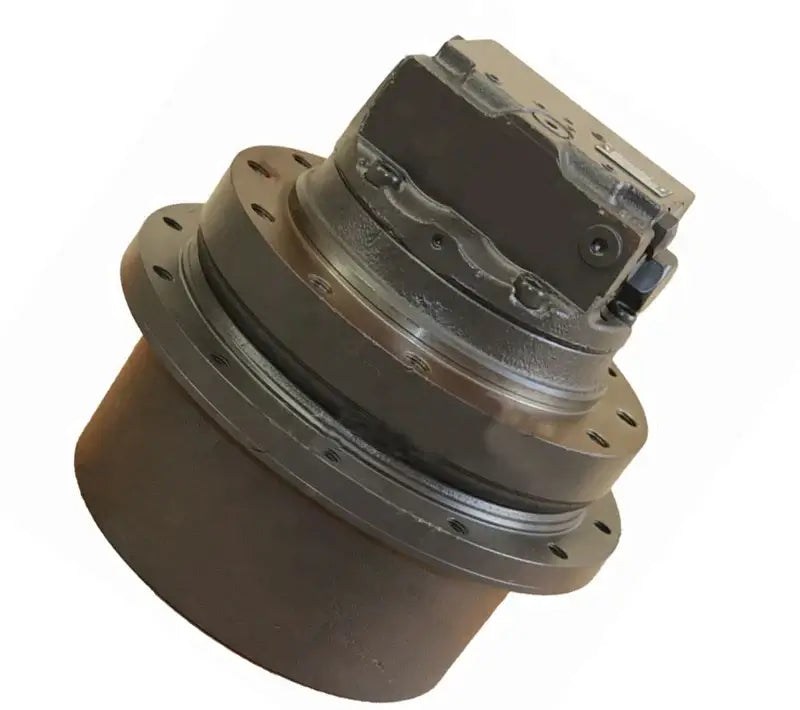
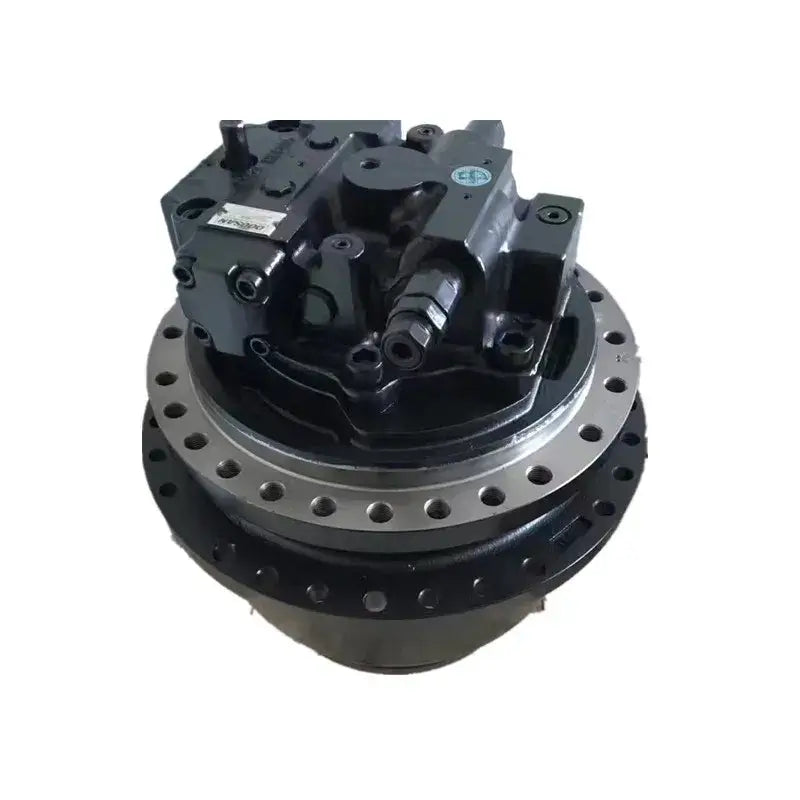
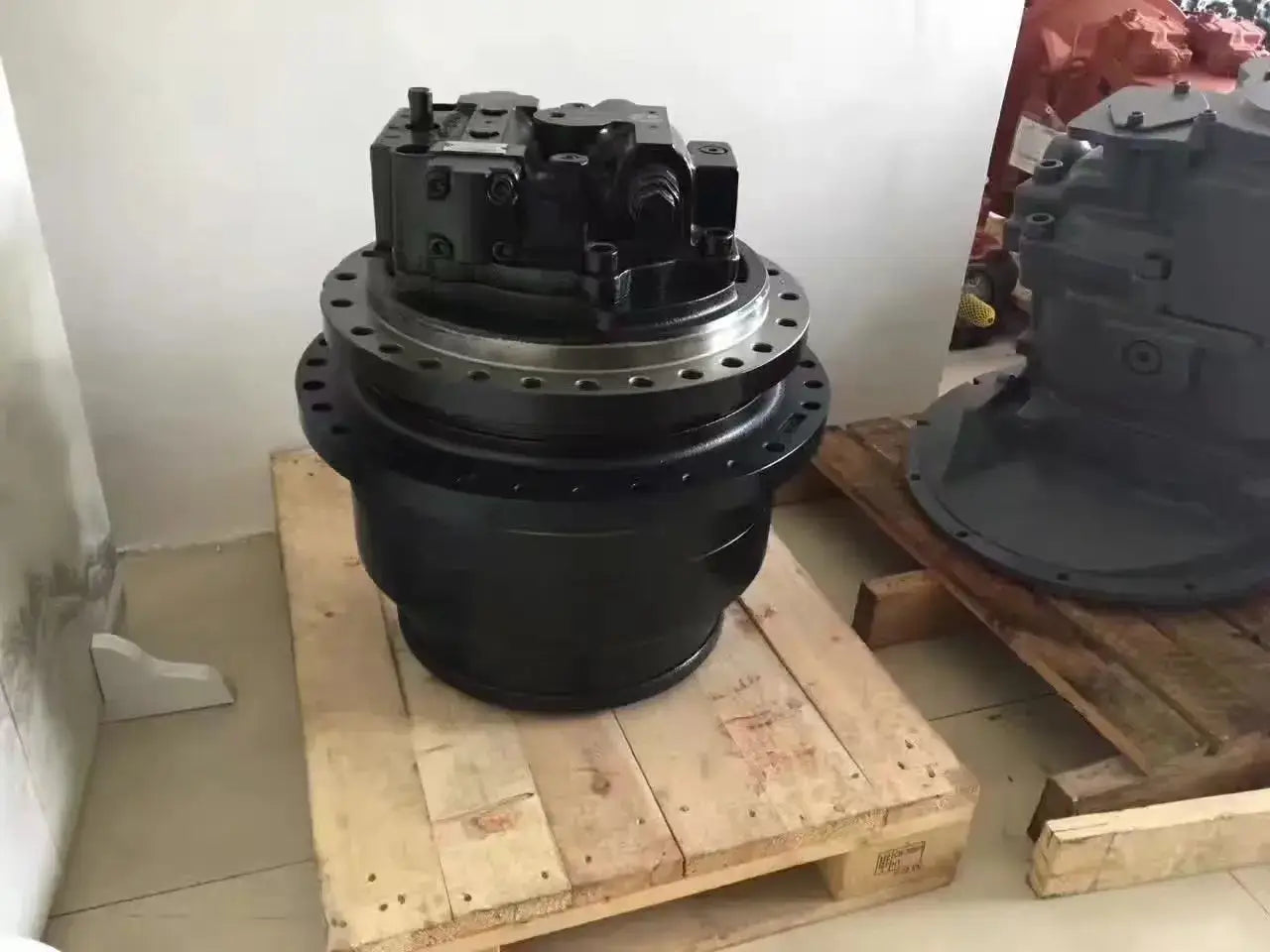
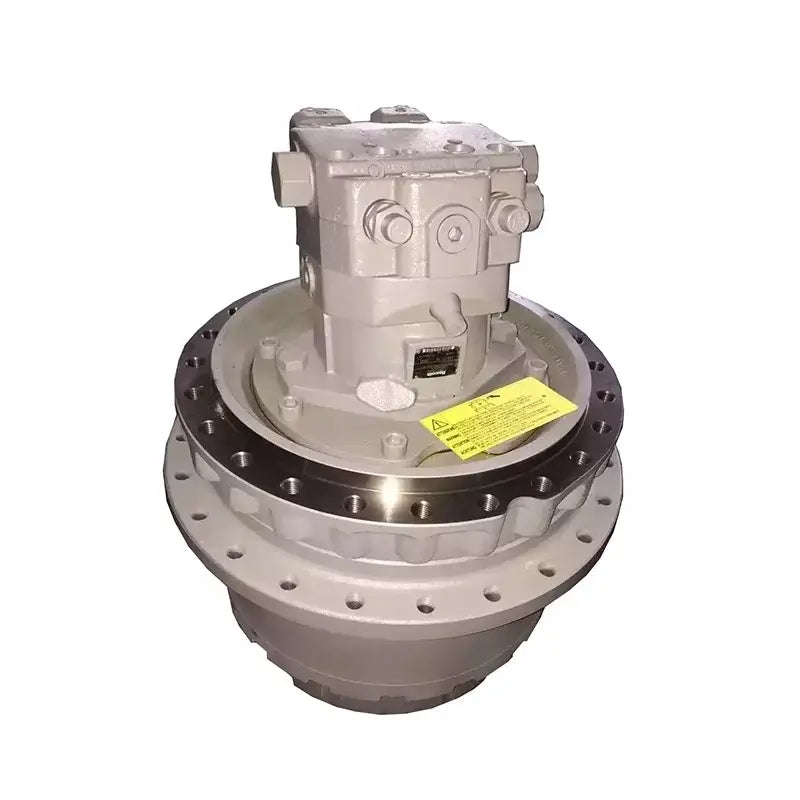
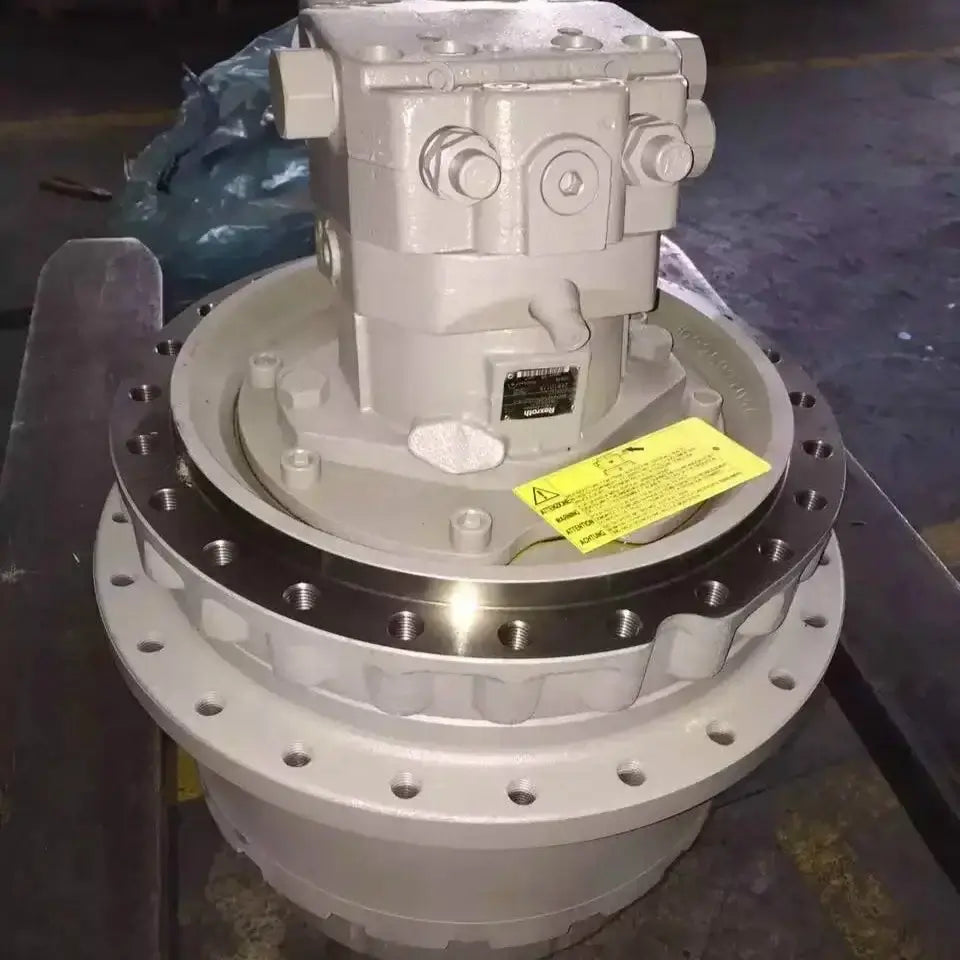
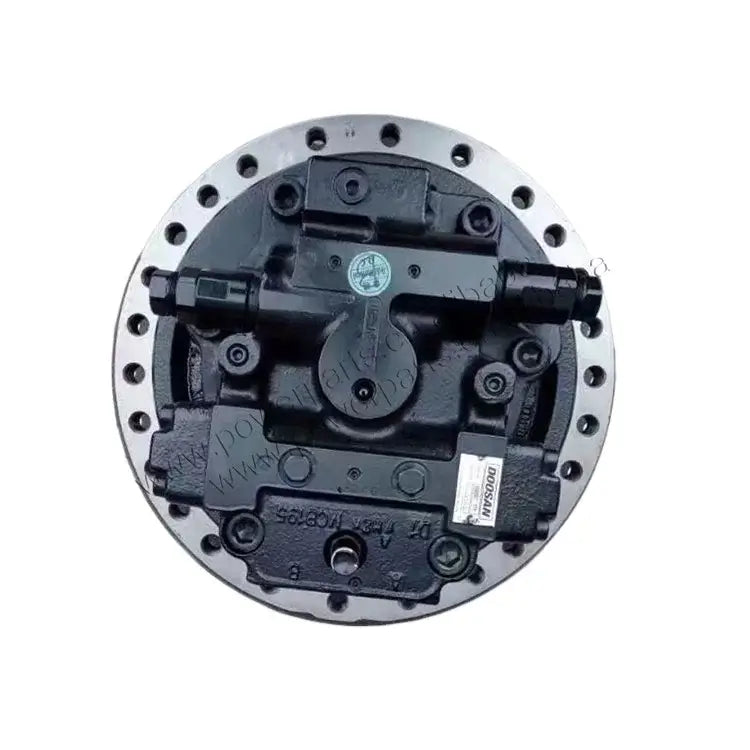
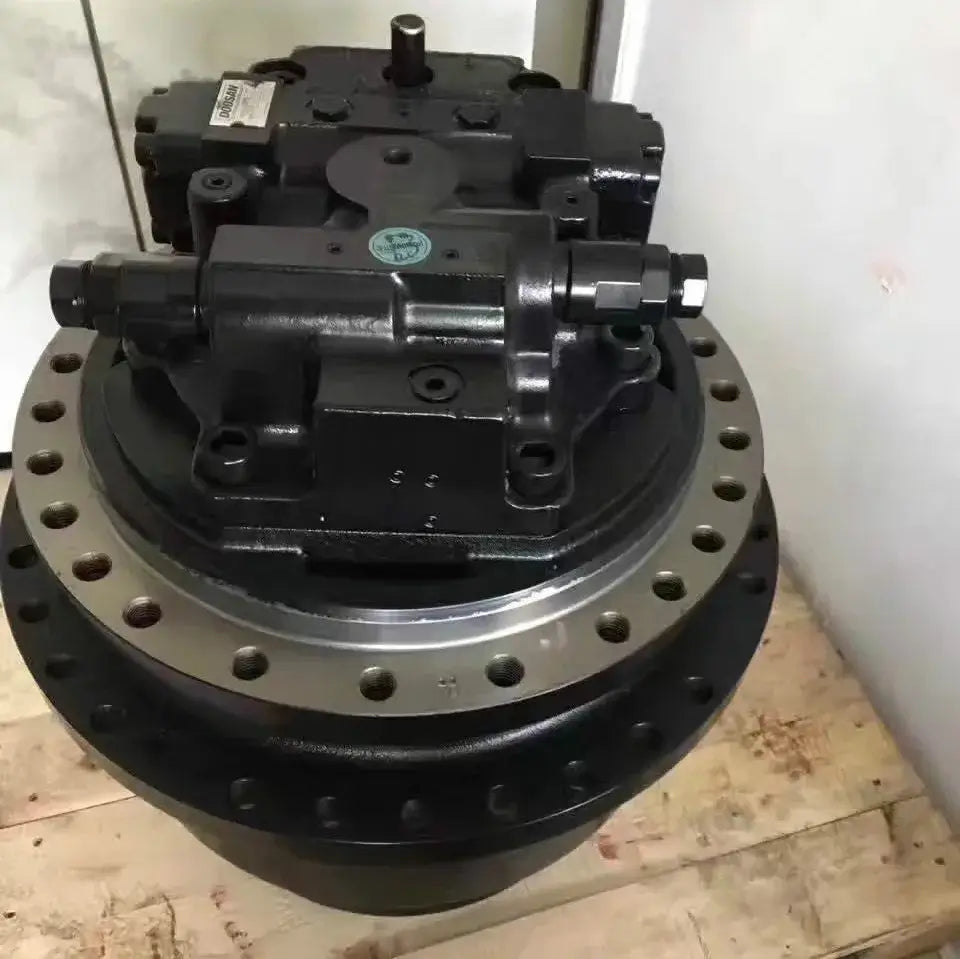
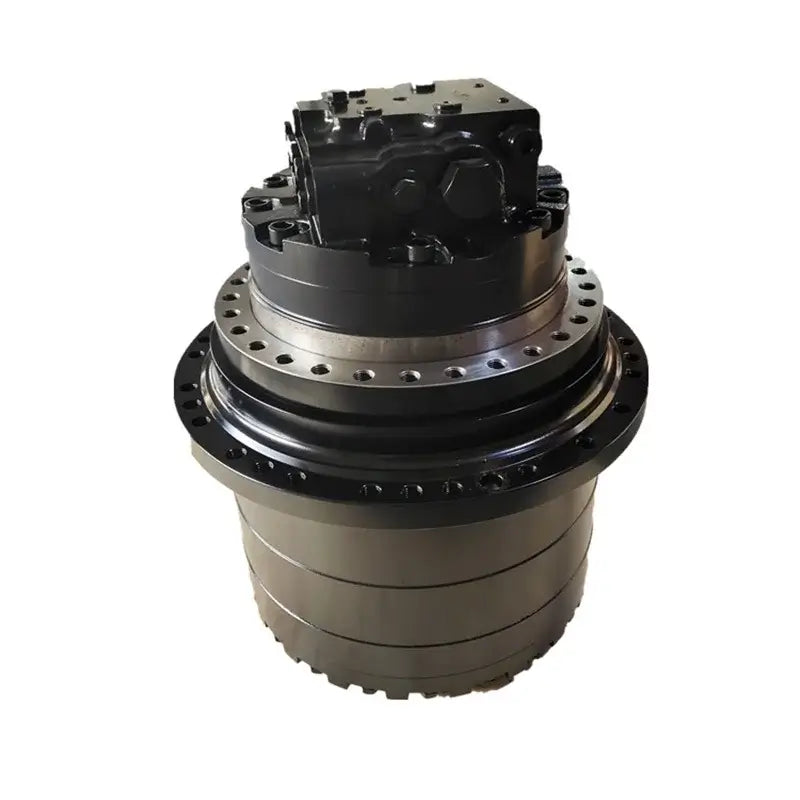
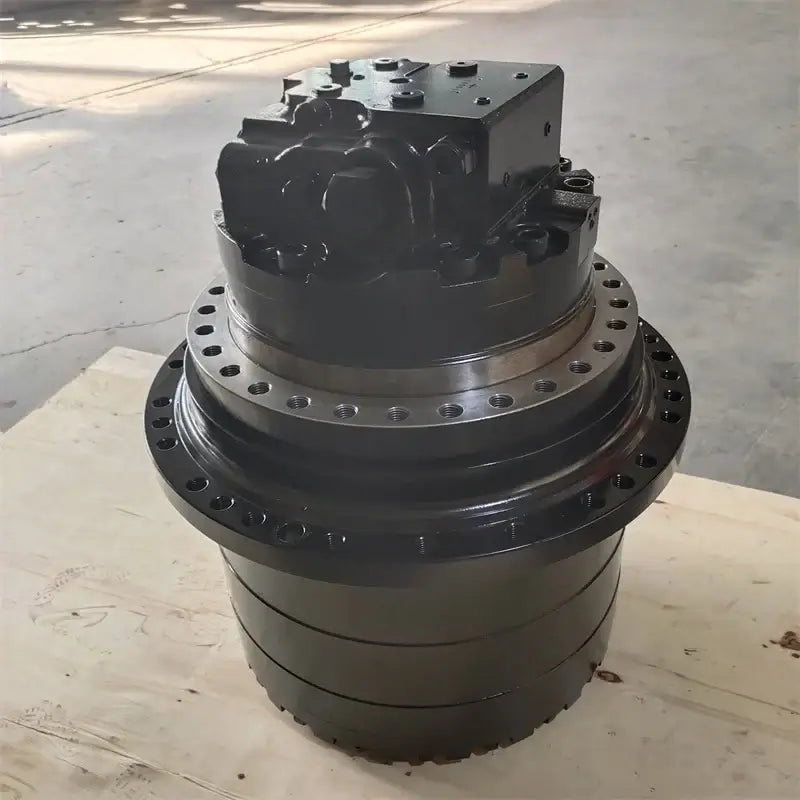
Volvo EC Series, Understanding the Undercarriage Demands
Volvo's EC series is a widely distributed compact and mid-size excavator family operated across construction, infrastructure, demolition, and utilities applications globally. What distinguishes the Volvo undercarriage system is the integration between the Volvo hydraulic circuit architecture and the final drive specification, Volvo EC series machines operate with a hydraulic system pressure and travel circuit flow rate that must be precisely matched in any replacement final drive unit.
The Volvo EC series models most frequently requiring final drive replacement across global construction and civil operations are:
-
EC15 / EC20 / EC25 — ultra-compact and light class machines for confined access, residential, and urban utility applications
-
EC55 / EC80 — compact excavators widely used across construction, drainage, and landscaping. The EC55 and EC80 are common in hire and contracting fleets across European and global markets.
-
EC140 / EC160 — mid-size excavators for heavier civil, infrastructure, and demolition applications. These machines operate at higher hydraulic system pressures than the compact EC series — specification accuracy on final drive and travel motor replacements is critical at this pressure rating.
-
Volvo 240 / EC240 — the Volvo 240 undercarriage is one of our most consistently demanded mid-size Volvo specifications. The EC240 is widely operated across construction, quarrying, and pipeline applications its final drive replacement frequency reflects the sustained high-load operating cycles these machines run in active production environments.
Warning Signs, When Your Volvo Final Drive Is Failing
Volvo's EC series hydraulic system is tuned for consistent, high-response travel performance, which means deviations from that consistency are identifiable earlier than on machines with less precisely calibrated hydraulic circuits. These are the signals across your Volvo undercarriage parts that demand immediate attention:
-
EC series machine drifting to one side during travel on level ground — one Volvo final drive is underperforming relative to the other. On a Volvo with a well-calibrated hydraulic circuit, this symptom is perceptible before it becomes a significant handling problem act on it at first detection.
-
Oil weeping from around the Volvo drive sprocket — seal failure. The Volvo travel circuit pressure pushes oil through a compromised seal progressively. What presents as minor weeping on a compact EC series machine becomes significant oil loss within days of continued operation.
-
Grinding or whining noise specifically during travel — absent during slewing and lifting travel-specific noise on a Volvo EC series machine identifies the final drive planetary gear set as the source. The noise worsens progressively it does not plateau.
-
EC series travelling noticeably slower on one side — partial planetary failure or reduced travel motor output. Hydraulic pressure is reaching the Volvo final drive but the unit is not converting it to full torque output.
-
Heat radiating from the Volvo drive sprocket area after short periods of travel — oil starvation inside the final drive housing. On a Volvo EC series operating under sustained load, this condition progresses to catastrophic planetary failure faster than operators expect.
-
Complete loss of drive on one Volvo track — end-stage planetary failure. Do not continue to operate the asymmetric load from driving on one side damages the sprocket, rubber track, and track adjuster on the working side simultaneously.
What Every Imara Engineering Volvo Final Drive Is Verified Against
Four verification checkpoints are applied to every Volvo final drive before dispatch:
-
Serial number cross-reference against the Volvo OEM parts database — hydraulic pressure rating, travel circuit compatibility, planetary reduction ratio, and mounting configuration confirmed for your specific EC series model and production year. Volvo excavator undercarriage parts specifications carry production year variations that make serial number verification the only reliable basis for confirming the correct unit particularly within the EC140, EC160, and EC240 ranges where multiple configurations exist.
-
Hydraulic pressure integrity test at Volvo EC-rated operating pressure — every unit tested at the hydraulic pressure rating for its specific EC series application. Volvo mid-size machines operate at higher travel circuit pressures than compact EC models the test pressure for an EC240 final drive reflects EC240 working conditions, not a generic compact machine rating. A unit that fails this test does not leave our facility.
-
Planetary gear reduction ratio verification — confirmed against Volvo OEM specification for your specific EC series model and production year. Travel speed, tractive effort, and slope performance will match Volvo factory specification from the first operating hour with the correctly specified unit installed.
-
Full oil charge and port protection — every Volvo final drive ships with the correct-grade oil charge installed and hydraulic port protectors fitted. Ready to install on arrival no preparation required before the unit goes into the machine.
OEM Volvo final drives carry a brand premium above equivalent aftermarket specification. At Imara Engineering, the serial number verification, pressure test, specification accuracy, and fitment guarantee replicate the Volvo dealer standard. The premium does not.
What to Inspect Alongside a Volvo Final Drive Replacement
A Volvo final drive replacement is the right moment to inspect every component it has been affecting across the Volvo undercarriage parts system:
-
Volvo Drive Sprocket — a final drive running under degraded conditions delivers uneven torque to the Volvo sprocket with every revolution. Inspect teeth for hook wear and flange damage. A worn sprocket stresses a new Volvo final drive from the first operating hour.
-
Volvo Travel Motor — if the Volvo final drive failed due to seal degradation and hydraulic fluid shows contamination, inspect the travel motor before refitting. A new final drive exposed to contaminated travel circuit fluid is a repeat failure within months — a pattern that applies equally across EC55, EC140, and EC240 machines.
-
Rubber Tracks — abnormal Volvo final drive behaviour creates uneven tension and stress across the rubber track inner surface. Inspect steel cord condition and inner surface integrity before the EC series machine returns to operation.
-
Track Adjusters — confirm correct tension is being maintained independently of the final drive replacement. A worn Volvo track adjuster puts immediate abnormal load on a new final drive from the first operating hour of the repaired machine