

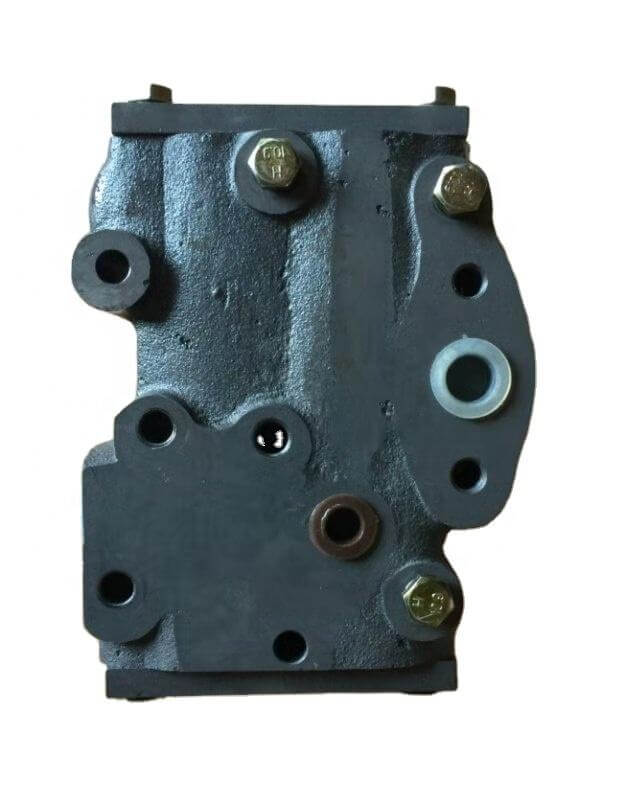
Most operators who replace a Bosch VP44 injection pump on a Cummins engine replace it once, and then replace it again six months later, wondering why the new one failed too.
The VP44 is rarely the root cause of its own failure. In the majority of cases, the cause is a failing Cummins lift pump that is starving the VP44 of the inlet fuel pressure it needs to lubricate itself internally. Fix the VP44 without fixing the lift pump, and the new unit fails in the same way, for the same reason, on the same engine.
This guide covers the relationship between the two components, how to test the lift pump before spending money on the VP44, and the correct repair sequence that prevents a repeat failure.
For the full range of Cummins fuel system components, visit our diesel fuel system parts hub.
What the Bosch VP44 Actually Does
The VP44 is an electronic rotary distributor injection pump used across Cummins ISB and 24-valve engines. Unlike mechanically governed pumps, it integrates an electronic control module directly into the pump body,y and it uses diesel fuel passing through the pump housing as its primary internal lubrication medium.
This is the design detail that makes the lift pump so critical. The VP44's internal components, ts the distributor head, high-pressure passages, and the control module itself, all depend on a consistent volume of fuel at adequate inlet pressure to stay lubricated and thermally managed during operation.
The Real Cause of VP44 Failure: It Starts With the Lift Pump
The Cummins lift pump is the low-pressure fuel delivery pump that supplies the VP44 with a constant fuel supply from the tank. The VP44 requires a minimum inlet pressure of approximately 6–8 PSI under load to maintain internal lubrication. When the lift pump underperforms through diaphragm wear, inlet restriction, or seal degradation, the inlet pressure drops.
What happens internally when pressure is inadequate:
- The distributor head runs without sufficient fuel film lubrication, causing progressive scoring on precision-machined surfaces
- The electronic control module on the VP44 body overheats. It relies on fuel flow for cooling, not just lubrication.
- The high-pressure delivery circuit runs with inconsistent fuel volume, causing erratic injection events that accelerate internal wear.
Why operators replace the VP44 first: the symptoms, such as hard starting, loss of power, black smoke, and fault codes, all point to the injection pump. The lift pump rarely triggers its own obvious fault codes. By the time the lift pump's contribution is understood, a new VP44 is already fitted and running in the same starved conditions.
For Cummins injection pump replacements, including remanufactured VP44 units, visit our Cummins fuel injection pumps page.
How to Test the Lift Pump Before Replacing the VP44
These tests take less than 20 minutes and can prevent a second injection pump failure.
Fuel pressure test at the VP44 inlet port. Connect a fuel pressure gauge to the inlet port at the VP44. Crank the engine and observe pressure. A healthy lift pump should deliver 6–8 PSI minimum under cranking conditions. A reading below 4 PSI confirms the lift pump is underperforming.
Flow test at the outlet. Disconnect the fuel line at the VP44 inlet and crank the engine briefly into a container. A healthy lift pump delivers a strong, consistent fuel flow. Weak, intermittent, or absent flow confirms a failing diaphragm.
Check the engine oil. Lift pump diaphragm failure allows fuel to bypass into the engine oil sump. If the oil level on the dipstick is rising between checks and smells of diesel, the lift pump diaphragm has failed.
Check engine hours against symptoms. A VP44 failure on a relatively low-hours engine under 150,000 kilometres or equivalent is a strong indicator that lift pump starvation was the cause rather than normal wear on the VP44 itself.
For Cummins lift pump options compatible with ISB and 24-valve applications, visit our fuel lift pumps page.
Signs the VP44 Has Already Failed
If the lift pump test confirms a starvation problem but the VP44 has already been running in a degraded condition, these symptoms indicate the VP44 itself now needs replacement alongside the lift pump:
- Hard starting or extended cranking even after the fuel system is primed
- Black smoke under load with confirmed adequate air filter condition
- Active fault codes referencing injection timing, fuel delivery, or the pump control module
- Loss of power that worsens progressively rather than appearing suddenly
- Fuel in the engine oil indicates internal pump seal failure
The Correct Repair Sequence
Always replace the lift pump and the VP44 simultaneously. The cost of a replacement lift pump is a fraction of the cost of a second VP44 failure. There is no diagnostic scenario where replacing the VP44 alone is the correct decision once lift pump underperformance has been identified.
The sequence is:
- Confirm lift pump failure with the pressure and flow tests above
- Source a replacement VP44 remanufactured unit to OEM specification, a reliable and cost-effective option for Cummins applications
- Source a replacement lift pump simultaneously
- .Replace both components, prime the fuel system, and confirm inlet pressure at the new VP44 before extended operation.
Never fit a new VP44 without confirming the inlet pressure the lift pump is delivering. A ten-minute pressure check protects a component that costs multiples more than the gauge.
Conclusion
The VP44 failure and Cummins lift pump relationship is one of the most consistently misdiagnosed fault sequences in the heavy equipment fuel system. The VP44 is the expensive component that fails visibly. The lift pump is the inexpensive component that caused it.
Diagnose in the right order. Replace both components simultaneously. Confirm inlet pressure before returning the machine to service.
At Imara Engineering Supplies, we stock remanufactured VP44 injection pumps and Cummins lift pumps confirmed to OEM specification, with worldwide shipping and technical support to confirm the correct specification for your engine build.
Contact our team with your engine serial number, or visit our Cummins fuel injectors and injection system components page for the full range of Cummins fuel system parts.


