What Does a Bucket Cylinder Do on an Excavator?
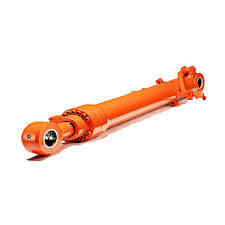
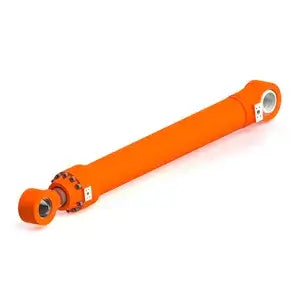
The bucket cylinder controls the entire curl and dump range of the bucket from a fully curled closed position, retaining a full load of material, through to a fully dumped open position, releasing the load into a truck or stockpile. When the operator commands bucket curl, the main control valve directs high-pressure flow from the main pump to the cap end of the bucket cylinder, extending the rod and rotating the bucket closed through the linkage assembly. When the operator commands bucket dump, pressure is applied to the rod end, retracting the cylinder and opening the bucket to release its load.
The bucket cylinder operates through a mechanical linkage arrangement rather than connecting directly between the arm and bucket pin; the cylinder connects to a set of links and a connecting rod that multiply the cylinder's linear force output into the rotational torque needed to overcome the combined weight of a full bucket load and the resistance of the linkage geometry across the full curl arc. This linkage amplification means the bucket cylinder generates its highest force demand in the mid-curl position, where leverage is least favourable, making piston seal integrity at mid-stroke the critical performance parameter for bucket curling force.
- Common Symptoms of Bucket Cylinder Failure
- Bucket cylinder degradation produces recognisable symptoms that distinguish cylinder faults from linkage, bucket pin, or control valve issues in the bucket circuit. Monitor closely for these warning signs:
-
Bucket drifting open under load — Material spilling from a partially curled bucket during the swing phase indicates internal bypass past worn piston seals, reducing the holding force that keeps the bucket closed against the weight of the load.
-
Reduced bucket curling force — A cylinder losing effective pressure generates insufficient curl torque through the linkage, resulting in the bucket failing to penetrate compacted material or close fully against resistance.
-
Visible rod seal oil leakage — Oil streaking from the rod seal end of the bucket cylinder is the most visible early symptom, typically caused by rod surface scoring from direct contact with excavated material or abrasive debris.
-
Bent or scored cylinder rod — The most common cause of bucket cylinder failure on working machines — direct contact between the extended rod and rock faces, trench walls, or large material pieces bends or scores the rod, destroying seal integrity immediately and irreversibly until the rod is replaced or rechromed.
-
Bucket unable to fully curl closed — A cylinder that cannot complete its full extension stroke, whether from internal damage, contamination, or air ingestion, prevents full bucket closure and reduces effective bucket capacity per cycle.
-
Jerky or uneven bucket movement — Contamination, damaged internal seals, or air in the bucket cylinder circuit produces stuttering or hesitation during curl and dump movements, disrupting operator control at the working face.
-
Excessive play or float in the bucket position — Combined wear in the bucket cylinder, linkage pins, and bushings produces noticeable float in the bucket position during the digging cycle, reducing precision and increasing shock loading on all attachment components.
Bucket Cylinder Models We Supply
Imara Engineering supplies bucket cylinder assemblies for a wide range of excavator models and production series. Our most commonly supplied units include:
-
Komatsu — PC200-7, PC200-8, PC210-8, PC300-7, PC300-8, PC360-7, PC400-7, PC400-8, PC450-8
-
Caterpillar (CAT) — 320C, 320D, 320D2, 323, 325C, 325D, 330C, 330D, 336D, 336E
-
Hitachi — ZX200-3, ZX210-3, ZX300-3, ZX330-3, ZX450-3, ZX500-3, EX200-5, EX300-5
-
Volvo — EC210B, EC240B, EC290B, EC380, EC480, EC700
-
Doosan — DX225LC, DX300LC, DX380LC, DX480LC
-
Kobelco — SK200-8, SK300, SK350-8, SK480, SK850
-
Hyundai — R210LC-9, R290LC-9, R380LC, R480LC
-
Case — CX210, CX300, CX350, CX470
-
Bobcat — E35, E50, E85 compact excavator range
Cannot find your model listed? Contact our parts team with your machine serial number and OEM part number, and we will confirm the correct bucket cylinder assembly for your specific unit immediately.
Bucket Cylinder Specification: What to Check Before Ordering
Bucket cylinders are machine-specific components bore diameter, rod diameter, stroke length, and mounting pin dimensions vary between brands, model series, and production years. Before ordering a replacement bucket cylinder, confirm the following specification details with our parts team:
-
Bore Diameter — The internal barrel diameter determines curl force output at system pressure. An undersized bore reduces curling torque through the linkage; an oversized bore creates pressure imbalance in the bucket circuit.
-
Rod Diameter — Must match original specification exactly to ensure rod seal compatibility and correct alignment at the bucket linkage connection point.
-
Stroke Length — The total travel distance from fully retracted to fully extended determines the full curl-to-dump arc of the bucket. Incorrect stroke length produces incomplete curl, limited dump angle, or mechanical interference within the linkage assembly.
-
Mounting Pin Diameter and Eye Dimensions — Pin hole dimensions at both the cap end arm mount and rod end linkage connection must match the original pivot pin specifications for direct fitment.
-
Port Thread Specification — Hydraulic port thread type and size must be compatible with existing bucket cylinder hose fittings for direct connection without adapters.
Providing your machine model number, serial number, and OEM part number eliminates all specification uncertainty. Our parts team cross-references every dimension before confirming your order.
Complete Bucket Cylinder Replacement vs Seal Kit Rebuild
The condition of the cylinder rod and barrel determines the most appropriate and cost-effective repair strategy:
-
Complete Assembly Replacement is recommended when — The cylinder rod is bent, heavily scored, or pitted from direct contact with excavated material or obstacle impact — the most common failure mode on bucket cylinders specifically. A bent or heavily scored rod cannot be adequately addressed with a seal kit alone, and attempting a seal replacement on a damaged rod will result in immediate repeat failure. Complete assembly replacement is also recommended when the barrel bore shows scoring from contaminated fluid or when the cylinder has suffered structural damage at the mounting eyes.
-
Seal Kit Rebuild is appropriate when The rod surface is confirmed smooth and undamaged with clean, unscored chrome, and failure is limited to seal degradation from normal wear cycles, heat, or age. Given the exposed operating position of the bucket cylinder, seal kit rebuilds are viable primarily on machines where the operator has been careful to avoid direct rod contact and the machine has been operating with clean hydraulic fluid. A quality bucket cylinder seal kit, replacing all rod seals, piston seals, wiper rings, buffer seals, and o-rings, restores complete sealing performance at a fraction of the complete assembly cost.
-
Rod Protection Best Practice — Unlike boom and arm cylinders, where the rod retracts away from the working face during digging, the bucket cylinder rod can be exposed to direct contact when the bucket is in the fully dumped open position. Training operators to avoid extending the bucket cylinder rod fully into contact with rock faces or trench walls significantly extends seal and rod service life.
Imara Engineering supplies both complete bucket cylinder assemblies and dedicated bucket cylinder seal kits for all major excavator brands, covering every failure scenario from emergency complete replacement through to scheduled preventive seal maintenance.
Related Hydraulic Parts You May Need
Bucket cylinder replacement or rebuild frequently connects to wider attachment and hydraulic circuit servicing. Consider sourcing these components alongside your bucket cylinder:
- Boom Cylinders — Inspect all three attachment cylinders simultaneously at the same service event to minimise total machine downtime across the working attachment
-
Arm Cylinders — The arm cylinder shares similar operating conditions and is often serviced at the same time as the bucket cylinder during scheduled attachment maintenance
-
Hydraulic Cylinder Seal Kits — Dedicated seal kits for bucket cylinder rebuilds covering all rod, piston, wiper, and o-ring sealing components
-
Hydraulic Hoses & Pipes — Inspect and replace bucket cylinder feed and return hoses when fitting a new cylinder assembly or completing a seal rebuild
-
Control Valves — Inspect the bucket spool condition in the main control valve if curl force or drift issues persist after cylinder seal replacement