The Engineering Role of Coil Spring Suspension on Heavy Equipment
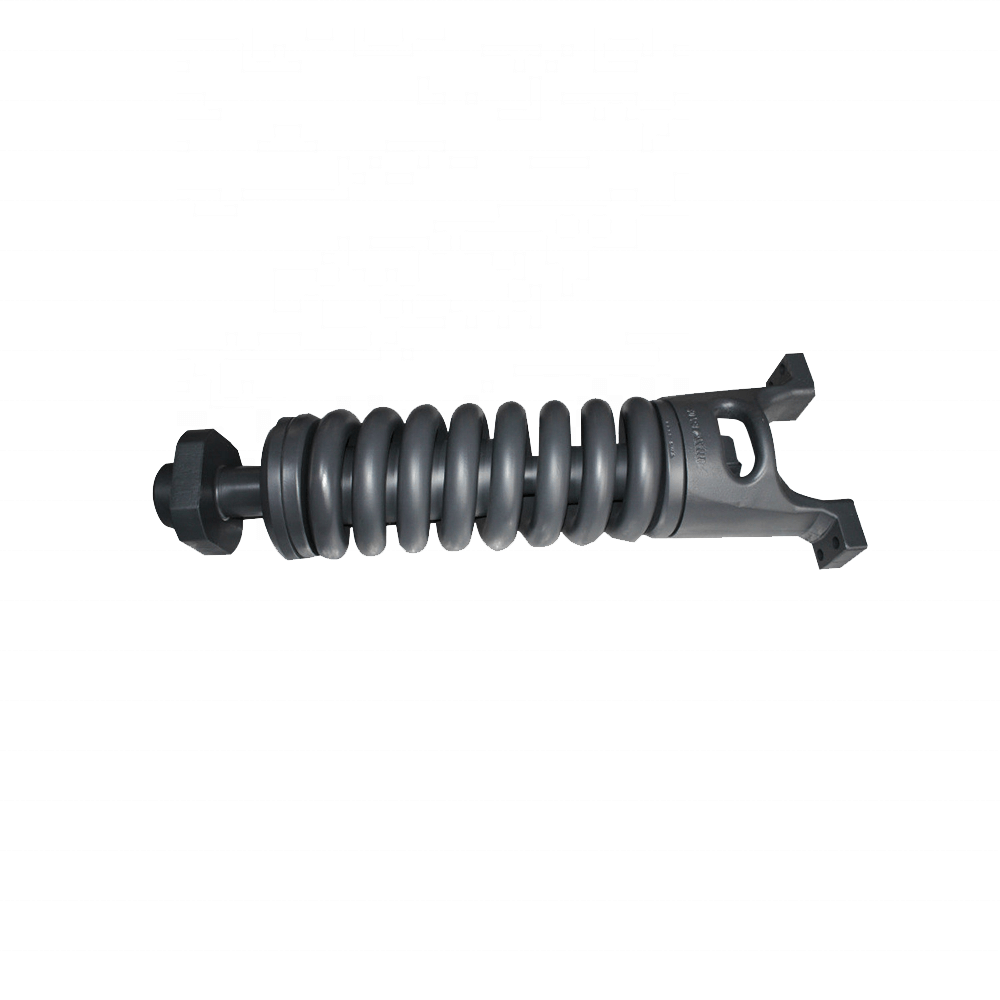
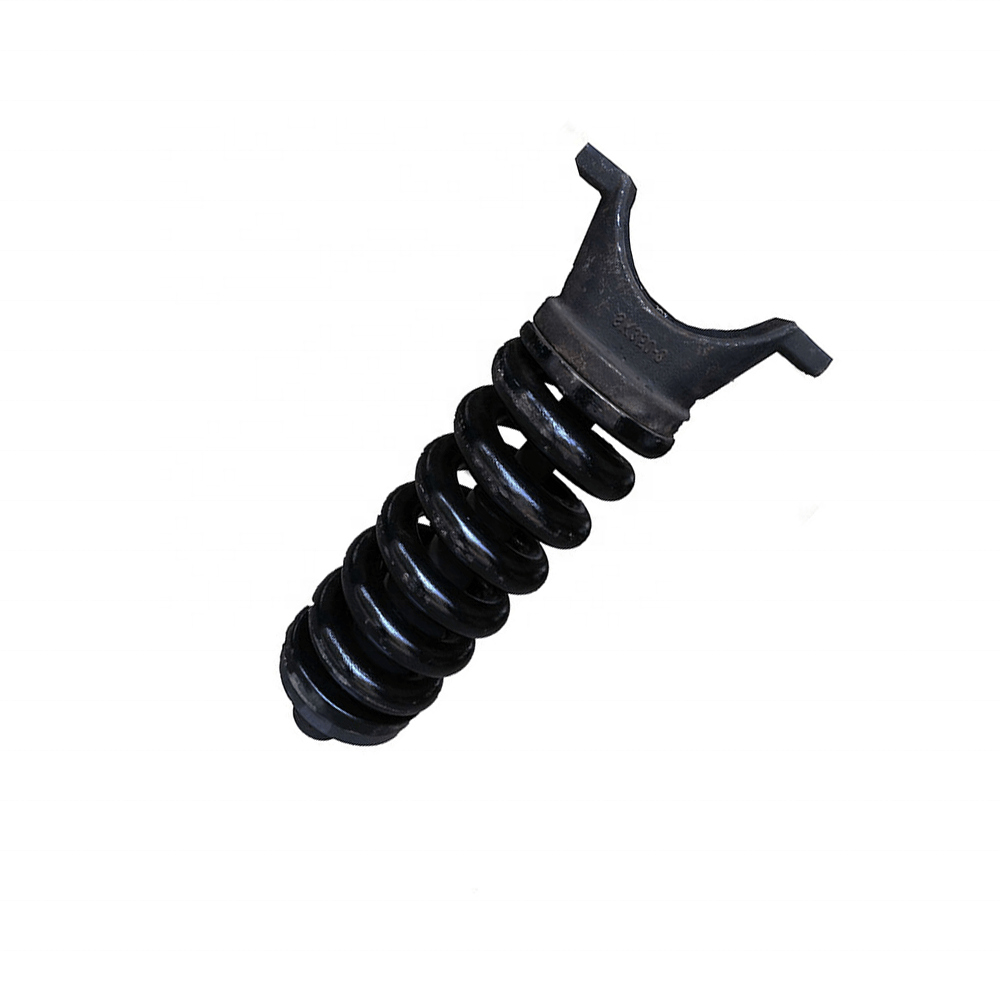
Unlike a multi-blade leaf spring pack, a coil spring stores and releases energy through the compression and extension of a single helically wound steel element. This makes spring rate accuracy and dimensional consistency the defining variables in every heavy machinery coil spring application,tion two values that must be precisely matched to the machine model, axle position, and rated operating payload for the suspension system to function within its design envelope.
On wheel loaders, coil spring suspension is most commonly applied at the front axle, where the suspension geometry demands a compact, precisely rated element capable of managing both the static weight of the machine and the dynamic forces generated during bucket fill, material tipping, and travel across uneven ground surfaces. The spring must maintain a consistent load-deflection response through its full operating travel, not just at static rest.
On dump truck platforms, where coil spring configurations are specified for rear axle positions, the spring rate is closely calibrated to the machine's rated payload. A heavy equipment coil spring assembly that deviates from the OEM spring rate, whether stiffer or softer than specification, will alter the machine's load distribution, handling characteristics, and frame loading profile in ways that accelerate wear across the surrounding structure and drivetrain.
Front and Rear Positions: Why the Application Determines the Specification
Front Coil Spring Applications on Wheel Loaders
The front coil spring on a wheel loader is the primary buffer between the attachment side of the machine and the main frame. During digging cycles, the front axle carries a disproportionate share of total machine weight as the bucket engages the material face, compressing the suspension toward the lower limit of its design travel. A front coil spring for a loader that has settled below its rated free height effectively removes suspension travel from the bottom end of the range, meaning the axle reaches the bump stop sooner under load, transmitting proportionally more impact energy into the frame and front structural components with every cycle.
The consequence is not always immediately visible. Reduced front suspension travel tends to manifest first as accelerated wear at the boom pivot, loader frame welds, and front axle mounting brackets, all of which are more expensive to repair than the coil spring that failed to protect them.
Rear Coil Spring Applications on Dump Trucks
The rear coil spring on a dump truck manages one of the most demanding load transitions in heavy equipment operation, the shift between the machine's unladen return haul state and its fully loaded production haul, a load variation that can represent several multiples of the machine's empty weight on large rigid platform configurations.
A rear coil spring assembly that has lost rated load capacity through metal fatigue, coil contact under load, or permanent geometric set will allow the rear axle to run outside its correct operating plane. The effect is predictable: accelerated tyre wear concentrated on the affected side, increased lateral loading on wheel hubs and bearings, and an asymmetric frame loading profile that shortens the service life of nearby components throughout the dump truck rear suspension system.
Machine Platforms We Cover
Our coil spring inventory for heavy equipment is catalogued and stocked across the following platforms:
Caterpillar (Cat)
- Cat coil spring assemblies for the Cat 966 and Cat 972 wheel loader series, front axle positions
- Cat dump truck coil spring rear assemblies for select rigid dump truck platforms, as specified by OEM design
Komatsu
- Komatsu coil spring assemblies for the Komatsu WA380 wheel loader, front and rear positions
- Komatsu dump truck coil spring units for HD-series platforms, where the OEM suspension design specifies coil configuration
Volvo
- Volvo coil spring assemblies for articulated dump truck front axle configurations
- Volvo wheel loader coil spring replacement units for L-series platforms
If your platform is not listed, contact our team with the machine serial number, and we will confirm the correct specification and availability before any order is placed.
When to Schedule a Coil Spring Replacement on Heavy Equipment
Coil spring failure on heavy equipment rarely presents as a sudden, catastrophic event. The more common failure mode is progressive, a spring that has gradually settled below its rated free height, lost measurable load capacity, or developed a hairline fracture that has not yet propagated into a visible break. By the time the failure is obvious, the surrounding suspension components have typically already absorbed a significant share of the additional stress.
The following conditions each warrant immediate inspection and coil spring replacement:
- The machine sits asymmetrically at rest on level ground when unloaded. A spring that has permanently set below its rated free height will produce a measurable height differential at the affected axle end even without any payload.
- Coil contact is audible under normal operating loads; the metallic clatter of adjacent coils touching under compression signals that the spring has lost its designed free travel and is close to structural failure.
- Tyre wear is accelerated on one side of the axle. An AA coil spring that is no longer holding the axle in its correct geometric plane will scrub the tyre on the affected side with every loaded cycle.
- The machine bottoms out at payload thresholds below its rated capacity. Any spring that cannot support its design load at the intended deflection has moved from a maintenance issue to a safety concern.
- Visual inspection reveals any surface crack, corrosion penetration into the coil cross-section, or permanent geometric deformation along the coil. Any one of these conditions disqualifies the assembly from continued service, regardless of how the machine is performing operationally.
Replacing a coil spring assembly at the first confirmed indicator eliminates the downstream consequences: premature tyre replacement, misaligned axle geometry, and the accelerated wear cycle that a failed spring places on wheel hubs, bearings, and the suspension mounting hardware around it.
OEM and Aftermarket Coil Springs: The Specification That Defines the Outcome
Two values define whether a replacement coil spring will perform to its original design intent: the spring rate expressed in force per unit deflection and the rated free height at which that rate is measured. These, alongside the coil geometry and the steel specification, determine whether the replacement spring will behave identically to the original across the full operating load range of the machine.
OEM coil springs are manufactured to the original design drawing, guaranteeing compliance with both values and every dimensional requirement of the spring seat and mounting interface. For machines operating under an active warranty, or for platforms where the suspension geometry is closely calibrated to a specific spring rate, OEM parts are the correct choice,e and we source them where required.
Quality aftermarket coil spring assemblies for heavy equipment are an accepted procurement approach across the global mining and construction industry, provided the replacement spring is manufactured to the same spring rate, free height, and coil geometry as the OEM specification. The aftermarket option is appropriate when confirmed specification data is available, not simply when a part is listed as a generic replacement without reference values. Every aftermarket coil spring we supply is matched against the OEM specification document for the supported model, and we provide that confirmation before dispatch.