

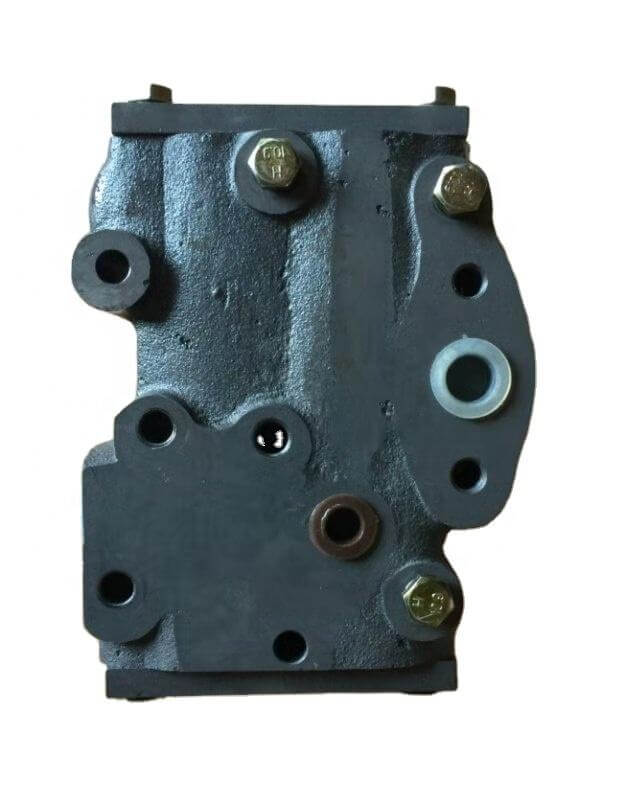
Steering Pumps for Wheel Loaders, Motor Graders, and Heavy Equipment
Steering pumps are the hydraulic pressure source that makes power-assisted steering possible on wheel loaders, motor graders, and backhoe loaders. Imara Engineering supplies hydraulic steering pumps for heavy equipment within our Suspension and Steering Parts range, covering Cat, Komatsu, Volvo, JCB, and Case.
Every steering pump we supply meets OEM-equivalent specifications in displacement, pressure rating, and port configuration for your machine. Whether you need a Cat 966 steering pump, a Komatsu WA380 unit, a Cat 140 grader replacement, or a backhoe loader fitment, complete replacement units and seal kits are available. Aftermarket options meet full engineering standards, and we ship worldwide.


1 product
Filter

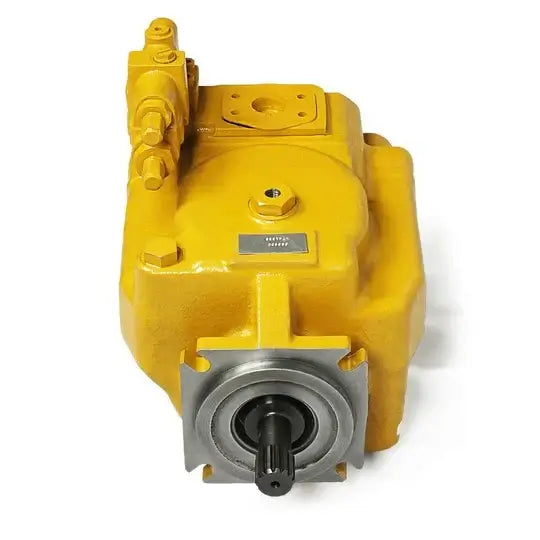
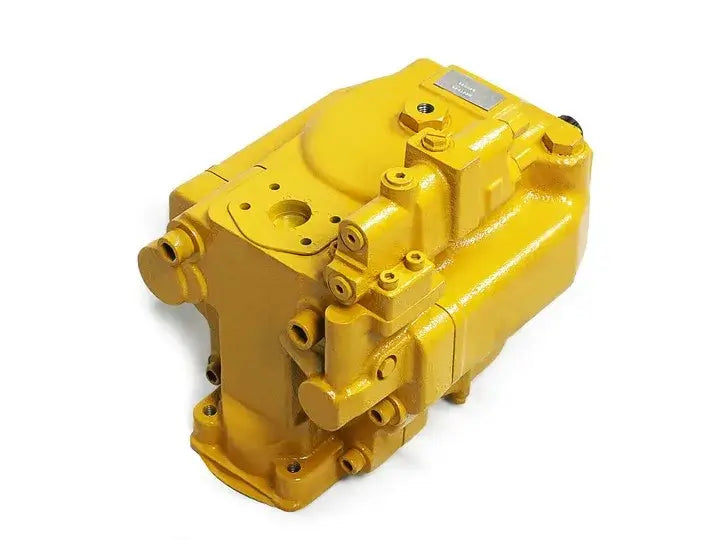
Hydraulic Piston Pump Steering Pump 6E-5650 6E5650 for Caterpillar 789B Truck
Collection:
Steering Pumps
Why the Steering Pump Sets the Performance Ceiling for the Entire Steering Circuit
Every hydraulic steering component downstream of the pump, the steering cylinder that rotates the front axle, the pressure-sensitive steering valve that modulates flow to the operator's input, the circuit that holds position under the load of a fully loaded bucket, performs only up to the limit of what the steering pump can deliver.
The hydraulic steering pump that heavy equipment relies on is not simply a device that creates pressure and passes it on. It is the continuous active source that maintains system pressure through every steering input, every load transition, and every moment the machine is running under hydraulic demand. When the pump is delivering its rated flow and pressure, the steering system has its full designed capability at every downstream component simultaneously. When the pump is operating below its rated output through internal wear, volumetric inefficiency, or mechanical deterioration, every downstream component operates with reduced hydraulic capability in direct proportion to the shortfall in pump delivery.
This is the characteristic that distinguishes steering pump condition from the wear profile of every other component in the suspension and steering assembly. A worn suspension bushing reduces alignment precision at one pivot point. A degraded tie rod end introduces play at one terminal joint. A steering pump wheel loader application depends on the fact that operating below rated output capacity reduces the capability of the entire steering circuit simultaneously, across every component that depends on it. That systemic consequence makes hydraulic steering pump maintenance on wheel loaders, motor graders, and backhoe loaders a categorically different priority decision from most other suspension and steering maintenance events.
How Steering Pump Deterioration Presents and Why It Consistently Gets Deferred
Power steering pump heavy equipment wear does not produce a sudden, obvious failure signal in most cases. It produces a gradient, a gradual reduction in delivered flow and pressure that the operator registers as increasing steering effort long before the machine loses controllable steering entirely. The practical consequence of this gradual presentation is that steering pump deterioration is one of the most consistently deferred maintenance items across heavy equipment fleet operations, not because the symptoms are absent, but because the early indicators are regularly attributed to fatigue, ground conditions, or payload characteristics rather than equipment condition.
Progressive Internal Wear: The Gradual Pressure Decline
Internal wear at the gear mesh, vane surfaces, or piston bore interface,s depending on pump design, produces a progressive increase in internal leakage. As internal leakage increases, the pump delivers a reducing proportion of its rated flow at any given shaft speed, and the system pressure it can sustain under active steering load falls progressively toward the minimum threshold required for normal circuit operation.
The operator typically registers this first as heavier steering at low engine speeds, where pump output is lower,t and the margin between delivered pressure and required circuit pressure is smallest. At higher engine speeds, the symptom is often less pronounced. Higher shaft speed partially compensates for the pump's reduced volumetric efficiency, and the steering feel approaches near-normal. This variable presentation, heavier at low rpm, near-normal at high rp,m is the characteristic that makes motor grader steering pump and wheel loader steering pump wear the most consistently misread early failure indicator across fleet maintenance programmes. The machine stays in production. The pump wear compounds. The downstream circuit operates on a progressively shrinking pressure margin with every shift.
Mechanical Failure: The Acute System Event
The second failure mode is mechanical bearing failure, seal extrusion, gear fracture, or drive shaft failure that produces an immediate and total loss of pump output. Unlike progressive wear, mechanical failure does not offer a graduated warning interval. The transition from operational to fully failed occurs within a single operating event, and the machine loses power-assisted steering immediately.
On a loaded wheel loader or motor grader, the immediate loss of power steering is a site safety event. The front-end weight and payload load mean the manual effort required to steer without hydraulic assistance is beyond normal operator capacity in many real operating positions, particularly on a ramp, adjacent to an excavation edge, or within a confined material handling zone. Monitoring pump condition and scheduling a steering pump replacement loader at the first confirmed indicator of advancing wear is the preventive intervention that eliminates this scenario from the site's incident exposure.
Complete Replacement or Seal Kit: What the Pump's Condition Determines
The decision between a full replacement unit and a steering pump seal kit heavy equipment rebuild follows the condition of the pump's internal wear surfaces, not simply the nature of its external presentation or the cost differential between the two options alone.
A seal kit rebuild is the appropriate intervention when:
- Internal wear surfaces at the gear mesh, vane, or piston interfaces are confirmed within serviceable tolerance by a qualified hydraulic technician; a visual assessment alone is insufficient to confirm this.
- External presentation is oil weep at the shaft seal, end plate gasket, or port fittings, without evidence of internal bypass measurable at the pressure relief circuit.
- Flow and pressure output testing confirm delivery within the acceptable range of the rated specification after seal replacement.
- No mechanical damage is present at the drive coupling, shaft bearing, or internal rotating assembly.
A complete replacement steering pump is required when:
- Internal wear is confirmed beyond serviceable tolerance, producing an internal bypass that seal replacement alone cannot address.
- Mechanical damage is confirmed at any internal component bearing, gear, vane, or drive shaft, regardless of whether external presentation suggested only a seal failure.
- A steering pump seal kit replacement has already been performed within the current service period,d and the pump is presenting a repeat failure event.
- Pump output cannot be confirmedwith then rated specification under test conditions following seal replacement.
We stock both complete hydraulic power steering pump loader replacements and seal kit configurations for all supported platforms, and can confirm which option is appropriate for your specific application and pump condition before any order is placed.
Machine Platforms We Cover
Our steering pump inventory for heavy equipment is catalogued and stocked across the following OEM platforms:
Caterpillar (Cat)
- Cat 966 steering pump — wheel loader hydraulic steering circuit, complete replacement units, and seal kit options stocked.
- Cat 140 grader steering pump motor grader hydraulic steering circuit, full replacement and seal kit configurations available.
- Cat steering pump range across the Cat 900-series wheel loader and Cat 140-series motor grader platforms for additional model configurations.
Komatsu
- Komatsu WA380 steering pump wheel loader hydraulic steering circuit, complete replacement and seal kit options stocked.
- Komatsu steering pump range for WA-series wheel loader platforms across additional model configurations where the OEM design uses a dedicated steering pump circuit.
Volvo
- Volvo steering pump assemblies for articulated dump truck and wheel loader platforms, complete replacement and seal kit options available.
JCB
- JCB steering pump assemblies for the JCB 3CX backhoe loader and JCB wheel loader series, complete replacement and seal kit configurations are stocked.
Case
- Case steering pump units for backhoe loader and wheel loader hydraulic steering circuits, complete replacement and seal kit options available.
If your machine is not listed above, contact our team with the serial number, and we will confirm the correct displacement, pressure rating, and port configuration before any order is placed.
Six Field Indicators That a Steering Pump Requires Immediate Attention
- Increased steering effort at low engine speeds that is not attributable to ground conditions or payload heavier-than-normal steering effort at low rpm in conditions where the machine has previously handled normally is the earliest and most consistent indicator of progressive internal wear in a heavy equipment power steering pump. It should never be attributed to operator fatigue or site conditions without first confirming pump output.
- A groaning or whining noise from the pump body during active steering inputs is cavitation noise, bearing noise, or fluid-starvation sounds from the pump assembly during steering, and are mechanical indicators requiring immediate inspection, not deferred monitoring. These sounds confirm the pump is operating outside its normal hydraulic conditions and damage is accumulating with every cycle.
- Oil weep or active leakage at the shaft seal, end plate, or port fittings, or any external fluid weep from the pump body confirms seal integrity is compromised. Continued operation accelerates internal wear and risks introducing degraded fluid into the downstream steering cylinder circuit.
- Foam or aeration visible in the hydraulic fluid reservoir after a period of active steering operation, aerated fluid confirms the pump is drawing air into the suction circuit, either through a suction hose integrity failure or a reservoir fluid level that has dropped below the minimum operating threshold. Both conditions require immediate resolution before the pump sustains internal damage from dry running at the bearing and seal interfaces.
- Steering cylinder response that is sluggish or lagging despite confirmed cylinder seal integrity when the steering cylinder has been inspected, and its internal condition confirmed serviceable, the source of reduced steering circuit response is upstream. The backhoe steering pump or wheel loader steering pump is the first upstream component to assess when the downstream component condition has already been eliminated as the cause.
- A sudden total loss of power-assisted steering during operation, and an immediate and complete loss of steering assistance, is a mechanical failure event. The machine must be removed from production immediately, and a replacement steering pump must be installed and pressure-tested before any return to loaded operation under any conditions.
Frequently Asked Questions
The machine model and serial number allow us to match the correct displacement, pressure rating, and port configuration to the OEM parts list for your specific platform. Share those details with our team,m and we will confirm the correct unit before any order is placed.
No. Hydraulic pump rebuilds require clean working conditions, precision measurement of internal wear surfaces, and a post-rebuild flow and pressure test before return to service. Field rebuilds introduce contamination that destroys internal seals and wear surfaces within a short operating period, producing a repeat failure faster than the original event.
The two most common causes are contaminated hydraulic fluid and sustained operation below the minimum reservoir fluid level. Both introduce abrasive material or air into the pump's internal circuit, accelerating internal wear at a rate far beyond the normal service life the assembly was designed to deliver under clean operating conditions.
Yes, provided the aftermarket unit is manufactured to OEM-equivalent displacement, pressure rating, port configuration, and seal specification for the specific application. We confirm all four variables against the OEM parts list before supplying any aftermarket steering pump for a supported model.
Most orders are dispatched within 24 to 48 hours of confirmed payment and ship to all locations worldwide. Express freight options are available for urgent breakdown situations. Contact us in advance for less common model specifications to confirm stock availability before your order is placed.