Sintered Versus Organic Friction Material: The Decision That Determines Service Life
Friction material grade selection is the most consequential specification decision in a clutch plate order for heavy equipment, and it is the one most frequently made on the basis of what the previous plate was rather than what the operating conditions of the machine actually demand. The two primary friction material categories available across our clutch plate range serve fundamentally different operating profiles:
Sintered Clutch Plates
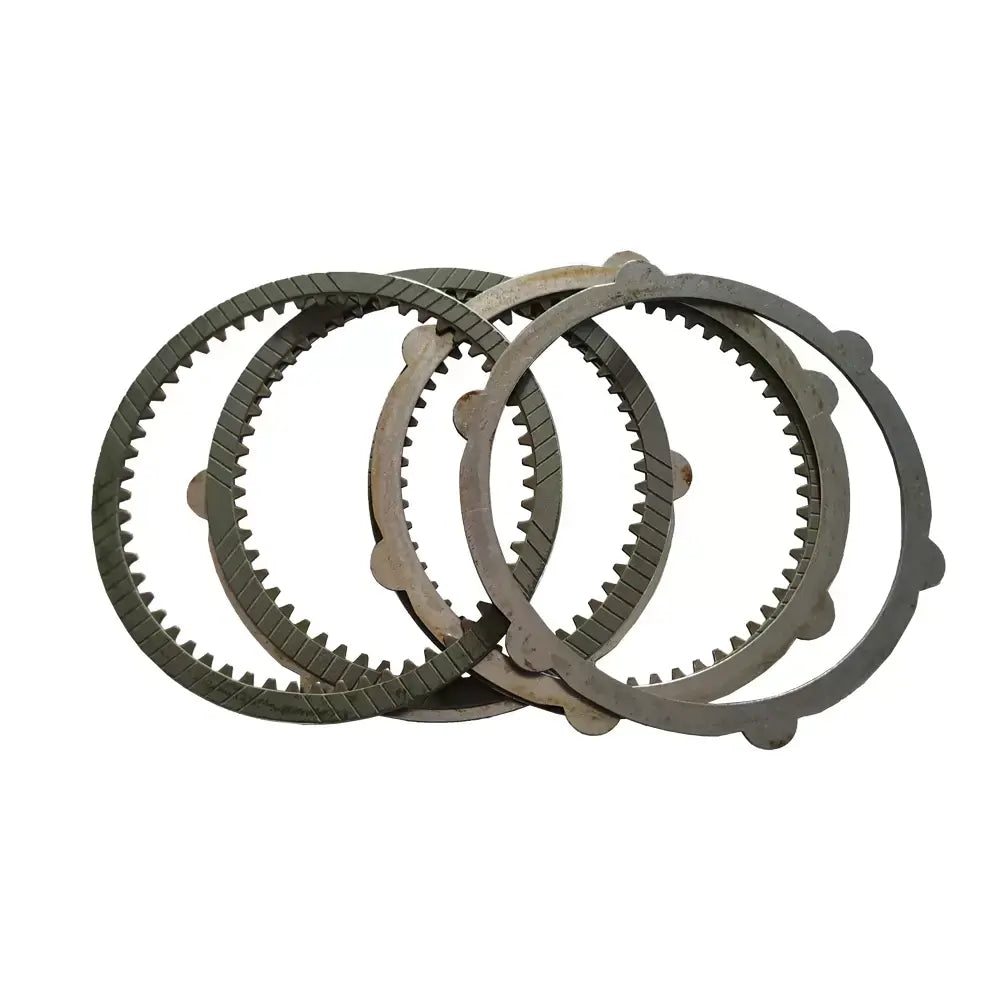
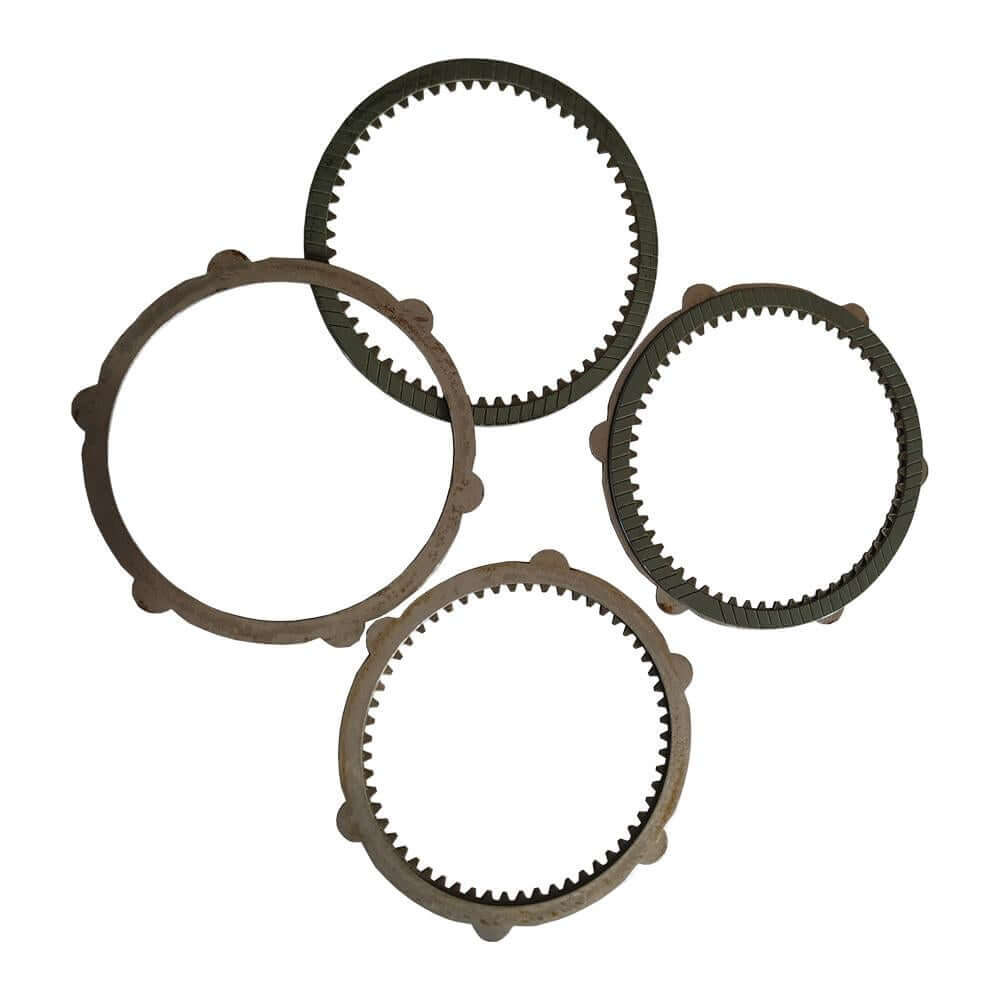
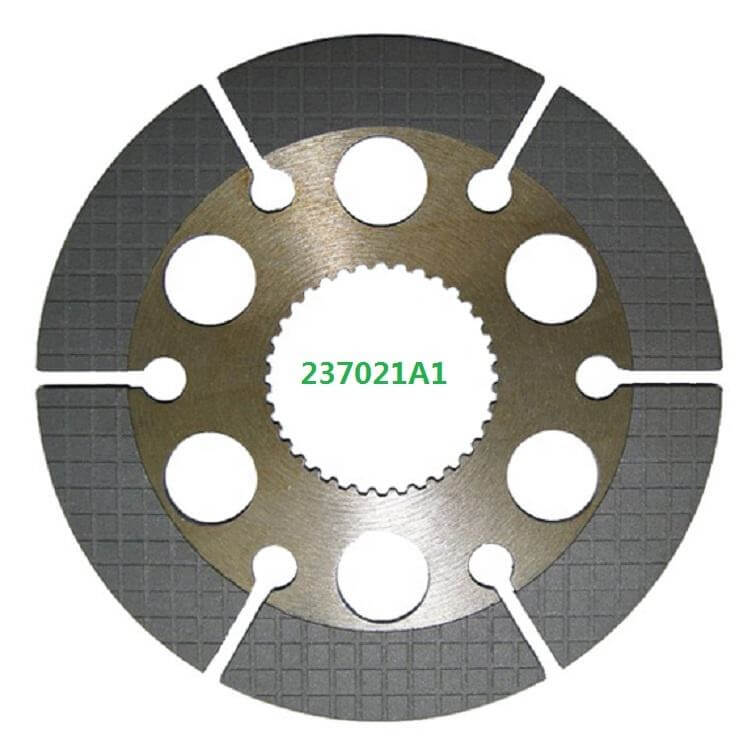
A sintered clutch plate is manufactured by compressing metallic powder, typically a copper-based compound with additional friction modifiers, under high pressure and temperature to produce a friction surface with a consistent, predictable friction coefficient that is largely independent of operating temperature. This thermal stability is the defining characteristic that makes sintered friction material the correct choice for heavy equipment applications:
- High engagement energy per cycle, where the clutch engages from a stationary position against full ground resistance on every push cycle
- Sustained high transmission temperatures where organic friction material would glaze and lose friction coefficient within the operating shift
- High-frequency engagement cycles in loader applications where the number of engagement events per operating hour exceeds the thermal recovery rate of an organic friction material
- Wet clutch pack applications, where the friction material operates submerged in transmission fluid and requires a surface compound engineered for fluid-immersed friction rather than dry engagement
- The sintered clutch plate produces a firmer, more abrupt engagement feel than organic material, which is correct for the heavy equipment applications it serves, where precise slip control is not required, and full engagement under load is the performance objective.
Organic Friction Disc
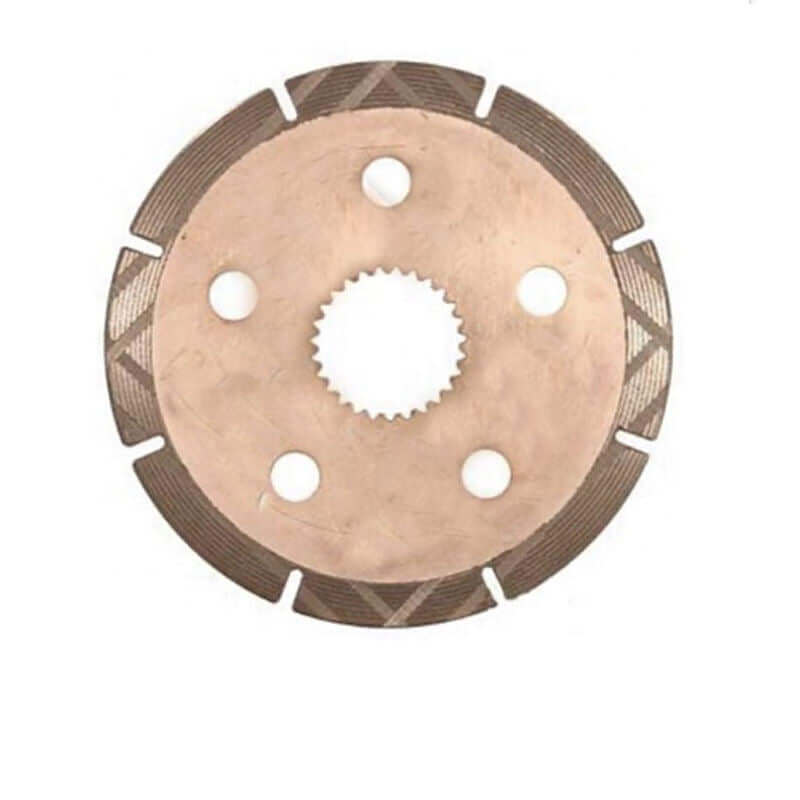
An organic friction disc uses a resin-bonded composite friction material, typically incorporating cellulose fibre, rubber compounds, and friction modifiers that deliver a progressive, modulated engagement feel across a wider slip speed range than sintered material. Organic friction material is the correct choice for:
- Lighter-duty applications where engagement energy per cycle is within the thermal capacity of the organic compound
- Applications where clutch modulation is operationally important, and the progressive engagement characteristic of organic material contributes to control quality
- Machines operating in ambient temperature environments where sustained transmission overheating is not a routine operating condition
Organic friction material reaches its wear limit faster than sintered material in high-energy engagement environments, which is why fitting an organic friction disc to a high-cycle dozer or loader application produces a service interval considerably shorter than the machine's maintenance schedule was designed around. If your previous friction disc was organic and the machine is exhibiting premature wear, a sintered clutch plate is likely the more appropriate specification for your operating conditions.
CAT Clutch Plate Coverage
CAT Dozer and Track Equipment Clutch Plates
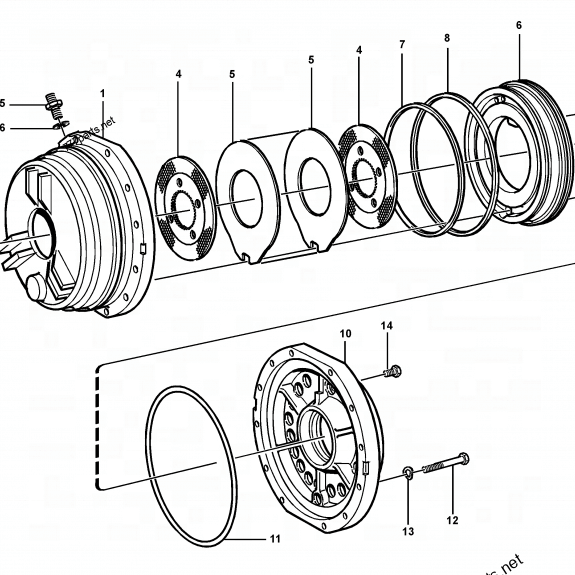
The cat clutch plate range at Imara Engineering covers the main drive clutch and steering clutch applications across the CAT D-series dozer line, where the clutch system performs two distinct functions: main drive engagement for transmission input, and steering clutch disengagement for directional control. These are separate assemblies with different plate diameters, friction material grades, and spline configurations, and they are not interchangeable between positions even on the same machine.
Cat clutch plate specifications for D-series dozer main drive applications are available in sintered and organic friction material variants, with the sintered grade recommended for machines operating in high-resistance ground conditions where engagement energy per cycle is consistently at the upper end of the clutch design envelope. Steering clutch friction discs for CAT D-series dozers are available as a separate specification within this range, with plate count and friction area matched to the steering clutch housing dimensions of the specific dozer variant.
CAT Excavator and Loader Clutch Plates
CAT excavator and loader clutch plate applications operate on a single-axis drive clutch arrangement, with friction disc specifications determined by the machine's transmission input torque rating and the clutch housing dimensions of the specific platform. The cat clutch plate variants in our range for excavator and loader applications are available in both sintered and organic friction materials, with the appropriate grade recommended based on the machine's operating cycle and the engagement frequency of the specific application.
Komatsu Clutch Plate Coverage
Komatsu Dozer Clutch Plates
Komatsu D-series dozer clutch plate applications include both the main drive clutch and the steering clutch pack configurations used across the TorqFlow drivetrain. The Komatsu clutch plate range at Imara Engineering covers friction disc and clutch drive plate replacements for both clutch functions, with friction material grades and plate dimensions confirmed against machine serial number to ensure the correct specification for the specific D-series variant.
Komatsu steering clutch applications in particular require careful friction material grade selection because the engagement and disengagement cycle of a steering clutch produces sustained frictional heating at the plate interface during cornering manoeuvres, a thermal load profile that organic friction material is not well suited to in high-intensity dozing cycles.
Komatsu Excavator and Wheel Loader Clutch Plates
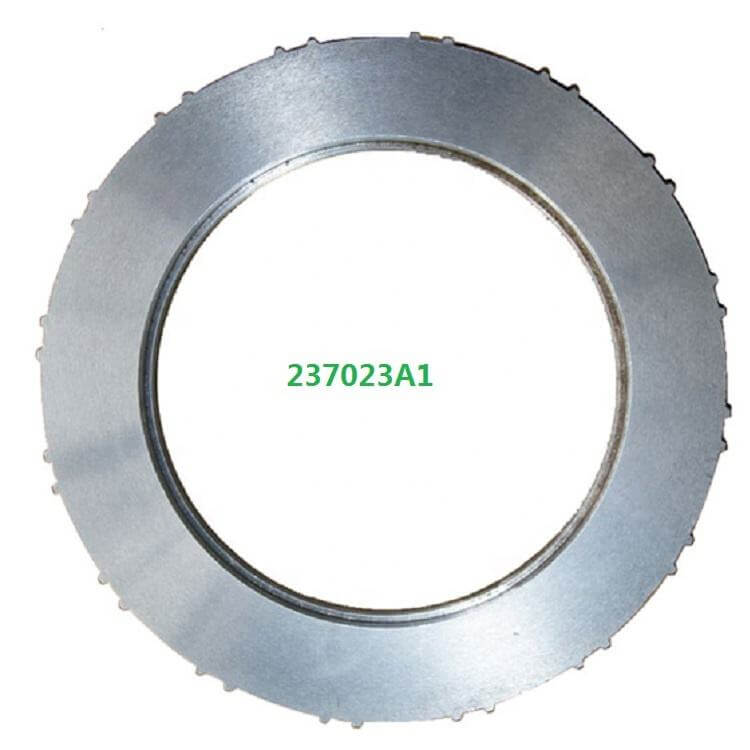
Komatsu clutch plate coverage for PC-series excavators and WA-series wheel loaders covers the drive clutch friction disc and steel separator plate configurations used within the transmission input clutch assembly across those platforms. Friction disc heavy equipment replacements for Komatsu wheel loaders are available in heat-tolerant sintered compounds suited to the high-cycle engagement demands of loader operational patterns, with plate diameter and spline specifications confirmed against machine serial number before each order.
Identifying Clutch Plate Wear Before Secondary Damage Occurs
Clutch plate wear produces a progressive sequence of symptoms that allow the repair to be scheduled before the worn friction material generates secondary damage costs in the flywheel, pressure plate, and transmission input shaft. The following sequence describes the fault progression and the point at which each symptom appears:
-
Clutch slips under peak load: The friction disc can no longer transmit full engine torque to the drivetrain at the point of maximum load engagement. The machine hesitates, engine speed rises without a corresponding increase in ground speed, and the slip event generates heat at the friction interface. This is the earliest reliable indicator of friction material approaching its service limit
-
Engagement judder: As the friction material wears unevenly across the plate face, the engagement event becomes irregular, the clutch engages in a series of grip-and-slip micro-events rather than a smooth progressive engagement, producing a shudder through the drivetrain during clutch take-up
-
Clutch drag after release: A warped or heat-damaged friction disc that has reached the end of its service life may not release cleanly from the flywheel face, producing a dragging sensation in the drivetrain after the pedal is fully released and generating heat in the clutch housing during travel
-
Burning smell from the clutch housing: Advanced friction material wear exposing the backing plate to direct flywheel contact produces a characteristic burning smell that confirms the friction material has worn through, and secondary damage to the flywheel and pressure plate is imminent
-
Metallic noise during engagement: Direct contact between the backing plate and the flywheel or pressure plate face produces a metallic scraping or grinding sound during engagement. At this stage, flywheel resurfacing and pressure plate replacement are required alongside the clutch plate replacement
Addressing the repair at stage one or two limits the repair scope to the friction disc. Stages four and five require the Pressure Plates and potentially the flywheel to be assessed and replaced alongside the clutch plates.