What Does a Transmission Seal Kit Contain?
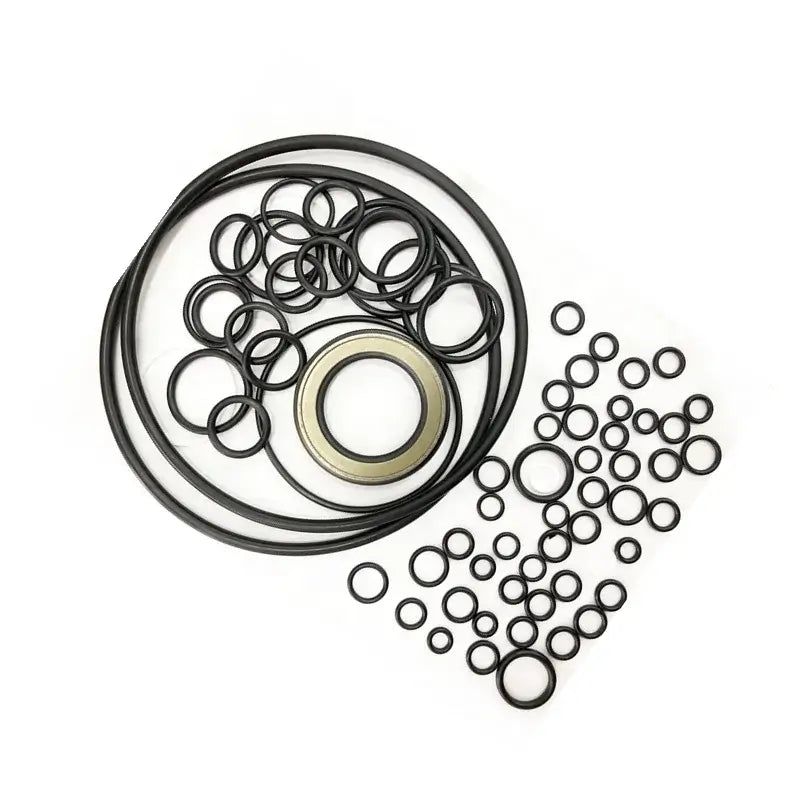
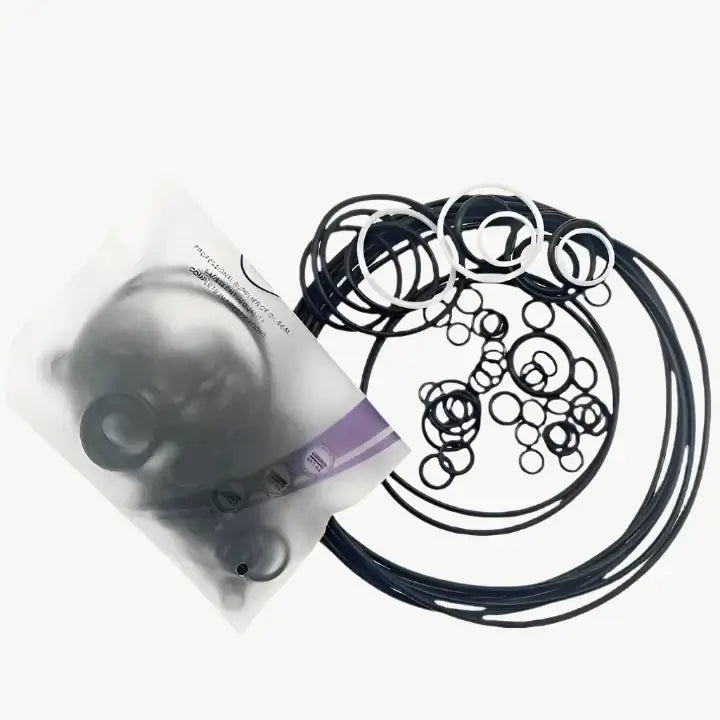
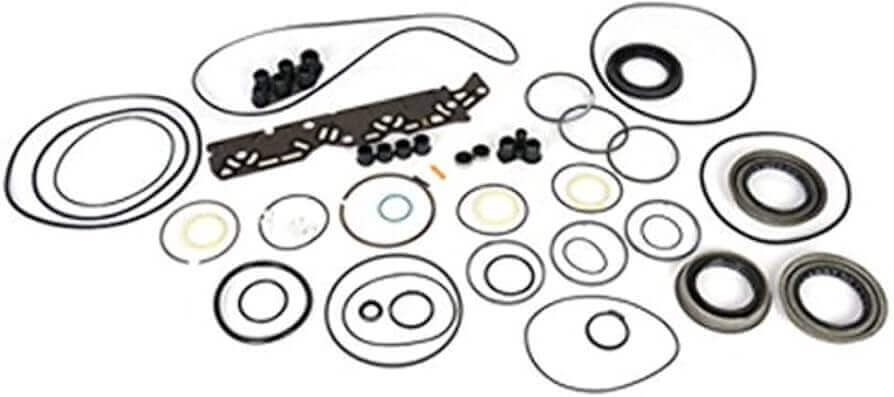
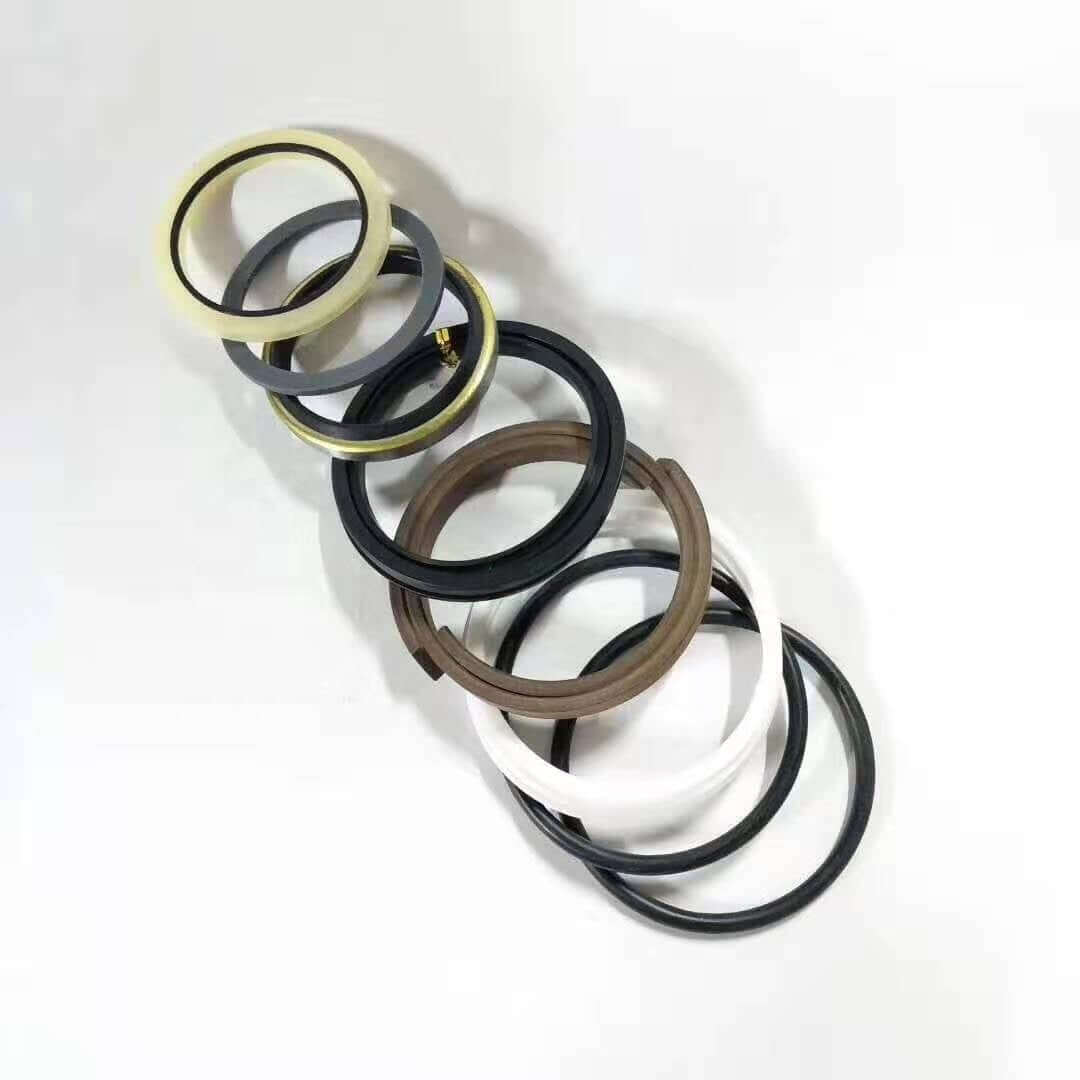
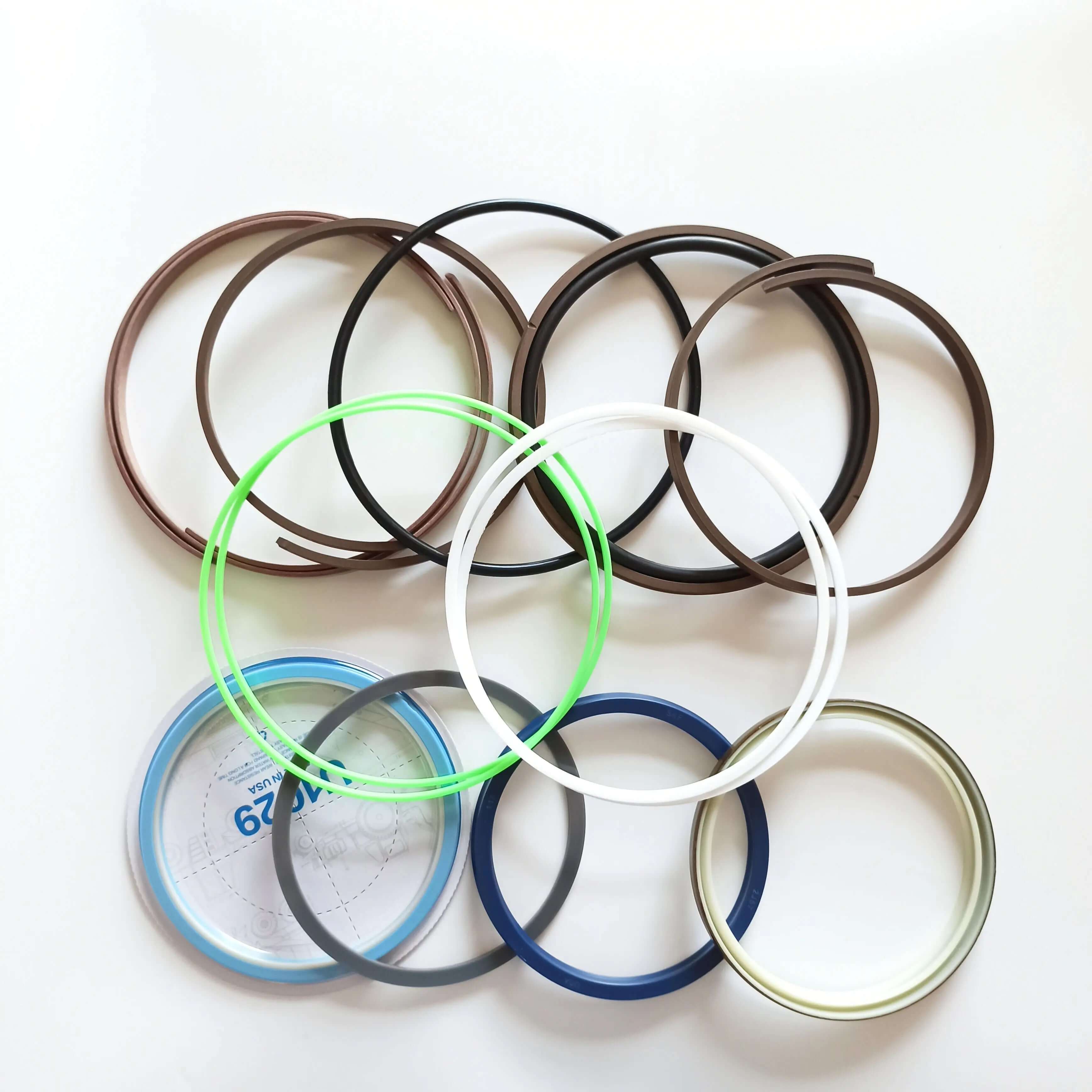
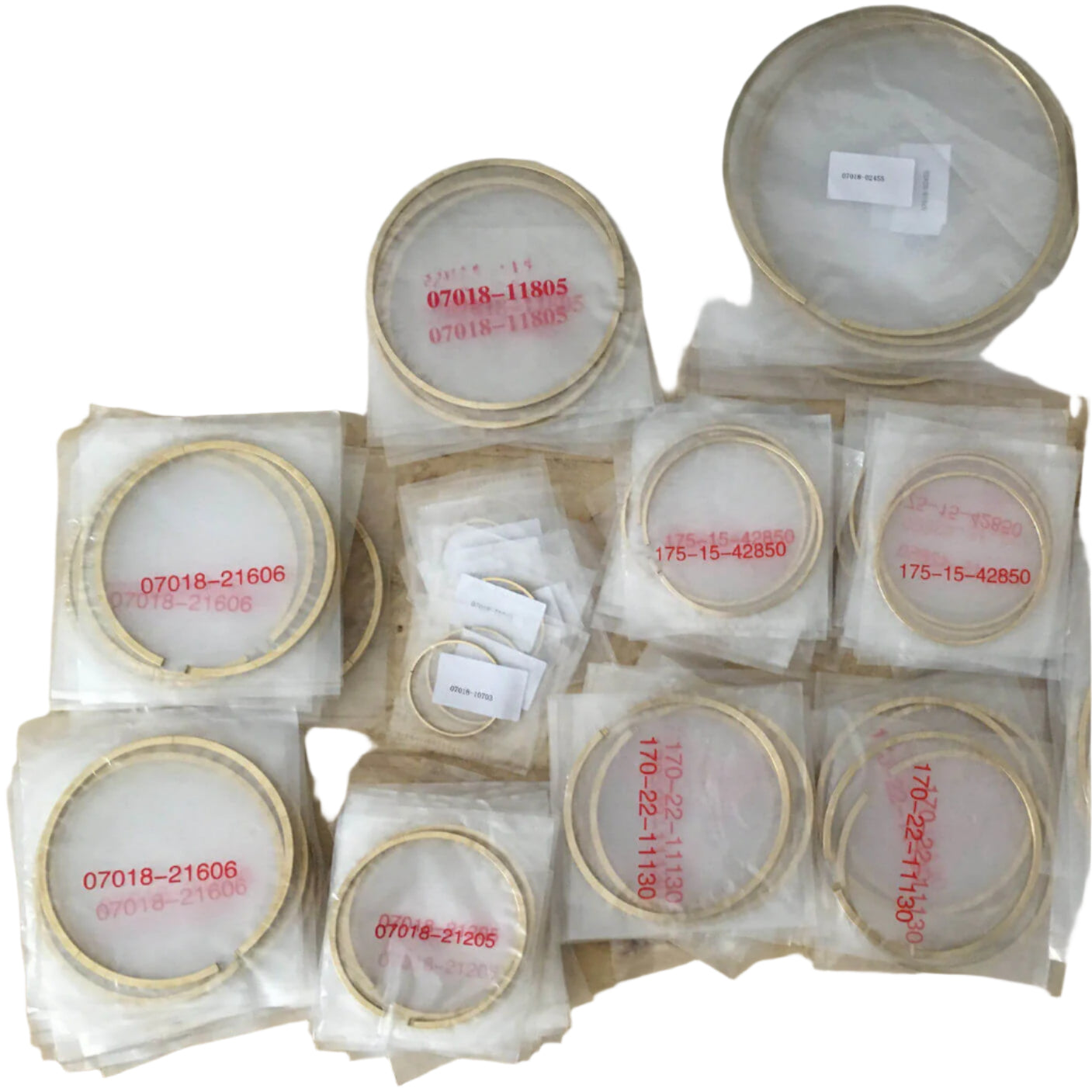
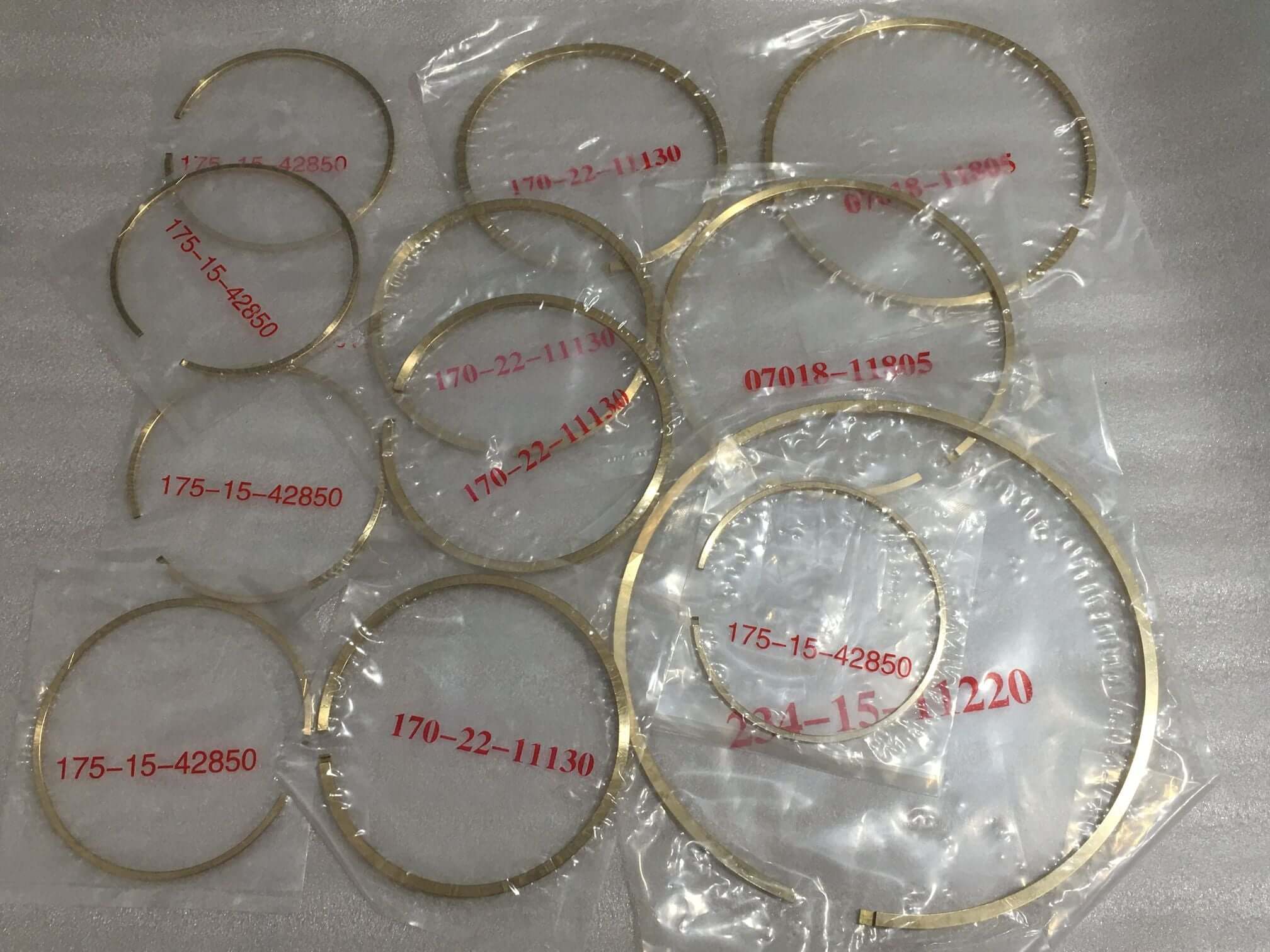
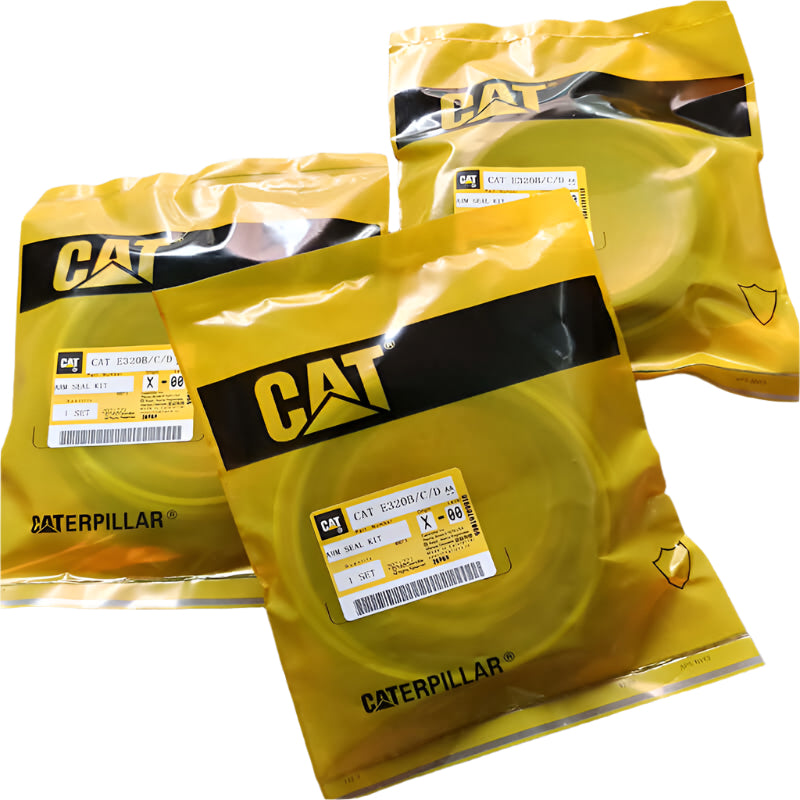
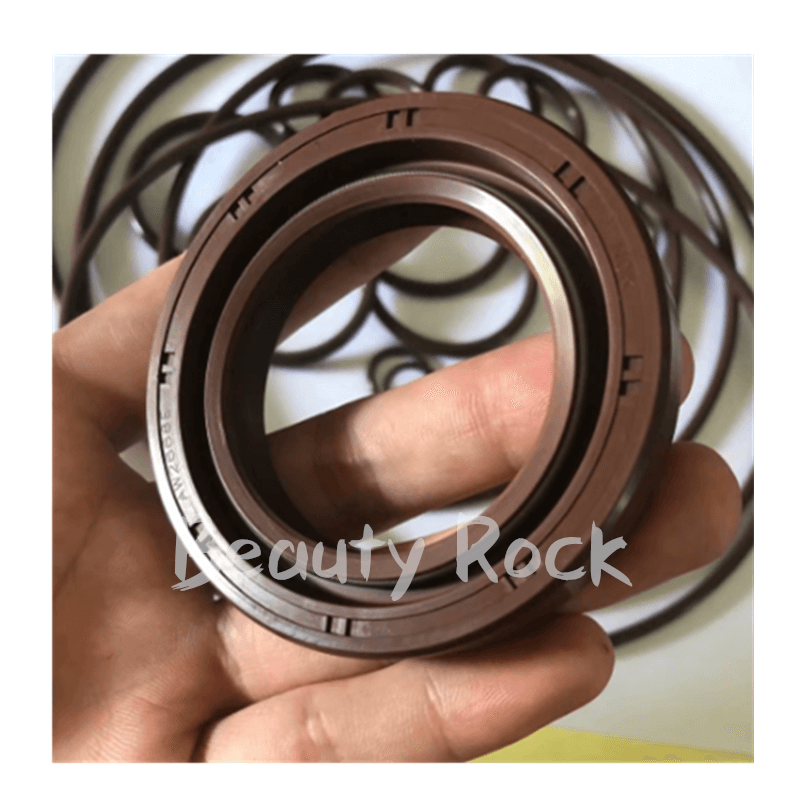
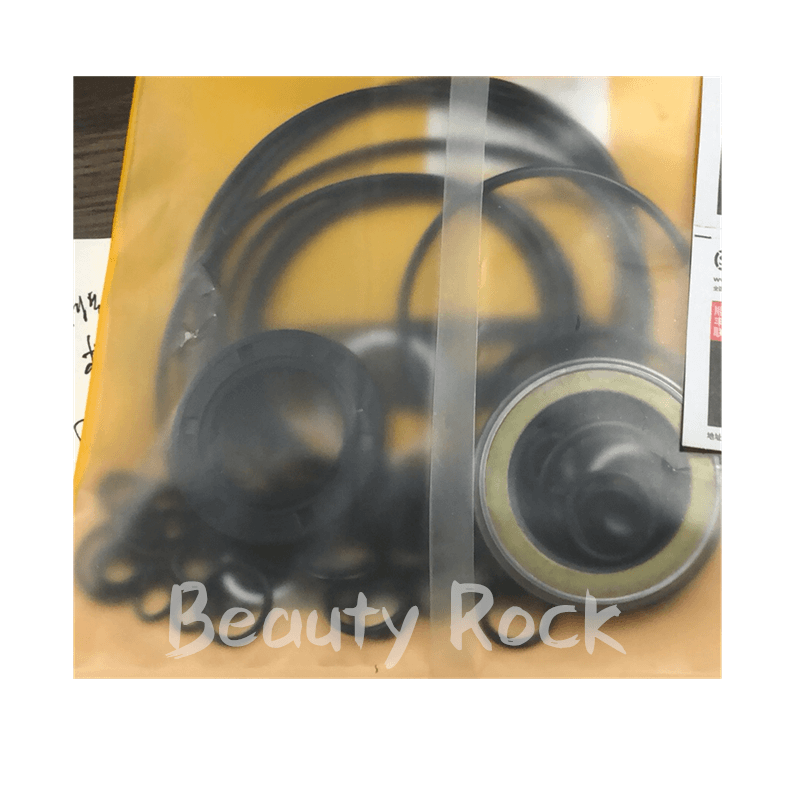
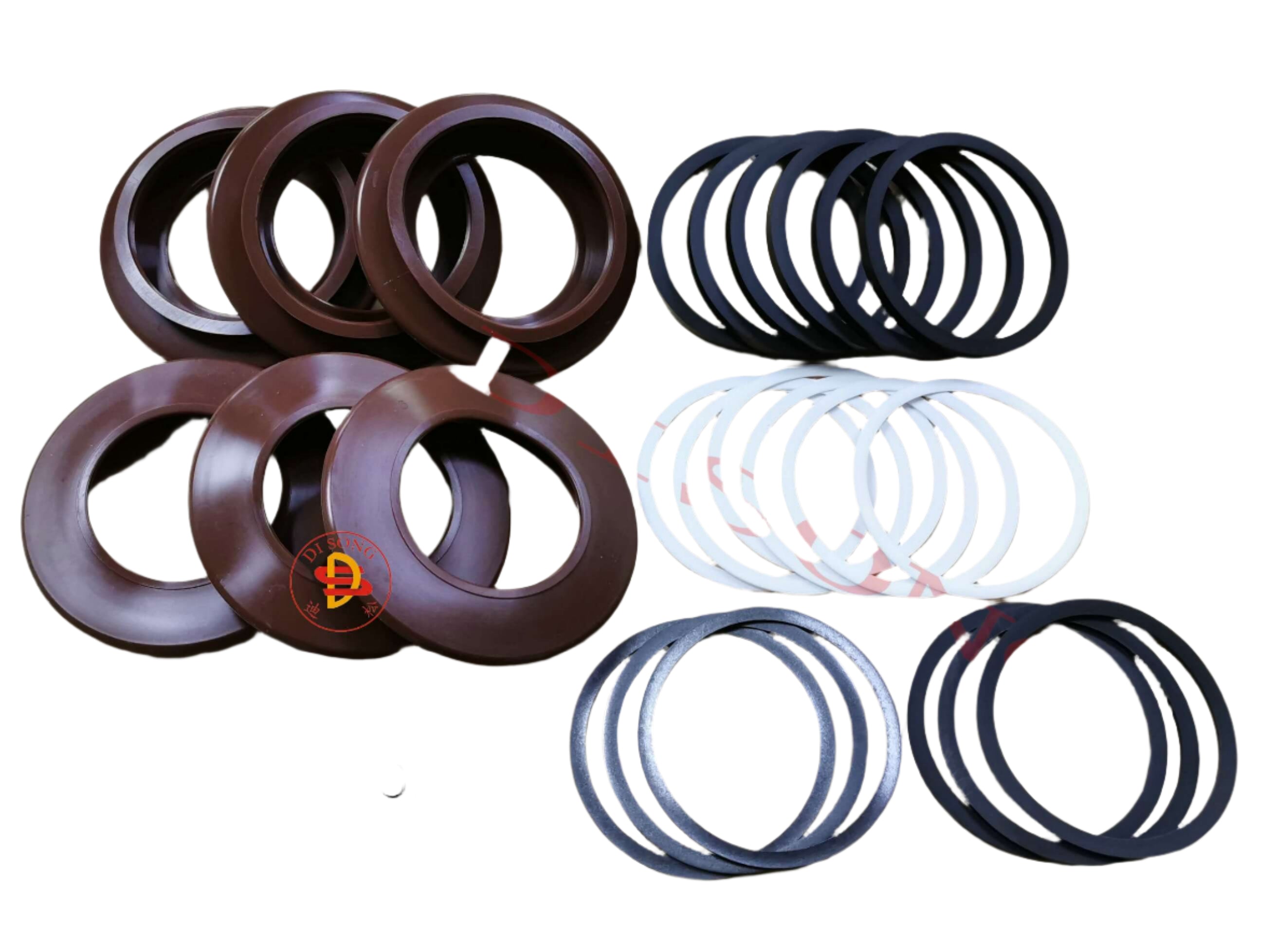
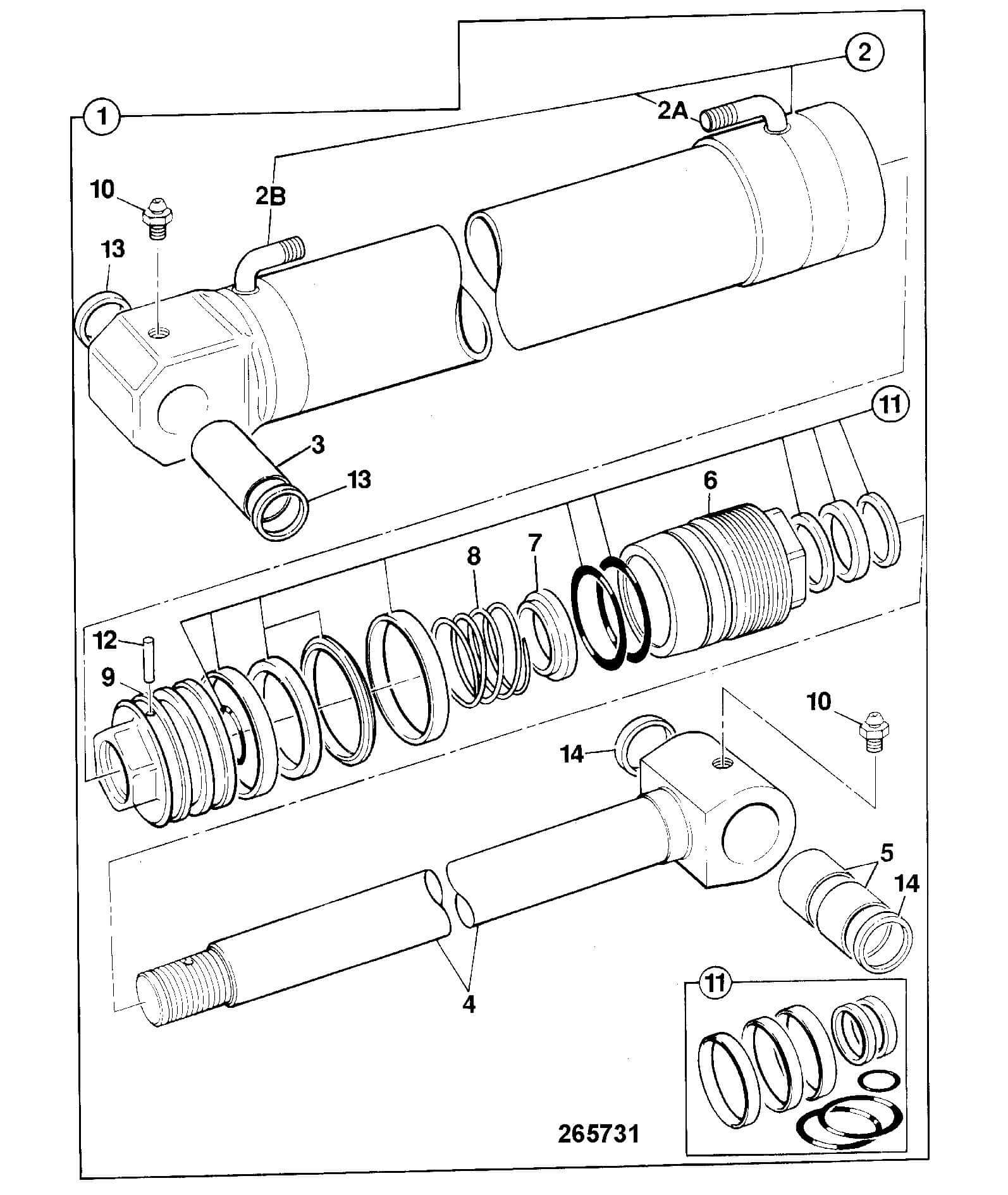
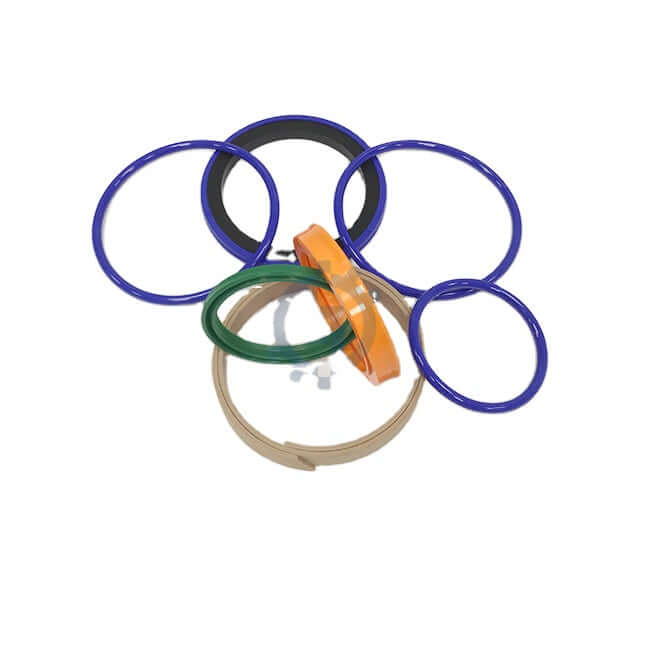
A complete transmission seal kit supplies all the sealing components required for a full final drive gearbox seal overhaul in a single, dimensionally matched supply. A standard kit contains:
-
Floating Seal Assembly — The primary sealing unit between the rotating sprocket hub and the fixed track frame on the final drive outer face. The floating seal, also called a duo-cone seal or metal face seal, is the most critical sealing component in the final drive assembly, preventing gearbox oil from migrating outward into the track frame and external contamination from entering the gearbox. Floating seal failure is the most common cause of gearbox oil loss on excavator final drives.
-
Motor-to-Gearbox Interface Seal — The shaft seal and o-ring set at the interface between the hydraulic travel motor output shaft and the planetary gearbox input, preventing hydraulic oil from migrating from the motor chamber into the gearbox oil. This seal is the primary cause of gearbox oil contamination when it fails, allowing hydraulic fluid and gearbox lubricant to mix and destroy gearbox lubrication quality.
-
Cover Plate O-Rings and Gaskets — Sealing components at all gearbox cover plate faces, inspection plugs, and oil fill and drain ports, preventing external gearbox oil leakage from the planetary housing faces.
-
Output Shaft Seals — Seals at the gearbox output shaft and sprocket mounting interface, maintaining gearbox oil containment at the highest-torque output point of the final drive assembly.
-
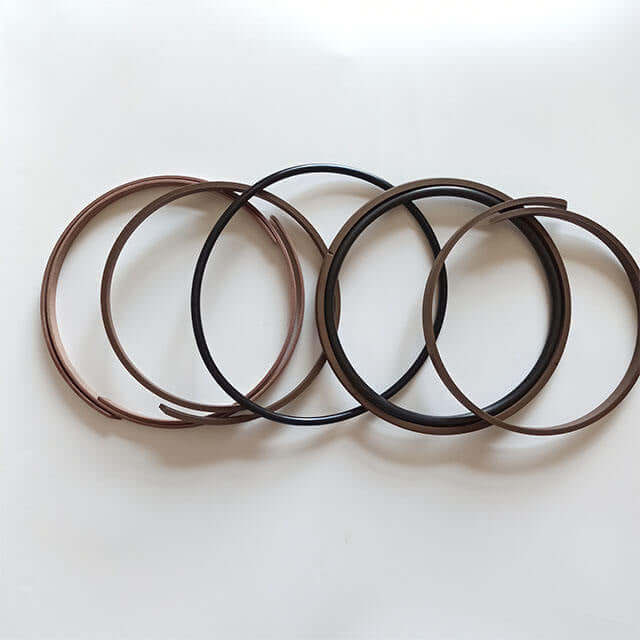
Back-Up Rings — Anti-extrusion support rings at high-pressure seal interfaces within the motor-to-gearbox transition zone.
-
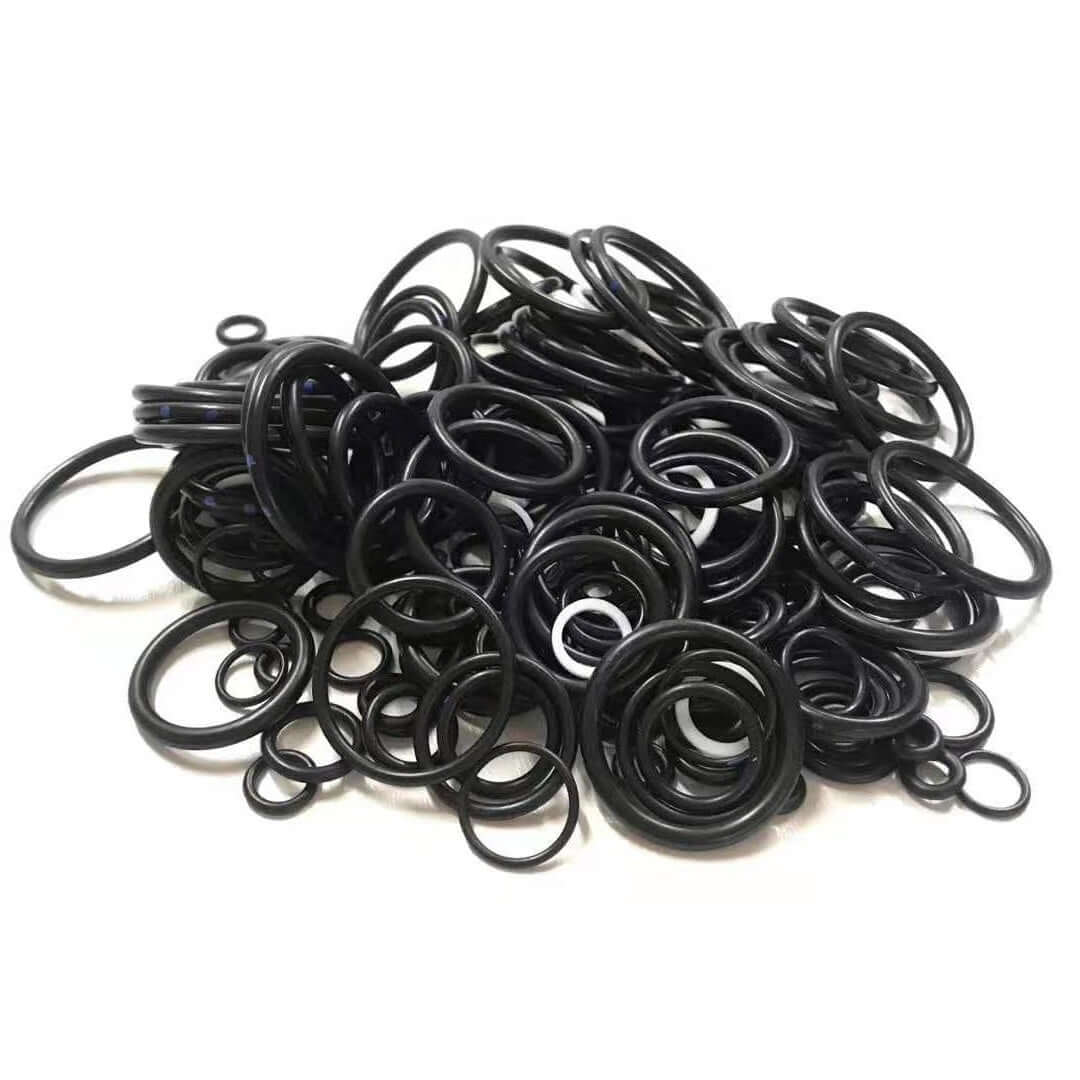
O-Ring Assortment — All remaining o-rings throughout the gearbox assembly for a complete, comprehensive seal overhaul in a single kit supply.
Understanding Final Drive Gearbox Oil Contamination
Final drive gearbox oil contamination is the single most damaging consequence of transmission seal failure and understanding how it progresses helps explain why prompt seal replacement is so critical:
When the motor-to-gearbox interface seal fails, hydraulic oil from the travel motor chamber migrates into the gearbox oil. Hydraulic oil is not a gear lubricant it does not carry the anti-wear additives, extreme pressure compounds, or viscosity characteristics required to protect planetary gears and bearings under the high-torque, slow-speed conditions inside the final drive reduction stages. As the hydraulic oil dilutes the gearbox lubricant, the oil film protecting gear faces and bearing surfaces thins progressively, initially increasing wear rates, then accelerating to the point of metal-to-metal contact, spalling, and eventual gear or bearing failure.
The insidious aspect of this progression is that it produces no external symptoms until the gearbox damage is already advanced; the machine continues to travel normally until bearing or gear failure causes a sudden and complete final drive breakdown. Regular gearbox oil sampling, checking for discolouration, milky appearance, or hydraulic fluid odour at the correct service intervals, is the only reliable early detection method. Addressing seal failure at the oil inspection stage costs a seal kit; missing it costs a complete final drive assembly.
Common Symptoms of Transmission Seal Failure
Transmission seal degradation produces a combination of observable and measurable symptoms. Monitor your machine for these key indicators:
-
Milky or discoloured gearbox oil on inspection — The most reliable early indicator. Gearbox oil that appears milky, grey, or carries a hydraulic fluid odour on the dipstick or drain plug confirms motor-to-gearbox seal failure and hydraulic oil ingress into the lubrication circuit.
-
Gearbox oil level dropping between service intervals — Progressive oil loss from a floating seal failure causes the gearbox oil level to fall, reducing lubrication to the planetary gears and bearings below the minimum safe level.
-
Oil visible at the sprocket hub or track frame interface — External gearbox oil leakage at the outer face of the final drive indicates floating seal failure — the most visually obvious transmission seal fault on a working machine.
-
Abnormal noise from the final drive during travel — Grinding, knocking, or whining from the track drive area during travel indicates advanced gearbox bearing or gear wear resulting from prolonged contaminated lubrication.
-
Overheating at the final drive housing — Degraded gearbox lubrication from oil contamination or level loss causes increased internal friction, generating abnormal heat at the final drive housing during operation.
-
Metallic particles in gearbox oil sample — Metal contamination in a drained oil sample confirms active bearing or gear face wear the direct consequence of sustained operation with contaminated or insufficient gearbox lubrication.
Transmission Seal Kit Models We Supply
Imara Engineering supplies transmission seal kits for a wide range of excavator final drive models and production series. Our most commonly supplied kits include:
-
Komatsu — PC200-7, PC200-8, PC210-8, PC300-7, PC300-8, PC360-7, PC400-7, PC400-8, PC450-8
-
Caterpillar (CAT) — 320C, 320D, 320D2, 323, 325C, 325D, 330C, 330D, 336D, 336E
-
Hitachi — ZX200-3, ZX210-3, ZX300-3, ZX330-3, ZX450-3, ZX500-3, EX200-5, EX300-5
-
Volvo — EC210B, EC240B, EC290B, EC380, EC480, EC700
-
Doosan — DX225LC, DX300LC, DX380LC, DX480LC
-
Kobelco — SK200-8, SK300, SK350-8, SK480, SK850
-
Hyundai — R210LC-9, R290LC-9, R380LC, R480LC
-
Case — CX210, CX300, CX350, CX470
-
Bobcat — E35, E50, E85 compact excavator range
Cannot find your final drive model listed? Contact our parts team with your machine serial number, final drive type, and OEM part number, and we will confirm the correct transmission seal kit immediately
Transmission Seal Kit Installation: Key Requirements
A successful final drive seal rebuild requires careful preparation and correct technique to ensure full oil containment is restored across all gearbox sealing interfaces. These are the critical installation requirements:
-
Drain and analyse gearbox oil before disassembly — A full oil drain and visual inspection for contamination and metallic particles before committing to a seal rebuild confirms whether gearbox internal components are serviceable or whether complete assembly replacement is required.
-
Inspect floating seal faces before installation — The hardened metal face seal rings of the floating seal must be free of scoring, pitting, and flatness deviation. Any surface damage on the seal face rings prevents correct sealing regardless of o-ring condition — replace the complete floating seal assembly if face ring condition is suspect.
-
Clean all mating surfaces thoroughly — Remove all traces of old seal material, sealant, and contamination from housing faces, seal grooves, and shaft surfaces before installing new seals to ensure correct seating and full surface contact.
-
Install floating seals as matched pairs — Floating seal assemblies must be installed as matched pairs with both face rings from the same kit — never mix a new ring with a used ring as the matched lapping between faces is critical to sealing performance.
-
Refill with correct gearbox lubricant to the specified level — Always refill the final drive with fresh gear oil to the manufacturer's specified type and level after any seal rebuild — never return the machine to service with contaminated oil regardless of seal condition.
-
Check for leakage after initial run-in — Inspect all seal interfaces after the first operating period following rebuild to confirm correct sealing before the machine returns to full duty cycle.
Related Hydraulic Parts You May Need
Transmission seal kit replacement frequently connects to wider undercarriage and drivetrain servicing. Consider sourcing these components alongside your transmission seal kit:
- Travel Motors — Inspect travel motor internal condition simultaneously when gearbox oil contamination confirms motor-to-gearbox seal failure, the motor may require rebuild or replacement alongside the transmission seal kit
- Motor Seal Kits — Replace travel motor shaft seals at the same service event as the transmission seal kit for a complete final drive sealing overhaul
- Center Joint Seal Kits — Inspect center joint seal condition simultaneously during any undercarriage hydraulic service event
- Hydraulic Hoses & Pipes — Inspect and replace travel motor feed hoses and undercarriage circuit hoses disturbed during final drive disassembly
- O-Ring Kits — Supplement the transmission seal kit with an o-ring assortment for all port connections and circuit seals disturbed during the final drive rebuild