

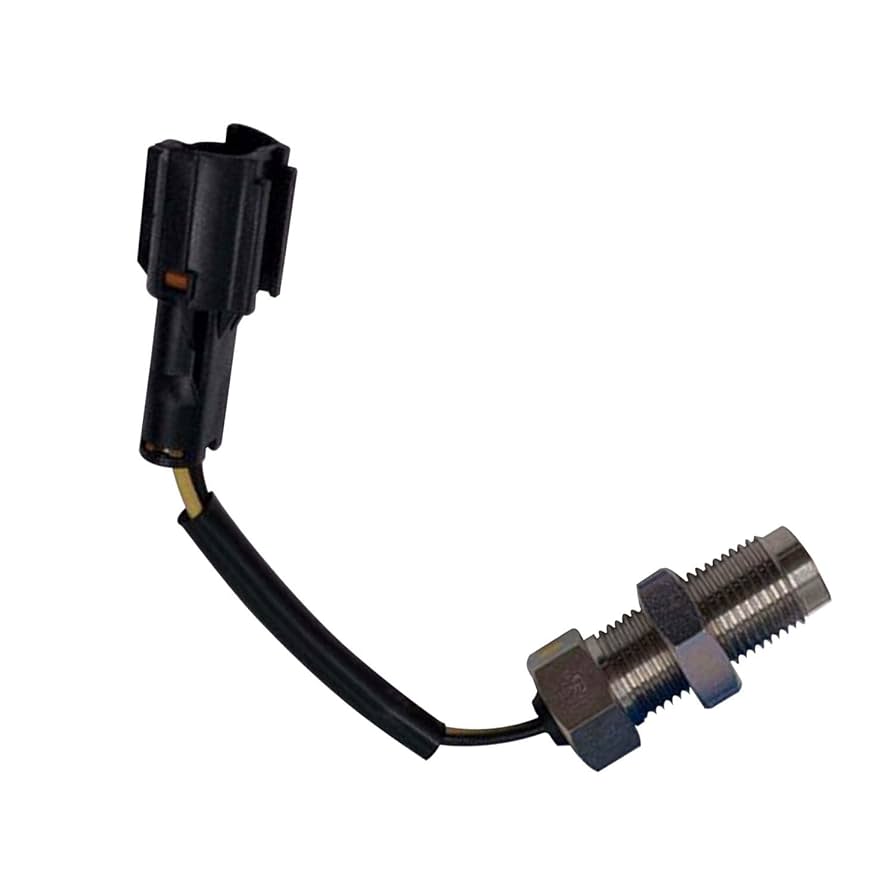
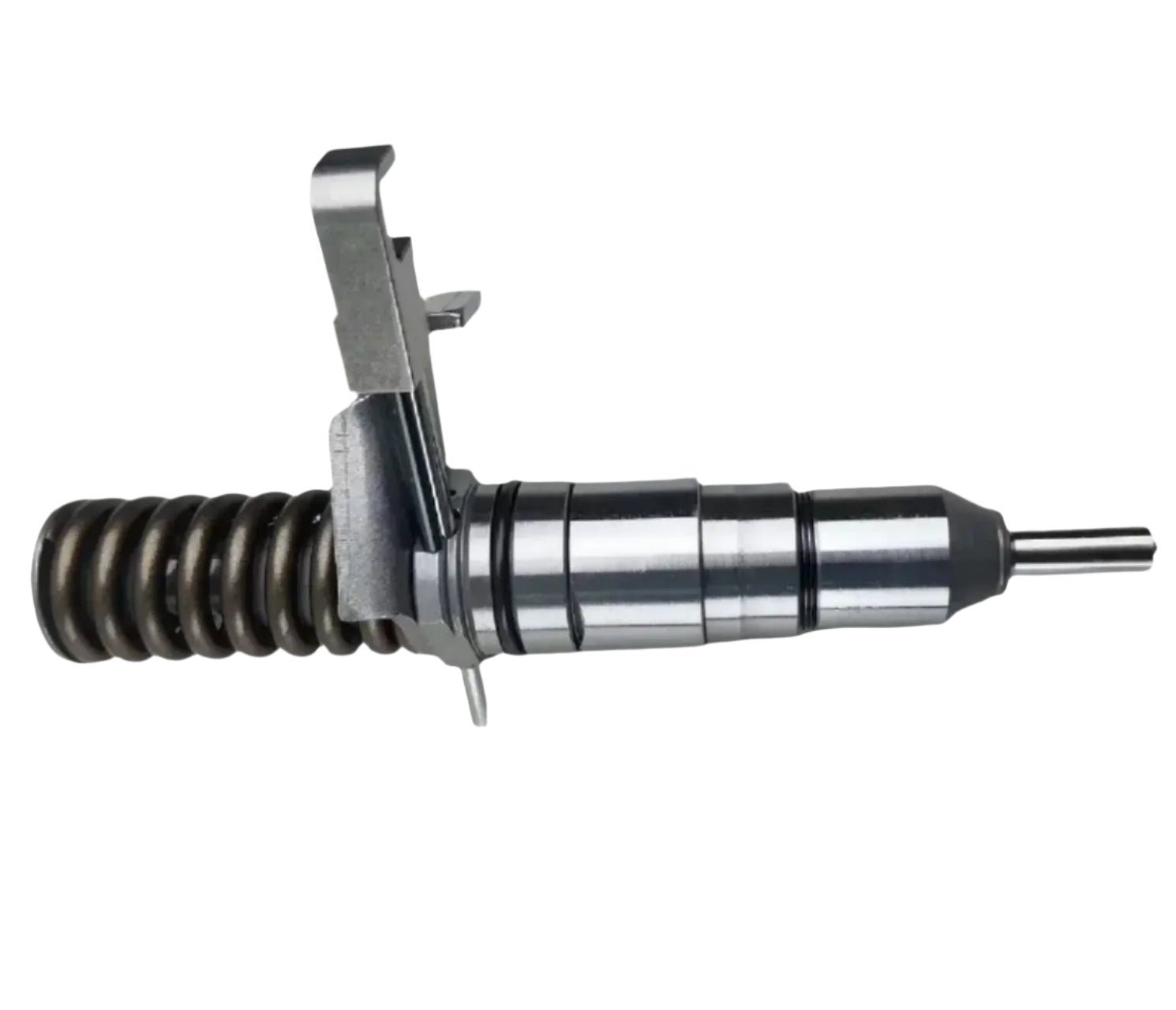
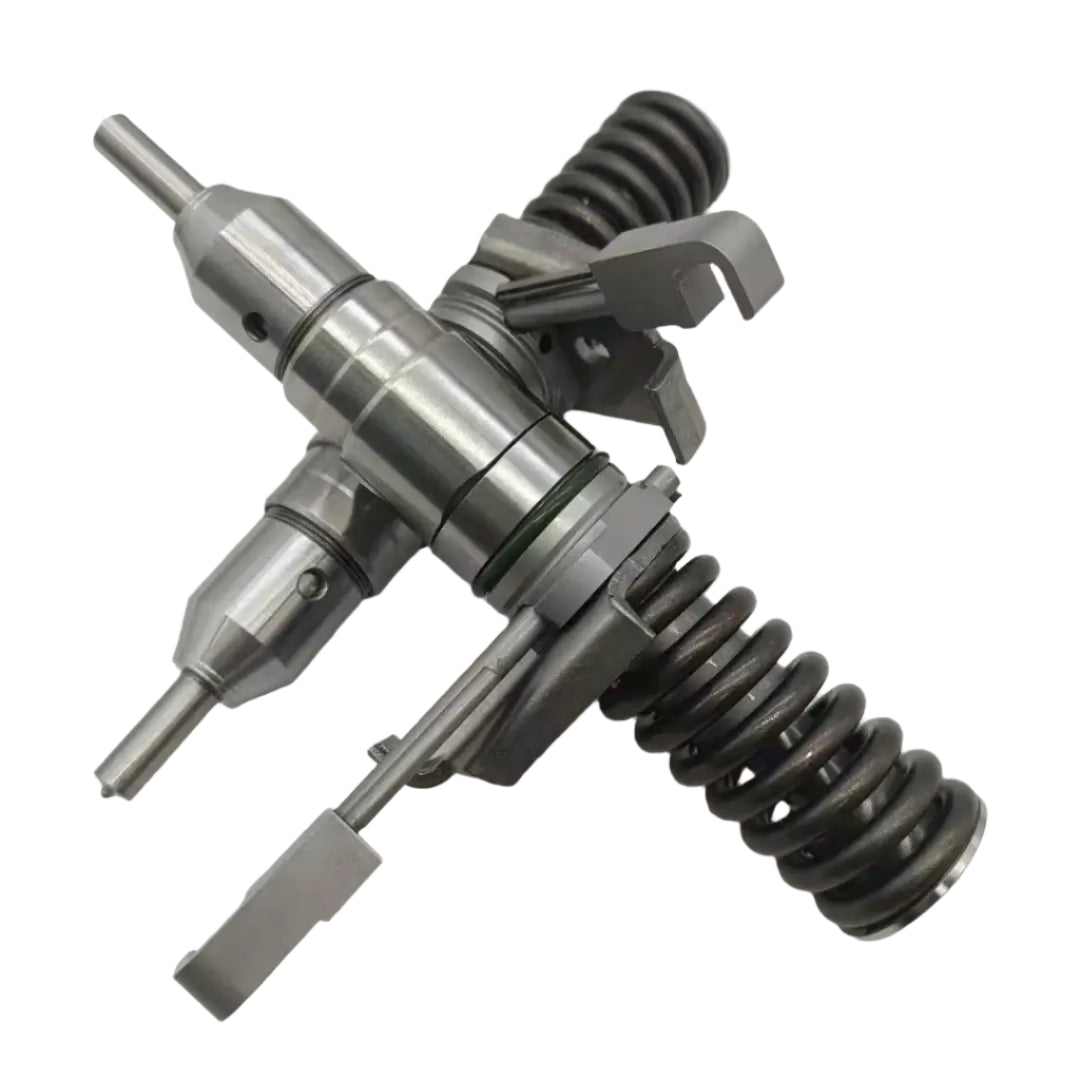
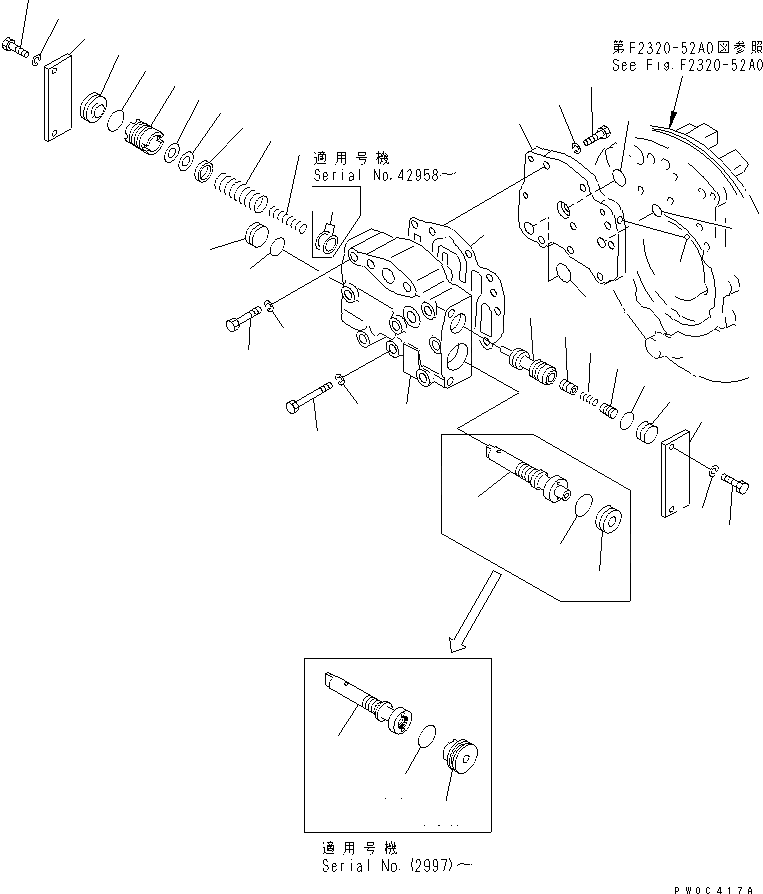
Most excavator operators know when something is wrong with their final drive motor before they know what to call it.
The machine tracks more slowly on one side. There is a noise from the undercarriage that was not there last week. The machine creeps on a slope when the controls are released.
These are not random faults. They are predictable symptoms of a final drive motor that is at or past the end of its service life.
The final drive motor converts hydraulic power into the mechanical force that moves your tracks. When it begins to fail, productivity drops, surrounding drivetrain components are put at risk, and the repair cost grows with every hour the problem is left unaddressed.
This guide covers how the system works, what causes it to fail, how to recognise the early symptoms, and what replacement involves.
For a complete breakdown of every component in the track system, visit our heavy equipment undercarriage components guide.
What Is a Final Drive Motor?
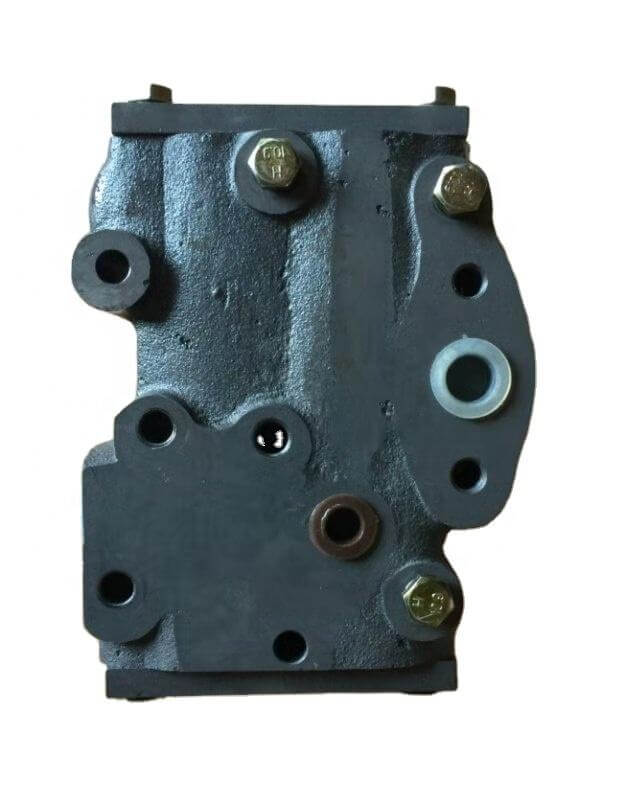
The final drive motor, also called an excavator travel motor or hydraulic travel motor, powers track movement on excavators, bulldozers, and compact track loaders.
It works alongside a planetary gearbox to form the complete final drive assembly. The hydraulic motor receives pressurised fluid from the machine's main pump and converts it into shaft rotation. The gearbox then reduces that rotation to the low speed and high torque the tracks need to move under load.
On most excavators, there is one final drive motor per side. If one fails, that track loses drive completely.
What Is Inside a Final Drive Motor?
Understanding the internal components helps explain why failures happen and what a rebuild actually addresses.
The Hydraulic Motor
The motor contains an axial piston rotating group that converts hydraulic flow into shaft rotation. Internal tolerances are extremely tight; contamination, cavitation, or insufficient case drain oil degrades these surfaces quickly.
The Brake Valve
The brake valve releases the hydraulic brake when travel is commanded and re-engages it when the controls are released. A failing brake valve is one of the most common causes of slope drift, a symptom frequently misdiagnosed as an internal motor fault.
The Multi-Disc Brake
The parking brake holds the machine stationary on slopes when travel is not commanded. Worn brake discs cause the machine to move when it should hold position, or to judder when travel is first engaged.
The Speed Selector Valve
Most excavator final drives have a two-speed function: low speed for high-traction work, high speed for site travel. When the speed selector valve fails, the machine gets stuck in one speed or stops responding to the speed control entirely.
Warning Signs Your Final Drive Motor Is Failing
Act on any of these symptoms immediately. Continuing to operate accelerates damage to both the motor and the gearbox it drives.
- One track slower or weaker than the other — the most common sign of internal motor wear on the affected side
- Machine drifts on slopes with controls released — points to a failing brake valve or worn brake discs; also a safety concern
- Grinding or whining from the travel drive — indicates low case drain oil, internal surface wear, or contamination in the rotating group
- Final drive housing hot to the touch — caused by cavitation, low oil level, or a blocked case drain line
- Travel speed stuck in one mode — speed selector valve has likely failed
- Oil leaking from the motor housing — worn shaft seal or cracked casing; allows oil out and contamination in simultaneously
What Causes Final Drive Motor Failure?
Most failures trace back to one of four root causes.
Contaminated Hydraulic Oil
The motor's internal tolerances are measured in microns. Particles in degraded or overdue hydraulic oil score and wear those surfaces within hours. Changing hydraulic oil and return filters on schedule is the single most effective protection available.
Blocked Case Drain Line
The case drain line removes low-pressure oil from inside the motor housing. If it is blocked or kinked, internal pressure builds, the shaft seal fails, oil escapes, and contamination enters through the same breach. This takes minutes to check at each service.
Cavitation
Cavitation occurs when the motor does not receive sufficient oil volume, caused by a worn pump, a restricted suction line, or incorrect oil viscosity. The resulting pressure collapse inside the motor pits and erodes internal surfaces rapidly. Cavitation damage can become catastrophic within a short operating window.
Sustained Overloading
Pushing continuously against immovable material holds hydraulic pressure at the relief setting for extended periods. This generates heat throughout the system and accelerates wear on every internal surface simultaneously.
When to Repair vs Replace
A rebuild is appropriate when:
- The motor housing is structurally intact
- Damage is limited to internal wear items, pistons, bearings, seals, and valve components
- The planetary gearbox is still serviceable
A replacement assembly is the better choice when:
- The housing is cracked or corroded
- Multiple internal systems have failed simultaneously
- A tested replacement unit is available at a comparable cost to a rebuild
Choosing the Right Replacement Unit
Before ordering, confirm the following:
- Machine make, model, and serial number
- Part number stamped on the existing motor housing
- Whether you need the motor only or the complete travel motor and gearbox assembly
- Whether the application calls for an OEM unit or an OEM-compliant aftermarket alternative
For Caterpillar, Komatsu, Hitachi, and Volvo machines, our range of excavator travel motors and final drive assemblies covers both complete units and motor-only replacements across the most common excavator models.
Replacement: Step-by-Step Overview
- Isolate and release hydraulic pressure before disconnecting any lines
- Drain the final drive gearbox oil
- Disconnect the hydraulic hoses and the case drain line cap both immediately
- Remove the final drive assembly and separate the motor from the gearbox
- Install the replacement motor, verifying correct port orientation
- Reconnect all lines, refill gearbox oil to the correct specification
- Bleed and test check for leaks, verify two-speed function, confirm straight tracking on level ground before returning to service
Maintenance That Extends Motor Life
These habits prevent the majority of final drive motor failures:
- Change hydraulic oil and return filters every 1,000 operating hours
- Check the case drain line for kinks or blockages at every undercarriage inspection
- Change final drive gearbox oil every 500 to 1,000 hours, per your machine's OMM
- Inspect motor shaft seals for leaking at every service interval
- Avoid sustained operation at maximum tractive effort where conditions allow
Conclusion
The final drive motor does not fail without warning. The signs are there, slower tracking, unusual noise, heat, slope drift, if you know what to watch for and act when you see them.
Correct hydraulic maintenance, regular seal inspections, and attention to the early symptoms covered in this guide will extend motor service life significantly. When replacement is unavoidable, the right specification unit installed correctly protects everything it drives.
At Imara Engineering Supplies, we stock OEM-compliant final drive motors and complete travel motor assemblies for leading excavator and dozer brands. Our technical team can identify the correct unit for your machine and minimise your downtime.
Contact us today or view our range of Caterpillar, Komatsu, and Hitachi final drives to find the right solution for your machine.


