The Role of Hydraulic Systems in Machine Operation
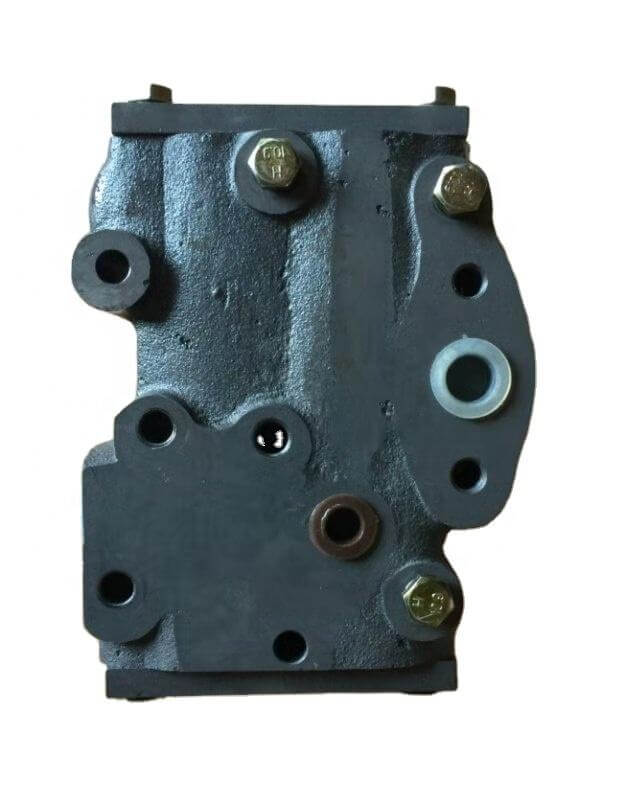
Modern hydraulic systems function as a complete network. The pump generates hydraulic pressure, which travels through control valves to reach the heavy-duty hydraulic cylinder. This process allows for smooth, real time response to operator inputs.
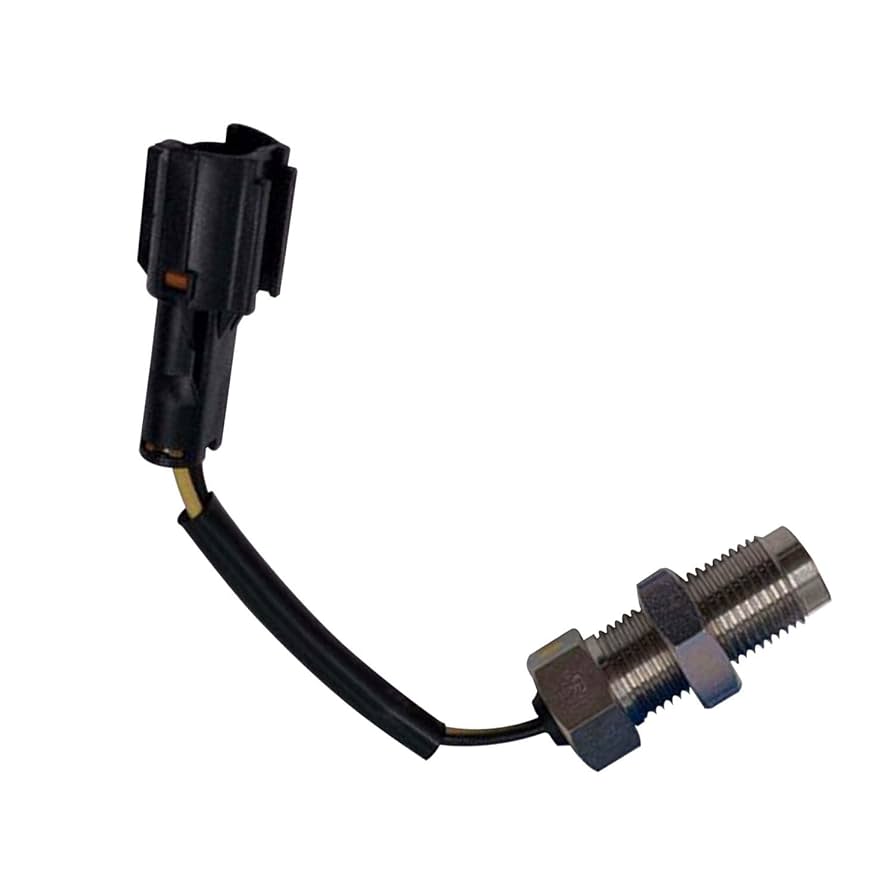
To maintain electrical safety, these systems are often equipped with power system sensors that monitor position and pressure. This data is processed by electrical components to ensure the machine remains stable under maximum load.
Maintaining Electrical and Hydraulic Integrity
Maintaining electrical systems is just as important as changing your hydraulic fluid. Because many modern cylinders utilize electronic "cushioning" or depth-sensing technology, they are connected to electrical panels and protected by circuit breakers.
To prevent electrical failures or electric shocks, all wiring must be properly insulated. Unlike temporary extension cords used in residential work, machine wiring is built to withstand high voltage and extreme vibration. If you notice any damage to the wiring harness or sensors, please contact a specialist or licensed electricians who understand heavy machinery DC systems.
Comprehensive Hydraulic Cylinder Range
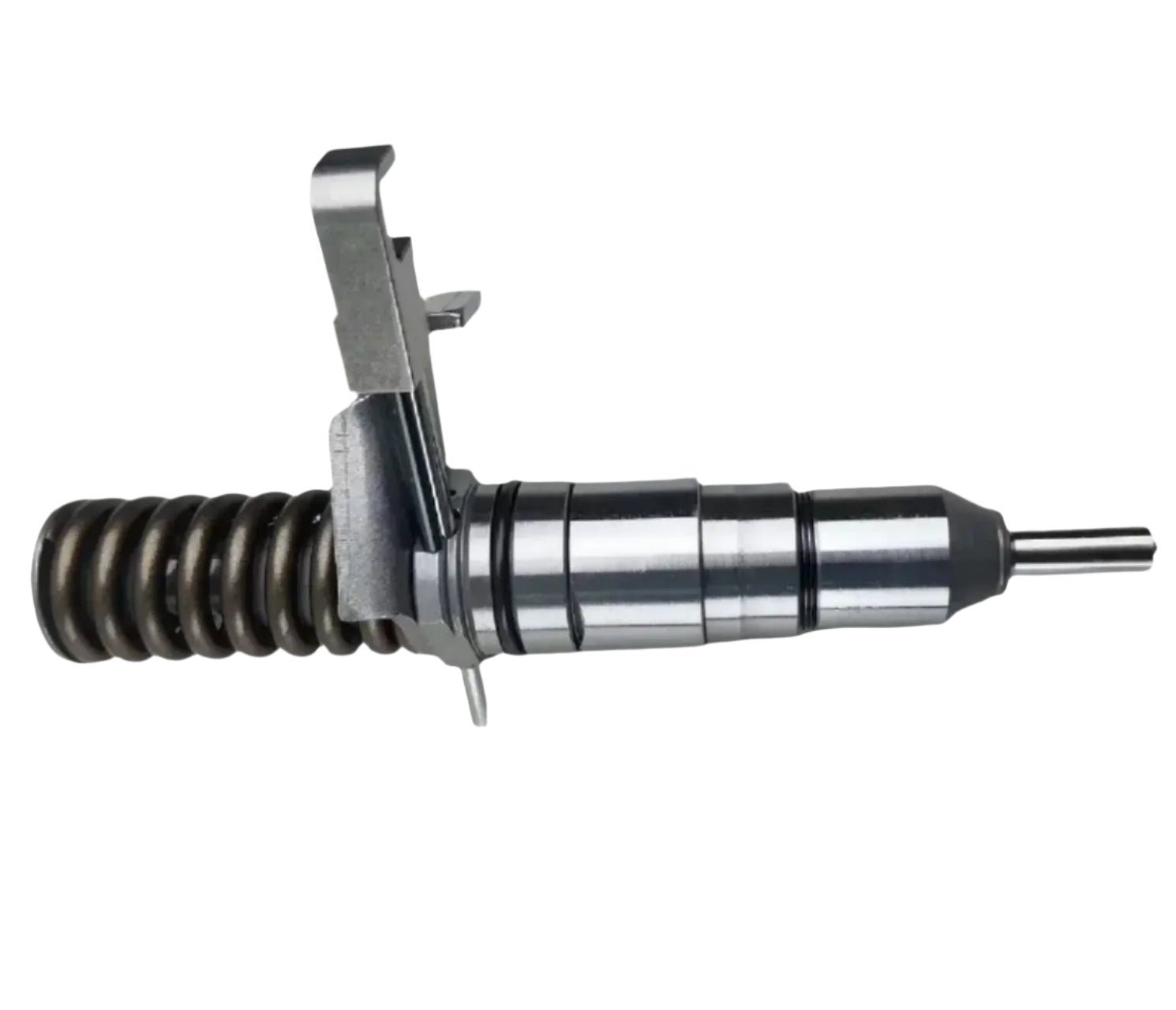
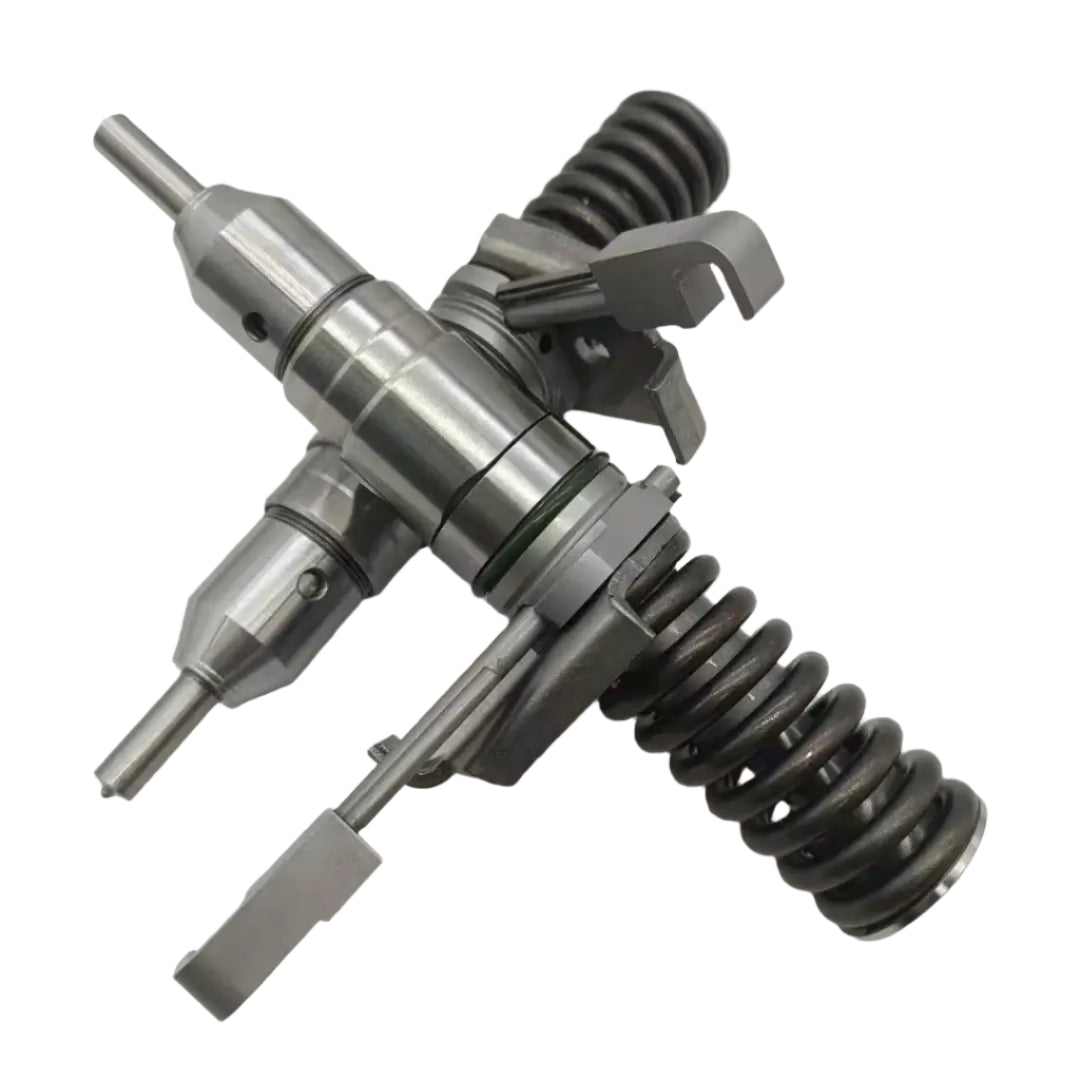
We supply a cost-effective range of cylinders and support components designed for the world's harshest mining and construction sites.
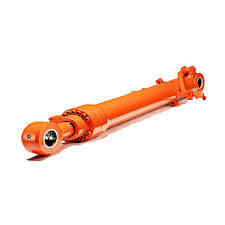
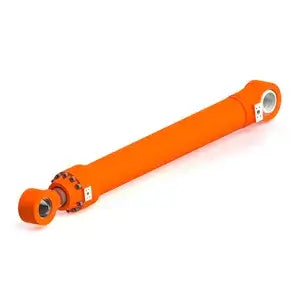
Heavy-Duty Hydraulic Cylinders
Built to handle a massive amount of energy, these units feature reinforced barrels and high-tensile rods. They are the ideal choice for operators looking to reduce energy consumption through better mechanical efficiency.
Hoses, Pipes, and Control Valves
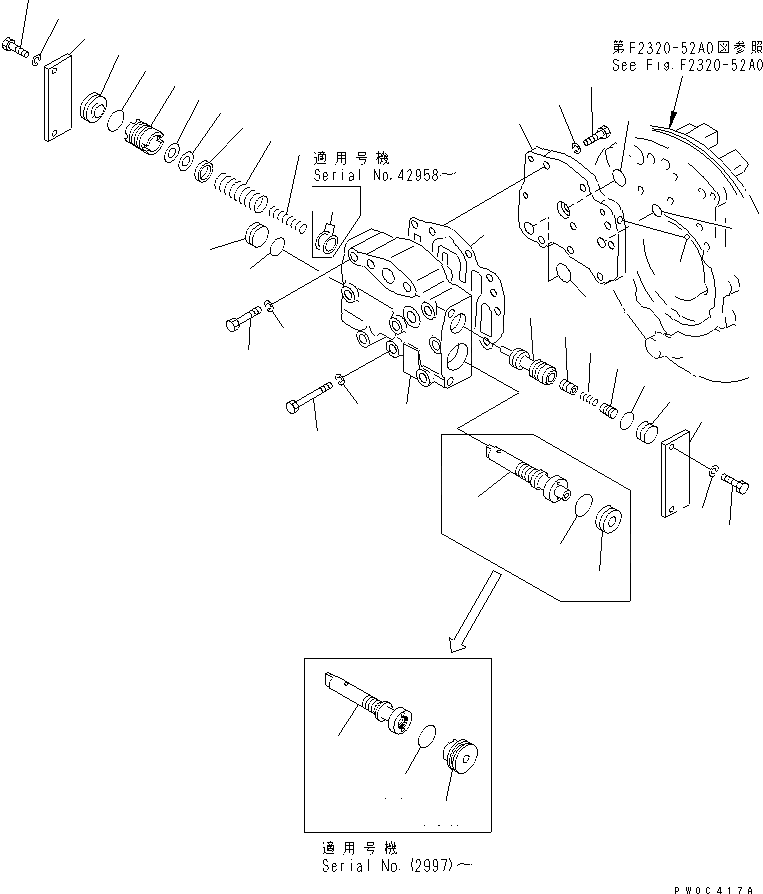
Fluid must reach the cylinder without losing hydraulic pressure. Our high-pressure hoses and control valves ensure the fluid remains contained and the machine stays safe and efficient.
Maximizing Service Life & Electrical Safety
Proper electrical system maintenance helps identify issues before they lead to a catastrophic failure. For the best results, follow these industry-standard practices:
-
Seal Integrity: Regularly check seals to prevent hydraulic fluid from leaking onto hot electrical equipment or electrical panels.
-
Monitor Grounding: Ensure ground fault circuit interrupters or similar protection modules are functioning to avoid electric shocks during wet-weather operation.
-
Filter Changes: Clean fluid ensures that the internal moving part surfaces of the cylinder remain free from scoring.