What Transmission Solenoids Actually Do Under Load
The term "shift solenoid" understates the precision role these components perform within a heavy equipment automatic transmission. Two distinct solenoid functions are operating simultaneously within every Allison, Caterpillar, or Komatsu automatic during a gear change:
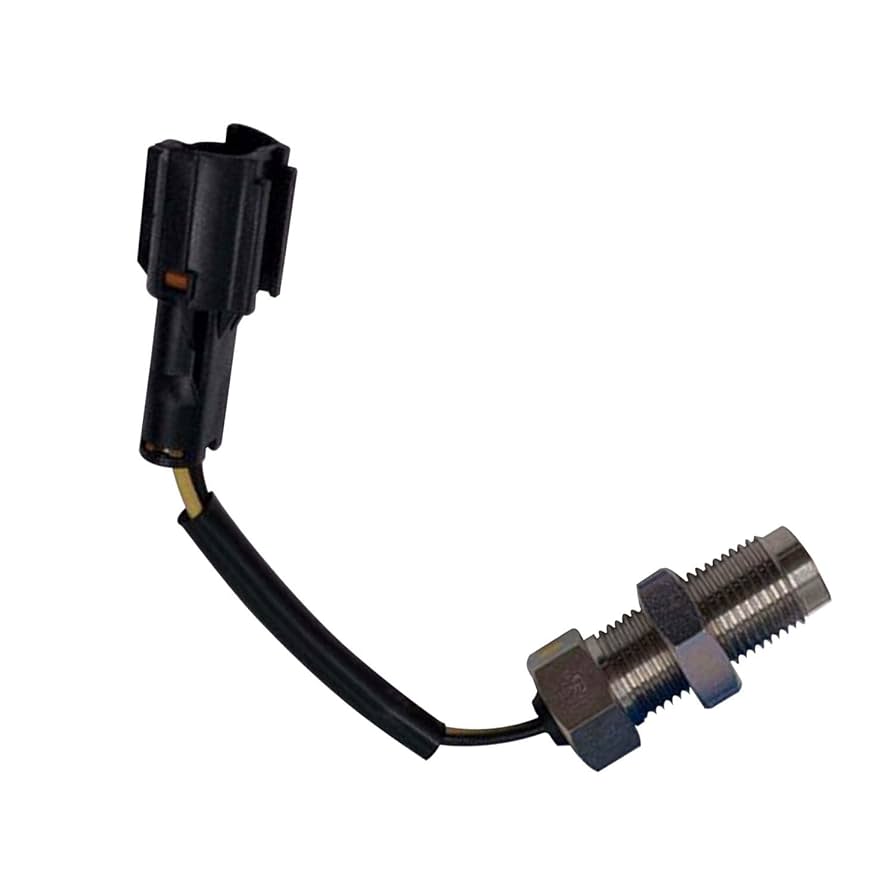
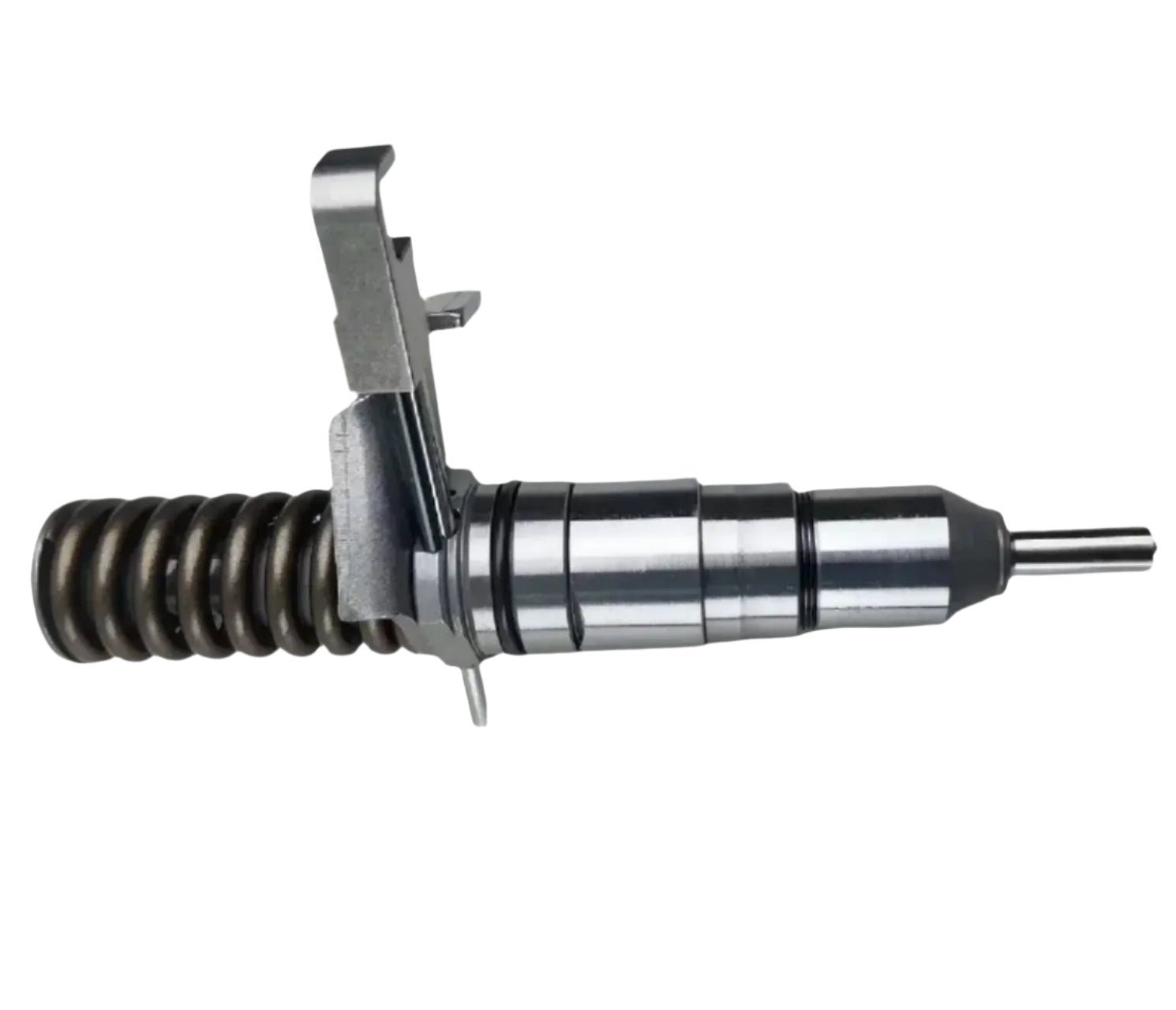
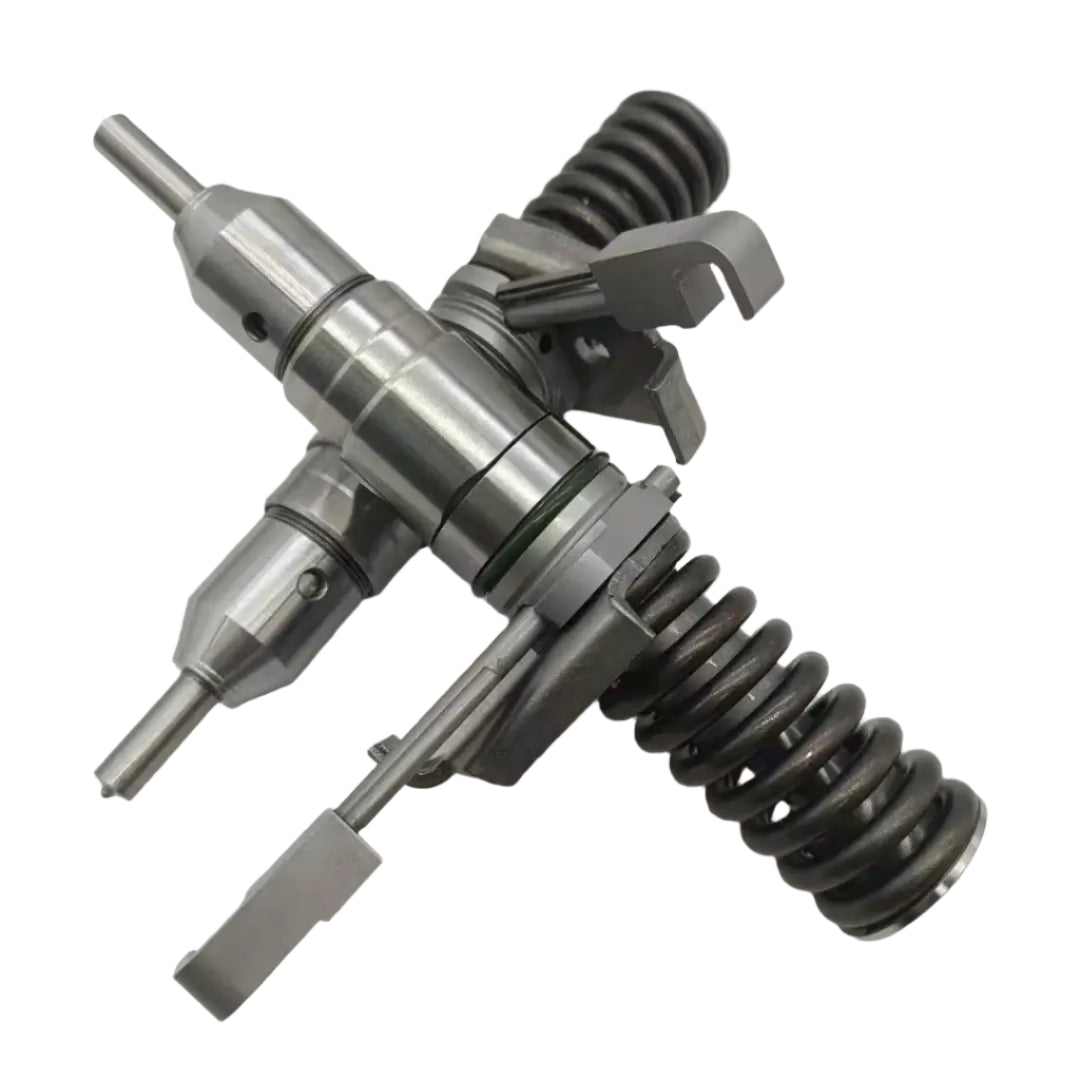
Shift solenoids control the opening and closing of hydraulic circuits to specific clutch packs within the transmission. When the transmission control module commands a gear change, the relevant shift solenoid opens its circuit, allowing hydraulic pressure to flow to the clutch pack that engages the new gear ratio. The timing accuracy of this event, measured in milliseconds, determines whether the gear change is smooth, abrupt, or missed entirely.
Pressure Control Solenoids Pressure control solenoids regulate the magnitude of hydraulic pressure delivered to the clutch circuit during engagement. A shift solenoid determines which circuit opens. A pressure control solenoid determines how hard that circuit engages. When a pressure control solenoid degrades, the clutch pack receives either too much pressure, producing a harsh, lurching engagement, or insufficient pressure, producing a soft, slipping engagement that accelerates clutch wear with every gear change.
In practice, most severe automatic transmission faults in heavy equipment originate in the solenoid network before they progress to mechanical clutch pack or valve body failure. A solenoid operating outside specification for an extended period forces the clutch packs to absorb engagement energy that the hydraulic circuit should be managing, shortening clutch service life in a way that eventually does require a full assembly replacement. Addressing a solenoid fault early is one of the most cost-effective protective maintenance decisions an operator can make.
Allison Solenoid Range
Allison Main Pressure Modulation Solenoid
The Allison main pressure modulation solenoid governs line pressure across the entire Allison 1000 transmission hydraulic circuit. It is the master pressure reference against which every clutch circuit engagement is calibrated, and its degradation produces the broadest range of shift symptoms across the transmission: soft engagements at low load, harsh engagements at high load, and hunting shifts during transitions between gears at mid-range operating speeds. It is also one of the most commonly replaced solenoids in the Allison heavy equipment fleet, precisely because its influence on overall shift quality makes its failure immediately and broadly apparent.
The Allison main pressure modulation solenoid in our range is manufactured to the original electrical resistance and hydraulic flow specifications of the Allison 1000 platform, with pressure response characteristics matched to the transmission control module calibration of the specific build variant.
Allison Pressure Control Solenoid
The Allison pressure control solenoid network within the Allison 1000 operates on a per-circuit basis, with individual solenoids managing clutch engagement pressure for each gear ratio. When a single Allison 1000 pressure control solenoid degrades, the fault is typically isolated to the gear or gear transition managed by that specific circuit, producing a fault that presents as one problematic shift within an otherwise functional transmission.
This circuit-specific fault pattern is what distinguishes a pressure control solenoid fault from a valve body failure, where degradation tends to affect multiple circuits progressively. An Allison pressure control solenoid fault that generates a specific gear code on diagnostic scan is almost always a direct solenoid replacement rather than a valve body or assembly repair.
CAT Transmission Solenoid Coverage
The cat transmission solenoid network in Caterpillar automatic and powershift transmissions manages shift timing and hydraulic pressure delivery across the CX series and broader Caterpillar automatic drivetrain range. CAT transmission control solenoids are precision components calibrated to the specific hydraulic circuit pressures and shift timing windows of the Caterpillar transmission control system.
Shift solenoid faults in CAT automatic transmissions typically manifest as gear-specific engagement failures or erratic shifts under load that generate a diagnostic fault code referencing the affected solenoid circuit. Imara Engineering carries cat transmission solenoid replacements across the CX31 and broader Caterpillar automatic platform, with all units verified against machine model and serial number before dispatch.
For operators managing a broader CAT drivetrain repair, the Automatic Transmissions collection carries the complete CX31 and Caterpillar powershift assemblies for machines where solenoid replacement alone will not restore transmission performance to the required standard.
Komatsu Transmission Solenoid Coverage
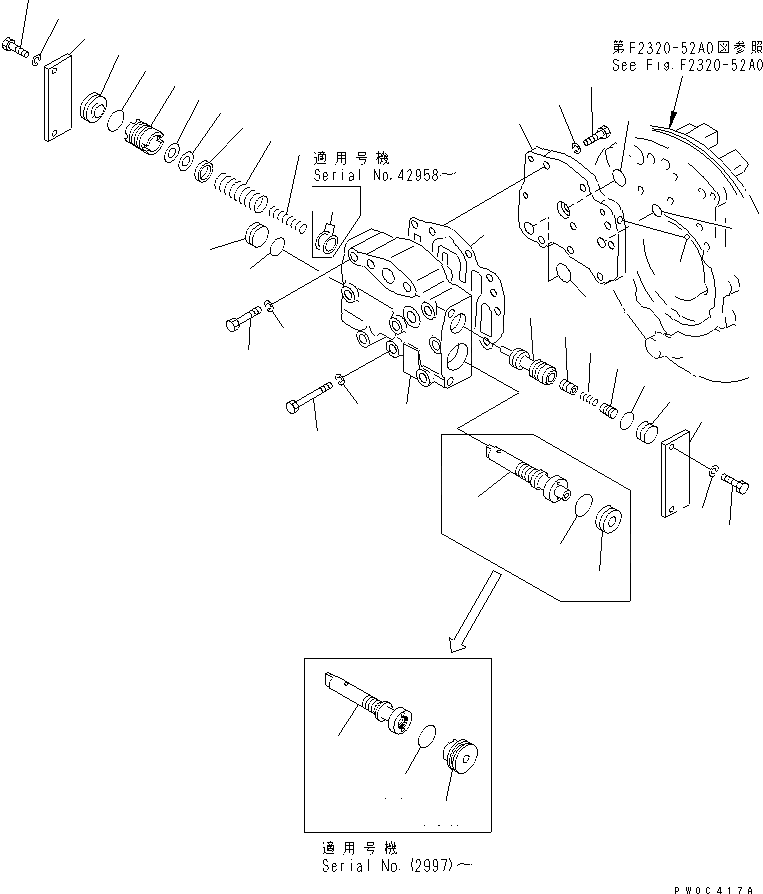
The Komatsu transmission solenoid range covers shift and pressure control applications within Komatsu automatic and Torqflow drivetrain systems across the PC excavator and WA loader lines. Komatsu gearbox solenoids are integrated into the transmission hydraulic control circuit in a configuration specific to the TorqFlow drivetrain design, where the solenoid network interfaces with the torque converter circuit as well as the clutch pack shift system.
Komatsu transmission solenoid faults commonly present as shift hesitation, incomplete gear engagement, or transmission temperature warnings related to inadequate clutch pack pressure during engagement cycles. All Komatsu transmission solenoid units in our range are manufactured to the original Komatsu hydraulic and electrical specifications and are verified against the machine serial number before the order is confirmed.
Diagnosing a Transmission Solenoid Fault Before Ordering
Ordering the correct solenoid depends on a confirmed diagnosis rather than symptom-matching alone. The following process will ensure the component you order addresses the actual fault:
-
Run a full diagnostic scan on the transmission control module and record all active and stored fault codes referencing solenoid circuits by name or circuit identifier
-
Cross-reference the fault code against the transmission service manual to confirm which solenoid governs the affected circuit
-
Inspect the solenoid connector and wiring harness before ordering a replacement. A significant proportion of solenoid fault codes are caused by connector corrosion or wiring damage rather than solenoid failure itself
-
Perform a resistance check on the suspect solenoid using a multimeter. An out-of-specification resistance reading confirms solenoid failure and distinguishes it from a wiring fault
-
Confirm the transmission build variant using the serial number before ordering solenoid specifications vary across production runs of the same transmission model
If the diagnostic scan returns multiple solenoid fault codes simultaneously, a valve body inspection is warranted before individual solenoids are replaced. Multiple concurrent solenoid codes are frequently a symptom of a valve body hydraulic pressure fault rather than independent solenoid failures across several circuits.