

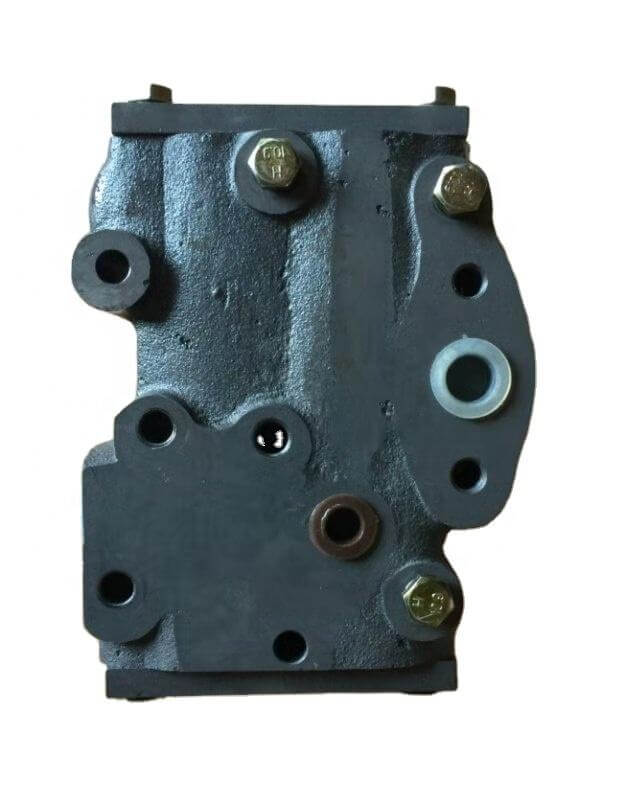
An automatic transmission fault on a heavy equipment machine presents the operator with a decision that can vary in cost by thousands of dollars depending on whether the diagnosis is correct.
A valve body fault costs a fraction of a full transmission replacement. A solenoid fault costs a fraction of a valve body replacement. But misdiagnosing a mechanical transmission failure as a solenoid fault and the machine is back out of service within weeks, with compounded damage.
The three fault sources in a heavy equipment automatic transmission valve body, solenoid circuit, and mechanical assembly failure each have distinct symptom patterns. This guide covers how to read those patterns on Allison 1000, CAT CX31, and ZF transmission platforms before any parts are ordered.
For the complete range of automatic transmission components, visit our heavy equipment transmission and drivetrain section.
Why Automatic Transmission Faults Are So Frequently Misdiagnosed
The automatic transmission control system monitors dozens of parameters simultaneously and generates fault codes at the point where a value falls outside its expected range, not necessarily at the component that caused the deviation.
A pressure control solenoid fault code does not confirm that the solenoid has failed. It confirms the pressure reading at that circuit is out of range. The cause may be the solenoid, the valve body bore the solenoid seats into, the transmission fluid condition, or a mechanical fault creating abnormal pressure across the circuit.
Acting on fault codes without understanding the fault pattern behind them is what produces repeat failures and escalating repair costs.
The Three Fault Sources: What Each Looks and Feels Like
Valve Body Faults
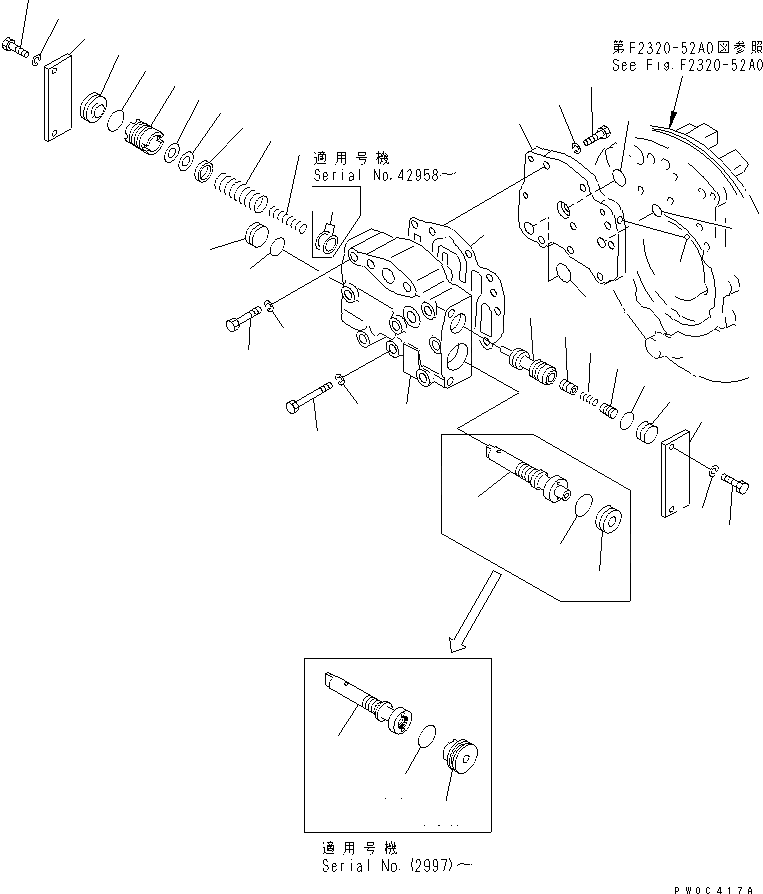
The valve body is the hydraulic control centre of the automatic transmission. It contains the bore passages, check balls, and spool valves that direct fluid pressure to the correct clutch packs for each gear selection. When valve body bores wear or check balls seat incorrectly, fluid pressure routing degrades, producing symptoms that feel mechanical but originate in the hydraulic control circuit.
Valve body fault symptoms are characterised by soft, delayed, or hunting gear change;s the transmission selects gears, but the engagement is not crisp. Harsh engagement at specific gear ratios consistently in second or third gear, for example, points to a specific bore or check ball fault within the valve body.
For Allison 1000 and ZF 6HP26 valve body replacements, visit our automatic transmission valve bodies page.
Solenoid Faults
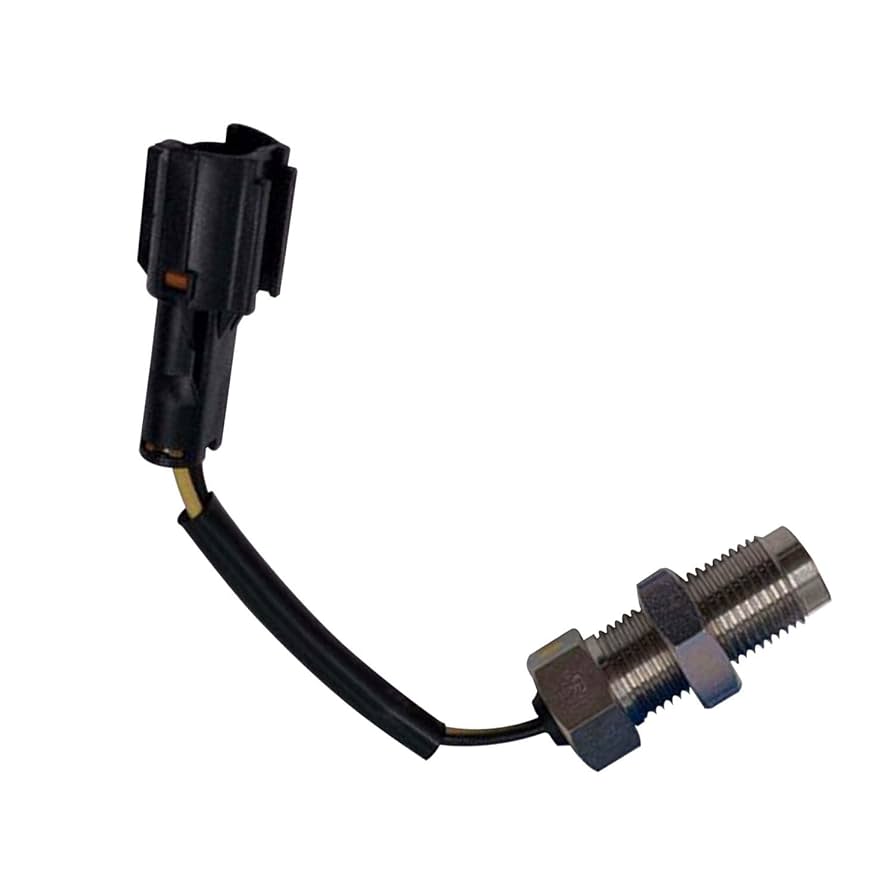
Transmission solenoids are the electrical actuators that command valve body spool movement. A failed solenoid prevents its corresponding valve from moving,g producing a stuck-in-gear condition, a specific gear that cannot be commanded, or a pressure circuit that reads out of range on the transmission control module.
The diagnostic distinction between a solenoid fault and a valve body fault is important. A solenoid fault produces a consistent, repeatable symptom tied to a specific gear or pressure circuit. A valve body fault produces symptoms that vary with fluid temperature, machine load, and operating cycle because worn bores produce different pressure losses depending on fluid viscosity and system demand.
For Allison pressure control solenoids and shift solenoids compatible with Allison 1000 and CAT CX31 platforms, visit our transmission solenoids and pressure control components page.
Full Mechanical Transmission Failure
Mechanical failure, worn clutch packs, damaged planetary gears, and failed output shaft bearings produce symptoms that neither valve body nor solenoid replacement will resolve. The key indicators of mechanical failure are:
-
Slipping under load that worsens progressively rather than appearing suddenly at a specific gear
-
Metallic contamination visible in the transmission fluid during a fluid and filter service
-
Grinding or clunking under load that is present regardless of gear selection
-
Complete loss of drive in one or more ranges that does not correspond to a specific fault code
When these symptoms are present, component-level repair is not appropriate; the assembly needs replacement. For Allison and CAT CX31 full assembly options, visit our Allison and CAT automatic transmission assemblies page.
Step-by-Step Diagnostic Process
Pull the full fault code history first: not just active codes. A valve body fault is often preceded by a sequence of pressure-related codes across multiple circuits before a definitive code appears. A solenoid fault typically produces a consistent single-circuit code with no preceding pressure history.
Check the transmission fluid condition before any other investigation. Dark, burnt-smelling fluid indicates thermal damage from a slipping clutch pack; mechanical failure is the likely source. Metallic particles in the fluid confirm internal component contact. Fresh, clean fluid with active fault codes points toward a valve body or solenoid fault rather than mechanical failure.
Confirm fluid level and specification. Both Allison and ZF transmissions are specification-sensitive; incorrect fluid viscosity produces pressure anomalies that generate fault codes mimicking solenoid or valve body faults. Confirm the fluid meets the transmission manufacturer's specification before proceeding with component diagnosis.
Allison 1000: Valve Body and Solenoid Fault Patterns
The Allison 1000 is one of the most widely operated automatic transmissions across medium-duty construction equipment, articulated trucks, and utility machines. Its fault patterns are well documented.
The Allison main pressure modulation solenoid controls line pressure across the entire transmission. A failing main pressure solenoid produces soft engagement across all gear selections simultaneously,y not just one gear. This distinguishes it from individual clutch-circuit solenoid faults.
The Allison 1000 pressure control solenoid governs clutch fill and release timing for specific gear ranges. A pressure control solenoid fault typically produces a harsh or delayed engagement in the specific gear range that the solenoid governs, first and second being the most common on high-cycle machines.
The Allison 1000 valve body itself, for the complete hydraulic control assembly, is the appropriate replacement when multiple bore faults are confirmed or when solenoid replacement has not resolved a pressure-related code.
CAT CX31 Automatic Transmission: Fault Identification
The CAT CX31 uses an integrated electronic control system where transmission faults frequently appear as powertrain fault codes rather than transmission-specific codes. The diagnostic priority on a CX31 fault is confirming whether the code originates in the transmission control module, the solenoid circuit, or the mechanical assembly. The three fault sources apply identically to the CX31 as they do to the Allison platform.
CX31 valve body faults and solenoid faults produce symptoms that are often attributed to the power train control module before the hydraulic control circuit has been properly investigated. Confirm fluid condition, fluid pressure at key circuits, and solenoid resistance readings before concluding the control module is the fault source.
ZF 6HP26 and 8HP Transmission Fault Patterns
ZF transmissions are increasingly common across European-origin heavy equipment and off-highway applications. The ZF 6HP26 and 8HP valve bodies are mechatronic units; the valve body and electronic control module are integrated into a single assembly. This means a solenoid fault on a ZF transmission typically requires replacement of the complete mechatronic unit rather than individual solenoid replacement.
ZF fault diagnosis follows the same sequence:e fluid condition, fault code history, pressure circuit confirmation, but the component replacement decision is less granular than on Allison platforms.
Decision Framework: Component Repair or Full Replacement
Replace the solenoid when a single-circuit fault code is confirmed, the solenoid tests outside specification, and the fluid condition is clean with no metallic contamination.
Replace the valve body when multiple bore-related faults are confirmed, solenoid replacement has not resolved the fault, or fluid condition indicates sustained thermal loading of the hydraulic control circuit.
Replace the full assembly when metallic contamination is confirmed in the fluid, mechanical slip under load is progressing, or a combination of fault sources indicates the assembly has sustained damage beyond component-level repair.
For the full range of gearbox assemblies where full replacement is the correct decision, visit our heavy equipment gearbox and transmission assemblies page.
Conclusion
Automatic transmission faults on heavy equipment are diagnosable, but only in the correct sequence. Fluid condition first. Fault code history second. Component-level testing third. Acting on the first fault code without this sequence produces expensive repeat failures.
At Imara Engineering Supplies, we stock Allison 1000 valve bodies, pressure control solenoids, ZF mechatronic units, and complete automatic transmission assemblies for CAT, Allison, and ZF platforms. Our technical team confirms the correct component against your transmission arrangement number and fault code history before every order.
Contact our team with your transmission model and fault code history, or visit our automatic transmission assemblies and drivetrain components page to find the right solution.


