The Engine Belt System: Fan Belts, Serpentine Belts & Alternator Belts Explained
Heavy diesel engines use several distinct belt configurations to drive the ancillary systems that support the core engine. Understanding which belt type your engine uses, what it drives, and how it fails is the foundation of correct belt sourcing and replacement planning.
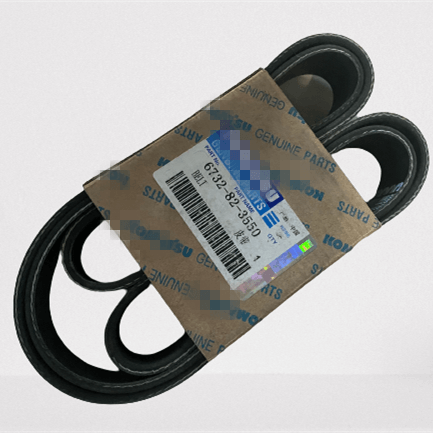
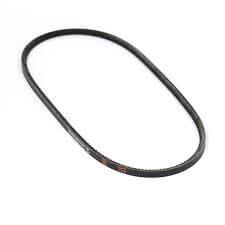
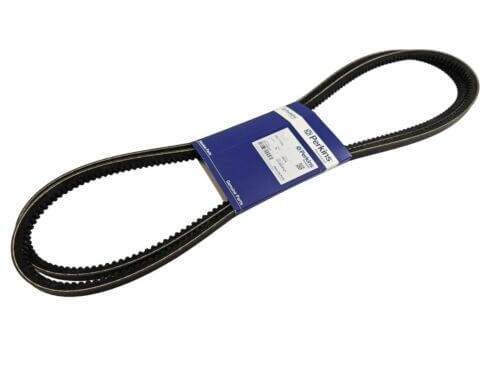
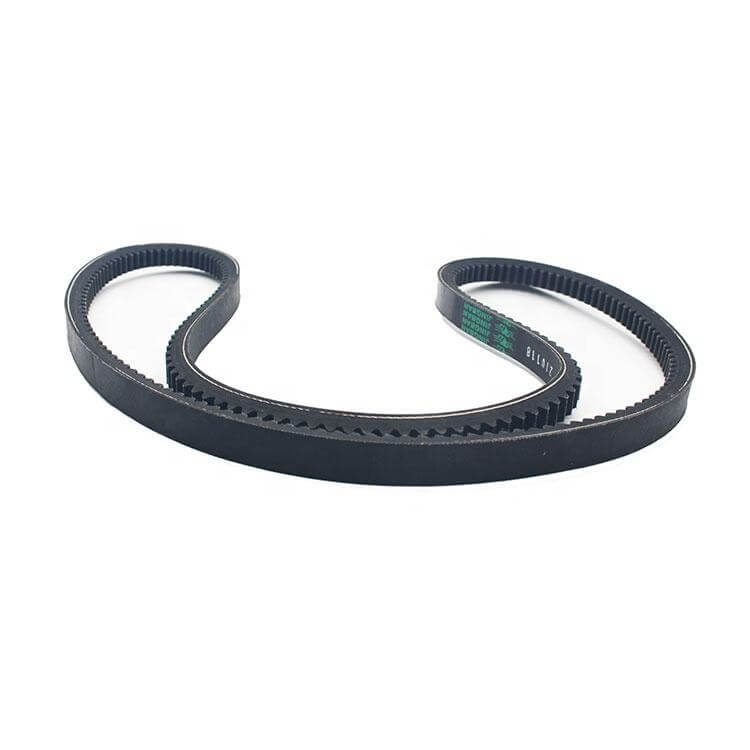
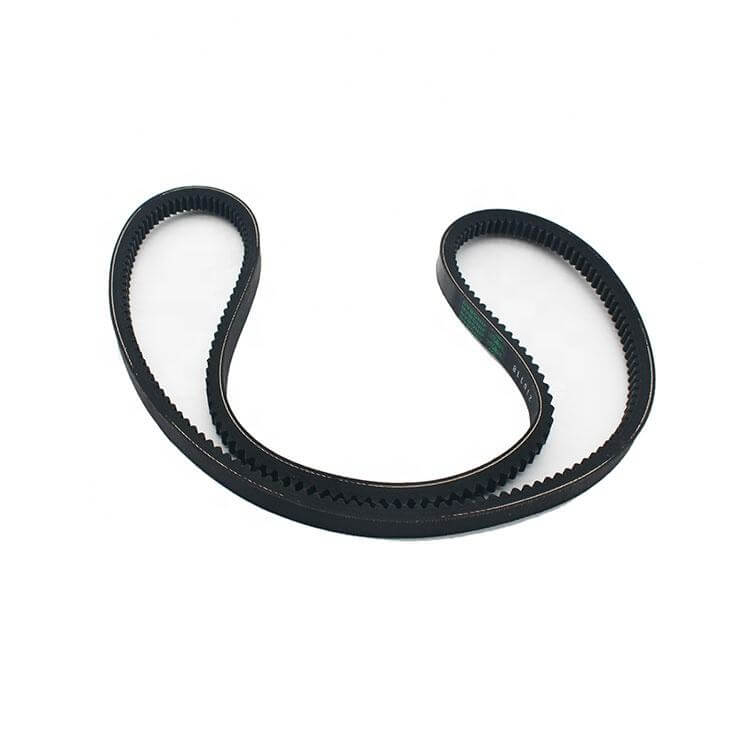
Fan Belt The fan belt drives the engine cooling fan directly from the crankshaft pulley. On excavators and heavy plant operating in high-ambient-temperature environments, the cooling fan is one of the highest-load ancillary drives on the engine, and a snapped fan belt removes coolant air circulation immediately, triggering a rapid overheating event that can cause head gasket failure and cylinder head damage within minutes at full working load. The CAT 3406E fan belt and the C15 fan belt are two of the highest-demand belt specifications in our range.
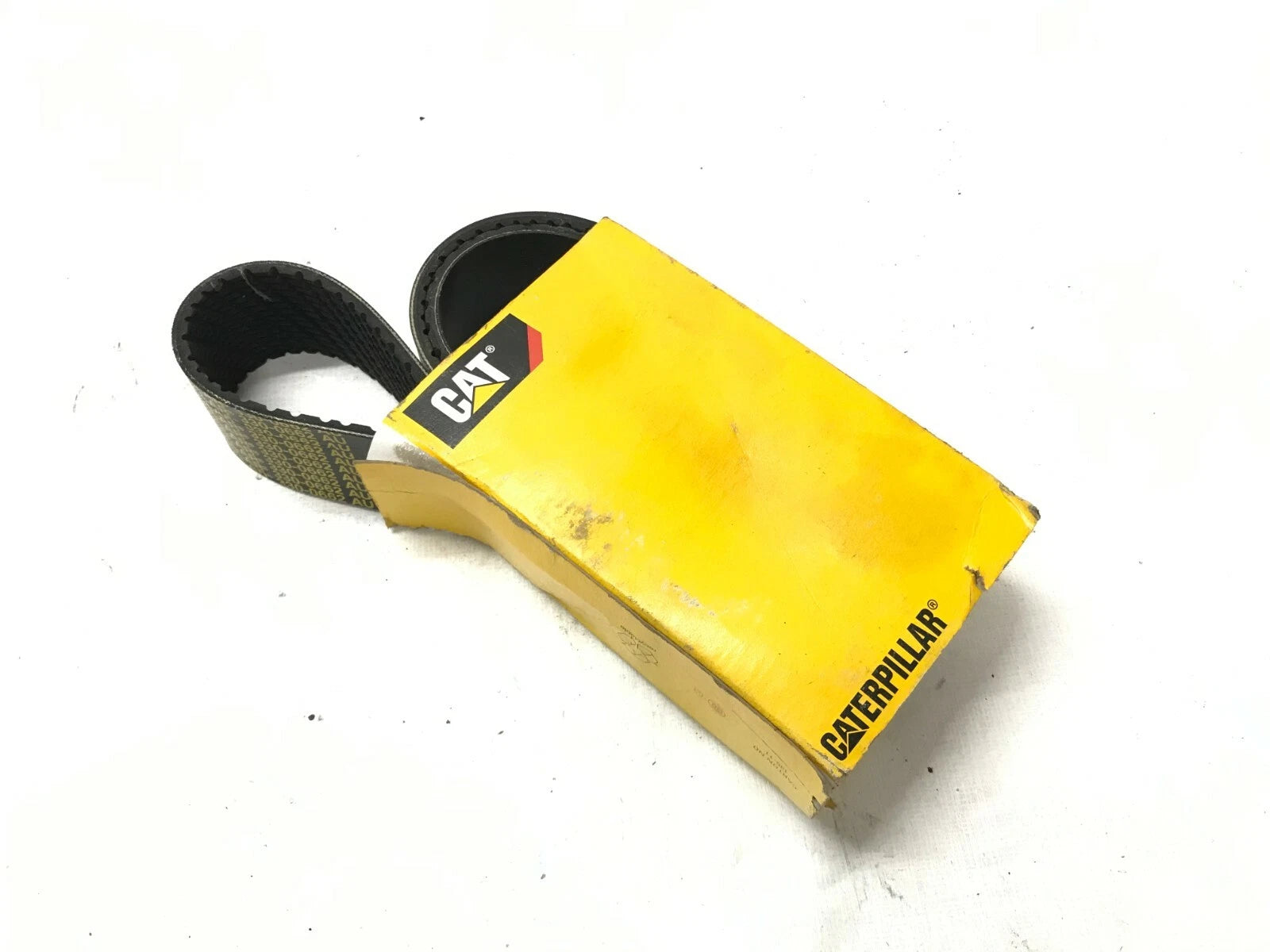
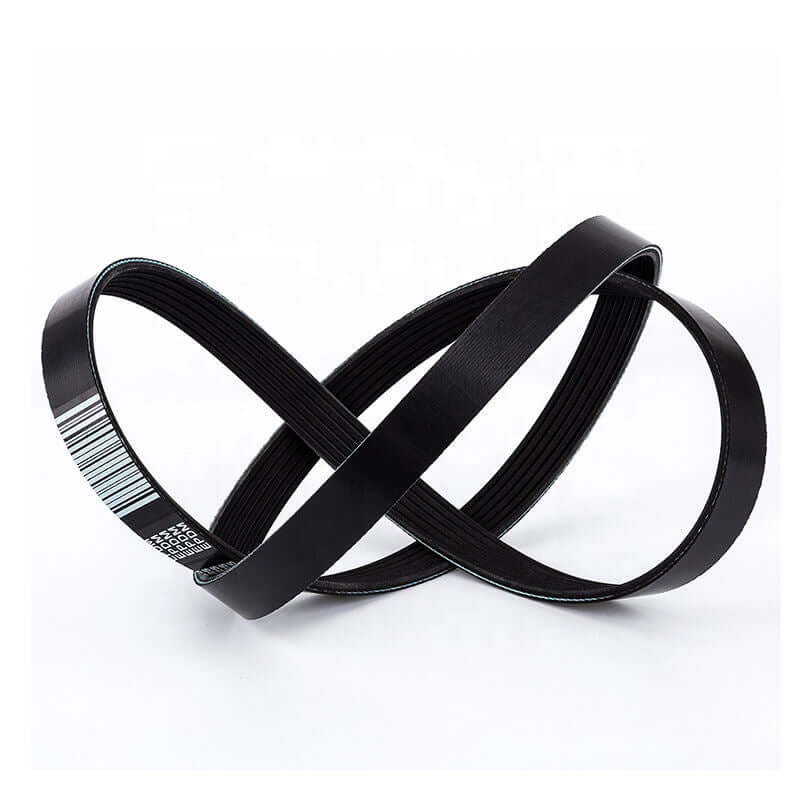
Serpentine Belt The serpentine belt is a single continuous belt that drives multiple ancillary systems: alternator, water pump, cooling fan, and power steering pump through a series of pulleys routed across the front of the engine. The advantage of the serpentine configuration is compact packaging and simplified service. The significant disadvantage is that a single belt failure disables every system it drives simultaneously. The CAT C15 serpentine belt and the CAT C15 ACERT serpentine belt are the most widely replaced serpentine belt specifications in our range.
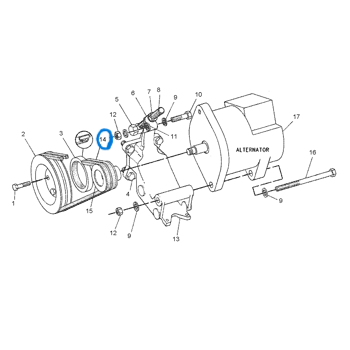
Alternator Belt On engines with separate drive belt circuits, the alternator belt runs as a dedicated drive between the crankshaft and alternator pulleys. The CAT C15 alternator belt is one of the most commonly sourced individual belt specifications in our range, particularly on machines where the alternator circuit has been separated from the main serpentine drive during a repair or modification.
CAT Engine Belts; Full Platform Coverage
Caterpillar diesel engines represent the highest demand for engine belts across our range. The C15 and C15 ACERT platforms together account for the majority of CAT belt demand, reflecting both the volume of C15-powered machines in active heavy-duty service and the specific belt load characteristics of the ACERT ancillary drive system. The C13 and 3406E platforms carry equally strong demand, reflecting the enormous number of these engines still running under sustained load in heavy plant and on-highway applications globally.
Our CAT engine belts range covers:
-
CAT C15 fan belt & serpentine belt — the highest-demand CAT belt in our range, available in both fan belt and serpentine configurations matched to OEM dimensional specifications for the standard C15 drive system
-
CAT C15 ACERT fan belt & serpentine belt — the ACERT variant carries a different belt routing and tension specification from the standard C15 due to the modified ancillary drive arrangement of the ACERT system — confirmed against your engine serial number before dispatch
-
CAT C15 alternator belt — available as an individual belt for machines where the alternator drive has been separated from the main ancillary circuit
-
CAT C13 belt & CAT C13 ACERT belt — a high-torque mid-range platform with belt specifications matched to the ancillary drive arrangement of this widely deployed engine, including the C13 ACERT variant
-
CAT C7 belt — mid-range CAT drive belt coverage for the excavator and medium plant market
-
CAT 3406E fan belt — one of the most widely operated legacy CAT engines in heavy industry, with fan belt specifications that remain in high demand across global heavy plant fleets
All CAT engine belts are manufactured to OEM length, width, rib geometry, and tension specifications cross-referenced to your engine serial number to confirm the correct belt configuration for your specific platform and drive arrangement.
Reading a Belt Diagram; CAT C15 ACERT & C13 ACERT Belt Routing
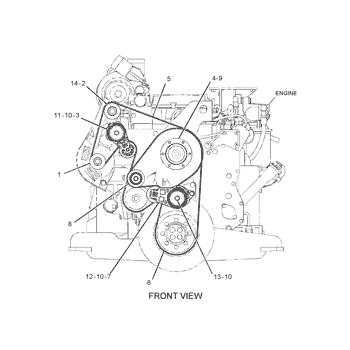
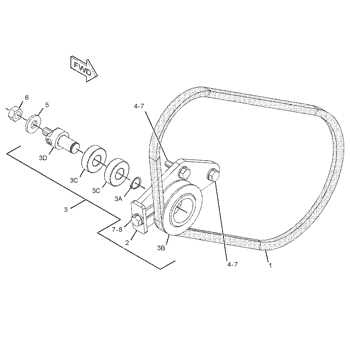
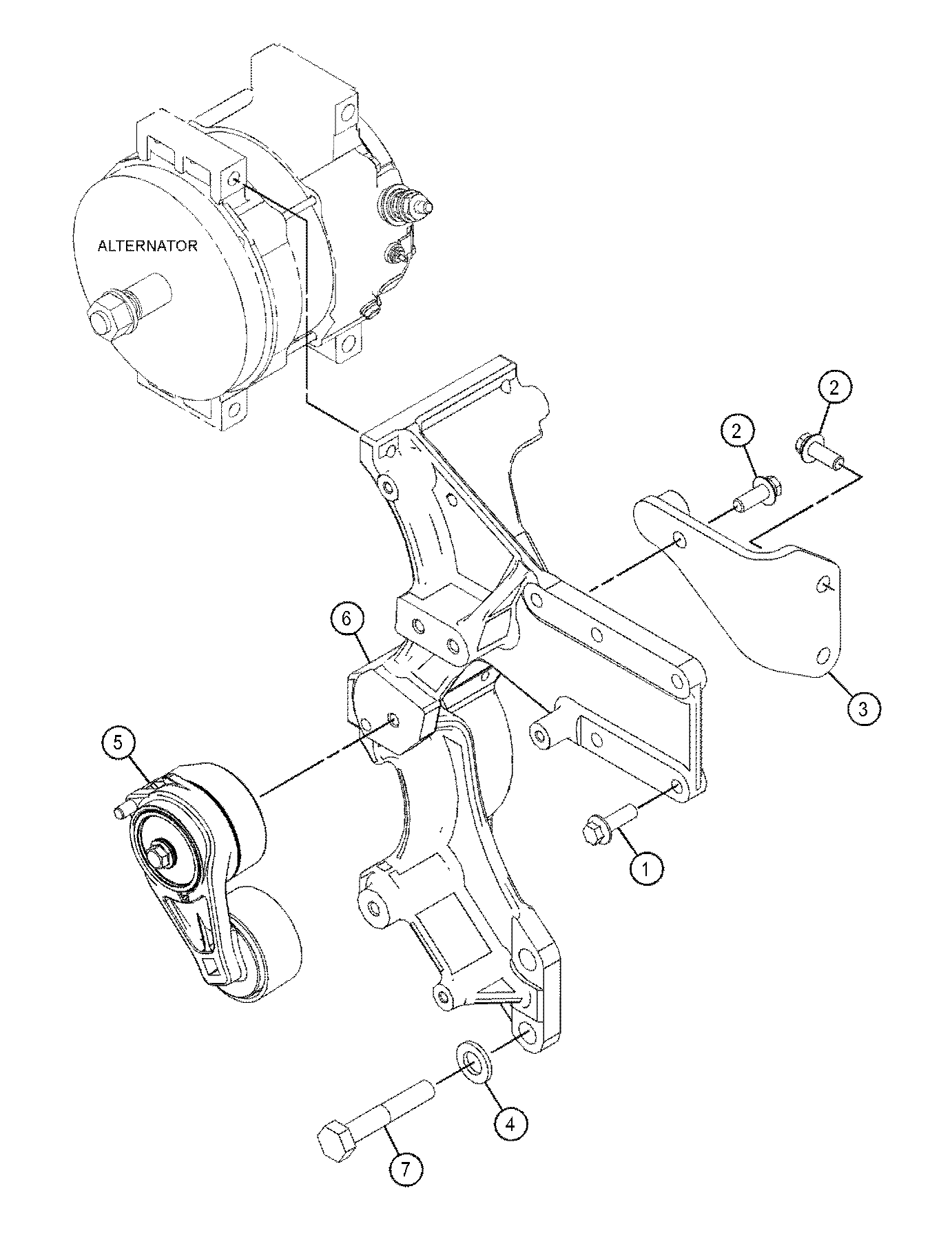
The CAT C15 ACERT belt diagram and the CAT C13 ACERT belt diagram are among the most frequently searched belt routing references in our customer base, and for good reason. The ACERT ancillary drive systems on both the C15 and C13 carry a more complex belt routing arrangement than the pre-ACERT platforms they succeeded, with additional idler pulleys and tensioner positions that must be correctly identified before a belt replacement is attempted.
Several important points about ACERT belt routing that workshop technicians frequently encounter:
-
Belt tension points — the C15 ACERT and C13 ACERT both use automatic belt tensioners that must be correctly released before the old belt can be removed and correctly loaded after the new belt is installed. Incorrect tensioner handling during belt replacement is one of the most common causes of immediate re-failure on ACERT platforms
-
Idler pulley routing — the ACERT systems use additional idler pulleys to manage the longer belt run and more complex ancillary layout. Every idler pulley must be correctly identified in the routing sequence before the new belt is installed. A single missed pulley produces immediate incorrect tension and belt failure
-
Belt specification confirmation — the C15 ACERT serpentine belt is a different part number and dimensional specification from the standard C15 belt. Installing the wrong belt on an ACERT drive system produces incorrect rib contact and rapid belt wear
At Imara Engineering, our team can confirm the correct belt specification and routing reference for your specific C15 ACERT or C13 ACERT engine serial number before your order ships, eliminating the most common sourcing and installation errors on these platforms.
Signs Your Engine Belt Needs Replacing
Engine belt wear is visible before failure in the vast majority of cases. The challenge with working machines is that the belt is often not inspected at the frequency the operating environment demands and a belt in the early stages of degradation continues running and appearing functional right up to the point of sudden failure.
Key indicators that your engine belt requires immediate inspection or replacement:
-
Glazing on the belt surface — a shiny, polished appearance on the rib faces indicates the belt has been slipping under load. A glazed belt has already lost grip efficiency and will slip under peak demand before it visually fails
-
Cracking along the rib faces or belt back — surface cracks indicate the belt compound has hardened beyond its flexible operating range. A cracked belt can snap without further warning, particularly under cold start conditions when belt compounds are at their stiffest
-
Fraying on the belt edges — edge wear indicates misalignment in the pulley system, either a misaligned tensioner, a worn idler pulley, or an incorrectly seated belt groove
-
Chirping or squealing noise on start or under load — belt slip noise from a glazed or incorrectly tensioned belt is an audible early warning before visible wear is detectable
-
Visible missing ribs — rib chunking, where sections of the belt rib profile have broken away, indicates the belt is in imminent failure condition
-
Belt dust accumulating in the engine bay — fine rubber dust settling around the pulley area is an indicator of active belt wear or slippage, generating material from the belt surface
Any of these conditions on a working excavator belt warrants immediate replacement before the next operating cycle. The cost of a belt is insignificant against the cost of the overheating and alternator failure events that a belt snap triggers.
What to Replace at the Same Time as Your Engine Belt
Engine belt replacement delivers its full value only when the tensioner and pulley system that loads and routes the belt is also in a correct serviceable condition. Fitting a new belt to worn tensioner bearings or a seized idler pulley transfers the full wear burden immediately onto the new belt and produces rapid re-failure.
At Imara Engineering, we recommend sourcing the following alongside your engine belt:
-
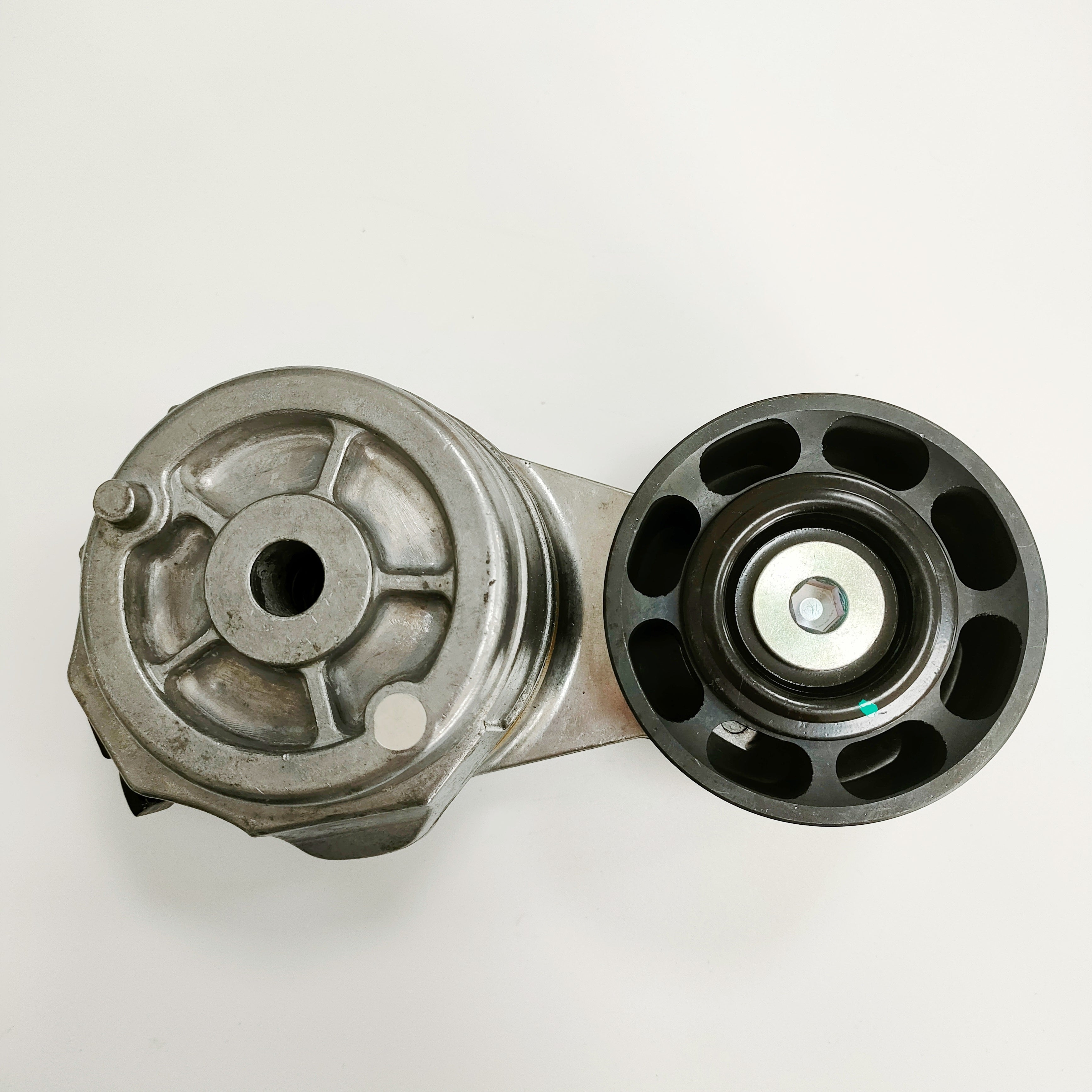
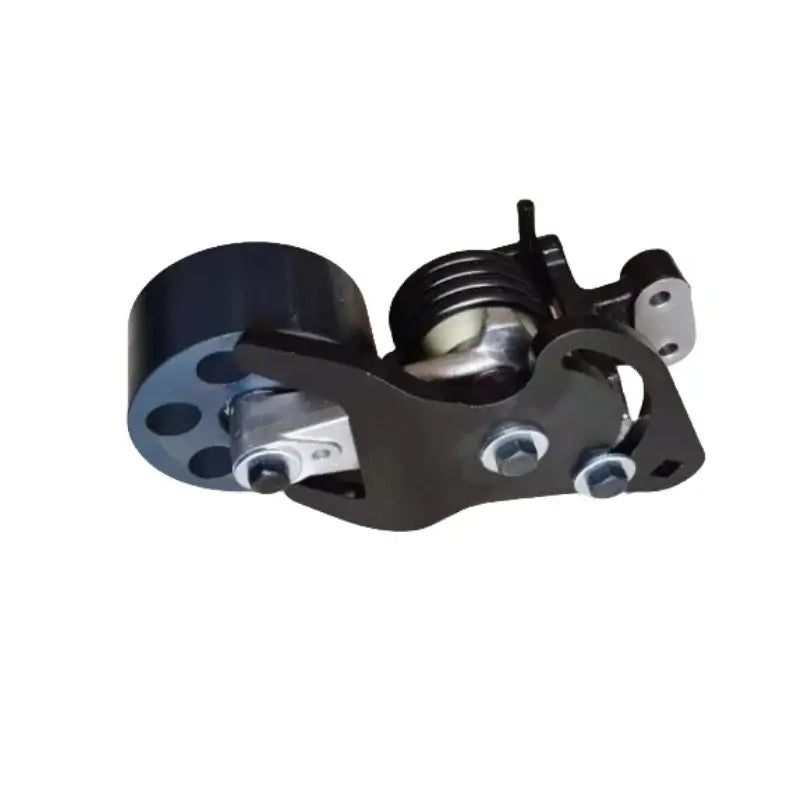
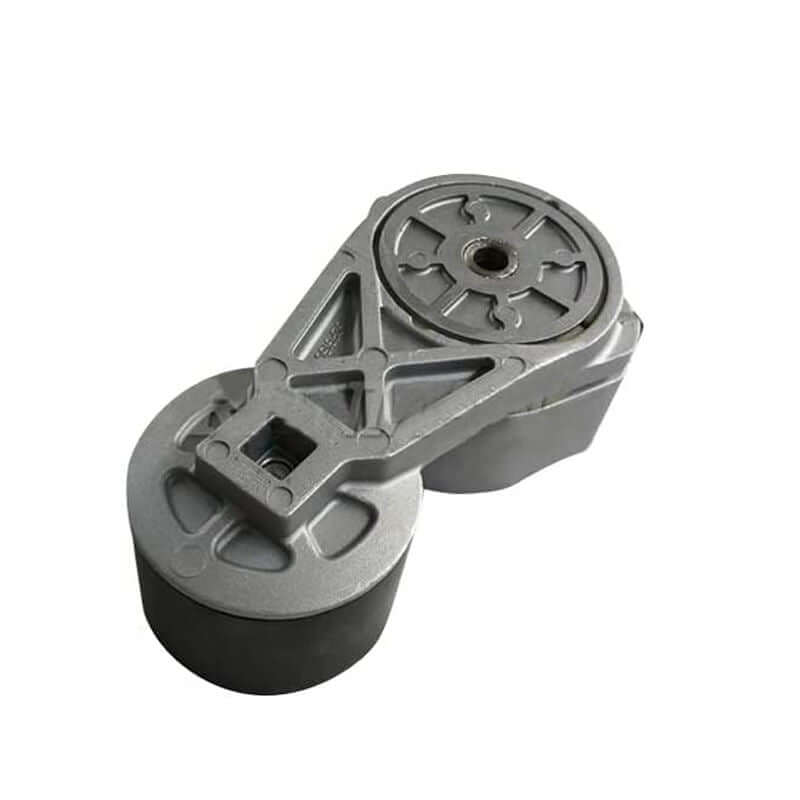
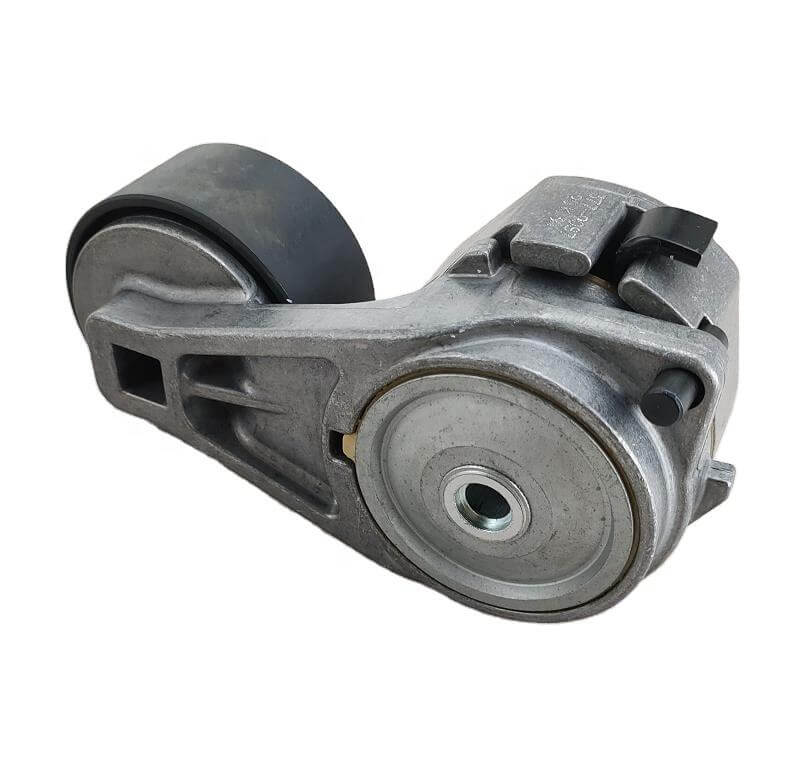
Belt tensioner and idler pulleys — the most important associated components in any belt replacement. Worn tensioner bearings allow the belt to run under insufficient tension, causing slip and accelerated rib wear. Seized idler pulleys create friction hot spots that destroy a new belt within hours. Check our Tensioners and Pulleys range for full CAT and Cummins platform coverage
-
Alternator — if the machine has been running with a slipping belt for an extended period, the alternator output should be tested before the new belt is installed. A belt slipping on the alternator pulley may have been delivering insufficient drive to maintain the correct charging voltage. Check our Alternators range for full platform coverage
-
Water pump — if the belt failure was associated with any overheating event, the water pump impeller condition should be inspected. Check our Water Pumps range for full CAT and Cummins platform coverage
-
Thermostat — a belt replacement as part of a full cooling system service should always include thermostat inspection and replacement where the unit is high-hour. Check our Thermostats range for full platform coverage
Our team can consolidate all associated components into a single order to complete the drive system service in a single dispatch, eliminating the risk of a missing component requiring a second order and additional downtime.
Why Source Your Engine Belts from Imara Engineering?
Workshop managers and fleet operators across Australia, North America, Canada, and globally choose Imara Engineering for engine belts because a belt that is close in specification is not close enough when it is the only component between a running ancillary system and a full overheating or electrical failure event.
-
OEM Dimensional Specifications Throughout — Belt length, width, rib count, compound formulation, and load capacity are all manufactured to OEM specifications. A belt that is slightly too long runs under insufficient tension. A belt that is slightly too narrow loses rib contact area and slips under load. Dimensional precision is what makes a belt last in a demanding drive system.
-
ACERT Platform Expertise — The C15 ACERT and C13 ACERT belt specifications are our highest-demand and most technically specific CAT belt platforms. We stock the correct ACERT-specification belts and confirm the correct variant against your engine serial number before every order ships.
-
Confirmed Fitment Before Dispatch — C15 or C15 ACERT, C13 or C13 ACERT, standard serpentine or separate alternator belt — the correct belt configuration is confirmed against your engine serial number before the order ships.
-
Full Drive System Supply Available — Tensioners, idler pulleys, alternators, water pumps, and thermostats available alongside your engine belt in a single consolidated order for a complete drive system service.
-
Fast Worldwide Shipping — Dispatching to Australia, USA, Canada, and internationally with full tracking and fast turnaround on all in-stock items.