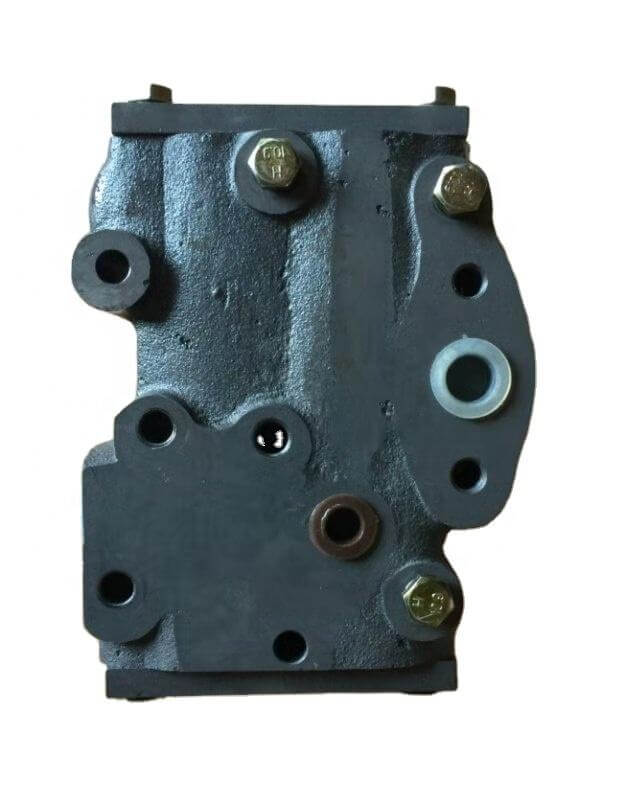
Why Oil Pressure Stability Is Critical in Engine Assemblies
Oil pressure directly impacts lubrication efficiency and internal durability.
Preventing Low Oil Pressure and Oil Pressure Drop
Low oil pressure or sudden loss of oil pressure can result from worn oil pumps, blocked oil pickup tubes, dirty oil, or failing pressure relief valves. When oil flows are restricted, moving parts such as crankshafts and piston rings experience friction, leading to engine wear and overheating.
Monitoring the oil pressure gauge and maintaining proper oil levels are essential preventative steps. Operators should routinely check their oil level to detect early signs of oil leaks or oil pressure drop before severe engine damage occurs.
Common Causes of Engine Failure in Heavy Equipment
Engine failure in construction and mining equipment is often progressive rather than sudden.
Symptoms That Indicate Major Internal Damage
Warning signs include:
- Persistent engine noise
- Excessive oil consumption
- Visible oil leaks
- Low oil pressure warnings
- Oil pressure drops under load
- Reduced engine performance
If ignored, these symptoms can lead to cracked cylinder head components, damaged oil pumps, worn piston rings, and ultimately complete engine failure.
What Is Included in a Complete Engine Assembly?
A complete engine assembly is engineered to provide balanced performance across all critical systems.
Core Internal and Lubrication Components
A typical Cummins engine assembly may include:
- Engine block
- Crankshaft
- Pistons rings
- Cylinder head
- Camshaft
- Oil pumps
- Oil pickup system
- Oil pan
- Pressure relief valves
- Gasket kits
This configuration ensures consistent oil flows, stable oil pressure, and reliable lubrication of all moving parts during extended operating hours.
Long-Term Performance and Operating Hours
Heavy machinery engines must sustain thousands of operating hours under continuous load.
Restoring Engine Performance and Reducing Engine Wear
A properly installed Cummins engine assembly:
- Restores factory-calibrated tolerances
- Improves oil pressure stability
- Prevents excessive oil consumption
- Reduces the risk of oil pressure drop
- Minimizes engine wear
- Lowers the likelihood of costly repairs
Unlike a standard car engine, heavy equipment engines operate in high-dust, high-temperature conditions that accelerate wear cycles. A complete assembly ensures system-wide balance rather than temporary fixes to individual engine parts.
Reducing Downtime and Avoiding Costly Repairs
Unplanned downtime significantly impacts productivity in mining and construction operations.
Why a Complete Assembly Is Often More Economical
Replacing individual engine parts repeatedly can lead to inconsistent performance and recurring oil leaks or lubrication issues. Installing a complete engine assembly reduces diagnostic uncertainty, restores correct oil level management, and prevents progressive internal engine damage that may otherwise result in catastrophic failure.
This proactive approach protects equipment investments and extends service life across high-hour machinery fleets.