

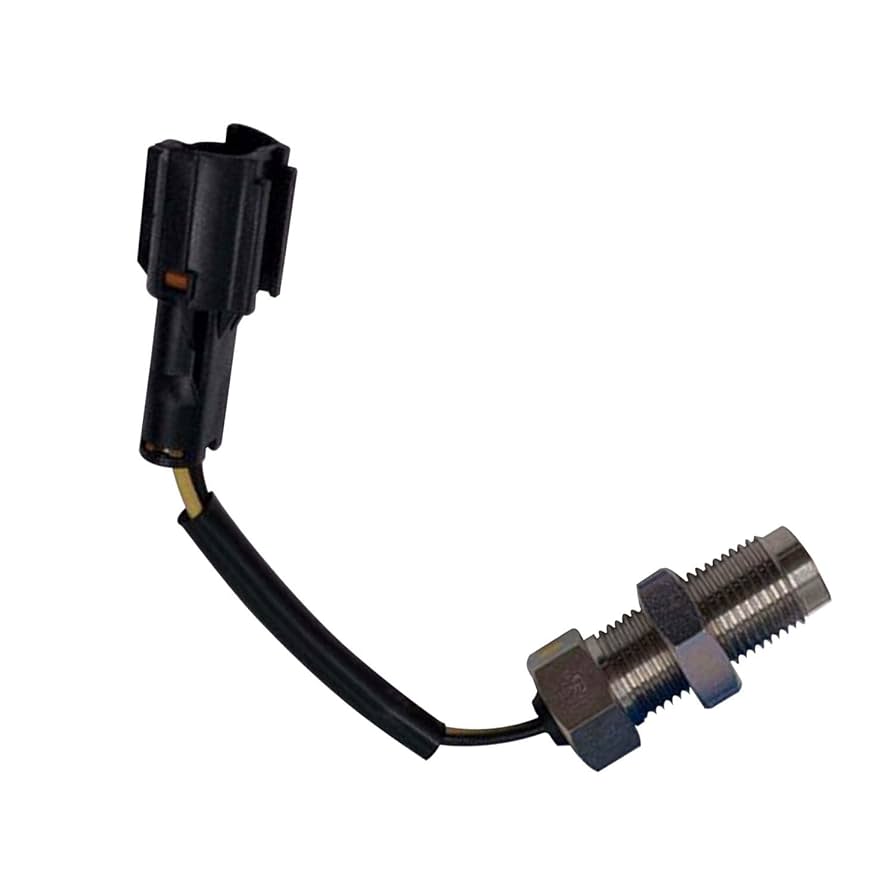
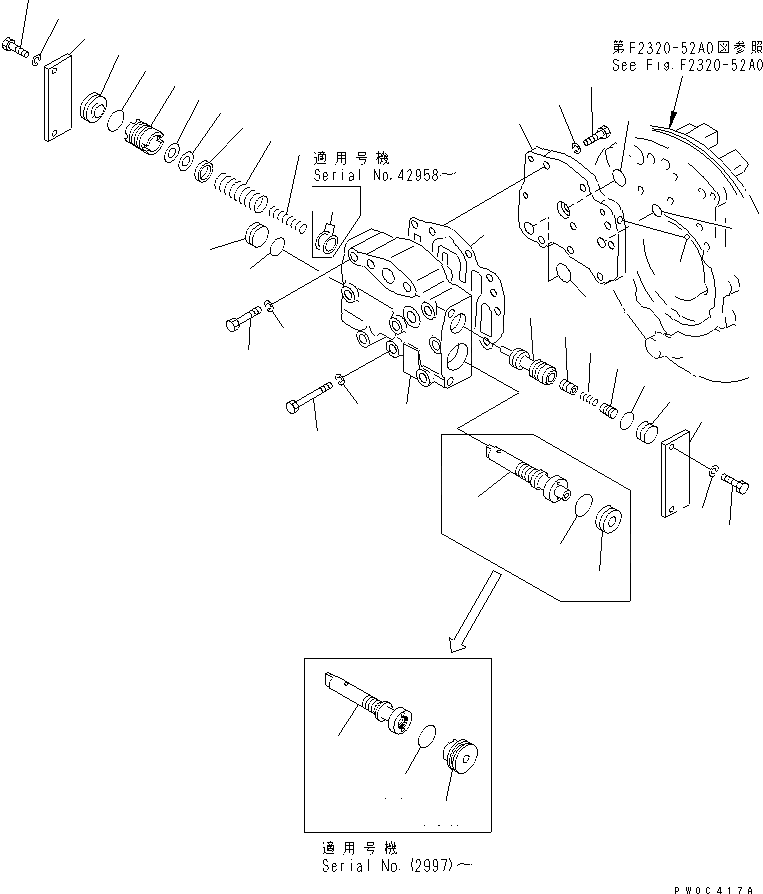
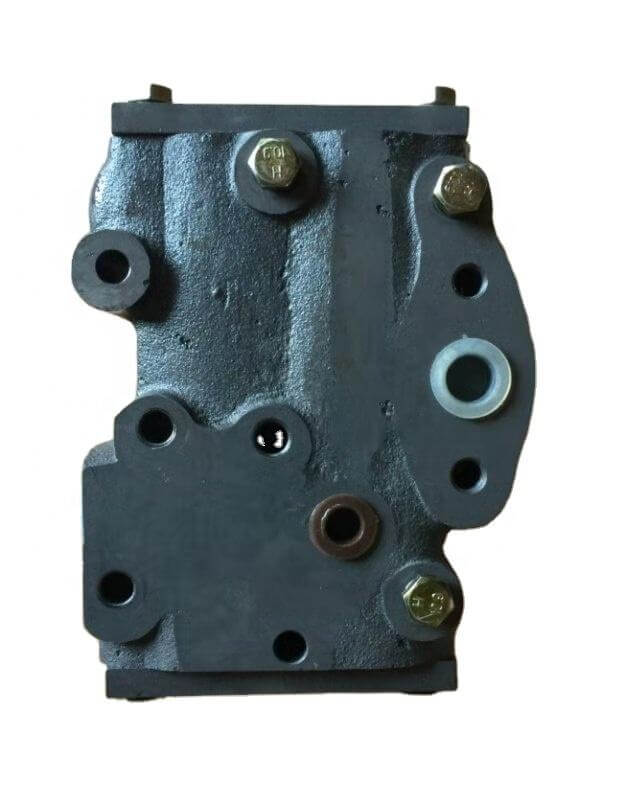
Your excavator's radiator, oil coolers, and aftercooler are like a row of powerful lungs, but lungs do nothing without a diaphragm to draw the breath. On a Hitachi ZAXIS, that diaphragm is the Hitachi fan motor: the component that spins the cooling fan and forces air across the entire heat-exchanger stack. When the fan motor weakens or fails, every cooler on the machine quietly loses its ability to shed heat, no matter how healthy those coolers are.
This guide untangles the two very different "fan motors" on a Hitachi ZX machine the cooling fan motor and the cab blower motor explains how each works, shows you the warning signs of failure, and walks through choosing the right replacement from Imara's fans and fan motors range.
Two Different "Fan Motors" on Your Hitachi: Cooling Fan vs Blower
The phrase "Hitachi fan motor" actually points to two separate parts that get confused constantly. Getting the distinction right saves you from ordering the wrong component.
- The cooling fan motor drives the large fan behind the radiator and cooler stack. Its job is machine survival: pulling or pushing air through the radiators and coolers so the engine, hydraulics, and charge air stay in the temperature range. On many ZAXIS machines, this is a hydraulic motor.
- The cab blower motor drives the small fan inside the cab's HVAC box. Its job is operator comfort and safety: moving conditioned air through the vents to keep the cab cool, warm, and demisted. This is an electric motor, and it lives in the blower motor category.
Think of it like a house: the cooling fan motor is the big attic exhaust fan that stops the whole building from overheating, while the blower motor is the fan in the wall AC unit that keeps one room comfortable. Same word, very different jobs.
What a Hitachi Cooling Fan Motor Does
Picture the cooling package as a team of heat exchangers all lined up in the airstream: the radiator, the engine oil coolers, the hydraulic oil coolers, and on turbocharged machines the intercooler/aftercooler. Each one is ready to dump heat but only if air is moving across it. The cooling fan motor is the coach that forces the whole team onto the field. No fan, no airflow, no cooling.
That is why a failing fan motor so often gets misdiagnosed as a "bad radiator" or a "blown head gasket." The coolers are fine; the air simply stopped moving.
Hydraulic vs Electric Cooling Fans on the ZX Series
Modern Hitachi ZAXIS excavators increasingly use hydraulically driven cooling fans rather than a fan belted directly to the engine. This matters when it comes to diagnosis and replacement.
A hydraulic cooling fan is spun by a dedicated hydraulic motor fed by the machine's hydraulic system. The machine's controller can vary fan speed on demand, running it slow when the machine is cold or lightly loaded, and ramping it up when temperatures climb. Some systems even reverse the fan automatically to blow debris back out of the cooler cores. The benefits are real: better fuel economy, quieter operation, and cooling that responds to actual load rather than just engine RPM.
The trade-off is added complexity. A hydraulic fan can lose speed because of the fan motor itself, a fan-drive solenoid valve, a control sensor, or a hydraulic supply problem. When you chase an overheating ZAXIS, the fan motor is the heart of that circuit, but it is worth confirming the whole drive is healthy before condemning the motor.
A belt-driven or electric fan on older or smaller machines is simpler, but the principle is identical: something spins the blade, and if that something fails, airflow dies.
The Cab Blower Motor: Comfort, Safety and Visibility
It is tempting to treat the cab blower motor as a mere comfort item, but that undersells it. On a hot quarry face or a freezing winter site, the blower is what keeps the operator alert and the windscreen clear.
Blower motors are electrical, so they fail differently from cooling fan motors: worn brushes, seized bearings, a failed resistor that kills certain speeds, or a wiring/electrical fault.
Why the ZAXIS Series Works Its Fan Motors Hard
Excavators live in exactly the conditions that punish fan motors: dust, mud, heat, and long duty cycles. A Hitachi ZAXIS working a quarry or land-clearing job pulls clouds of fine debris straight toward the cooling package all day long.
That debris does two things. It clogs the cooler cores, throttling airflow and forcing the fan to work harder, and it packs into the fan itself, straining the motor and its bearings. Add high ambient temperatures and continuous high-load digging, and the cooling fan motor on an excavator rarely gets an easy shift. It is the difference between a ceiling fan idling in a bedroom and an industrial extractor running flat-out in a foundry.
Signs Your Hitachi Fan Motor Is Failing
Cooling fan motor symptoms:
- Overheating under load despite clean coolers and full coolant, the classic sign the fan isn't moving enough air.
- Fan turning slowly or intermittently, or not ramping up when temperatures rise (on variable hydraulic fans).
- Hydraulic oil weeping from the fan motor on hydraulically driven fans.
- Whining, grinding, or bearing noise from the fan area.
- Related fault codes pointing to the fan-drive circuit, solenoid, or sensor.
Cab blower motor symptoms:
- No airflow or weak airflow from the vents.
- Some fan speeds work, others don't (a failed resistor).
- Squealing or rattling from behind the dash.
- Burning electrical smell; stop and inspect immediately.
Choosing the Right Hitachi Fan Motor Replacement
When it's time to replace a Hitachi fan motor, a few essentials keep you from ordering the wrong part:
Identify which fan motor you need. Cooling fan motor or cab blower motor? They are entirely different components; confirm the symptom points to the right one before ordering.
Match by model and serial number. A ZX200 and a ZX350 do not share the same cooling fan motor. Hitachi's ZAXIS range spans many sizes and generations, so always verify against your exact Hitachi machine.
Confirm the drive type. Hydraulic fan motors and electric fans are not interchangeable. Match displacement, shaft, mounting, and port configuration for hydraulic units; match voltage, connector, and cage for electric blowers.
Weigh OEM vs quality aftermarket. Both are valid depending on the machine's age and how long you'll keep it. Our guide to OEM vs aftermarket heavy equipment parts helps you decide.
Browse Imara's fans and fan motors and blower motors, or explore the wider Hitachi parts catalogue while the machine is apart.
The Fan Motor Is the Coach of the Whole Cooling Team
It is worth stepping back to see the bigger picture. The fan motor doesn't cool anything by itself; it makes every other cooler on the machine effective by moving air across all of them at once. When it's healthy, the radiator, engine oil coolers, hydraulic oil coolers, and charge air cooler all perform to spec.
That last one is especially important on turbocharged machines. An aftercooler relies entirely on airflow to chill the boost air feeding the engine, so a weak fan motor quietly starves it. If you run Cummins-powered equipment, our companion Cummins aftercooler guide explains how that charge-air cooling works and why it depends on the very airflow your fan motor provides. Move the air, cool the air: the two jobs are inseparable, and the fan motor is what makes the whole cooling package work as a team.
Maintenance Tips to Extend Fan Motor Life
- Keep the cooler cores clean. A clogged radiator and coolers stack forces the fan and its motor to work harder. Blow out dust and mud regularly.
- Listen for early bearing noise. A whine or grind is a cheap warning; heed it before the motor seizes.
- Service the fan-drive circuit, not just the motor. On hydraulic fans, check the solenoid valve, sensors, and hydraulic supply.
- Keep hydraulic oil clean. Contaminated oil wears hydraulic fan motors fast; maintain your hydraulic parts and filters.
- Test the blower on all speeds. A dead speed usually means a failing resistor, caught easily during routine HVAC checks.
Keep the Air Moving
The Hitachi fan motor is a modest component with an outsized job: it is the machine's diaphragm, and every cooler on board depends on it. Keep the cores clean, listen for early warning noises, service the whole fan-drive circuit, and replace the motor at the first real sign of trouble rather than after an overheating event does damage.
Need a replacement? Explore Imara's fans and fan motors, blower motors, and full Hitachi parts range, or contact our technical team 24/7 to confirm the exact fan motor for your ZAXIS by model and serial number.


