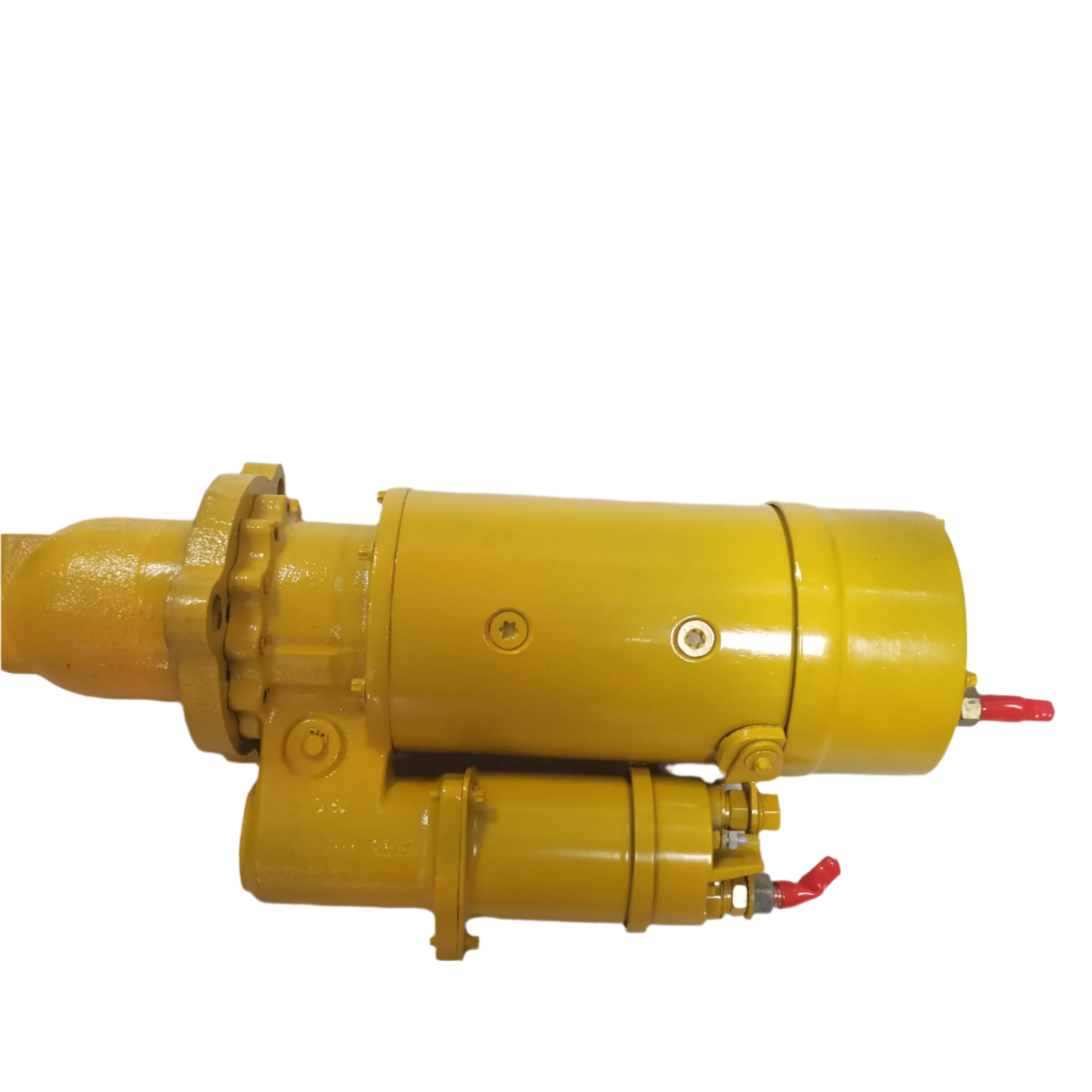
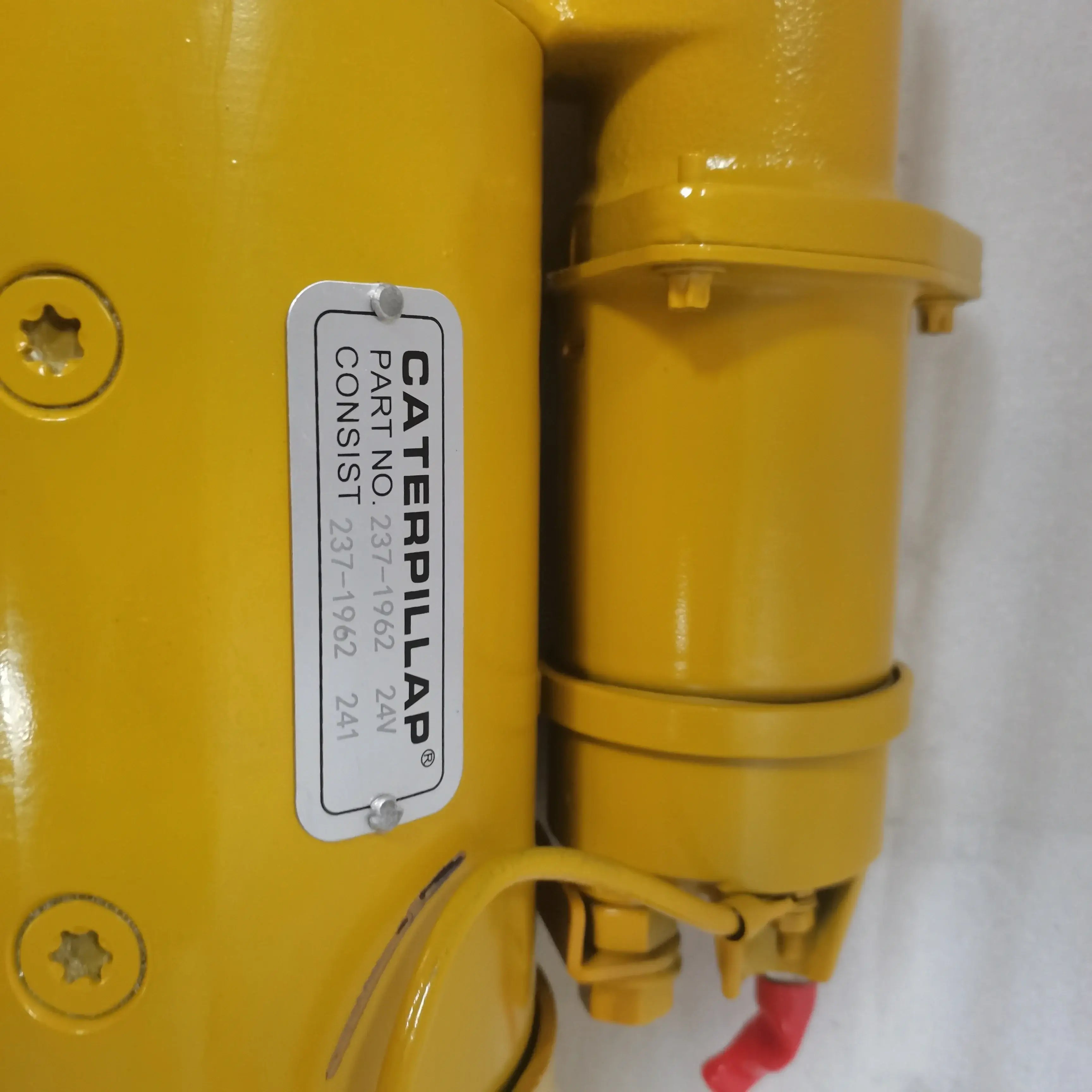
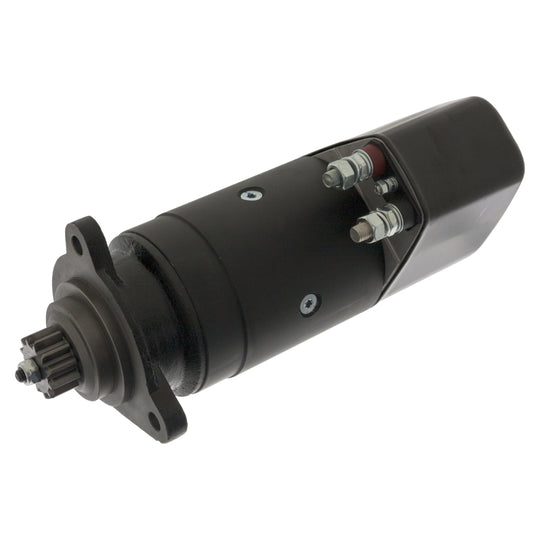
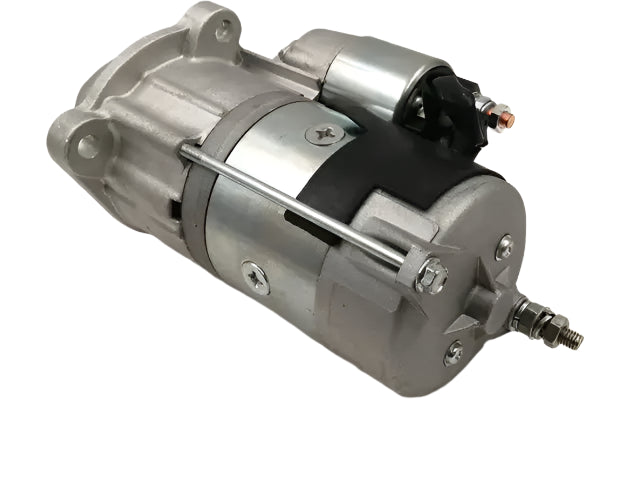
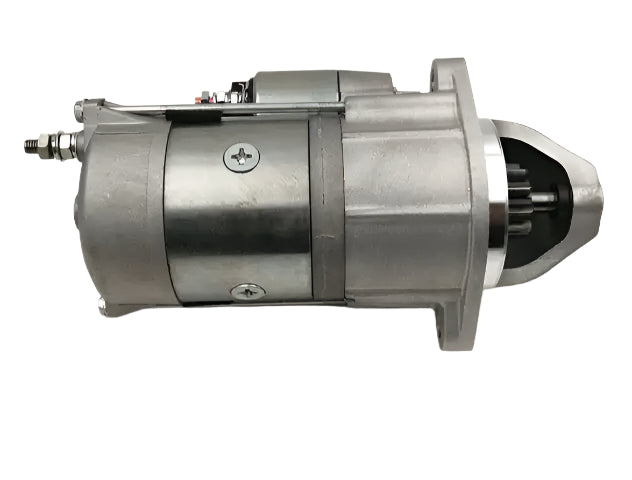
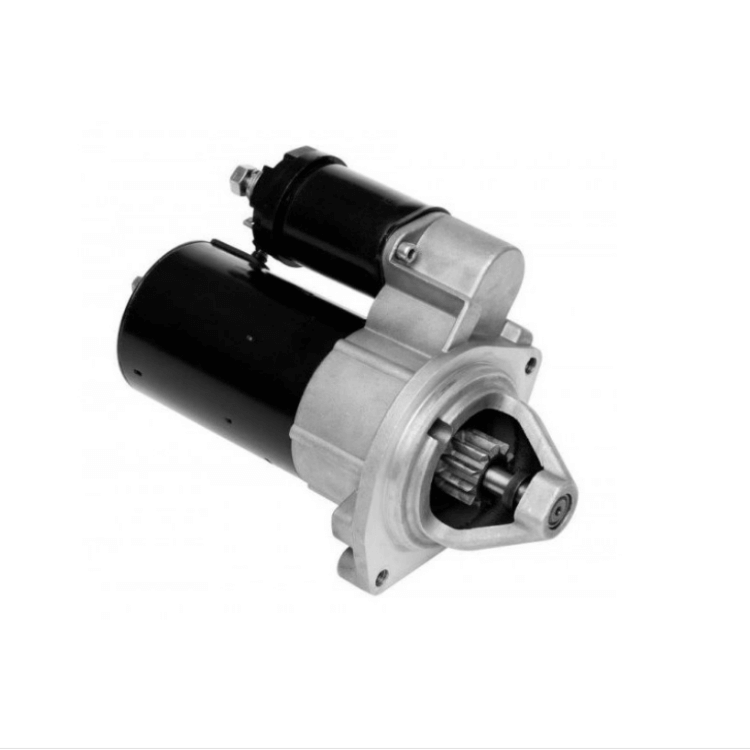
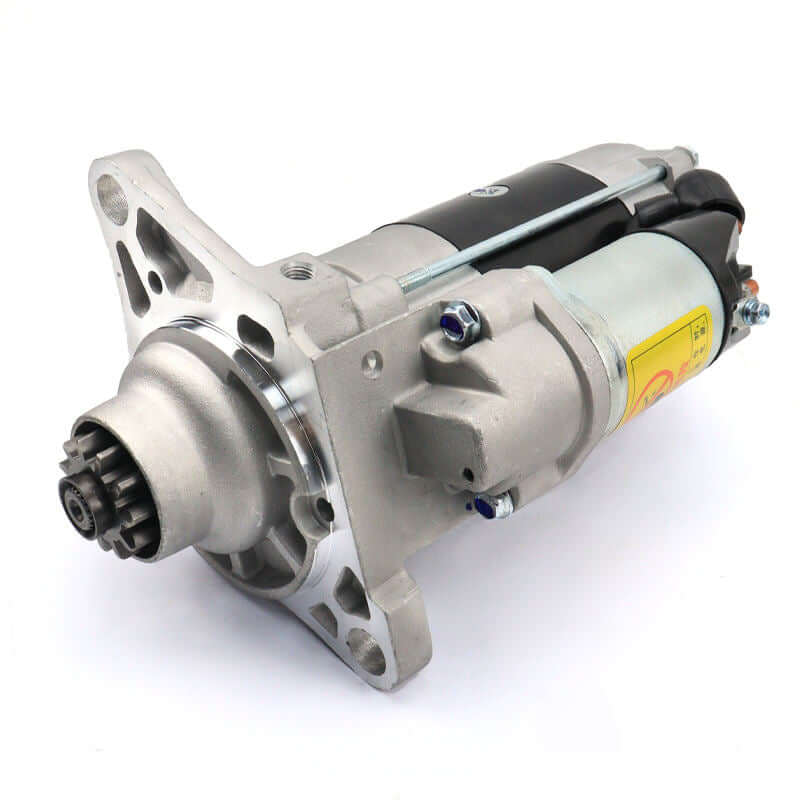
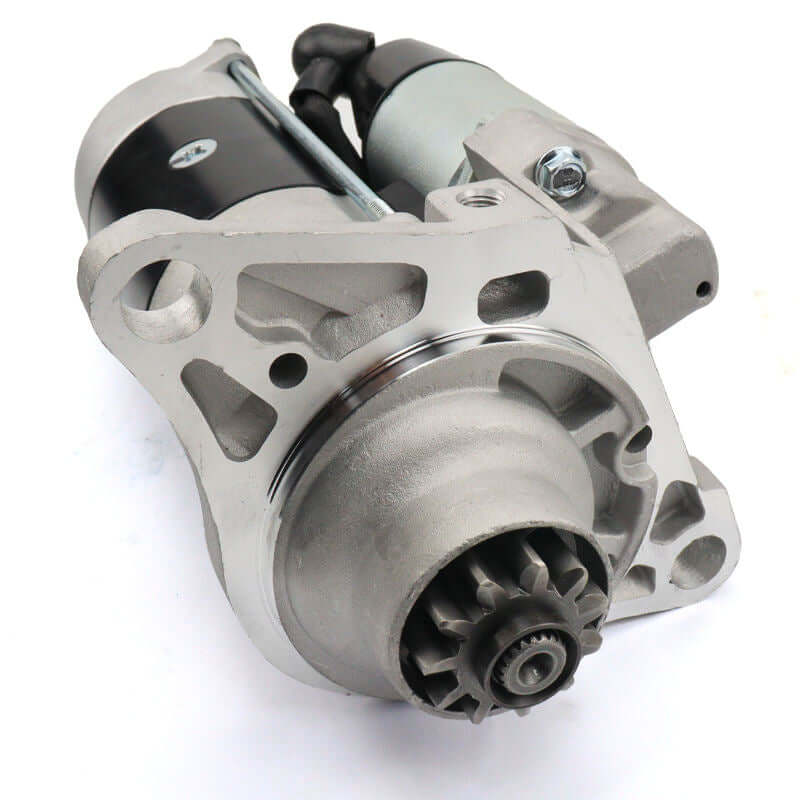
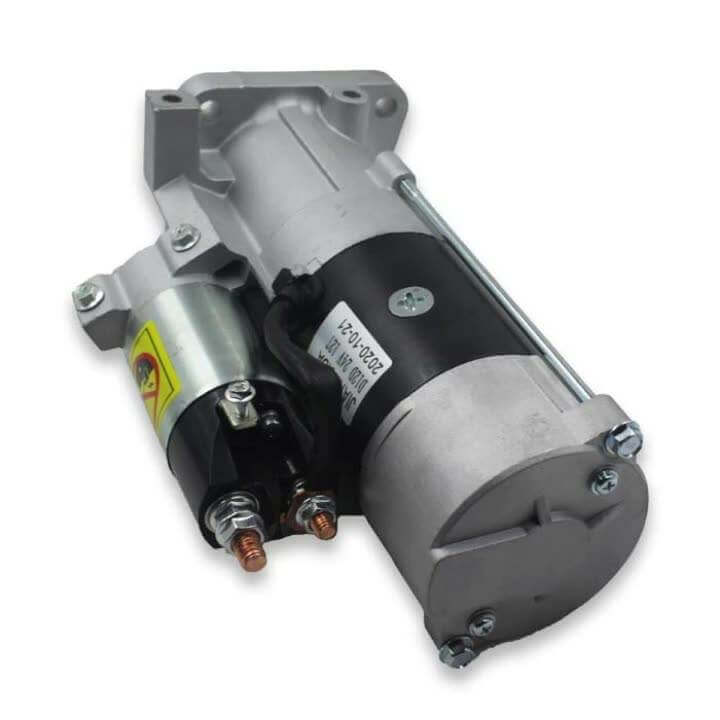
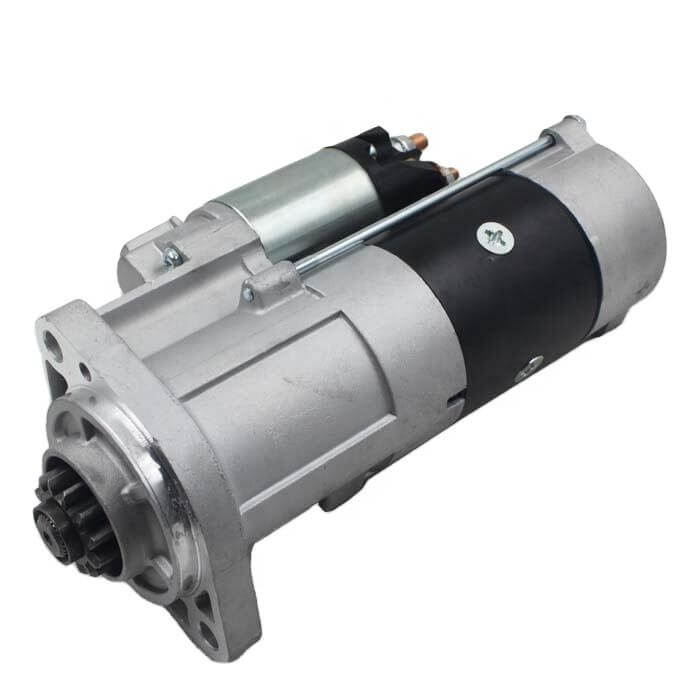
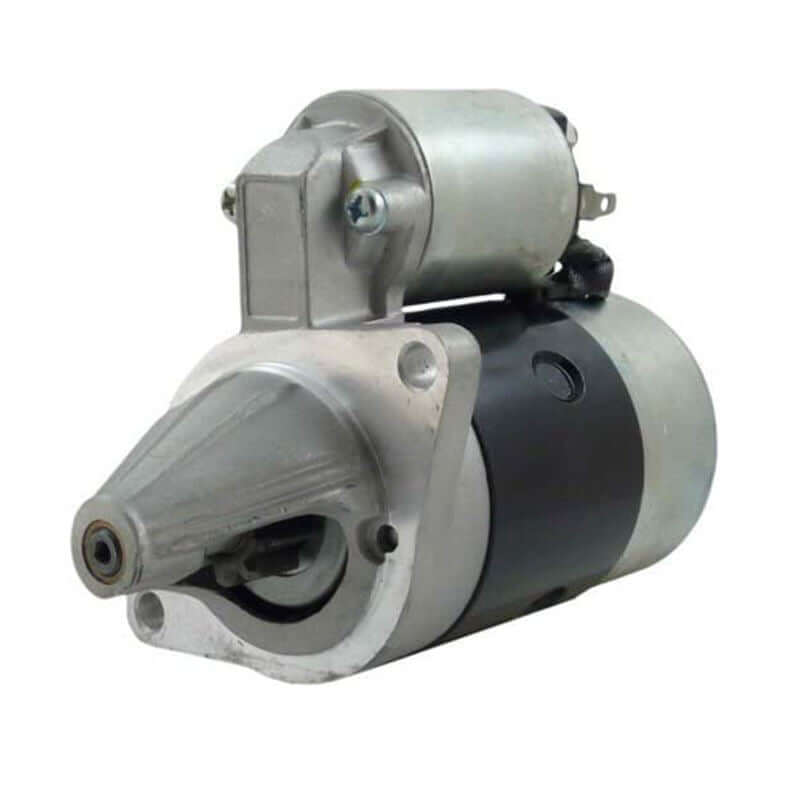
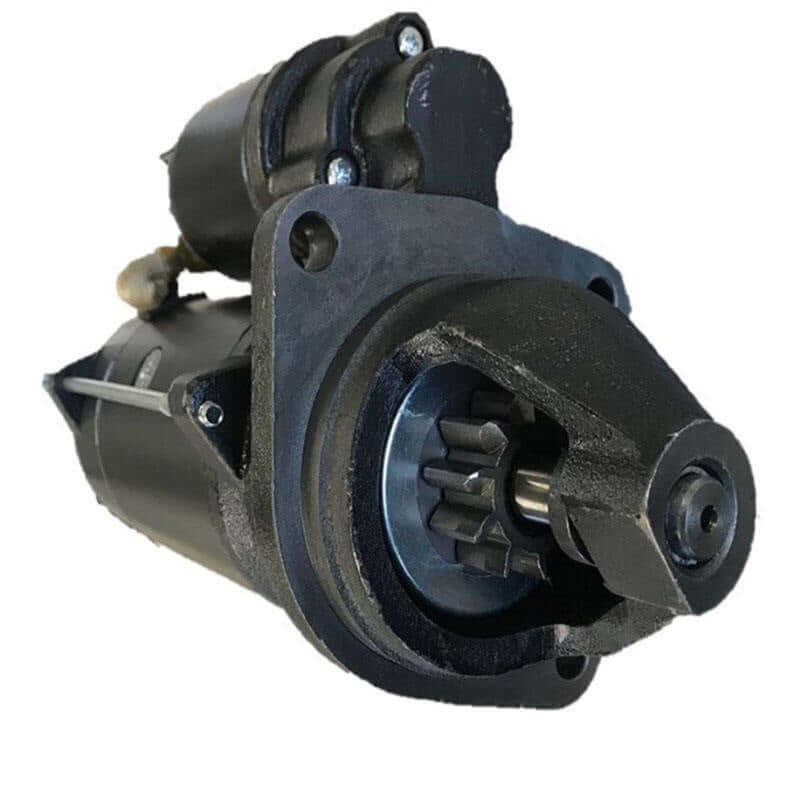
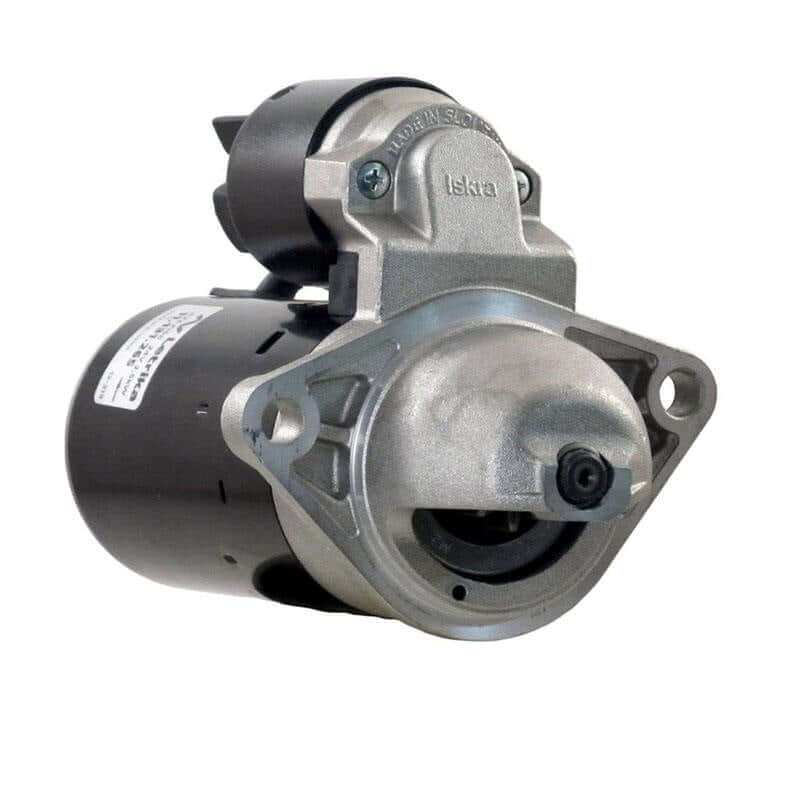
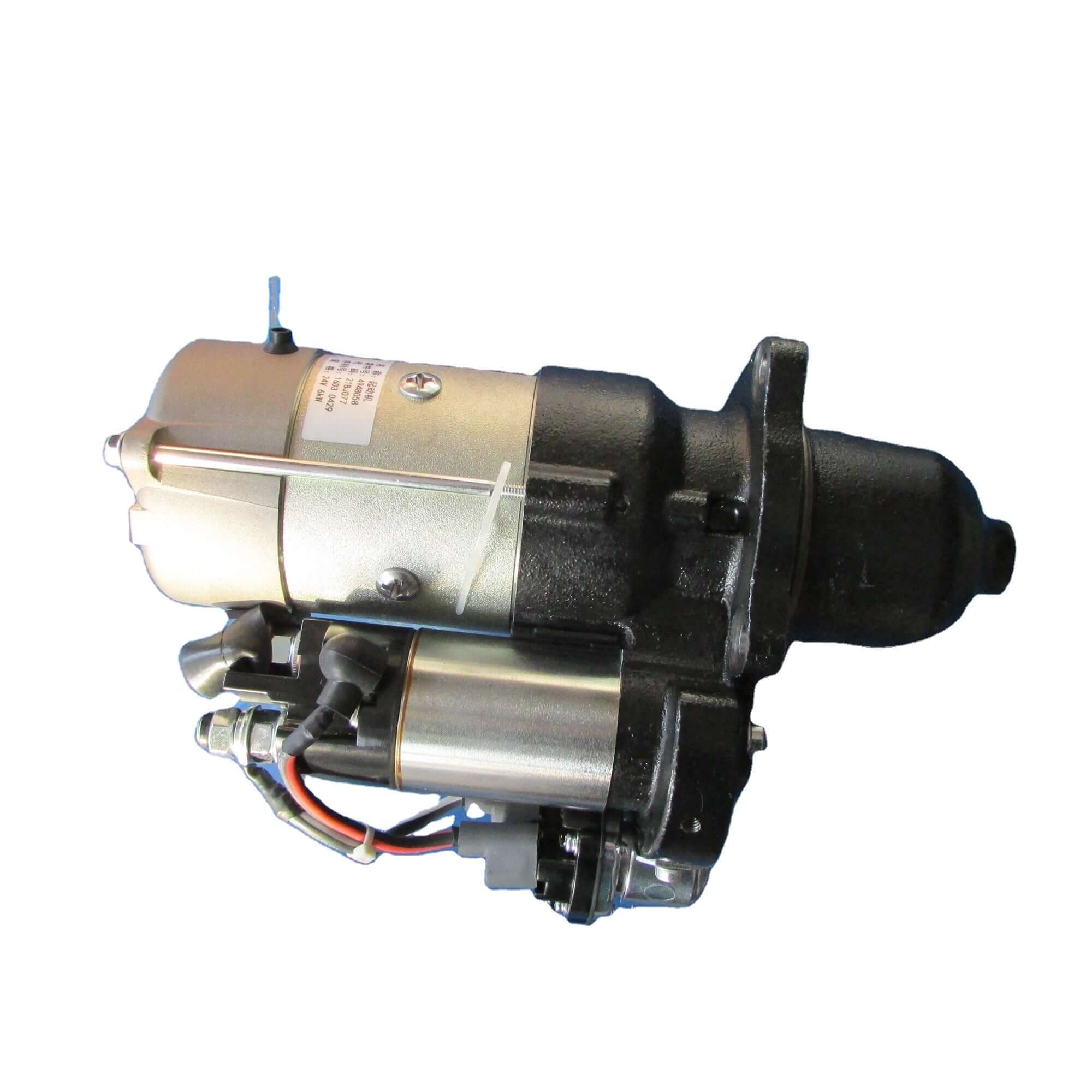
What a Starter Motor Does and Why Failure Stops Your Operation
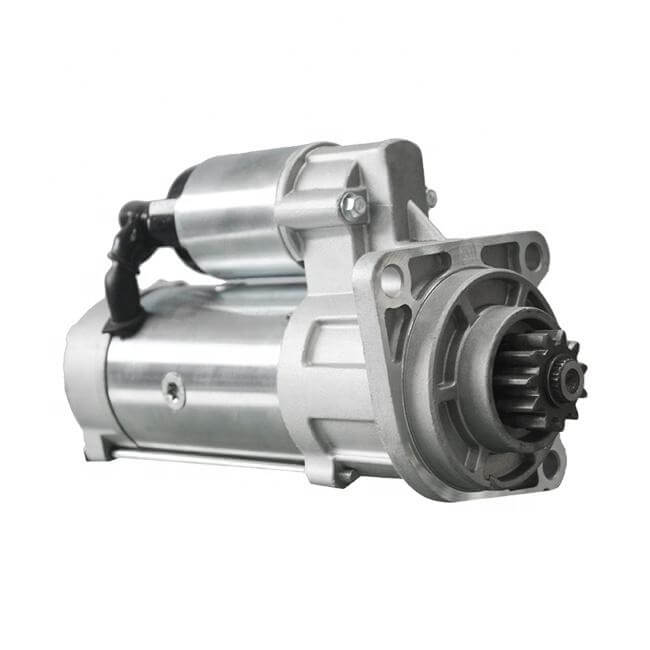
The starter motor performs one function, but it must perform it with absolute reliability every single time. When the operator turns the ignition key or presses the start button, the starter solenoid engages simultaneously on two circuits: it connects the motor to the battery to begin rotation, and it drives the pinion gear forward to mesh with the flywheel ring gear. The spinning pinion turns the flywheel, which rotates the crankshaft, which moves the pistons through their compression strokes until compression ignition occurs and the engine fires under its own power. The moment the engine starts, the pinion disengages automatically to prevent the now-running engine from driving the starter motor in reverse.
This sequence happens in a fraction of a second and must be executed correctly every single time the engine is started. On an excavator or heavy plant machine operating in remote conditions, in cold climates, or on high-production schedules, a starter motor that fails to perform this sequence reliably is not just an inconvenience it is an operational stoppage with immediate productivity and cost consequences.
The failure of a starter motor follows a recognisable and progressive sequence that experienced operators and workshop technicians learn to identify before the point of complete failure:
-
Slow or laboured cranking — the engine turns over more slowly than normal, indicating the starter motor is no longer delivering its rated cranking torque due to worn brushes, a weakening armature, or increased internal resistance'
-
Intermittent starting — the engine starts on some attempts but not others, indicating inconsistent solenoid engagement or intermittent brush contact within the motor body
-
Single click on ignition with no engine movement — the solenoid is engaging and attempting to pull the pinion forward, but the motor is not turning, a strong indicator of brush or armature failure inside the motor
-
Grinding noise on start — the pinion is engaging the ring gear incorrectly, or the ring gear itself is damaged, producing a metallic grinding sound as the gears clash rather than mesh cleanly
-
Complete failure to respond — no noise, no movement, no response on any attempt, full starter motor failure requiring immediate replacement before the machine can be operated
In remote site conditions, mining operations, infrastructure construction, or agricultural applications far from a service centre, a failed starter motor grounds the machine entirely until a replacement arrives. Proactive replacement at the first signs of decline is always less costly than an emergency recovery and unplanned downtime event.
CAT Starter Motors, Full Platform Coverage
Caterpillar diesel engines represent the highest demand for starter motors across our range. The C15 and particularly the C15 ACERT are the highest-demand CAT starter motor platforms, reflecting the volume of C15-powered machines in active heavy-duty service globally and the demanding start cycles these machines undergo in mining, construction, and earthmoving applications. The 3306 and 3406B platforms carry equally strong demand, reflecting the enormous number of these engines still in active heavy-duty service across global heavy plant fleets.
Our CAT starter motors range covers:
-
CAT C15 & C15 ACERT — the highest-demand CAT starter motor in our range, rated to OEM cranking torque for both the standard C15 and the ACERT variant, with their distinct compression and starting load profiles
-
CAT 3306 — one of the most widely deployed CAT engines ever built, with strong and ongoing starter motor demand across global heavy plant and on-highway fleets
-
CAT 3208 — a reliable multi-application platform used across excavators, marine applications, and generator sets — with starter motor specifications matched to the varied installation configurations of this platform
-
CAT 3126 — widely used across a range of Caterpillar-powered equipment types, with consistent starter motor replacement demand at high engine hours
-
CAT 3406B — a high-demand legacy platform with starter motor specifications that must be confirmed against the engine serial number to ensure correct solenoid voltage and pinion configuration
-
CAT C13 — deployed across large excavators and heavy plant equipment globally, with starter motor output rated to the cranking demands of this high-compression platform
All CAT starter motors are individually tested before dispatch and cross-referenced to your engine serial number to confirm the correct variant and mounting configuration for your specific machine.
Cummins Starter Motors, Heavy Diesel Platform Coverage
Cummins diesel engines are deployed across some of the most demanding heavy equipment and over-the-road applications globally. The broad range of Cummins platforms, from the compact 4BT used in light excavators through to the high-output ISX15 powering the largest plant machines, each carries distinct starter motor specifications that reflect the compression ratios, displacement, and starting load profiles of the individual engine.
Our Cummins starter motors range covers:
-
Cummins 4BT & 6BT — compact and mid-range Cummins platforms widely used in excavators, light plant, and agricultural equipment, with starter motor ratings matched to the starting loads of these compact high-compression engines
-
Cummins ISX & ISX15 — modern high-output Cummins platforms with starter motor specifications matched to the elevated cranking demands of these large-displacement diesel engines
-
Cummins N14 — a high-torque legacy platform with strong ongoing starter motor demand across heavy plant and on-highway applications worldwide
-
Other Cummins platforms — contact our team with your engine serial number to confirm availability for your specific Cummins variant
All Cummins starter motors are rated to OEM cranking torque and duty-cycle specifications and are tested before every dispatch.
Komatsu Starter Motors, Excavator Platform Coverage
Komatsu excavators are among the most widely operated heavy machines in the construction and mining industries globally. The high start cycle frequency that Komatsu machines undergo, particularly in production environments where the machine is started and shut down multiple times across a working shift, places sustained demand on the starter motor and its solenoid, brushes, and armature winding over the machine's service life.
Our Komatsu starter motors range covers:
-
Komatsu excavator platforms — starter motors for major Komatsu excavator engine configurations, rated to OEM cranking torque and duty cycle specifications for reliable starting across all operating conditions
-
Specific Komatsu models — contact our team with your machine model and engine serial number to confirm the correct starter motor specification for your specific Komatsu excavator variant
All Komatsu starter motors are tested before dispatch and cross-referenced to your machine serial number for confirmed fitment.
JCB & Other Plant Equipment Starter Motors
Beyond the major CAT, Cummins, and Komatsu platforms, Imara Engineering supplies starter motors for a broader range of heavy plant and construction equipment manufacturers. The JCB JS130 is one of the most commonly requested models outside the primary platforms in our range, a widely operated mid-size excavator with strong global fleet numbers and consistent starter motor replacement demand across construction and civil earthmoving fleets.
Our extended starter motor range covers:
-
JCB JS130 — starter motor for one of the most widely operated mid-size excavators globally, cross-referenced to the correct engine and solenoid specification for direct fitment
-
Other plant and equipment manufacturers — contact our team with your machine model and engine serial number. If your machine is not listed in our standard range, we can source or confirm availability for your specific application
Cold Weather Starting: Why Starter Motor Specification Matters More in Low Temperatures
Cold ambient temperatures impose significantly greater demands on a diesel engine starter motor than warm-weather starting, and this is a particularly important consideration for operators running machines in cold climates across Canada, northern Australia, high-altitude mining operations, and northern US states.
Cold weather affects starting performance in three compounding ways:
-
Increased engine cranking resistance — cold engine oil is significantly more viscous than warm oil, increasing the mechanical resistance the starter motor must overcome to turn the engine over to firing speed
-
Reduced battery capacity — battery chemical efficiency drops significantly in cold temperatures, reducing the cranking current available to the starter motor at the moment it is needed most
-
Higher compression ignition threshold — cold combustion chamber temperatures require the engine to be cranked to a higher speed for longer before compression ignition occurs, placing the starter motor under sustained load for a longer duration than a warm start
A starter motor that performs adequately in warm conditions may fail to achieve reliable starting in cold weather, particularly if brush wear or armature condition has already reduced the motor's effective output below its rated specification. At Imara Engineering, every starter motor is rated to OEM cold-cranking performance specifications and tested before dispatch to confirm it will perform correctly under the full range of starting conditions your machine encounters.
What to Replace at the Same Time as Your Starter Motor
Starter motor replacement is most effective when carried out alongside the electrical system and drive components that directly affect its performance and the systems most likely to have been stressed by its decline.
At Imara Engineering, we recommend sourcing the following alongside your starter motor:
-
Battery — a starter motor that has been working hard against a declining battery has been under sustained electrical stress. A battery that has been deep-cycled repeatedly by starter demands above its capacity should be tested and replaced at the same time to restore full system starting performance
-
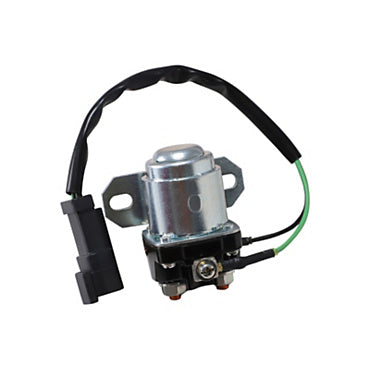
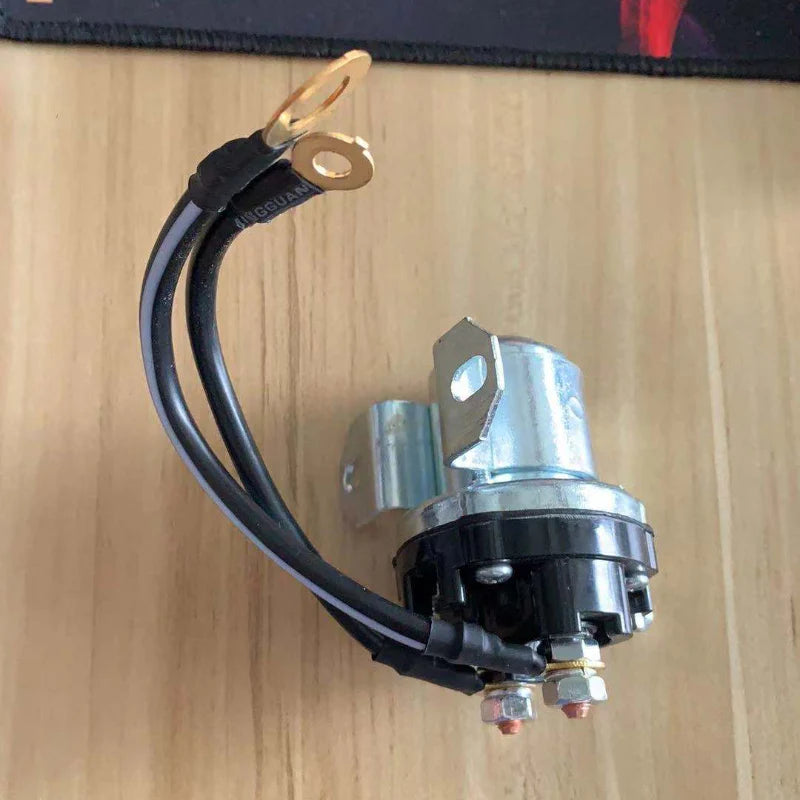
Solenoid — on platforms where the starter solenoid is a separately replaceable component, solenoid wear is the most common cause of intermittent starting issues. Replacing the solenoid alongside the motor body eliminates this as a re-failure risk
-
Ring gear inspection — if the starter motor showed grinding on engagement before failure, the flywheel ring gear should be inspected for tooth damage before the new starter is installed. Damaged ring gear teeth will destroy a new pinion gear rapidly
-
Alternator — if the machine is high-hour and the starter motor is being replaced as part of a broader electrical system service, the alternator output should be tested at the same time. A failing alternator that is not charging the battery correctly places every subsequent start under increased stress. Check our Alternators range for full CAT and Cummins platform coverage
-
Engine Accessories service — starter motor replacement is an ideal time to inspect belts, tensioners, and other engine accessory components. Check our Engine Accessories range for full platform coverage
Our team can consolidate all associated components into a single order to eliminate sourcing gaps and complete the electrical system service in a single dispatch.
Why Source Your Starter Motor from Imara Engineering?
Fleet managers and workshop operators across Australia, North America, Canada, and globally choose Imara Engineering for starter motors because a starter motor is the single component whose failure immediately and completely stops machine operation, and we do not supply components that have not been tested and verified to the OEM specification your engine demands.
-
Rated to OEM Cranking Torque and Duty Cycle — Armature winding specification, solenoid pull-in voltage, and pinion engagement geometry all matched to OEM standards. Correct cranking torque is what starts a cold, high-compression diesel engine reliably — every time.
-
Individually Tested Before Dispatch — Every starter motor in our range is tested before it leaves our facility. You receive a component that has been verified under load, not just visually inspected against a catalogue entry.
-
Cold-Weather Performance Verified — Starter motors are rated and tested to OEM cold-cranking specifications — critical for operators running machines in cold climate conditions where a marginal starter motor will fail at the worst possible moment.
-
Confirmed Fitment Before Dispatch — Machine serial number, engine model, and mounting configuration are cross-referenced before every order ships. C15 or C15 ACERT, 3306 or 3406B — the correct specification confirmed before dispatch.
-
Associated Electrical Components Available — Alternators, batteries, and engine accessories available alongside your starter motor in a single consolidated order for a complete electrical system service.
-
Fast Worldwide Shipping — Dispatching to Australia, USA, Canada, and internationally with full tracking and fast turnaround on all in-stock items.