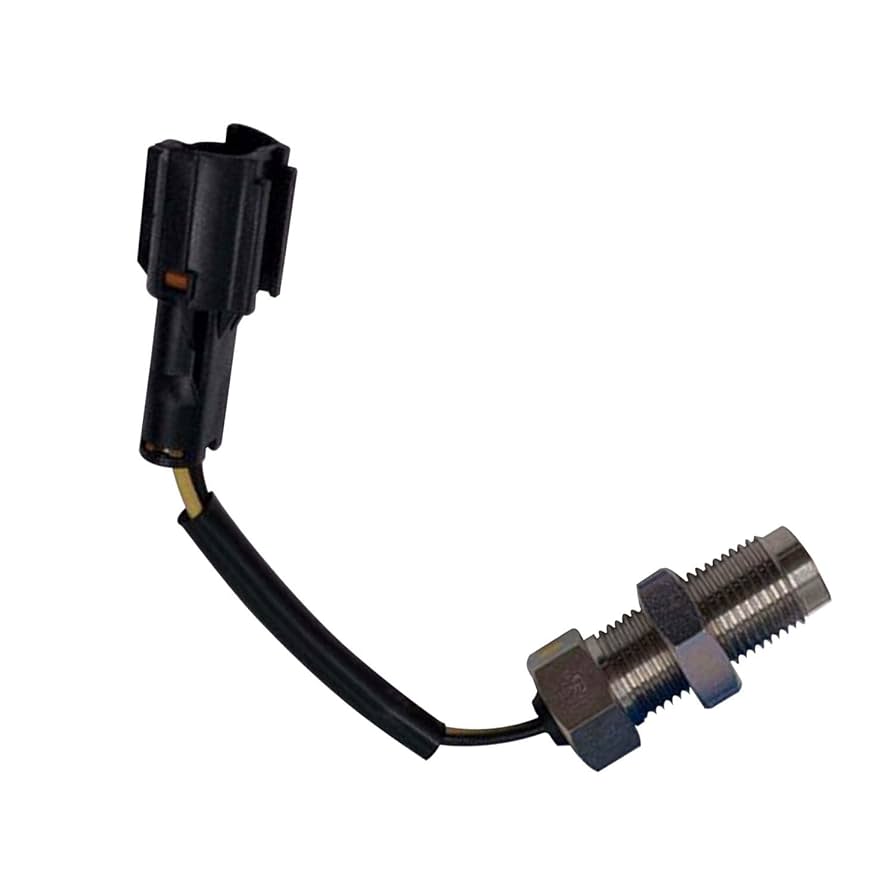
What a Diesel NOx Sensor Does: and Why Failure Shuts Machines Down
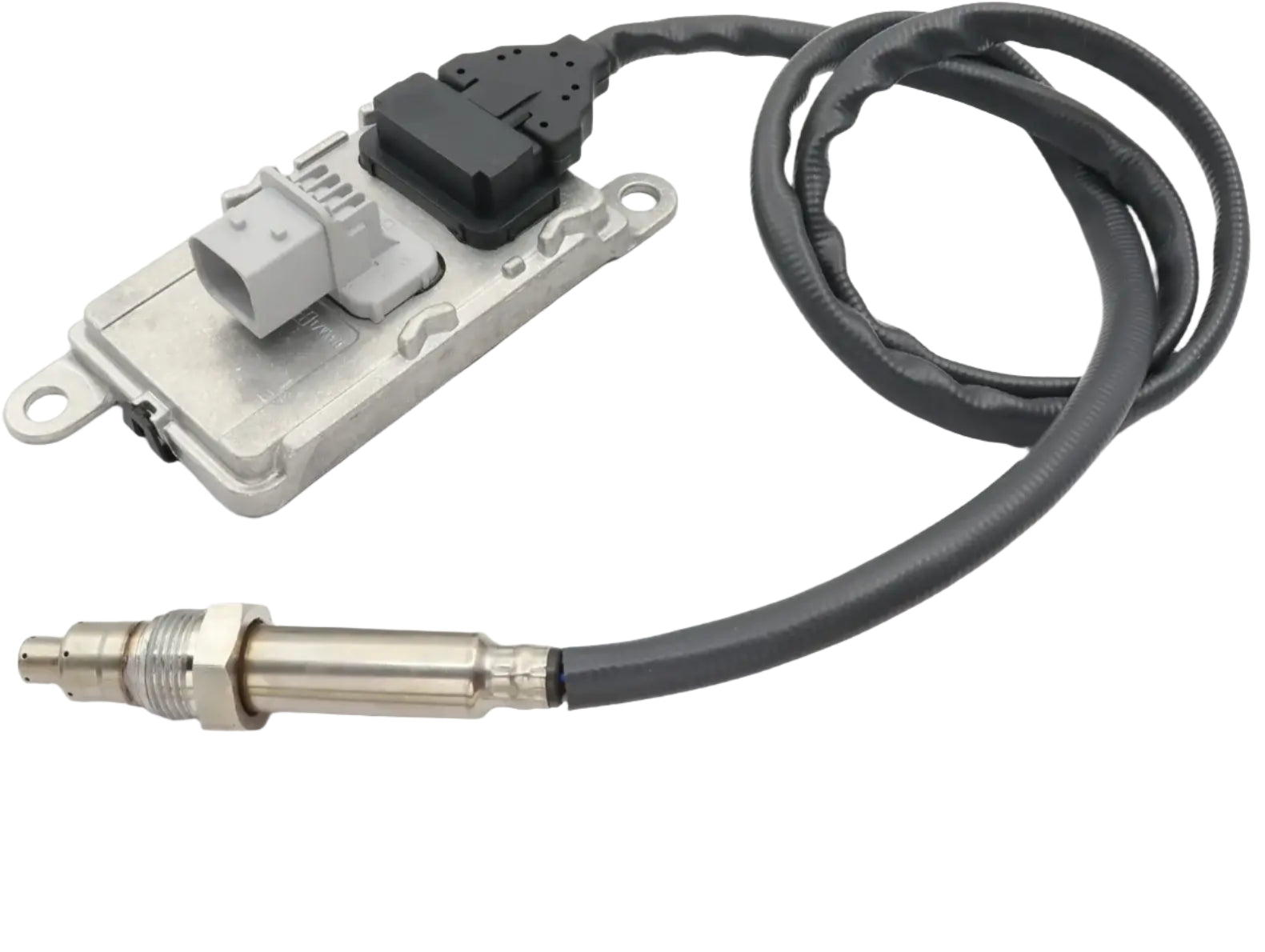
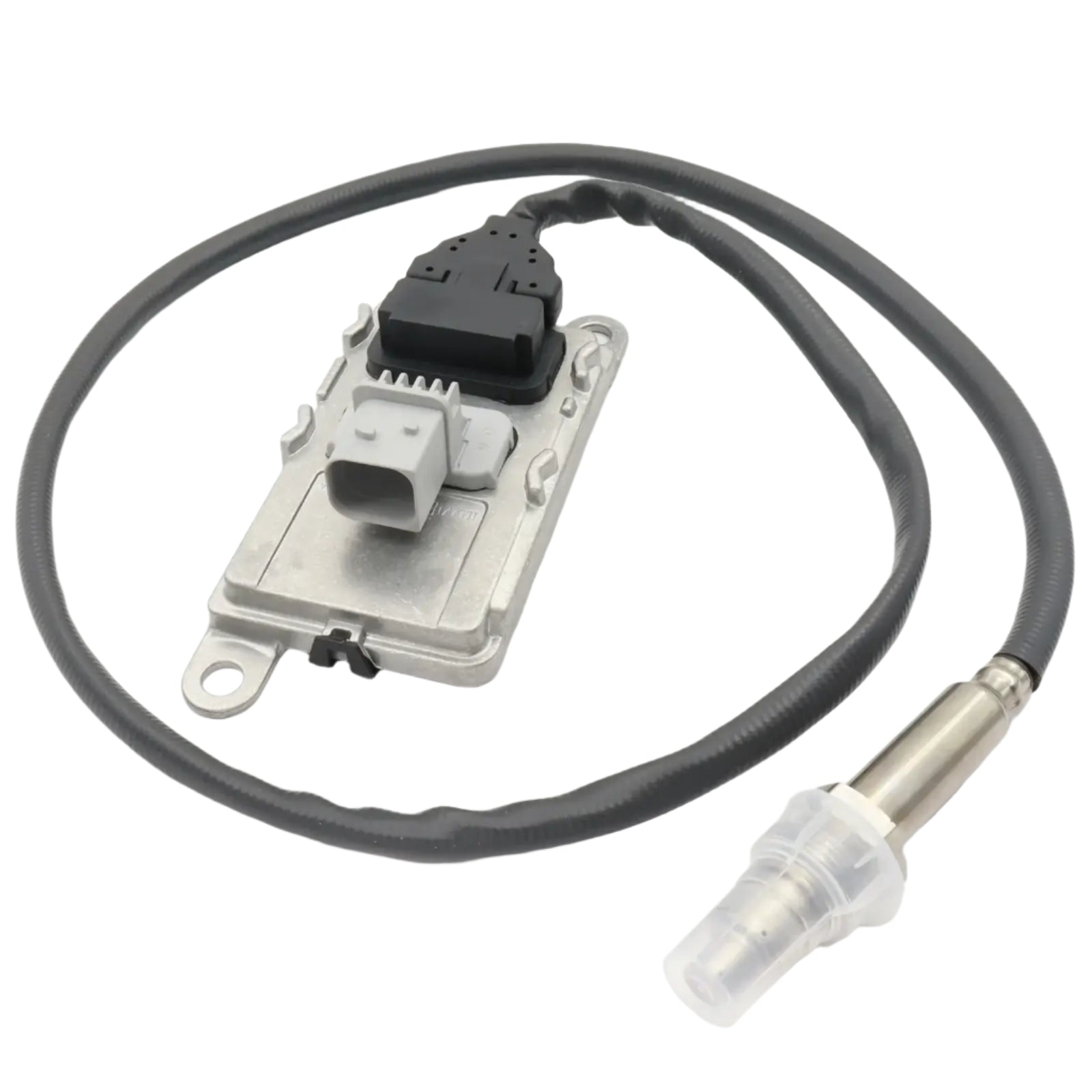
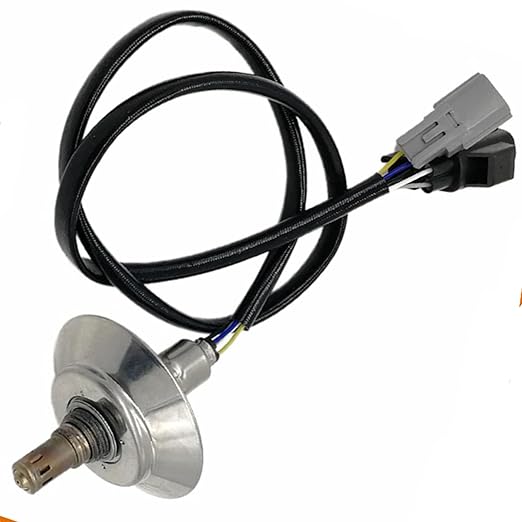
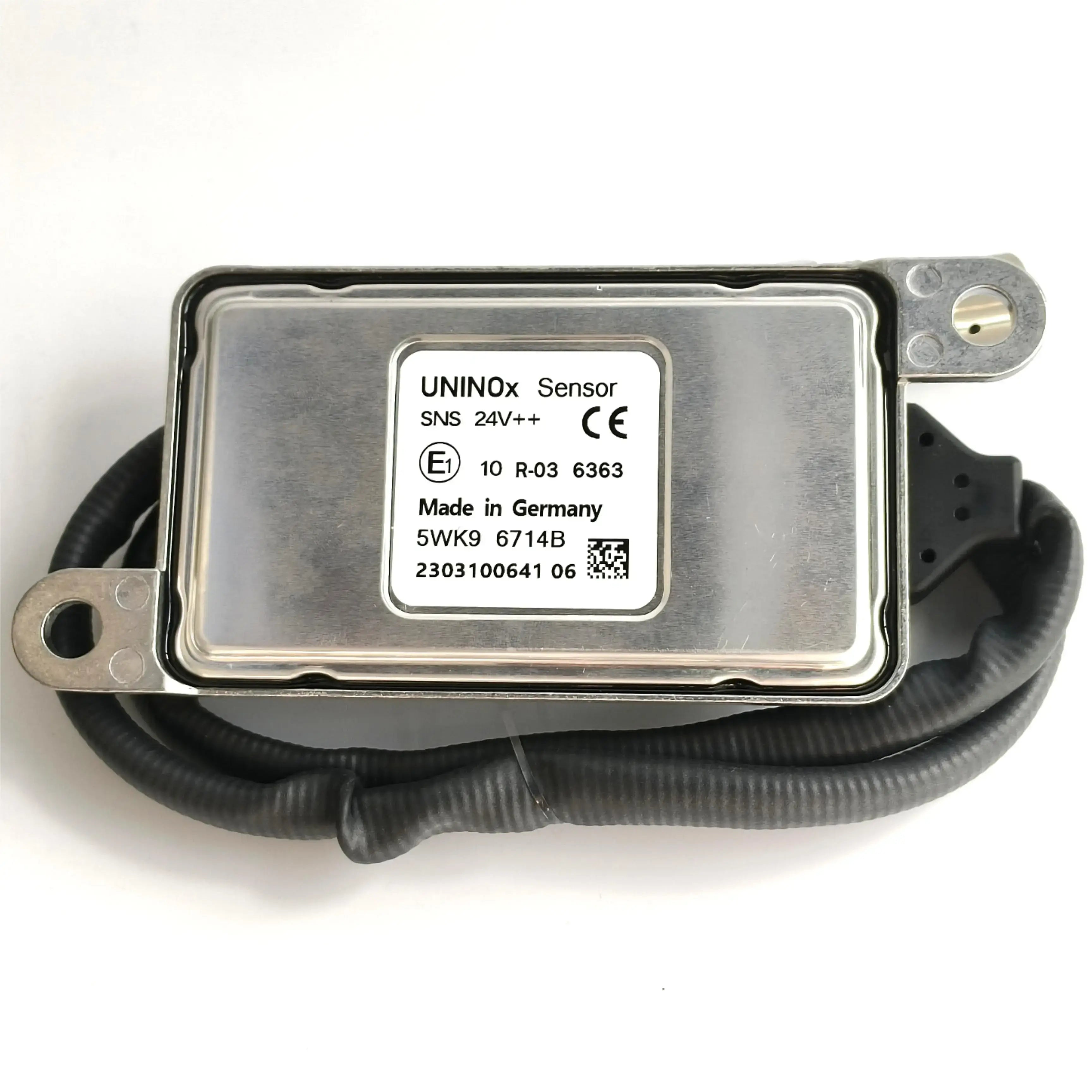
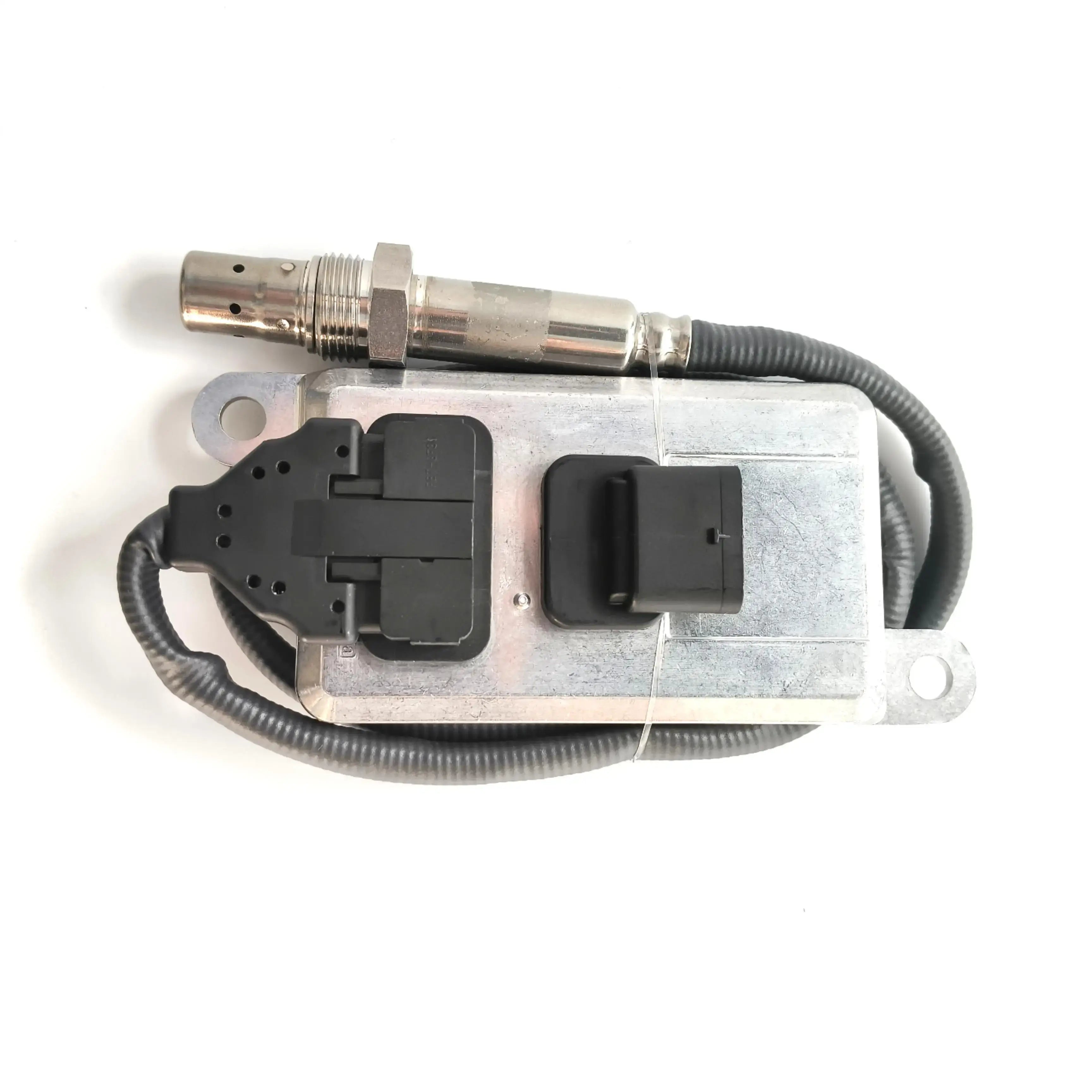
The nitrogen oxide sensor diesel operates within the SCR (Selective Catalytic Reduction) system, the aftertreatment architecture fitted to all Tier 4 Final and Stage V diesel machines to convert nitrogen oxides into nitrogen and water vapour before they exit the exhaust stack. The SCR system requires a continuous, accurate NOx reading to function correctly, and that reading comes entirely from the NOx sensor.
Two sensor positions are used in a fully configured SCR system:
- The upstream NOx sensor sits before the SCR catalyst, measuring raw NOx output from the engine and exhaust gas recirculation circuit — this reading tells the ECM how much DEF to inject into the exhaust stream to achieve the required conversion rate
- The downstream NOx sensor sits after the SCR catalyst, measuring residual NOx after the catalyst has processed the exhaust gas — this reading confirms whether the SCR system is achieving its required conversion efficiency
When either sensor fails, the engine management system loses the reference it needs to command accurate DEF injection. The consequence is not a warning light and a continued operating mode; it is an active fault, progressive derating, and on machines with Tier 4 shutdown logic, a full operational halt. On a regulated work site, a NOx sensor fault is a compliance event, not just a maintenance item.
Warning Signs of a Failing NOx Sensor on Heavy Equipment
A failing emissions sensor excavator will rarely fail without producing a forewarning. Recognising the progression of symptoms allows a planned sensor replacement rather than an unplanned machine-down event:
-
Active SCR or NOx fault codes with no visible smoke or power loss — this is the most common NOx sensor presentation. The engine is running correctly mechanically, but the ECM is receiving a signal outside the expected range and logging the discrepancy as an active fault. A NOx sensor fault code in isolation, without other emissions or engine fault codes, almost always points to the sensor itself before the SCR catalyst or DEF system.
-
Engine derating without a clear mechanical cause — Tier 4 machines are programmed to derate power output when emissions system faults persist beyond a defined threshold. If a machine begins losing power progressively following an SCR-related fault code with no mechanical explanation, the NOx sensor is the first component to inspect and test.
-
DEF consumption outside normal range — the DEF injection rate is commanded by the ECM based on upstream NOx sensor feedback. A sensor providing an inflated NOx reading will cause the system to over-inject DEF, driving up consumption beyond the expected rate for the operating load. Abnormal DEF consumption without an SCR catalyst fault is a NOx sensor indicator.
-
Intermittent fault codes that clear and return — an early-stage NOx sensor producing an intermittent signal, often caused by connector corrosion or thermal damage to the sensor harness, produces fault codes that clear on reset but return within hours or days of operation. Intermittent emissions faults that do not respond to DEF system maintenance almost always trace to the sensor or its wiring.
NOx Sensors We Stock
Cummins ISX NOx Sensors
The Cummins ISX and ISX15 account for the largest share of NOx sensor replacements in our catalogue. The ISX is the most widely operated Cummins platform in heavy equipment globally, and the NOx sensor is one of the most frequently replaced aftertreatment components on high-hour ISX machines. Our Cummins ISX NOx sensor range covers:
- NOx sensor for Cummins ISX — upstream and downstream variants both stocked, confirmed by engine serial to avoid configuration errors between ISX build specifications
- Cummins ISX15 NOx sensor — covering the updated ISX15 platform used in later Tier 4 Final machines; not directly interchangeable with earlier ISX units on all configurations
- Cummins intake NOx sensor location variants — the intake or upstream sensor position on the ISX is the higher-failure-rate of the two positions due to higher operating temperatures and greater exposure to exhaust gas contamination
- Aftertreatment NOx sensor units for Cummins ISX with OEM-matched connector and sealing specification
6.7 Cummins NOx Sensor
The 6.7L Cummins platform spans a range of on-highway and plant equipment applications, and the 6.7 cummins NOx sensor is one of the most actively searched NOx sensor variants across our catalogue. Our 6.7 Cummins NOx sensor range covers:
- 6.7 Cummins NOx sensor — upstream sensor variants for the B6.7 platform used in heavy plant and on-highway applications
- Cummins 6.7 NOx sensor for downstream SCR monitoring positions
- Replacing NOx sensor 6.7 Cummins — if you are mid-replacement and need technical guidance on location and connector orientation, contact our parts team before ordering to confirm the correct variant for your build year
Cat NOx Sensors Caterpillar SCR-Equipped Platforms
Caterpillar SCR-equipped machines, primarily Cat Tier 4 Final excavators and large mining equipment on C15 and C13 platforms, use NOx sensors integrated into the aftertreatment system control architecture. Our cat NOx sensor range covers:
- Cat NOx sensor variants for C15 and C13 Tier 4 Final platforms confirm engine serial with our team, as sensor configuration varies across ACERT and non-ACERT C15 build specifications
- Caterpillar aftertreatment NOx sensor units with OEM connector configuration and voltage output specification
- Cat NOx sensor replacement units, both upstream and downstream positions, are available for Cat SCR-equipped platforms
Detroit DD15 & Other Platform Variants
-
NOx sensor Detroit DD15 — the DD15 is widely operated across heavy on-highway and plant applications, and the DD15 NOx sensor is held in stock for both upstream and downstream positions
-
Iveco NOx sensor — for Iveco-powered equipment and on-highway applications; confirm engine build with our team for correct sensor specification
-
Nitrogen oxide sensor diesel variants for other platform applications — contact our parts team with engine model and serial, and we will advise on availability
Upstream vs Downstream NOx Sensors: Why the Distinction Matters When Ordering
The upstream NOx sensor and downstream NOx sensor serve different measurement functions and are not interchangeable. Ordering the wrong position is one of the most common procurement errors on NOx sensor replacements, and it produces a sensor that physically fits the harness connector but delivers incorrect signal data to the ECM.
The upstream sensor operates at higher exhaust temperatures, closer to the engine outlet, and typically carries a higher heat-grade sealing specification than the downstream unit. On some platforms, the two sensors share the same part number; on others, they do not. The only reliable way to confirm which unit you need is by the sensor's position in the aftertreatment system relative to the SCR catalyst, cross-referenced against the engine serial number.
When contacting our team for a NOx sensor replacement, advising whether the fault code identifies the upstream or downstream sensor position eliminates this ambiguity and ensures the correct unit is dispatched on the first order.
Common Cummins ISX NOx Sensor Problems
The Cummins ISX is the platform on which NOx sensor failure presents most frequently across our customer base, and the pattern of failure on ISX-powered heavy equipment is consistent enough to be worth addressing specifically. The most common Cummins ISX NOx sensor problems we see are:
-
Connector corrosion — the NOx sensor harness connector on the ISX sits in a high-temperature, high-vibration environment. Corrosion on the connector pins produces an intermittent signal that generates fault codes before the sensor body itself has failed. Inspect the connector and pins before condemning the sensor — in some cases, a connector repair resolves the fault without a full sensor replacement.
-
Sensor poisoning from DEF contamination — if the DEF dosing system has been operated with contaminated or incorrect concentration DEF fluid, the ammonia decomposition products can poison the NOx sensor's sensing element, producing a permanently degraded or zeroed signal. If your machine has had a DEF quality fault preceding the NOx sensor fault, treat both as related and inspect the dosing system as part of the repair.
-
Heat damage from EGR system faults — on ISX machines, where an EGR fault has caused elevated exhaust temperatures over an extended period, the upstream NOx sensor is exposed to thermal conditions beyond its design envelope. A NOx sensor fault following a recent EGR fault code history should be assessed in this context.
NOx Sensor Location on Cummins Engines
For operators and technicians sourcing a replacement NOx sensor before beginning disassembly, understanding the NOx sensor location on Cummins platforms' use assists with correct identification and avoids harness confusion on machines that carry both upstream and downstream sensors in accessible positions.
On Cummins ISX and ISX15 engines, the Cummins intake NOx sensor location — the upstream sensor — is typically mounted on the exhaust pipe between the turbocharger outlet and the DPF inlet. The downstream sensor is located on the exhaust pipe after the SCR catalyst, before the exhaust outlet. Both sensors are accessible from the exhaust side of the engine bay, though the upstream position varies slightly between ISX and ISX15 chassis configurations.
If you cannot locate the sensor physically before ordering, contact our parts team with the engine serial and machine model, and we can advise on the correct position and confirm the part number before you begin disassembly.
How to Confirm the Right NOx Sensor for Your Machine
NOx sensor identification is engine-serial-specific on most platforms. Have the following available before contacting our team:
-
Engine model and serial number — the primary reference. NOx sensor specification can differ between build years and emissions certification tiers within the same engine designation
-
Sensor position — upstream or downstream. If your active fault code identifies the position, advise our team — it eliminates configuration ambiguity on platforms where upstream and downstream units differ
-
OEM part number — stamped on the sensor body or found in the machine's parts manual. The fastest cross-reference route to confirm the exact specification
-
Active fault codes — SCR-related and NOx-related fault codes confirm which sensor position and which system component is implicated, allowing our team to recommend the correct part for the specific fault mode