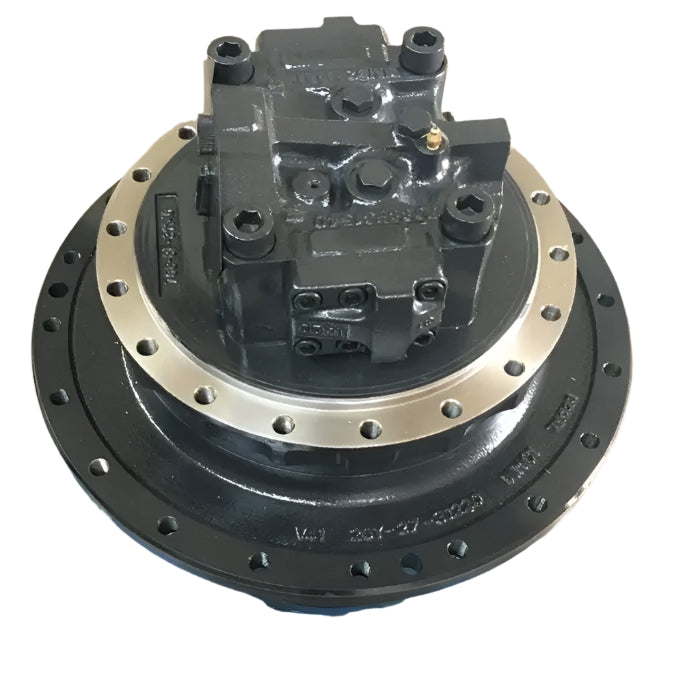
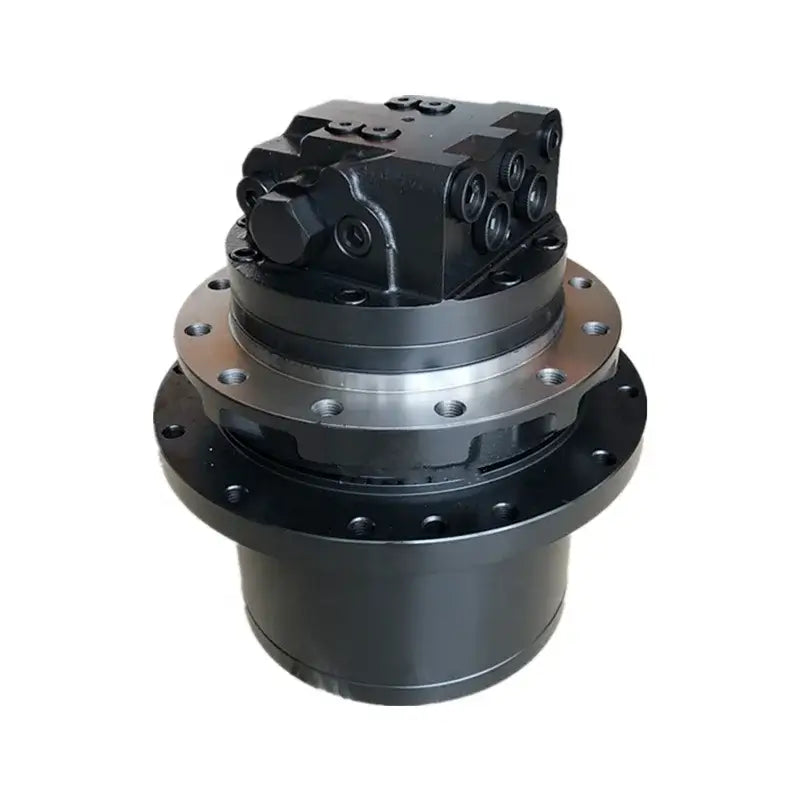
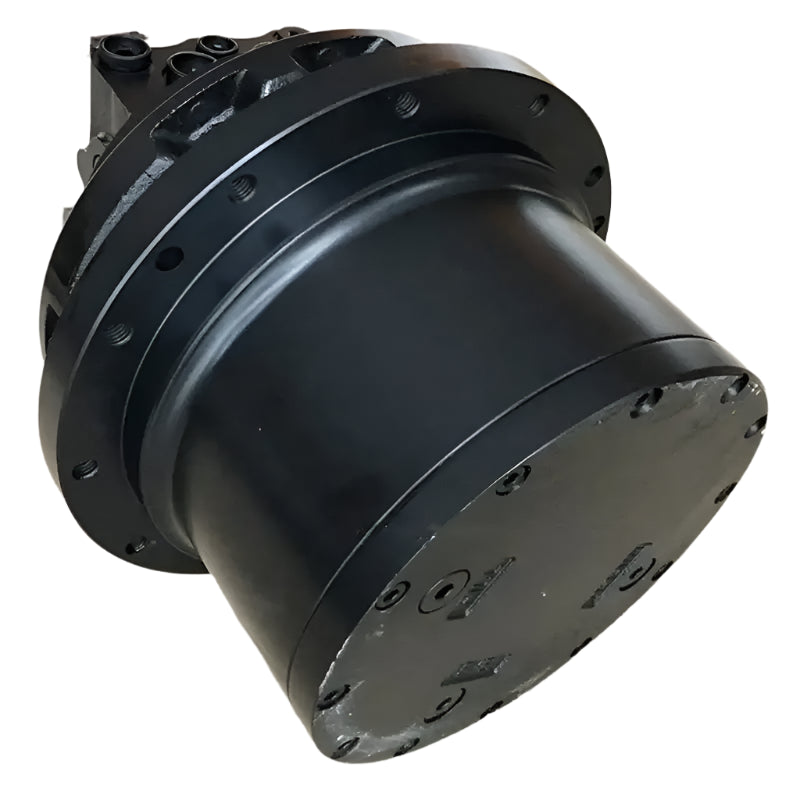
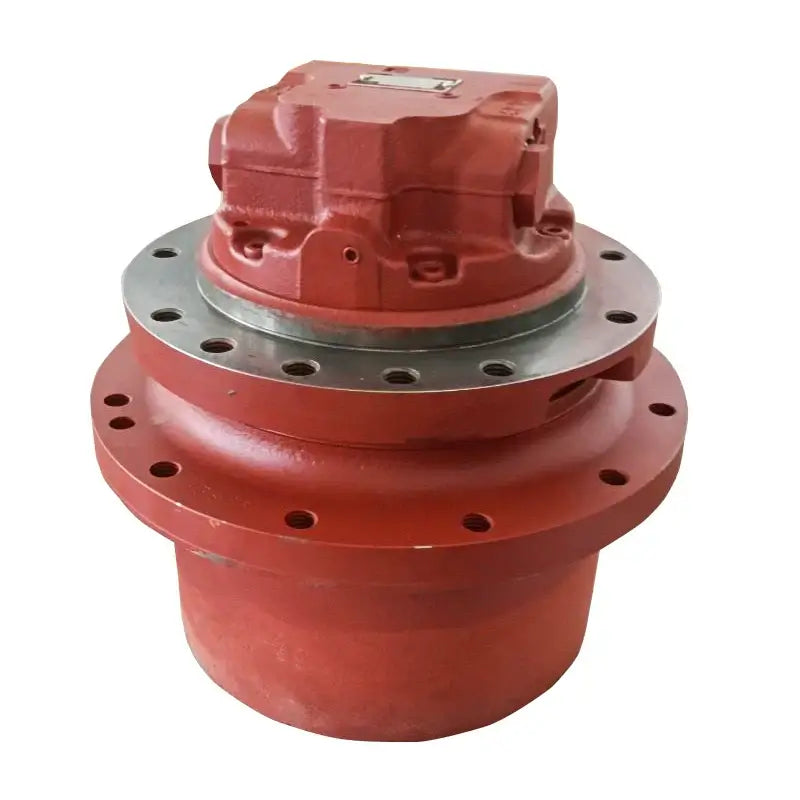
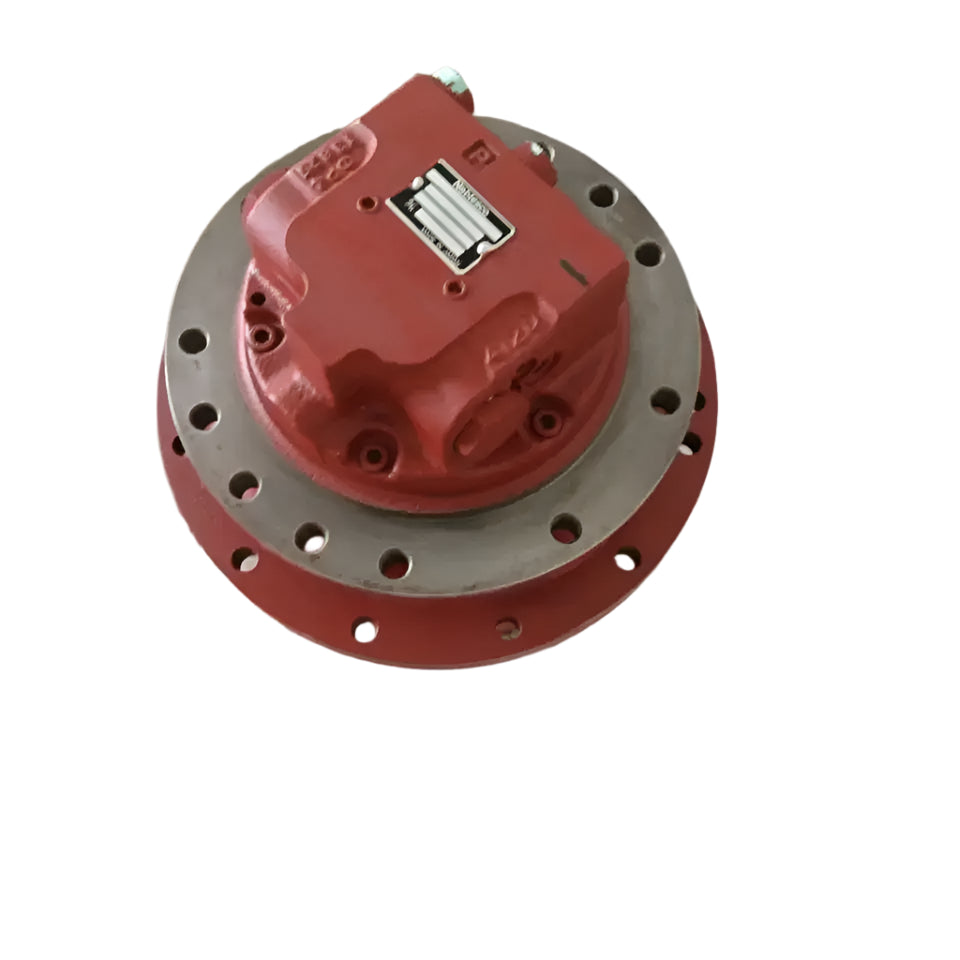
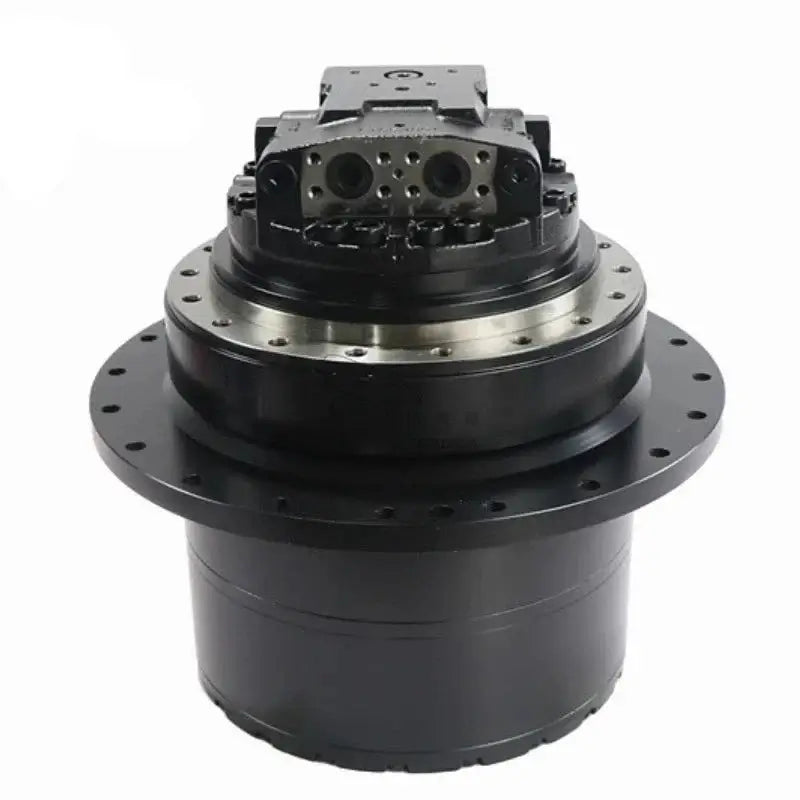
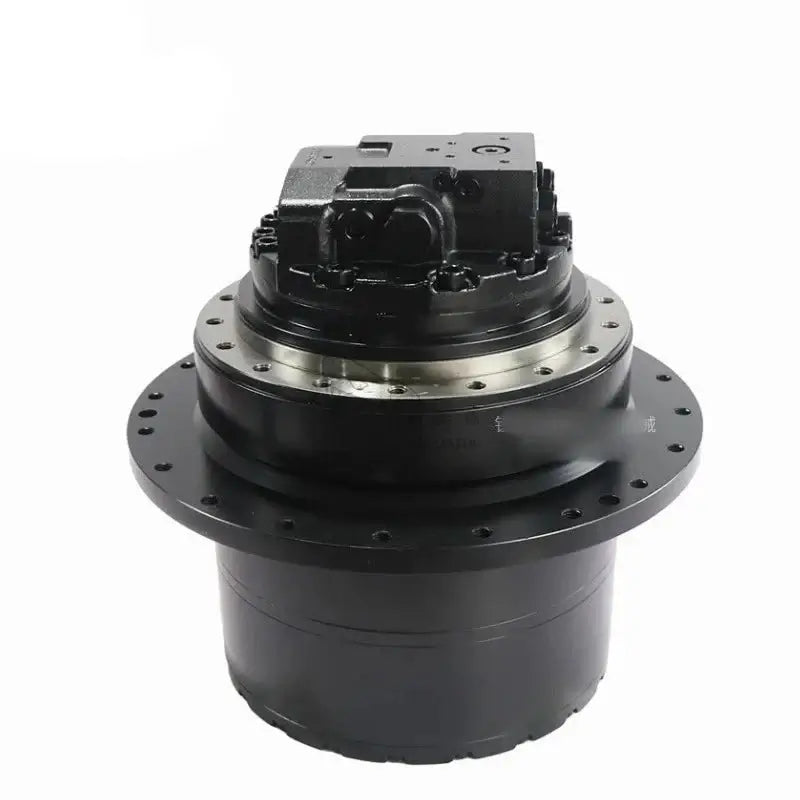
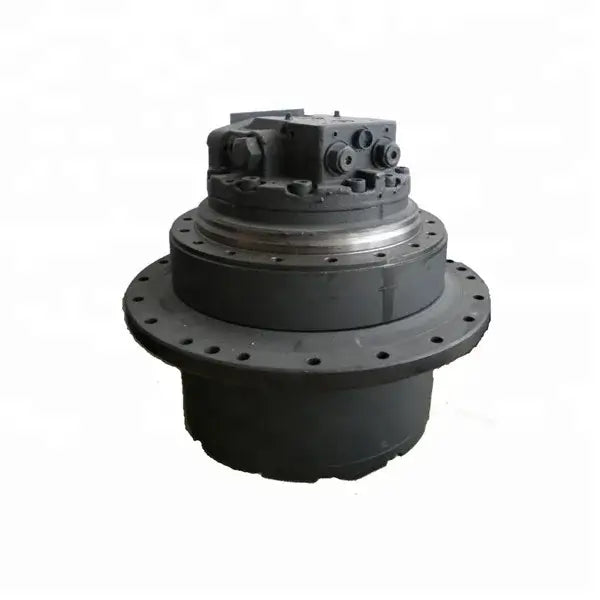
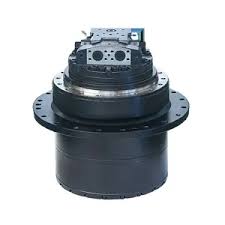
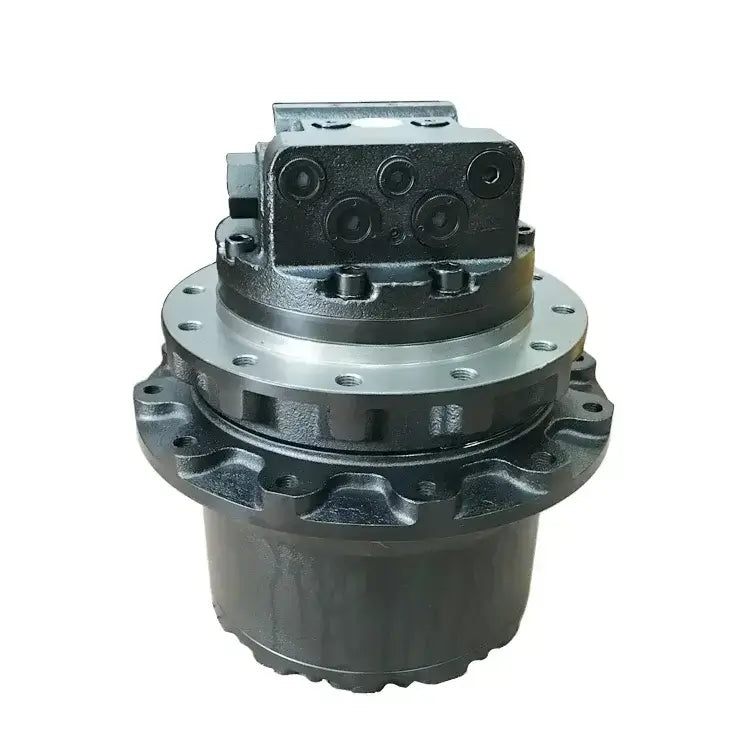
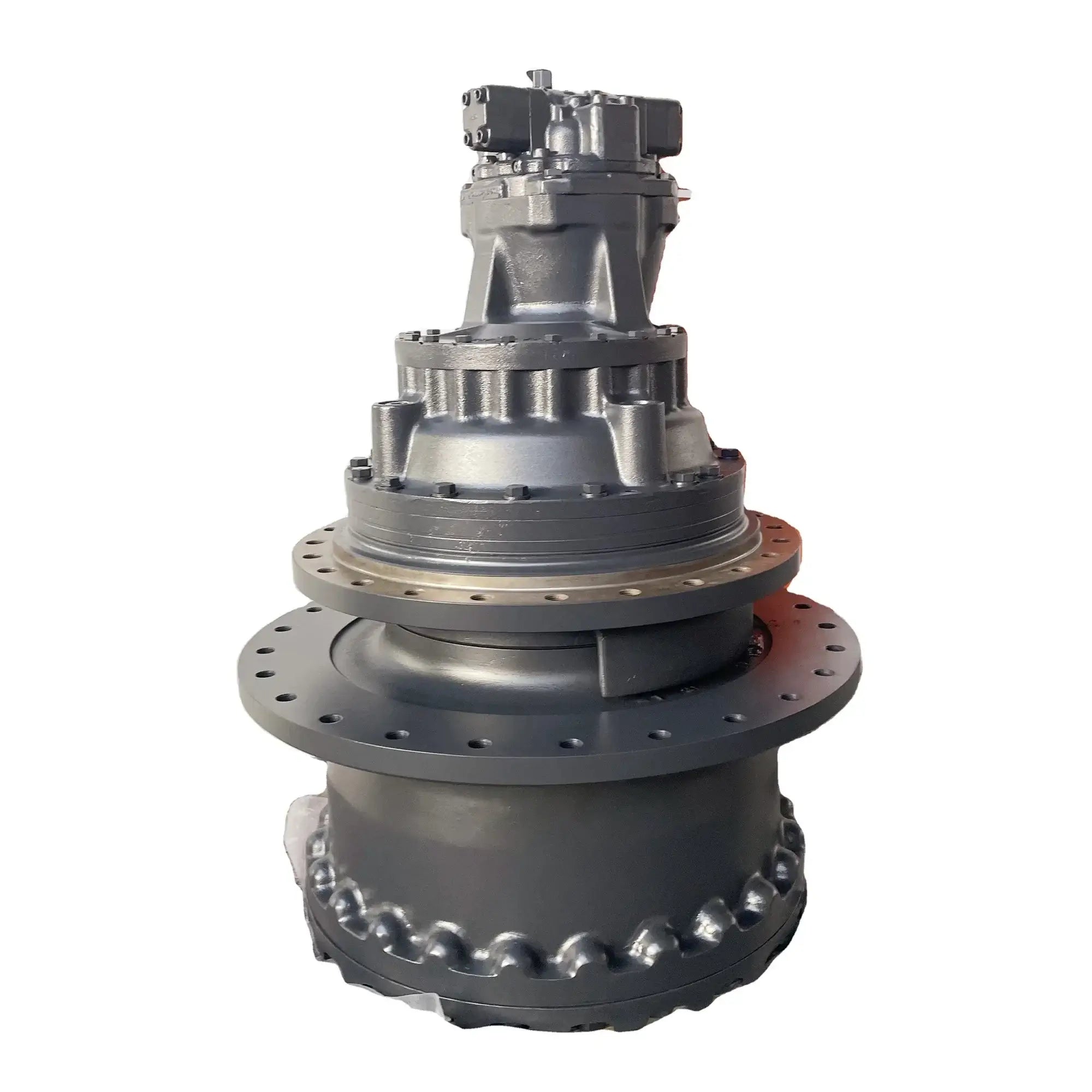
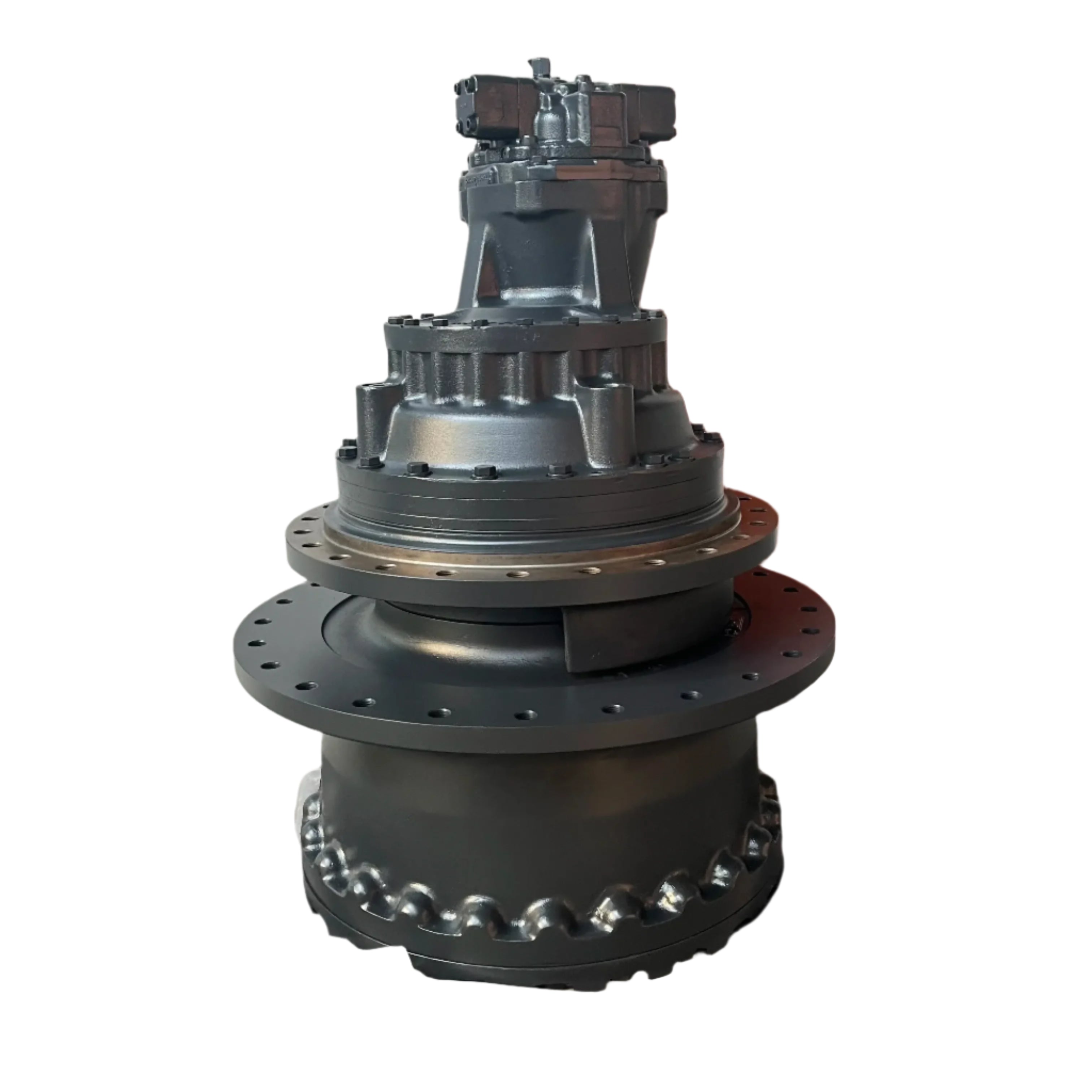
Komatsu Final Drives Across the PC Series Range
Komatsu's PC series is one of the most widely distributed compact and mid-size excavator families across global construction, agricultural, and utility operations and the breadth of that distribution is matched by the variation in final drive specification across the range.
The PC series models most frequently requiring Komatsu final drive replacement are:
-
PC15 / PC18 — ultra-compact 1.5 to 1.8-tonne machines for confined access and indoor utility work. The smallest final drive assembly in the Komatsu compact range and among the most frequently replaced due to the intensive confined-access cycles these machines run daily.
-
PC20 / PC26 — 2 to 2.6-tonne class compact excavators for landscaping, drainage, and light construction. Common across both owner-operator and hire fleet applications.
-
PC35 / PC40 — one of the most widely operated compact excavator weight classes globally. PC35 final drives are a priority stock specification at Imara Engineering.
-
PC50 / PC55 — the Komatsu PC50 final drive is the highest-volume Komatsu specification in our range. PC50 machines run hard across global construction and agricultural hire fleets and their Komatsu undercarriage parts reflect that operating intensity.
-
PC78 — 7.8-tonne class compact excavator at the top of the Komatsu rubber-tracked range. The PC78 final drive operates at higher hydraulic system pressures than the smaller PC series models specification accuracy is critical at this pressure rating.
Warning Signs, When Your Komatsu Final Drive Is Failing
Komatsu's CLSS hydraulic system is tuned for responsive, consistent travel performance which means a degrading Komatsu final drive makes itself known through deviations from that consistency that an experienced operator will recognise before the symptoms become critical:
-
PC series machine drifting to one side during straight travel — Komatsu's precisely balanced CLSS system makes this symptom more perceptible earlier than on machines with less consistent hydraulic response. One final drive is underperforming act on this symptom now.
-
Oil weeping from the Komatsu drive sprocket area — seal failure. Komatsu's hydraulic system pressure pushes oil through a compromised seal progressively and quickly. Minor weeping becomes significant oil loss within days of continued operation.
-
Grinding or whining noise during travel — not slewing, not lifting — the sound profile of planetary gear wear inside a Komatsu final drive is distinct from other drivetrain noises. Travel-specific, progressive noise identifies the final drive as the source.
-
PC series travelling slower on one side — partial planetary failure. Hydraulic pressure is reaching the unit but the Komatsu final drive is not converting it to full torque output.
-
Heat radiating from the PC series drive sprocket after short travel — oil starvation. Komatsu final drives running without adequate oil charge generate heat rapidly under CLSS operating pressure. Catastrophic planetary failure is hours away.
-
Complete loss of drive on one PC series track — end-stage planetary failure. Do not attempt to drive the machine on the remaining functional side; the asymmetric load damages the track adjuster and sprocket on the working side simultaneously.
Komatsu PC50 Final Drive, The Specification We Are Never Out Of
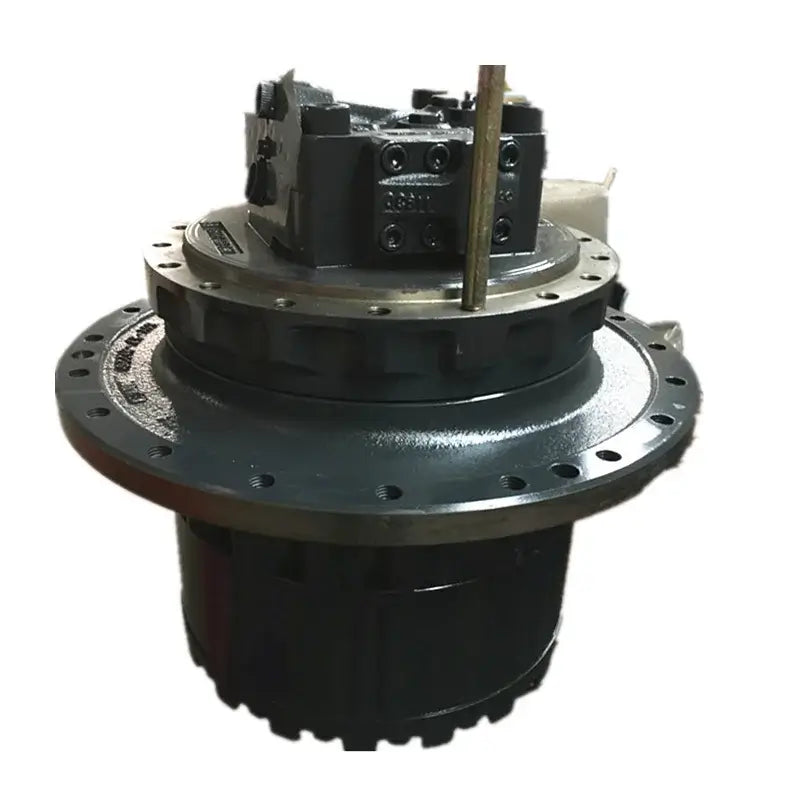
The Komatsu PC50 final drive deserves specific attention not because it is more complicated than other PC series specifications, but because the volume of PC50 machines operating across global construction and agricultural hire fleets makes it the most consistently demanded Komatsu final drive specification in the market.
PC50 and PC55 machines operate at the upper end of the compact excavator hydraulic pressure range. They move significant volumes of material daily, travel across demanding terrain, and accumulate operating hours fast in hire and contracting applications. Their final drives carry that workload directly and when they fail, the operators who need a replacement need it fast.
The PC50 also carries production variant risk. Multiple undercarriage configurations exist across the PC50 production history depending on year of manufacture and export market specification. A PC50 final drive ordered from a 2012 machine may not be the correct specification for a 2019 PC50 built for a different export market. Serial number verification is not optional on a Komatsu PC50 final drive order. It is the step that determines whether the unit dispatched fits your specific machine.
At Imara Engineering, the Komatsu PC50 final drive is a dedicated priority stock item held specifically because PC50 operators in construction and agricultural hire cannot absorb a sourced-to-order lead time when their machine is standing idle.
What Every Imara Engineering Komatsu Final Drive Is Verified Against
Four verification checkpoints are applied to every Komatsu final drive before dispatch:
-
Serial number cross-reference against the Komatsu OEM parts database — hydraulic pressure rating, CLSS interface compatibility, reduction ratio, and mounting configuration confirmed for your specific PC series model and production year. Komatsu undercarriage parts specifications vary meaningfully across production years — particularly within the PC35 and PC50 ranges.
-
Hydraulic pressure integrity test at Komatsu PC-rated operating pressure — every unit tested at the hydraulic rating for its specific PC series application. Komatsu machines operate at well-documented CLSS pressures the test pressure reflects actual working conditions, not a generic compact excavator rating. A unit that fails does not leave our facility.
-
Planetary gear reduction ratio verification — confirmed against Komatsu OEM specification for your specific PC series model and production year. Travel speed, tractive effort, and slope performance will match Komatsu factory specification from the first operating hour.
-
Full oil charge and port protection — every Komatsu final drive ships with the correct-grade oil charge installed and hydraulic port protectors fitted. Ready to install on arrival no preparation required.
OEM Komatsu final drives carry a brand premium above equivalent aftermarket specification. At Imara Engineering, the serial number verification, CLSS compatibility confirmation, pressure test, and fitment guarantee replicate the Komatsu dealer standard. The premium does not.
What to Inspect Alongside a Komatsu Final Drive Replacement
Komatsu's precise hydraulic tolerances mean that a degrading final drive distributes abnormal stress through surrounding Komatsu undercarriage parts faster than on machines with lower system pressures:
-
Komatsu Drive Sprocket — a PC series final drive running under degraded conditions delivers uneven torque to the sprocket with every revolution. Inspect for hook wear and flange damage. A worn sprocket stresses a new Komatsu final drive from the first operating hour. See our Komatsu Track Rollers page for full Komatsu undercarriage parts coverage.
-
Komatsu Travel Motor — if the final drive fails due to seal degradation and hydraulic fluid shows contamination, inspect the Komatsu travel motor before refitting. A new final drive exposed to contaminated CLSS fluid is a repeat failure within months.
-
Rubber Tracks — abnormal PC series final drive behaviour creates uneven tension and stress across the rubber track inner surface. Inspect steel cord condition before the Komatsu machine returns to work.
-
Track Adjusters — confirm correct tension is maintained independently of the final drive replacement. A worn Komatsu PC series track adjuster puts immediate load on a new final drive from the first operating hour.