Component Repair Versus Full Assembly Replacement: A Practical Guide
One of the most consequential decisions in heavy equipment transmission maintenance is determining whether a fault warrants an internal component repair or a complete assembly replacement. The answer depends on a clear assessment of where the fault originates and what the surrounding components look like once the transmission is open for inspection.
Internal component repair is the correct path when:
- A diagnostic inspection or fluid analysis identifies wear that is localised to a specific component, a single gear, a bearing set, or a worn synchroniser ring with no evidence of broader assembly degradation
- The transmission housing, input shaft, and output shaft are all within serviceable tolerance
- The fault can be traced to a shift-related symptom that corresponds directly to a specific internal component: gear jump-out pointing to a shift fork, bearing noise pointing to a specific shaft position, or shift resistance pointing to a synchroniser
- The machine's operating hours are within a range where the remaining transmission assembly is expected to deliver serviceable life after the targeted repair
Full assembly replacement becomes the correct decision when:
- Fluid analysis reveals metallic contamination from multiple internal sources simultaneously
- The inspection reveals that wear is distributed across more than two or three internal component categories
- The total cost of sourcing and fitting individual gearbox repair parts approaches or exceeds the cost of a remanufactured transmission assembly
- The machine's operating history includes periods of deferred maintenance, overloading, or overheating that are likely to have caused latent damage beyond the visible fault
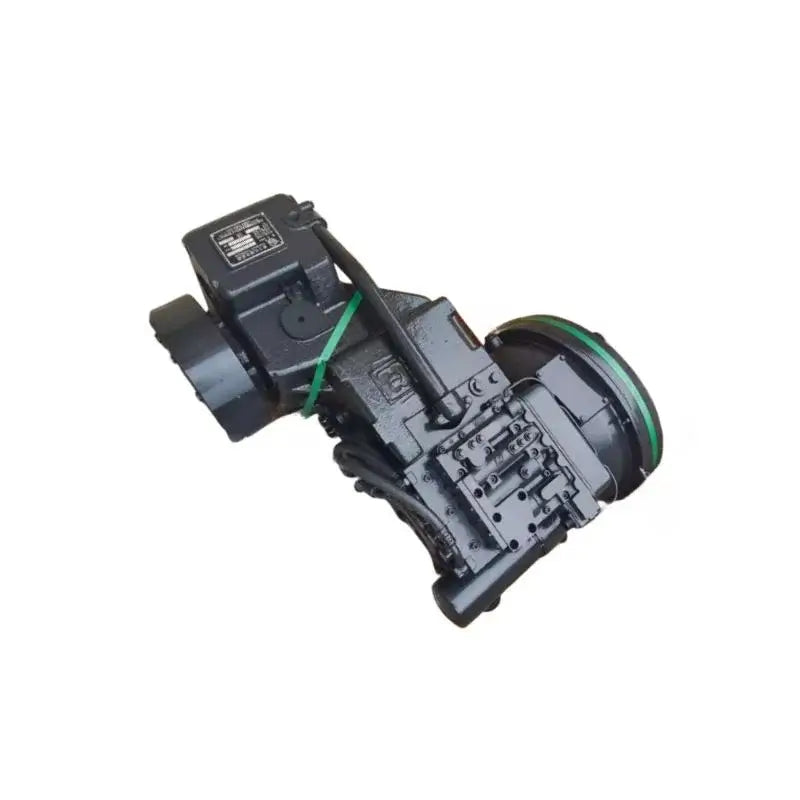
For operators at the point of full assembly replacement, our Transmissions & Gearboxes collection covers complete assemblies across CAT and Komatsu platforms. For operators proceeding with an internal component repair or a full rebuild using a kit, the five collections below cover every component category the repair will require.
Our Transmission Components Range
Gears & Shafts
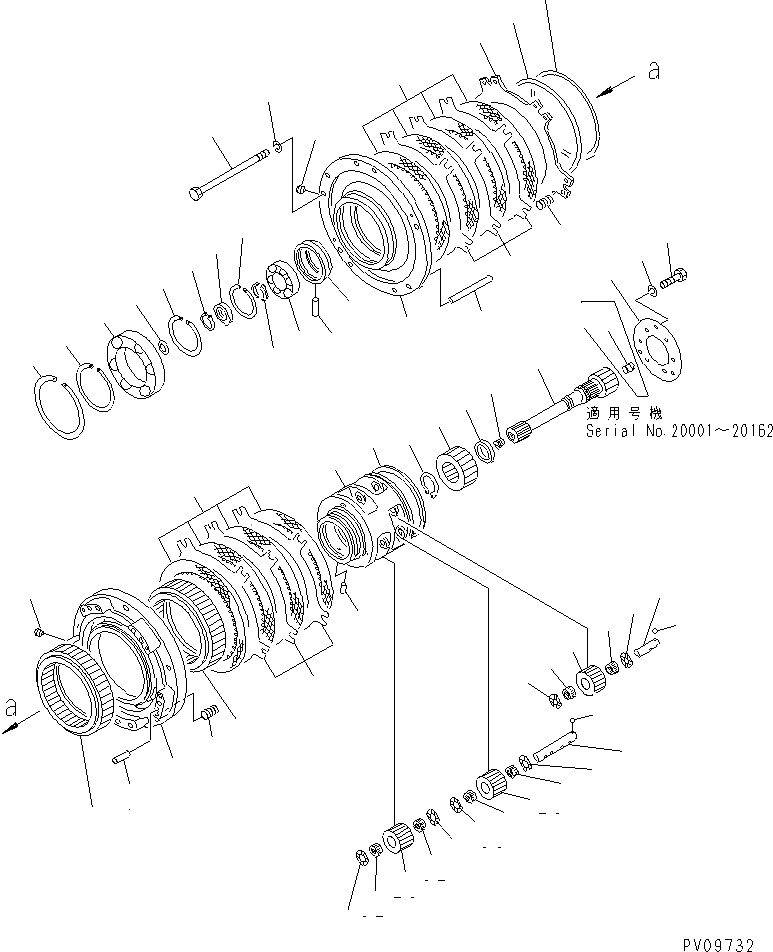
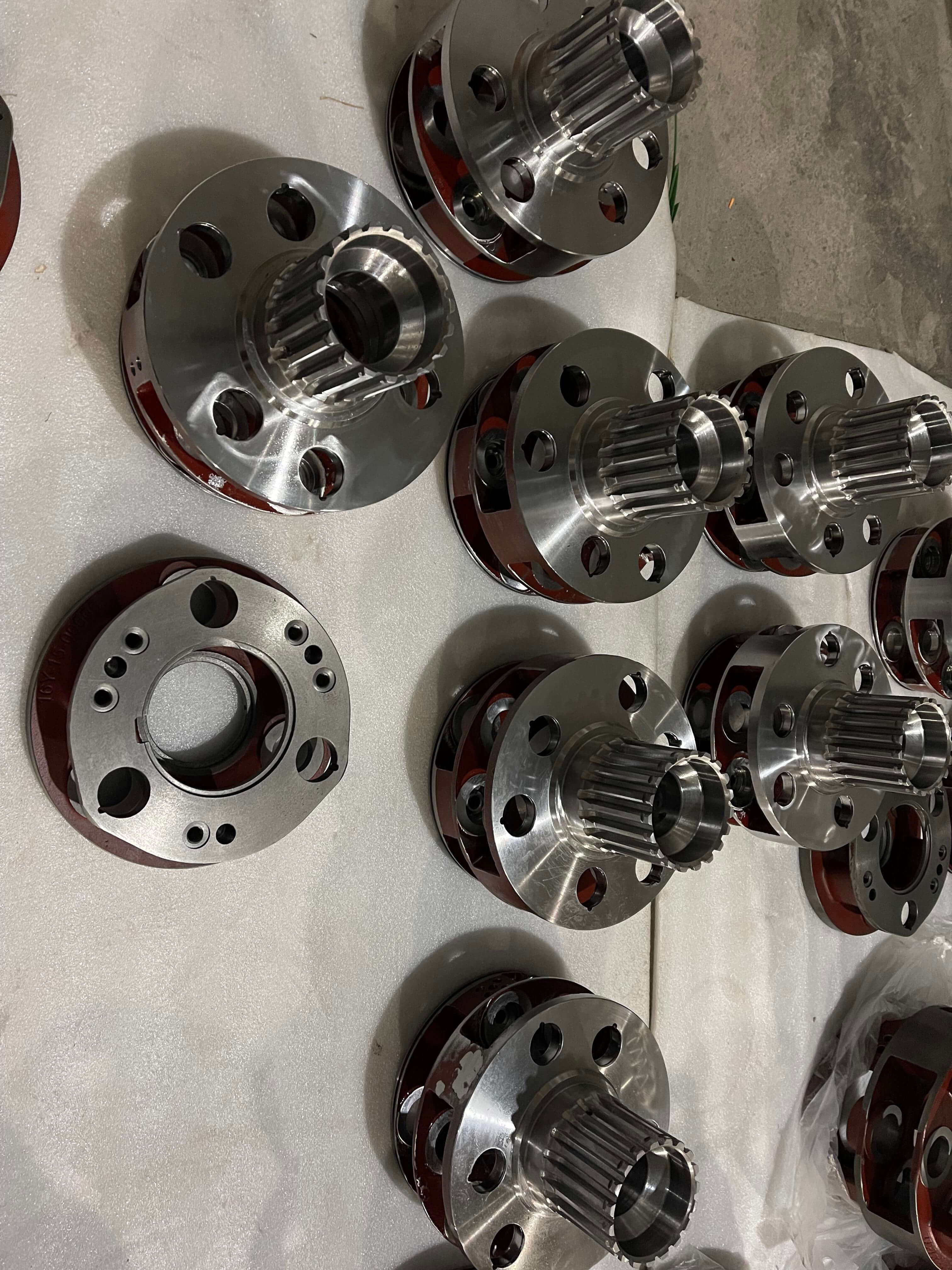
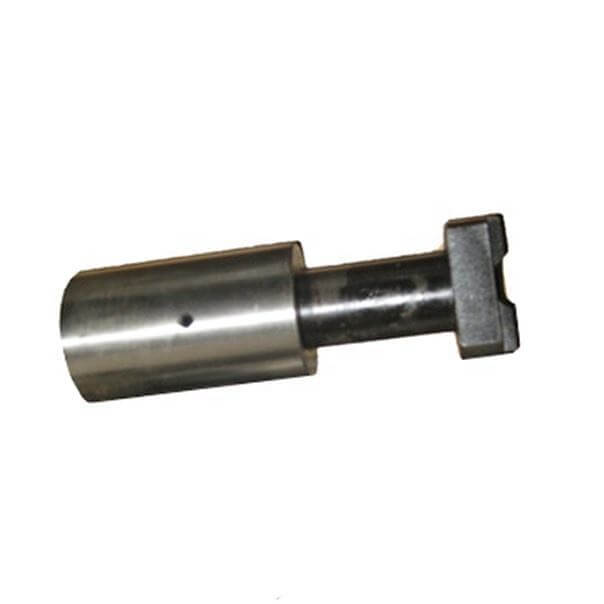
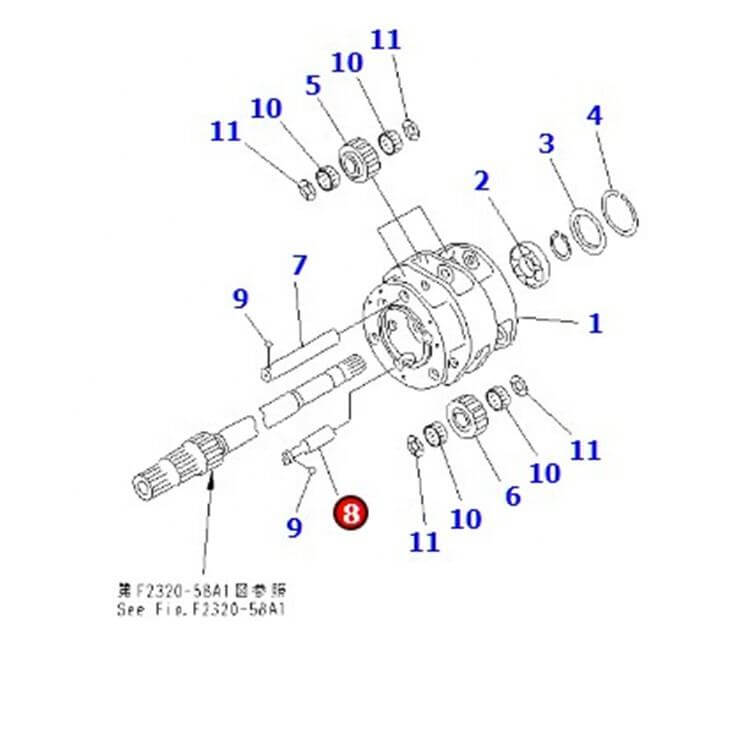
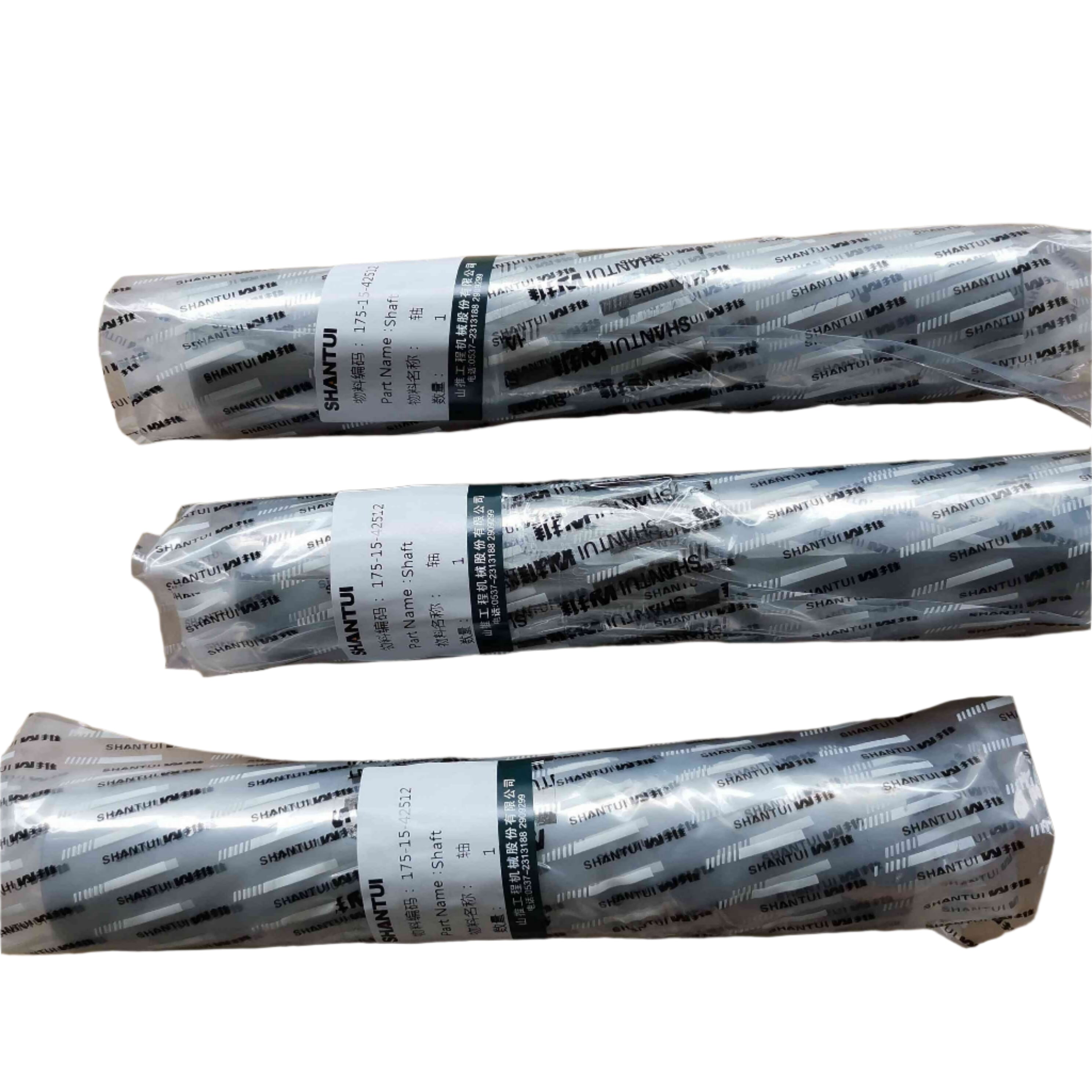
The gears and shafts within a heavy equipment transmission are the primary load-bearing elements of the entire assembly. Input shafts, output shafts, layshafts, drive gears, and pinion gears all operate under continuous cyclic load, and wear in any one of these components directly affects the efficiency and durability of the gear stages above and below it in the drivetrain. Our Gears & Shafts collection carries transmission gears and transmission shaft replacements for CAT and Komatsu heavy equipment applications, with gearbox input shaft, gearbox output shaft, and transmission layshaft units available as direct-replacement components manufactured to OEM tooth profile, case hardening depth, and dimensional tolerances. Transmission gears for heavy equipment and gearbox shaft replacements are cross-referenced against machine model and serial number to ensure the correct tooth count, module, and shaft spline specification for the exact transmission variant on your machine.
Bearings & Seals
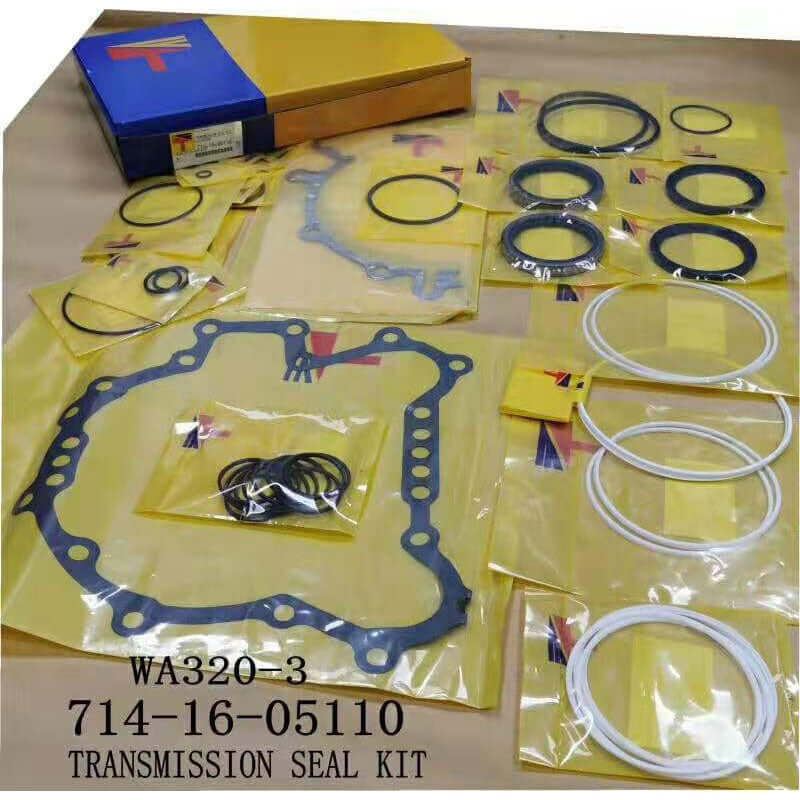
Transmission bearings and gearbox seals are the components most frequently overlooked during routine drivetrain maintenance and the most common cause of secondary damage when they fail. A worn output shaft bearing that is allowed to run beyond its service life introduces shaft deflection into the gear mesh, accelerating tooth wear across the gear stages it supports and eventually producing faults that extend well beyond the bearing itself. Our Bearings & Seals collection carries transmission bearings and transmission seals for heavy equipment applications across every shaft position within the CAT and Komatsu transmission assembly, including input shaft bearings, output shaft bearings, and complete transmission seal kits and bearing and seal kit transmission assemblies for full-rebuild applications. Gearbox seal kit and gearbox bearing replacements are matched to the exact transmission variant using machine serial number verification before every order is confirmed.
Synchronisers
Synchroniser rings, synchro hubs, and blocking rings are precision components that manage the speed equalisation between a rotating gear and its shaft during gear engagement in a manual heavy equipment transmission. When a synchroniser ring wears beyond its service limit, gear engagement becomes difficult or noisy, second-attempt shifts become necessary, and gear damage from repeated unsynchronised engagement follows progressively. Our Synchronisers collection carries synchronizer rings, synchro rings, transmission variants, synchro hubs, and synchro sleeves for CAT and Komatsu manual gearbox applications, with blocking ring transmission replacements also available for platforms where the synchroniser design incorporates a separate blocking ring into the engagement sequence. All synchroniser components are manufactured to the original cone angle, friction material specification, and dimensional tolerances required for correct engagement performance.
Shift Components
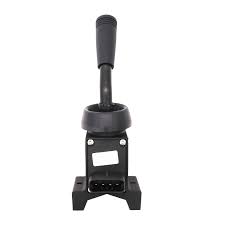
The shift mechanism of a heavy equipment transmission translates the operator's gear selection input into a precise mechanical event inside the gearbox, and when any element of that mechanism wears, the accuracy of that event degrades in ways that accelerate wear on the synchronisers and gears it interacts with. Our Shift Components collection covers the full shift mechanism for heavy equipment manual transmission applications: shift forks for engaging synchro sleeves across the gear range, shift rails that guide fork movement through the selection path, shift levers that translate cab input into internal fork movement, shift drums for transmissions using a drum-type selection mechanism and shift detent components that provide the positive engagement feel and hold position during gear operation. Cat shift fork and Komatsu shift fork replacements are available as direct-fit units for the most common heavy equipment platforms in the active fleet.
Transmission Rebuild Kits
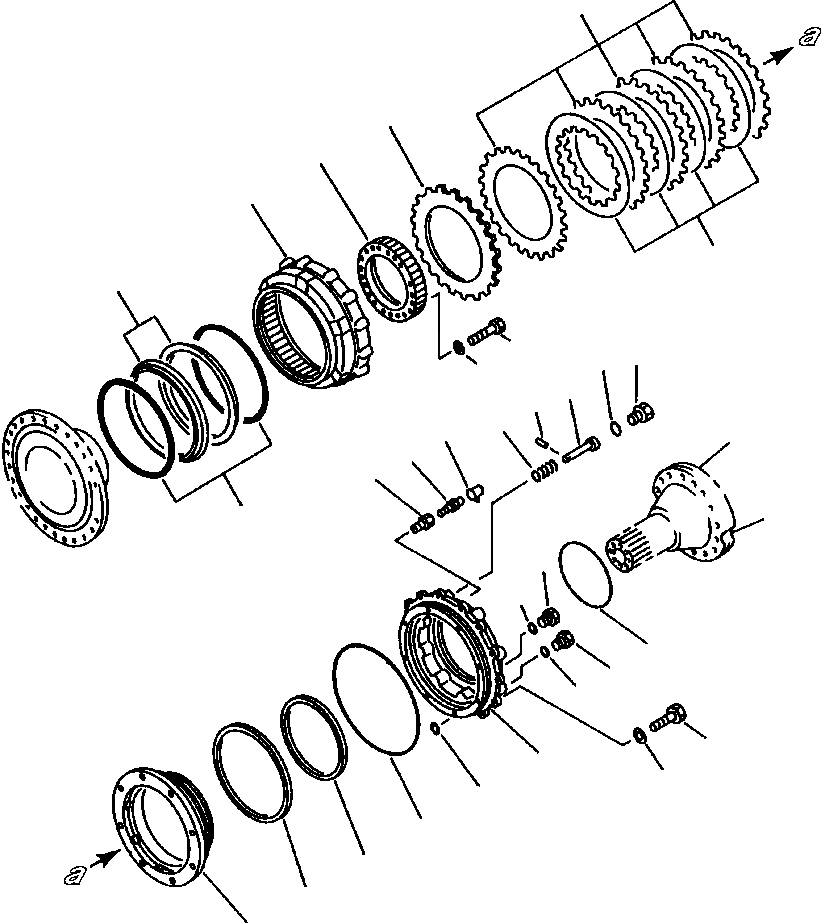
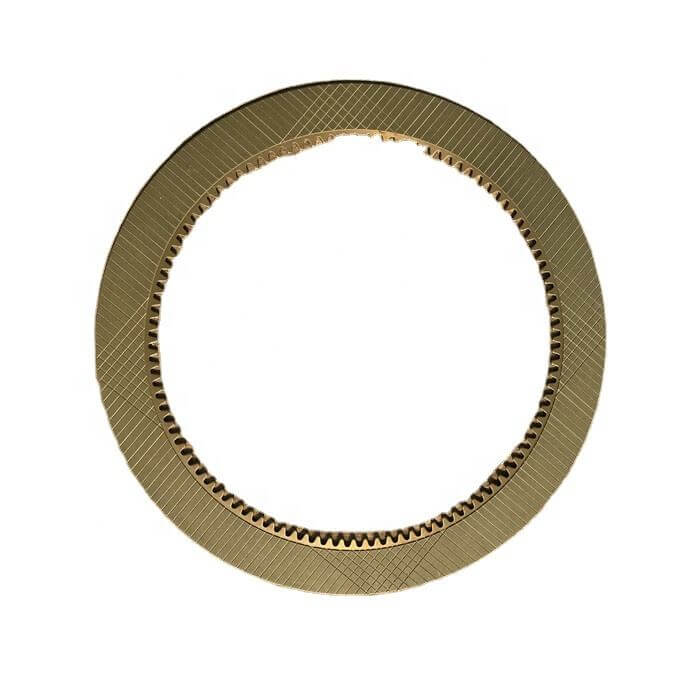
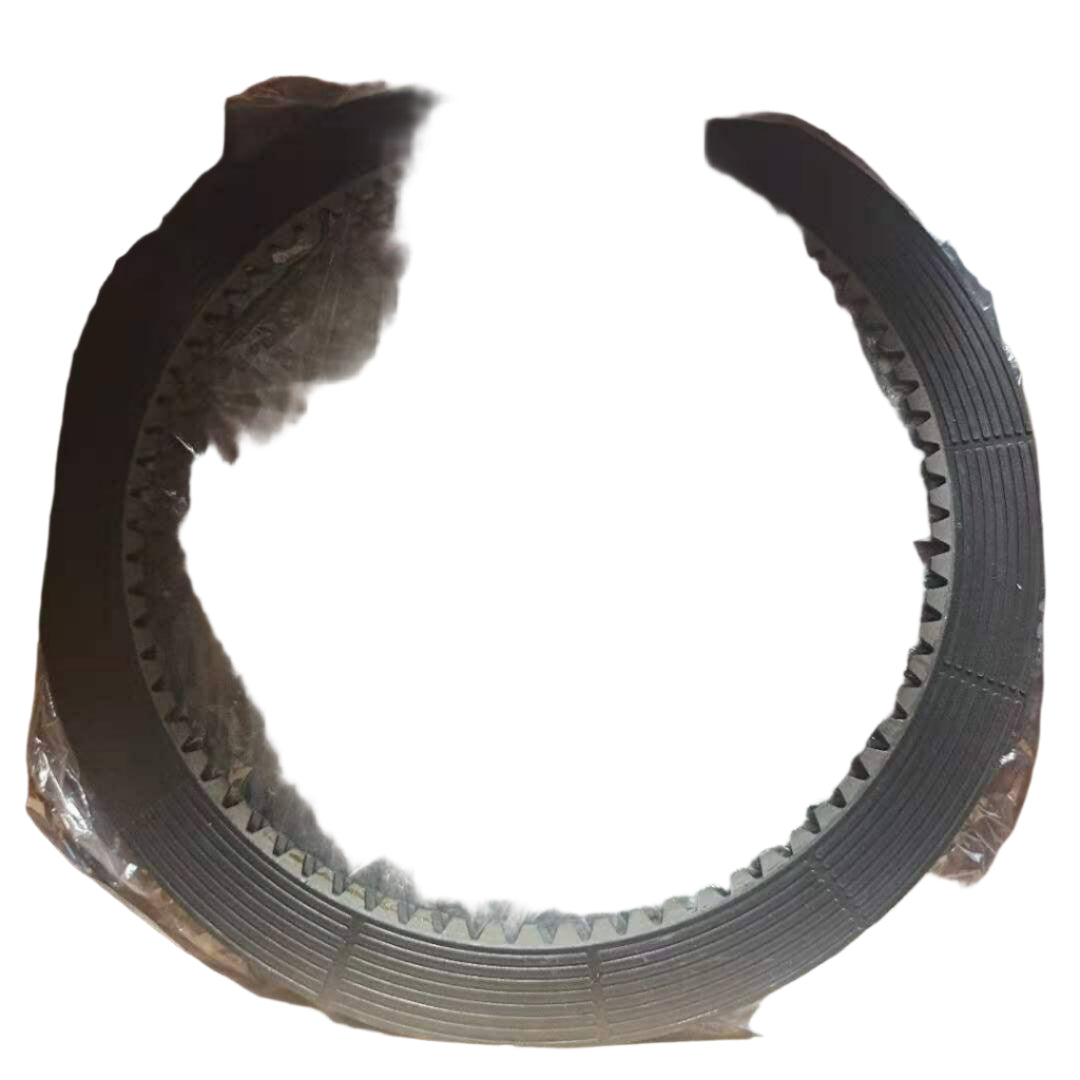
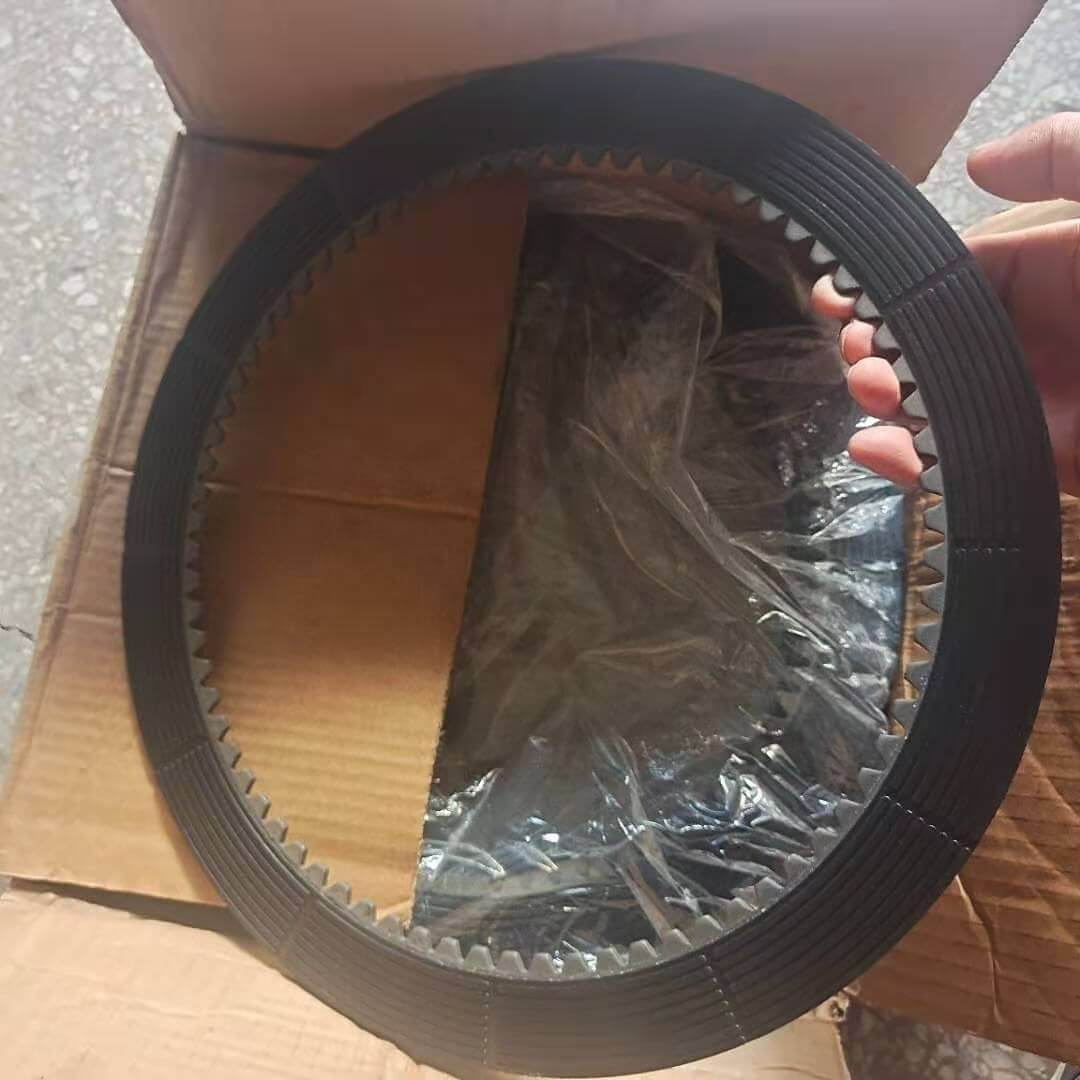
For operators committed to a full transmission overhaul rather than a targeted component repair, sourcing individual gearbox repair parts separately is the least efficient approach to the job. Our Transmission Rebuild Kits collection carries complete overhaul kits for Allison, Caterpillar, and Komatsu transmissions, covering everything from the Allison rebuild kit and Allison 1000 rebuild kit to the Caterpillar transmission rebuild kit and Komatsu transmission rebuild kit configurations. Each kit is assembled around the wear items that require replacement during a complete transmission overhaul: clutch friction plates, steel plates, sealing rings, gaskets, bearings, and seals. The transmission master kit and gearbox overhaul kit heavy equipment variants in our range are compiled to OEM service specification, so the overhaul restores the assembly to a standard equivalent to a factory-fresh build.
Platform and Model Compatibility Across Our Component Range
Our transmission components for heavy equipment are stocked and sourced across the following OEM platforms:
Caterpillar
- D-series dozers: D6, D8, D8T, D9, D10
- CAT motor graders: 140G and 140H series
- CAT wheel loaders, articulated trucks, and track loaders across CX and powershift transmission variants
- CAT forklift and backhoe platforms
Komatsu
- PC-series excavators using TorqFlow and hydrostatic drivetrain configurations
- D-series dozers across the TorqFlow Powershift range
- WA-series wheel loaders
Allison
If your machine model is not listed, contact Imara Engineering directly. Our team will cross-reference your serial number against our component supply network and confirm availability or initiate a direct procurement on your behalf.
Getting the Correct Transmission Component the First Time
Transmission component orders placed without proper specification verification are the leading cause of parts returns and extended machine downtime in heavy equipment maintenance. Follow these steps before placing any internal component order:
-
Record the machine model and full serial number from the identification plate on the machine frame — not from records or operator memory
-
Identify the transmission type fitted to your specific machine: manual, automatic, powershift, or hydrostatic, and confirm the variant designation if known
-
Locate the transmission part number for the component you are replacing. For gears, shafts, and bearings, this is typically stamped or etched on the component itself
-
Note the fault symptom in detail — which gear is affected, at what point in the operating cycle the fault presents, and whether the symptom is consistent or intermittent
-
Cross-reference against the service manual for your specific transmission variant to confirm the component responsible for the symptom before ordering
Our technical team at Imara Engineering works through this process on every component order we receive, confirming fitment against manufacturer data before the part is dispatched. If you have the machine model and serial number but cannot locate the specific part number, that information is sufficient for our team to identify the correct unit.