How Load Paths Determine Where Gear and Shaft Wear Concentrate
Understanding the load path through a heavy equipment transmission explains why certain gears and shafts wear faster than others and why a fault in one location produces secondary damage in predictable patterns across the assembly.
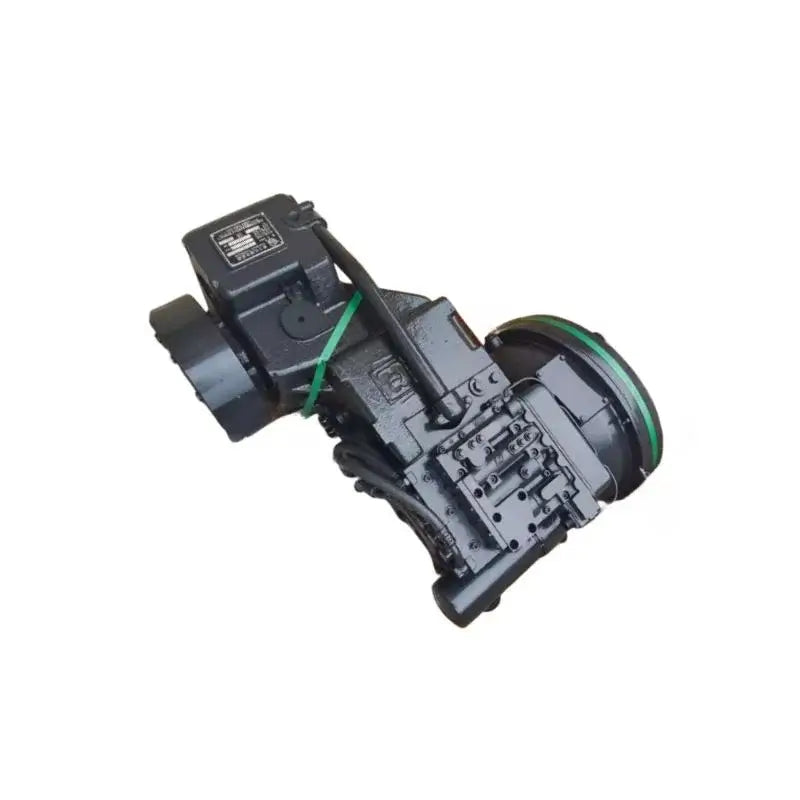
In a powershift or manual heavy equipment transmission, torque enters through the input shaft, passes through a series of gear meshes along the layshaft, and exits through the output shaft to the final drive. The gears and shafts carrying the highest load are not always the largest ones; they are the components operating in the gear ratios used most frequently across the machine's working cycle. On a dozer, that is typically the low-range working gears engaged during push cycles. On a wheel loader, it is the forward travel gear used during bucket-fill approach runs.
Wear concentrates at three specific points in this load path:
-
At the tooth root of high-load drive gears: Cyclic bending stress at the root of each tooth accumulates over time as a micro-fatigue process that eventually produces pitting or spalling on the tooth flank before the root fractures under a peak load event
-
At shaft bearing seats: The interface between the shaft and its bearing is a stress concentration point. As the bearing wears and its running clearance increases, the shaft deflects slightly under load — introducing misalignment into the gear mesh it carries and accelerating tooth wear across that gear stage
-
At spline roots on output shafts: Output shaft splines transmit the full torque of the transmission to the final drive coupling. Spline root fatigue cracks form at the base of each spline tooth under sustained high-torque loading and are a common failure mode on CAT and Komatsu dozer output shafts operating in high-resistance ground conditions
Recognising where wear is most likely to originate in your specific machine's transmission allows a targeted inspection before a component reaches failure and sourcing the correct transmission gear or shaft from Imara Engineering before the fault propagates is always less costly than addressing the secondary damage that follows.
Transmission Gear Range
Transmission Drive Gears and Pinion Gears
Transmission drive gears are the primary torque-transmitting components in every gear stage of the assembly. They operate in constant mesh with their mating gear across the gear ratio they occupy, and their tooth profile, module, and pressure angle must be produced to the exact specification of the original component for the mesh to distribute load correctly across the full tooth face.
The transmission pinion gear is the smaller-diameter driving element in each mesh pair, and because it rotates at a higher speed than the gear it drives, its tooth surface accumulates fatigue cycles faster, making it the first component in most gear mesh pairs to reach the end of its service life under normal operating conditions. Imara Engineering carries transmission drive gears and transmission pinion gear replacements for CAT and Komatsu heavy equipment applications, with all units manufactured to the original tooth count, module, and case hardening specification for the transmission variant they serve.
CAT Transmission Gear Coverage
The cat transmission gear range at Imara Engineering covers the gear sets used across the CAT powershift and manual transmission platforms in the D-series dozer, motor grader, wheel loader, and articulated truck lines. Komatsu transmission gear coverage extends across the TorqFlow and hydrostatic drivetrain configurations used in D-series dozers and PC-series excavators.
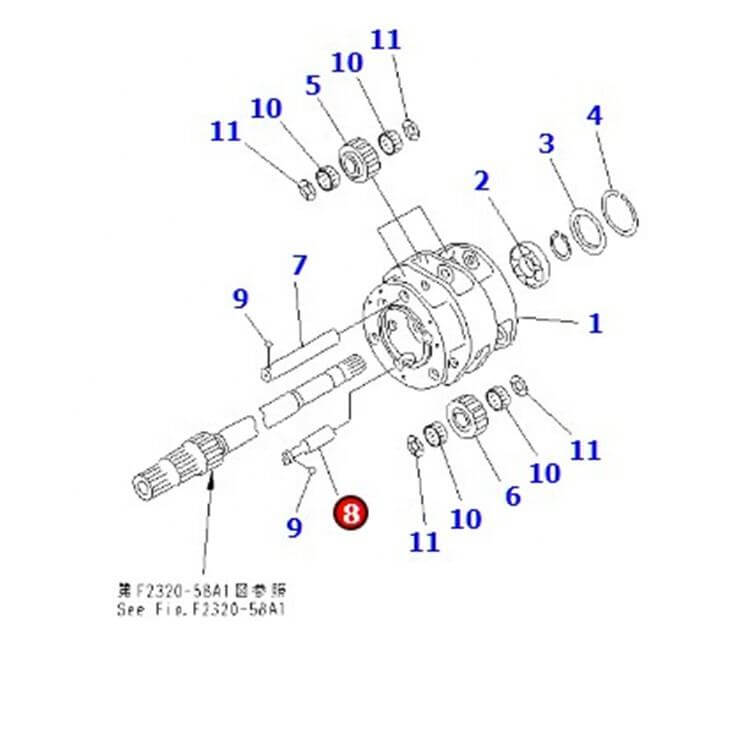
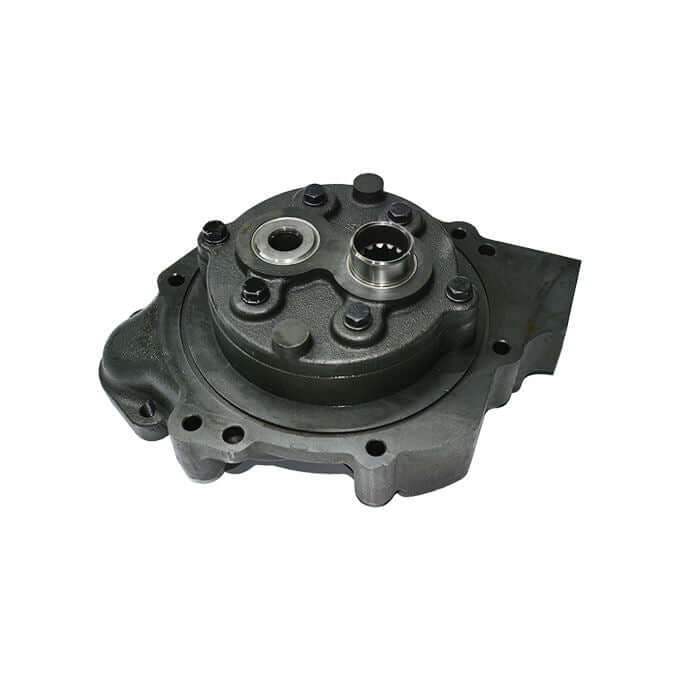
For CAT D6H applications specifically, the D6H transmission pump is an internal component that works in conjunction with the gear train to maintain hydraulic pressure within the powershift circuit. Operators replacing D6H transmission gears should also assess the transmission pump condition during the same inspection window, as a worn pump operating alongside new gears will degrade the hydraulic pressure delivery that the new components depend on for correct shift performance.
Gearbox Shaft Range
Gearbox Input Shaft
The gearbox input shaft is the first rotating component to receive engine torque through the torque converter or clutch, and it carries that torque into the first gear stage of the transmission assembly. Input shaft failure typically manifests as vibration at the front of the transmission housing, particularly at high engine speeds before gear engagement, and is commonly associated with bearing wear at the input shaft front support position. Our gearbox input shaft replacements are produced to OEM dimensional specifications, with spline profiles and bearing seat diameters machined to the tolerances required for correct bearing and gear fit across the full range of CAT and Komatsu transmission applications.
Gearbox Output Shaft
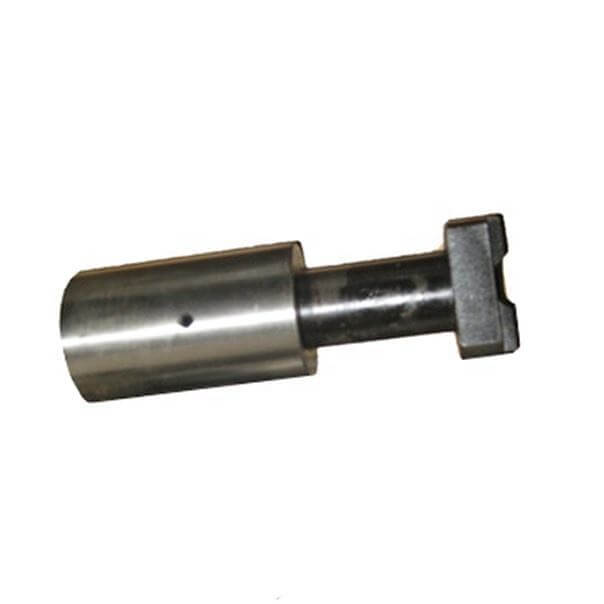
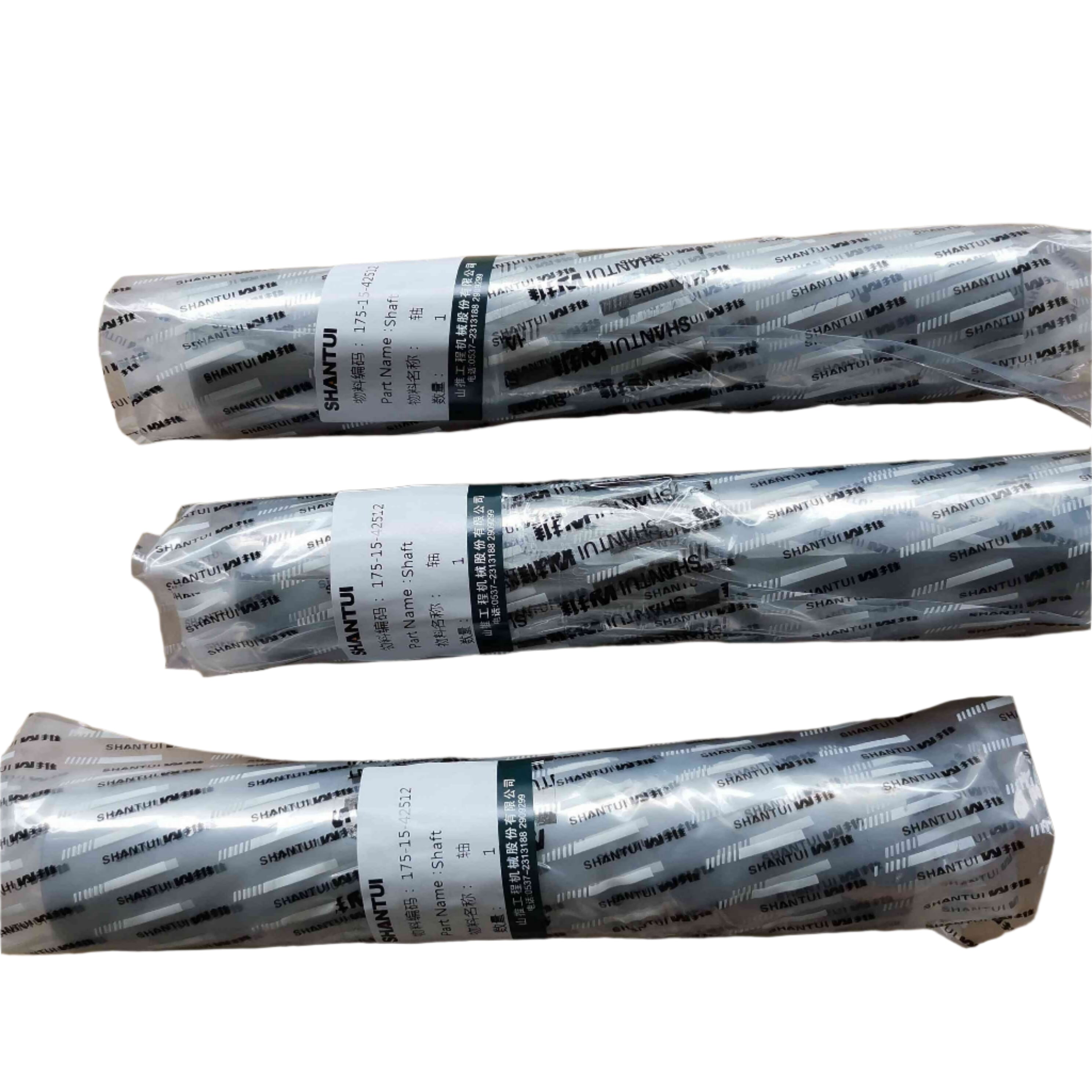
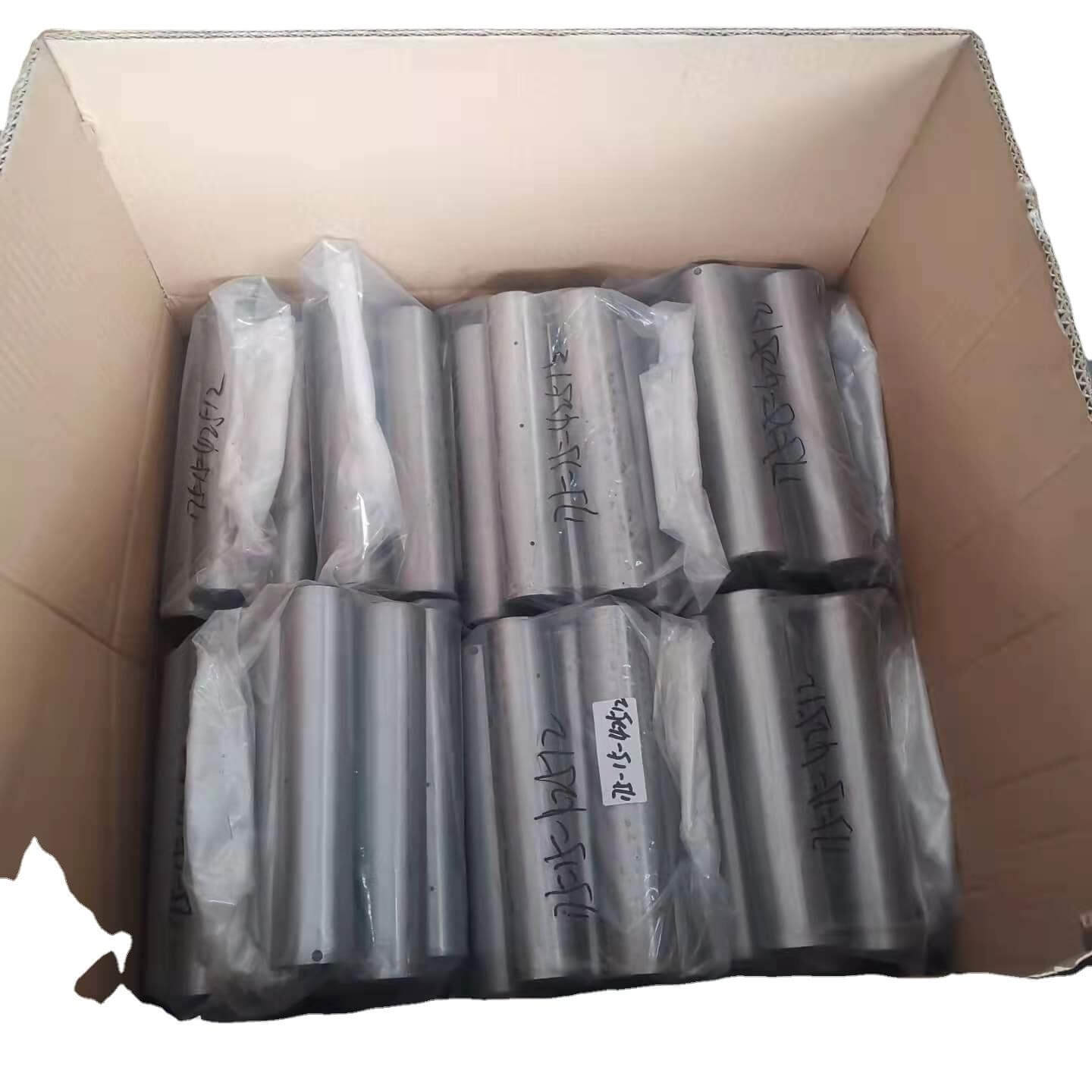
The gearbox output shaft delivers the transmission's final gear ratio to the final drive, axle, or torque divider, depending on the machine configuration. It is the highest-torque shaft in the assembly and the most frequently replaced shaft component in heavy equipment transmission repairs. Output shaft wear at the spline and bearing seat positions is the primary failure mode, and a worn output shaft that is allowed to run beyond its service limit introduces deflection into the gear stages above it, accelerating tooth wear across the final drive gear set. Imara Engineering carries gearbox output shaft replacements for CAT and Komatsu heavy equipment platforms, with each unit produced to the original spline count, tooth profile, and bearing seat diameter specification.
Transmission Layshaft
The transmission layshaft carries the intermediate gear set between the input and output shafts, and its condition directly determines the load distribution across every gear stage in the assembly. A worn or deflected layshaft introduces misalignment simultaneously into every gear mesh it supports, which is why layshaft bearing failure, if left unaddressed, produces damage across multiple gear stages rather than a fault localised to a single position. Our transmission layshaft replacements are produced to OEM shaft diameter, bearing seat, and gear mounting specifications for the CAT and Komatsu transmission variants in our range.
How to Identify Gear and Shaft Wear Before Ordering
Confirming the correct fault before ordering a transmission gear or shaft replacement prevents unnecessary parts procurement and ensures the component addresses the actual source of the drivetrain problem. The following process is recommended before an order is placed:
-
Drain and inspect the transmission fluid for metallic particle content. Gear tooth wear produces angular metallic particles with sharp edges. Bearing wear produces fine, spherical metallic particles. The particle morphology in the fluid identifies which component type is generating debris
-
Listen for gear-specific noise patterns: A grinding or whining noise that is present in one gear ratio and absent in others points to the gear mesh operating in that ratio. Noise that is present across all gears but varies with shaft speed points to a bearing or shaft fault
-
Inspect accessible gear faces through the inspection cover for pitting, spalling, or tooth edge chipping before committing to a full teardown
-
Check for output shaft deflection by measuring radial play at the output flange with the transmission static. Deflection beyond the manufacturer's specified tolerance confirms bearing seat or shaft wear
-
Cross-reference the fault location against the gear stage positions in the transmission service manual to identify the specific gear or shaft responsible before ordering
If the inspection reveals wear distributed across multiple gear stages simultaneously, a Transmission Rebuild Kit from our Transmission Rebuild Kits collection is a more appropriate solution than sourcing individual gear components separately.