

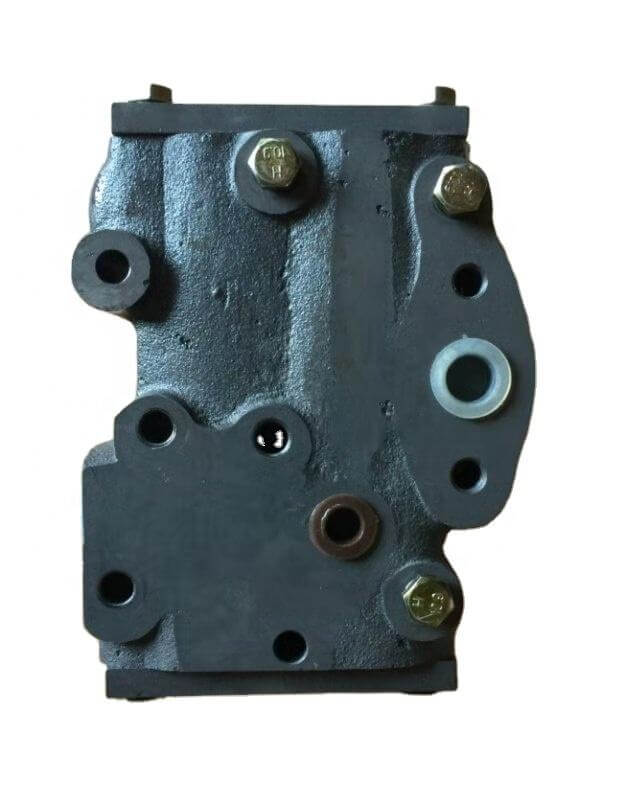
Heavy equipment is designed to operate under extreme conditions, lifting massive loads, digging through compacted soil, and running for hours in harsh environments. All of this generates an enormous amount of heat. Without a properly functioning cooling system, even the most powerful machine can overheat, lose efficiency, or suffer catastrophic engine damage.
Think of your machine's cooling system like the human body's circulatory system. Just as blood carries heat away from vital organs to regulate body temperature, coolant flows through your engine, absorbing excess heat before releasing it through the radiator. If any part of this system fails, the entire "body" of your machine begins to struggle.
Understanding heavy equipment cooling system parts is essential whether you manage a construction fleet, operate mining equipment, or maintain agricultural machinery. Knowing what each component does helps you identify problems early, reduce costly downtime, and choose the right replacement parts when repairs become necessary.
In this complete buyer's guide, we'll explain every major cooling system component, common failure signs, buying considerations, and maintenance best practices to help keep your equipment performing at its best.
Why the Cooling System Matters
An engine converts fuel into power, but not all that energy becomes useful work. A significant portion becomes heat.
According to leading OEMs such as Caterpillar, Komatsu, and Cummins, maintaining proper operating temperature is critical for engine efficiency, fuel economy, lubrication performance, and component longevity. Excessive heat accelerates wear on seals, bearings, pistons, cylinder heads, and gaskets while increasing the risk of complete engine failure.
Simply put, a reliable cooling system protects one of the most expensive components of your machine: the engine itself.
Main Heavy Equipment Cooling System Parts Explained
Every cooling system contains several components working together. If one fails, the entire system's performance is affected.
1. Radiator
The radiator is the heart of the cooling system. After coolant absorbs heat from the engine, it flows into the radiator, where air passing through cooling fins removes excess heat before the coolant returns to the engine.
Common radiator problems include:
- Blocked cooling fins
- Internal corrosion
- Coolant leaks
- Cracked tanks
- Damaged cores
A damaged radiator often causes rising engine temperatures, coolant loss, and poor machine performance.
2. Water Pump
The water pump continuously circulates coolant throughout the engine. Without proper coolant circulation, heat quickly builds up inside the engine block.
Common signs of water pump failure include:
- Coolant leaking from the pump
- Grinding or whining noises
- Engine overheating
- Loose pulley bearings
Think of the water pump as the heart pumping blood through the body. Even if every other organ is healthy, poor circulation causes the entire system to fail.
3. Thermostat
The thermostat controls when coolant begins flowing to the radiator. When the engine is cold, it remains closed, allowing the engine to warm up efficiently. Once the correct operating temperature is reached, it opens to allow coolant circulation.
A faulty thermostat can become stuck:
- Closed: causing rapid overheating
- Open: preventing the engine from reaching proper operating temperature
Both situations reduce engine efficiency.
4. Cooling Fan
The cooling fan increases airflow through the radiator, especially when equipment operates at low speeds. Excavators, loaders, and bulldozers often work while stationary, making cooling fans especially important.
Cooling fans may be:
- Mechanical
- Hydraulic
- Electric
Common failures include worn fan clutches, damaged blades, and hydraulic motor issues.
5. Fan Clutch
Many heavy-duty machines use a fan clutch to regulate fan speed based on engine temperature.
A faulty fan clutch may cause:
- Constant fan operation
- Insufficient cooling
- Increased fuel consumption
- Excessive engine noise
6. Radiator Hoses
Radiator hoses transport coolant between the radiator and engine. Although inexpensive, worn hoses are among the most common causes of unexpected coolant loss.
Inspect hoses regularly for:
- Bulging
- Cracks
- Soft spots
- Abrasion
- Oil contamination
7. Coolant Reservoir
The coolant reservoir stores excess coolant as temperatures fluctuate. A cracked or damaged reservoir can introduce air into the cooling system, reducing cooling efficiency.
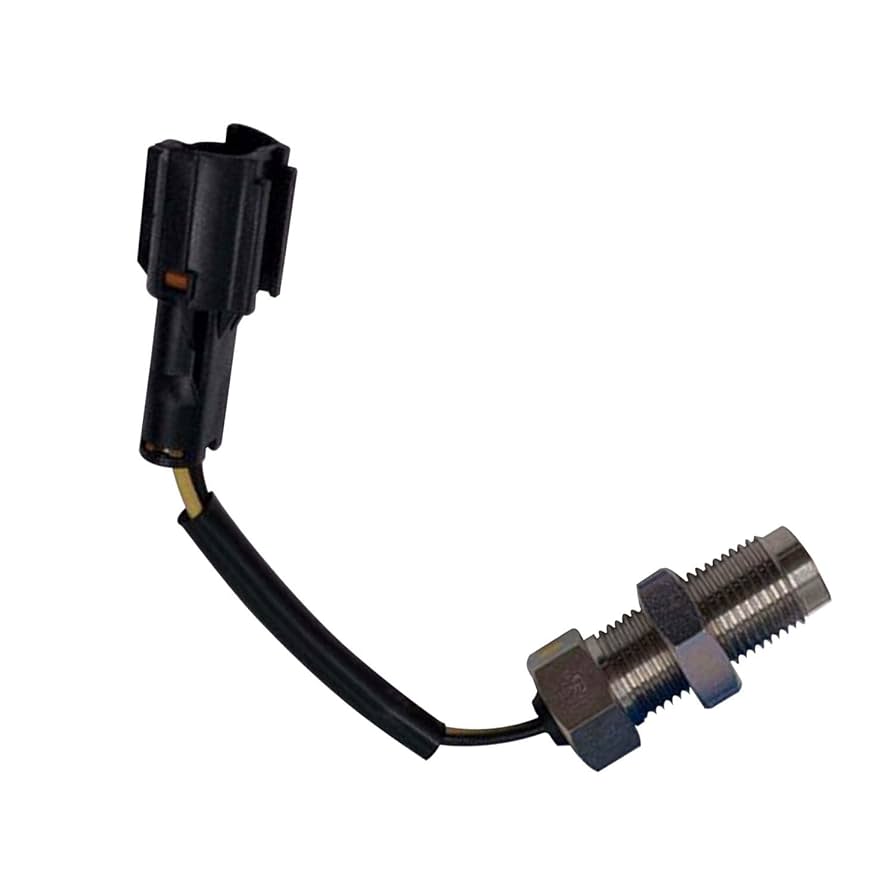
8. Coolant Temperature Sensor
Modern heavy equipment uses sensors to monitor coolant temperature continuously.
These sensors communicate with the machine's electronic control system, alerting operators before overheating becomes severe.
Faulty sensors may trigger inaccurate warning lights or fail to detect dangerous temperatures.
9. Radiator Cap
Although small, the radiator cap plays an important role. It maintains system pressure, allowing coolant to operate at higher temperatures without boiling.
A worn radiator cap can cause:
- Coolant overflow
- Air entering the system
- Reduced cooling efficiency
How All Cooling System Parts Work Together
The radiator, water pump, thermostat, hoses, cooling fan, and sensors are like musicians. Even if every performer plays perfectly except one, the audience notices something is wrong.
Similarly, cooling system components depend on one another.
For example:
- The water pump circulates coolant.
- The thermostat controls coolant flow.
- The radiator removes heat.
- The cooling fan improves airflow.
- The radiator cap maintains pressure.
- Sensors monitor temperature.
One weak component affects the entire system.
Signs Your Cooling System Parts Need Replacement
Ignoring early warning signs often results in expensive repairs.
Watch for:
- Engine overheating
- Frequent coolant loss
- Steam from the engine compartment
- Coolant puddles beneath equipment
- High temperature warning lights
- Reduced engine power
- Increased fuel consumption
- Sweet coolant smell
- White exhaust smoke (in severe cases)
How to Choose Quality Heavy Equipment Cooling System Parts
Not every replacement part delivers the same performance. When buying cooling system components, consider the following factors.
Machine Compatibility
Always verify:
- Equipment make
- Model
- Engine model
- Serial number
- OEM part number
OEM Specifications
Choose replacement parts manufactured to OEM specifications for proper fit and reliable performance. Poorly manufactured components may reduce cooling efficiency or fail prematurely.
Preventive Maintenance Tips
Cooling system maintenance is one of the simplest ways to extend engine life. Create a maintenance schedule that includes:
- Checking coolant levels daily
- Inspecting hoses weekly
- Cleaning radiator fins regularly
- Inspecting fan blades
- Monitoring coolant temperature
- Replacing worn belts
- Pressure-testing the cooling system
- Flushing coolant according to manufacturer recommendations
Regular inspections help identify small issues before they become major repairs. If you're specifically maintaining excavators, read our guide on Cooling System Maintenance for Excavators: What to Check and When to learn the inspection intervals and maintenance checklist that can help reduce unexpected downtime.
Why Buy Cooling System Parts from IMARA Engineering Supplies?
At IMARA Engineering Supplies, we understand that every hour of equipment downtime affects productivity and profitability.
We supply high-quality replacement parts for a wide range of heavy equipment brands and applications, helping contractors, fleet managers, equipment owners, and maintenance teams keep their machines operating efficiently.
Our inventory includes reliable cooling system components designed for durability, proper fit, and dependable performance in demanding working environments.
Whether you're replacing a radiator, water pump, cooling fan, thermostat, radiator hose, or other cooling system component, our team can help you source the right part for your machine. Contact us today


