Clutch Wear Is Predictable, Which Makes It the Most Controllable Drivetrain Maintenance Cost
Unlike gearbox bearing failure or torque converter degradation, clutch wear follows a predictable trajectory that experienced fleet managers and equipment operators can monitor and manage before it generates secondary damage costs. The clutch assembly has a measurable service life, produces clear wear indicators as it approaches its replacement threshold, and gives the operator progressive feedback through engagement feel and slip behaviour that signals exactly where in its service cycle it sits.
The maintenance cost of a clutch repair that is managed proactively, replacing the clutch kit or clutch plates at the correct service interval or at the first signs of slip, is a fraction of the cost of a clutch repair that is deferred until the friction material has worn through to the backing plate and begun scoring the flywheel face and damaging the pressure plate diaphragm.
Three operating patterns consistently shorten clutch service life beyond the expected interval:
-
Frequent slip-start cycles where the operator feathers the clutch pedal through high-resistance engagements rather than committing to a clean, full engagement from a stationary position
-
Sustained partial engagement during crawl operations, where the clutch is held in a slipping state to control ground speed rather than using the transmission gear range for speed management
-
Deferred release bearing replacement that allows a worn release bearing to introduce lateral force into the pressure plate diaphragm during disengagement, accelerating pressure plate wear and reducing the service life of the next clutch kit installed against it
Managing these three patterns through operator training and timely component replacement keeps clutch maintenance costs within the predictable maintenance budget rather than the emergency repair column.
Our Clutch Parts Range
Clutch Kits
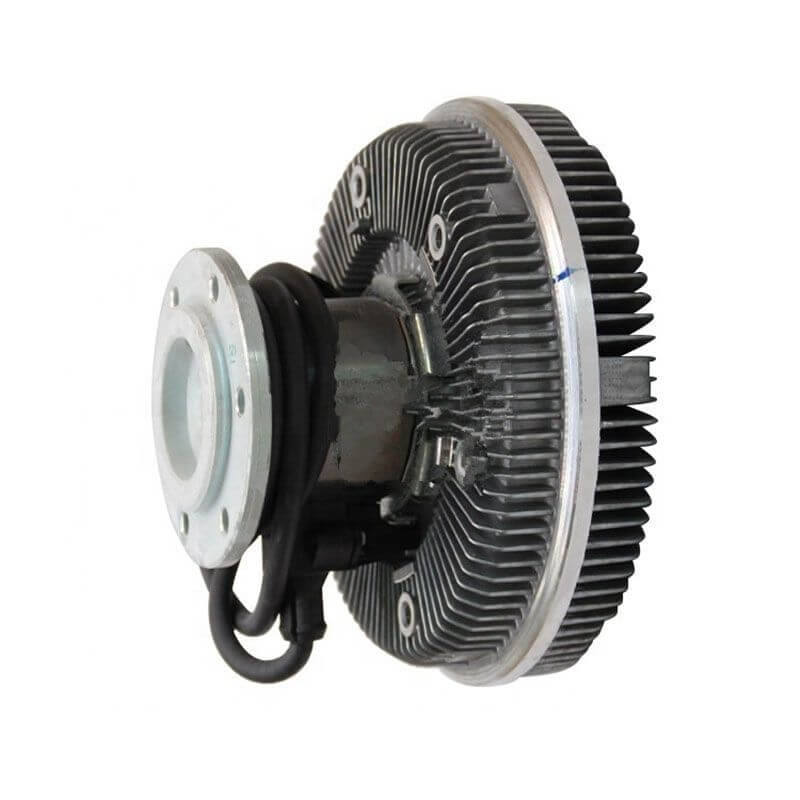
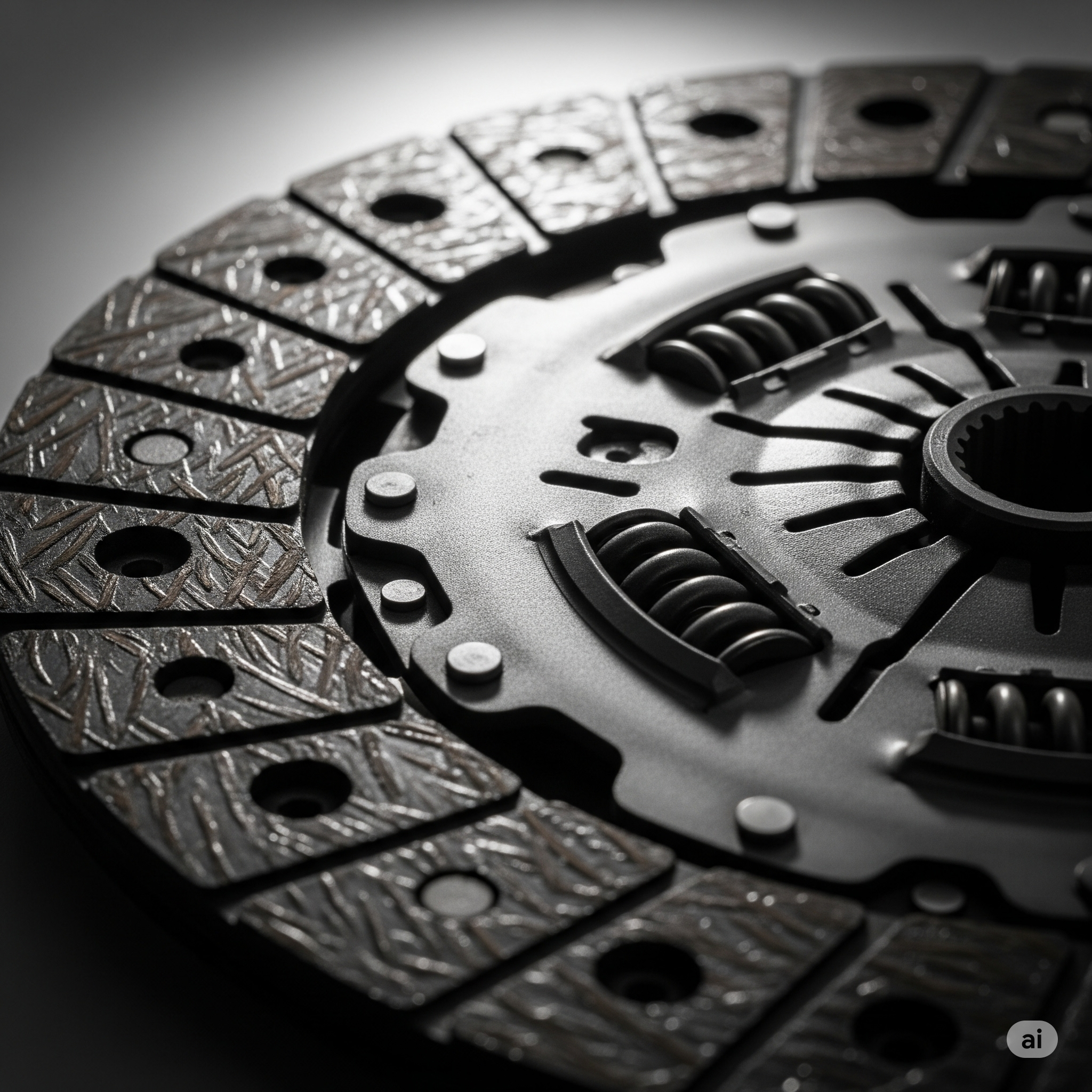
A clutch kit is the complete assembly replacement solution for machines where the clutch system requires a full renewal rather than a targeted component repair. Our Clutch Kits collection carries complete clutch assembly kits for CAT and Komatsu heavy equipment applications across excavators, dozers, and loaders, with each kit containing the friction disc set, pressure plate, and release bearing components required for a full clutch renewal in a single order. Complete clutch kit heavy equipment variants are available in both standard OEM-equivalent and heavy-duty configurations for machines operating in high-cycle environments where the standard kit friction material reaches its wear limit before the expected service interval. Dozer clutch kit and loader clutch kit configurations are available across the CAT and Komatsu platforms in our range, with clutch assembly heavy equipment kits cross-referenced against machine serial number before dispatch to confirm the correct plate count, friction material grade, and pressure plate specification for the specific variant.
Clutch Plates
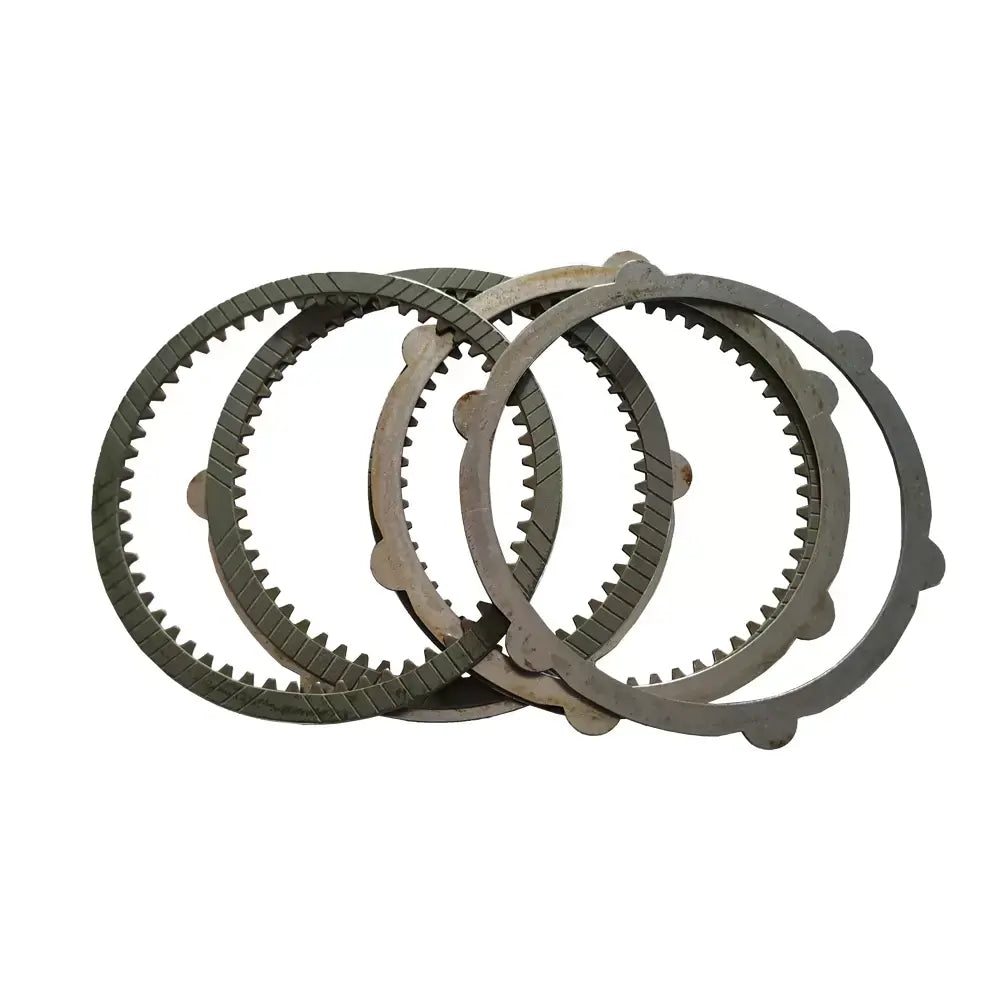
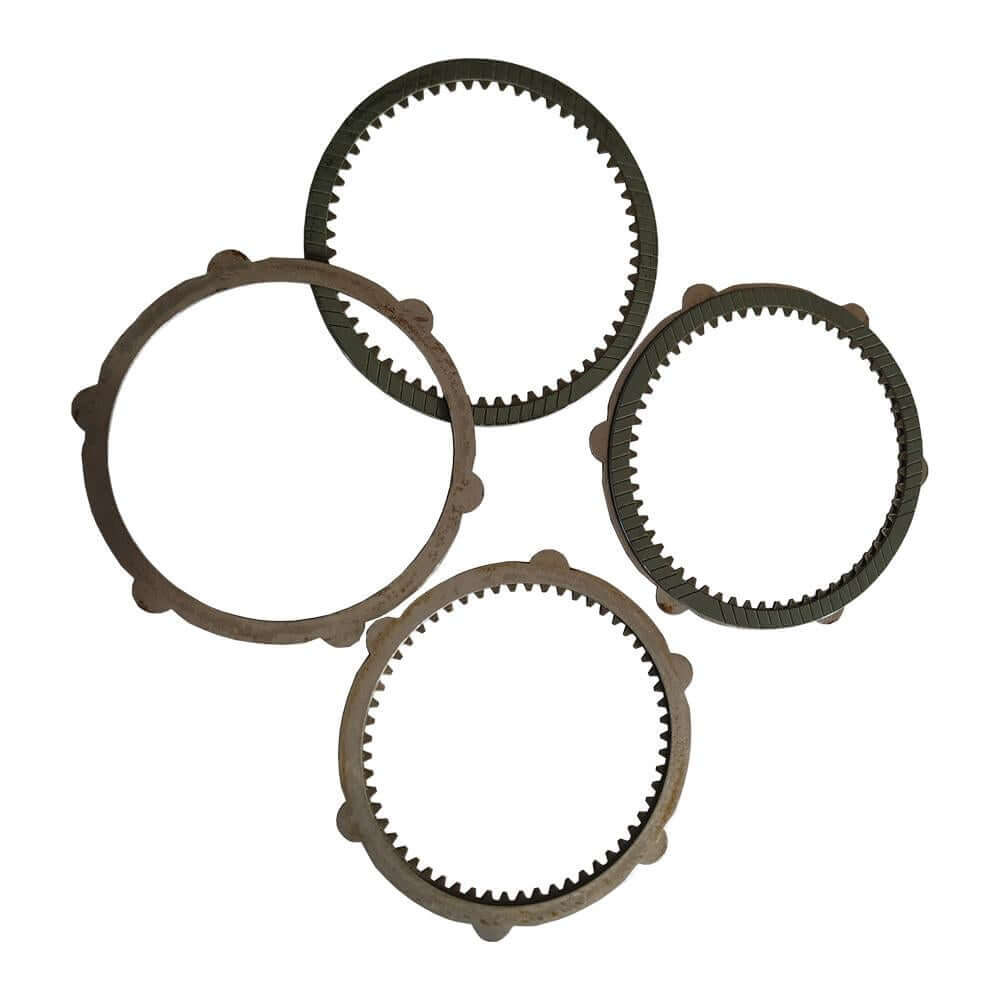
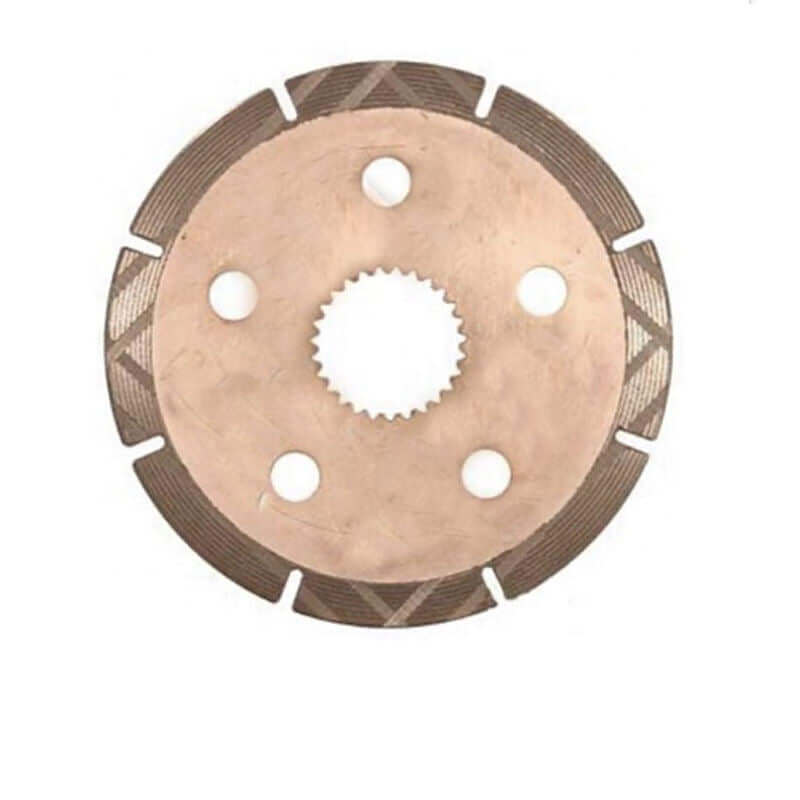
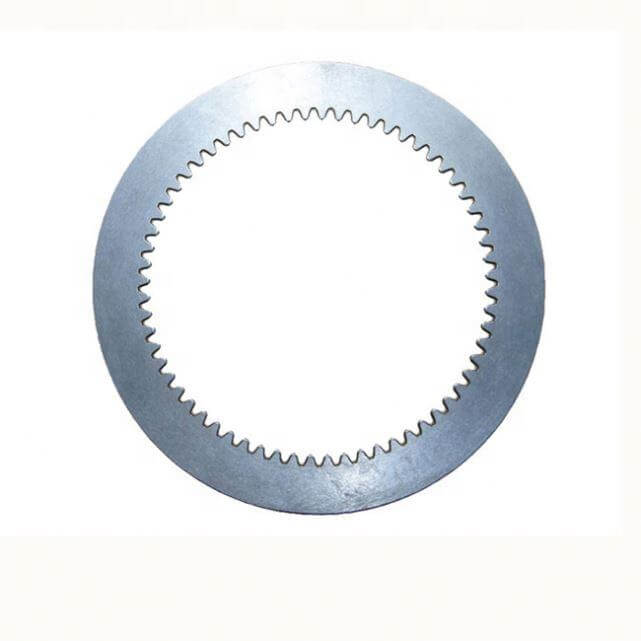
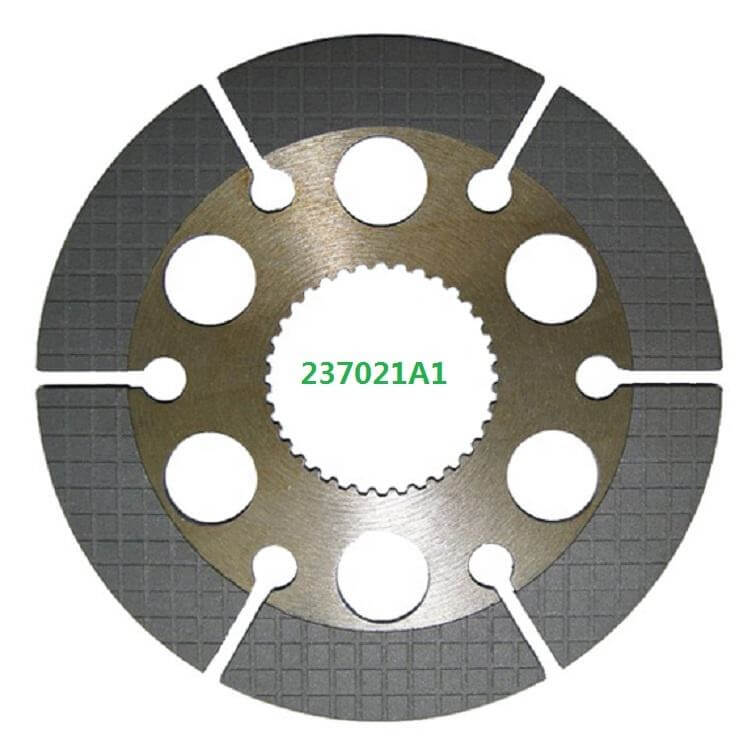
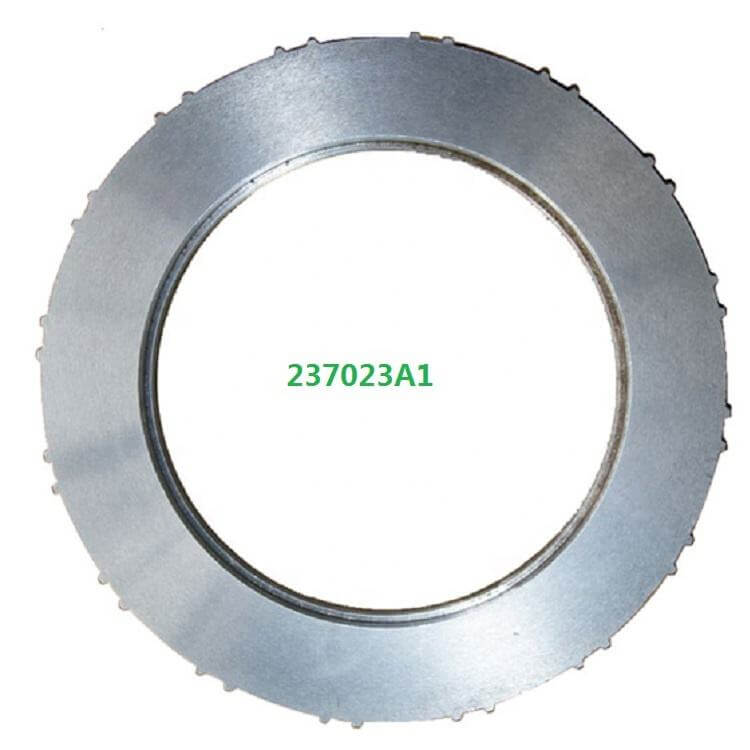
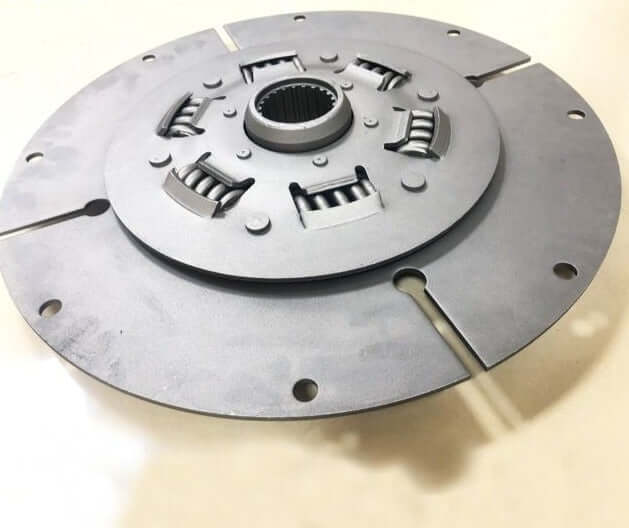
For machines where the clutch kit approach involves replacing serviceable components alongside worn ones, our Clutch Plates collection provides the targeted alternative: individual friction discs and drive plates sourced by position and specification to replace only what the inspection has confirmed is worn. This collection carries clutch plate heavy equipment variants in sintered and organic friction materials, covering the full plate range across CAT and Komatsu clutch assemblies for dozers, excavators, and loaders. Sintered clutch plates are the correct choice for high-load, high-cycle applications where organic friction material reaches its wear limit too quickly for the machine's operating demands. Friction disc heavy equipment replacements and clutch drive plate units are available with friction material compound and backing plate specifications matched to the operating environment and the specific clutch assembly they serve. The cat clutch plate and Komatsu clutch plate variants in our range are produced to the original plate thickness, friction area, and spline specifications of the genuine components they replace.
Pressure Plates
The pressure plate is the component that clamps the friction disc against the flywheel under spring or diaphragm load, and its condition determines the clamping force available at the friction interface across the life of the clutch assembly. A pressure plate with worn or fatigued diaphragm fingers delivers reduced clamping force that allows the friction disc to slip under load long before the friction material itself reaches its wear limit, producing clutch slip symptoms that lead operators to replace the friction disc when the actual fault is in the pressure plate. Our Pressure Plates collection carries heavy-duty pressure plate replacements for CAT and Komatsu heavy equipment applications across dozers, excavators, and loaders, with pressure plate assembly configurations available for platforms where the complete pressure plate unit is the correct replacement rather than the diaphragm spring in isolation. Cat pressure plate and Komatsu pressure plate replacements in our range are produced to OEM clamping load specifications, with diaphragm geometry and spring load rates matched to the friction disc and flywheel interface dimensions of the specific machine variant.
Release Bearings
The release bearing is the component that translates the operator's clutch pedal input into a mechanical disengagement force on the pressure plate diaphragm, and it is the most frequently overlooked component in a clutch service, replaced as an afterthought during a clutch kit installation rather than assessed and sourced as a critical element of the disengagement system. Our Release Bearings collection carries hydraulic and mechanical clutch release bearing variants for CAT and Komatsu heavy equipment applications, covering the full range of release bearing configurations used across dozers, excavators, loaders, and motor graders on both platforms. The clutch release bearing excavator variants in our range cover both the thrust face contact geometry and the bearing housing dimensions required for correct installation against the pressure plate diaphragm fingers of the specific clutch assembly. Hydraulic release bearing heavy equipment variants are available for platforms where the release bearing is integrated into a hydraulically actuated clutch disengagement system rather than a mechanical pedal linkage.
Clutch Pack Applications: Where the Clutch System Differs Across Machine Types
The term "clutch parts" covers fundamentally different assemblies depending on the machine type to which it is applied. Understanding the distinction ensures the correct component collection is being sourced for your specific application.
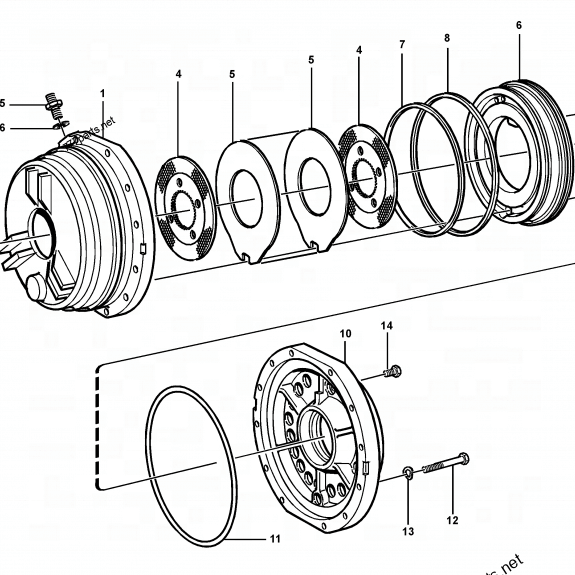
Dozer Clutch Applications In tracked dozers, the clutch system serves two distinct functions: the main clutch disengages the engine from the transmission for gear selection, and the steering clutches disengage individual track drives to allow directional control. Dozer clutch parts for CAT D-series dozers and Komatsu D-series platforms, including the Komatsu D20P steering clutches, cover both functions, with the clutch pack heavy equipment assemblies for steering applications requiring a different friction material grade and plate configuration than the main drive clutch. All dozer clutch parts are cross-referenced against the machine model and serial number to confirm which clutch assembly and which function the replacement is for.
Excavator and Loader Clutch Applications: Excavator clutch and loader clutch assemblies are drive clutches operating on a single engagement axis between the engine and transmission. These applications generate fewer slip cycles per operating hour than dozer steering clutches but operate under higher sustained torque loading during bucket fill and lift cycles. Cat clutch and Komatsu clutch replacements for excavator and loader applications are available across the full component range in our four clutch collections.
Confirming the Correct Clutch Parts for Your Machine
Clutch component orders that arrive incorrectly specified are the most common source of avoidable downtime extension in heavy equipment clutch repairs. The following information is required to confirm the correct components before any order is processed:
-
Machine model and full serial number from the identification plate on the machine frame — clutch specifications vary across production years of the same model designation
-
Clutch function being repaired: main drive clutch, steering clutch, or PTO clutch application, as these are distinct assemblies with different component specifications, even on the same machine
-
Current friction material type, if known: sintered or organic, as this determines the correct replacement grade for the operating conditions
-
Component being replaced — complete kit, friction disc only, pressure plate only, or release bearing only, which determines which collection the order should be drawn from
-
Fault description, including whether the symptom is slip under load, difficult disengagement, clutch judder, or noise during release, as this helps our team confirm whether a targeted component repair or a full kit replacement is the appropriate solution