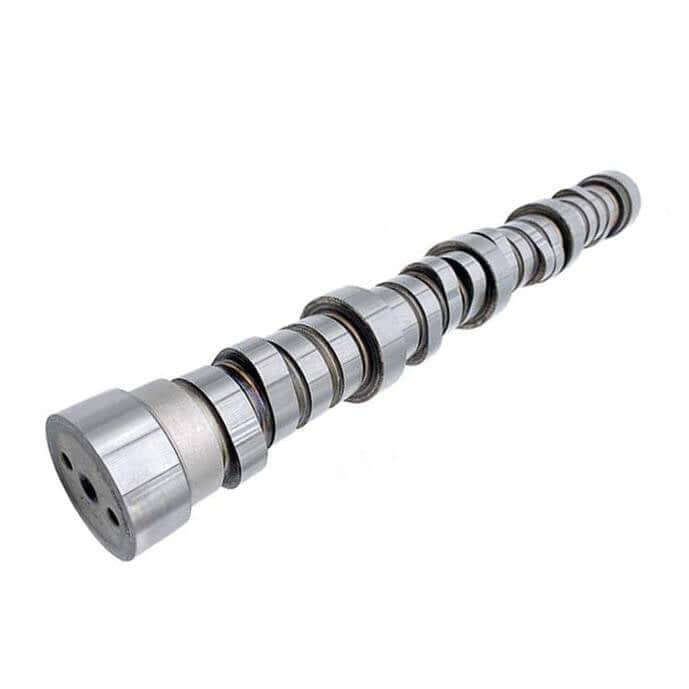
What a Camshaft Does and Why Failure Is Serious
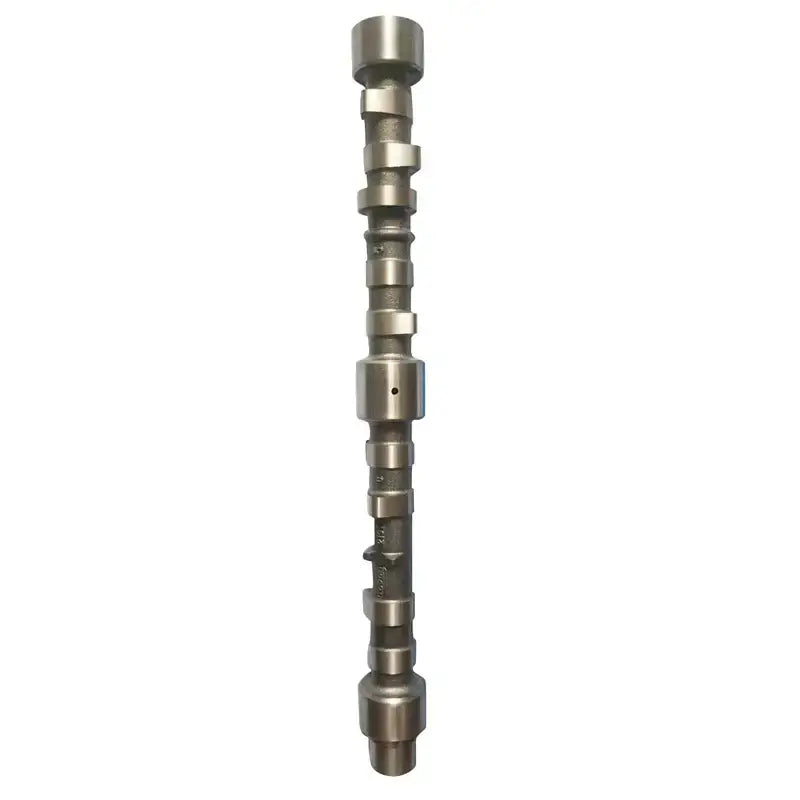
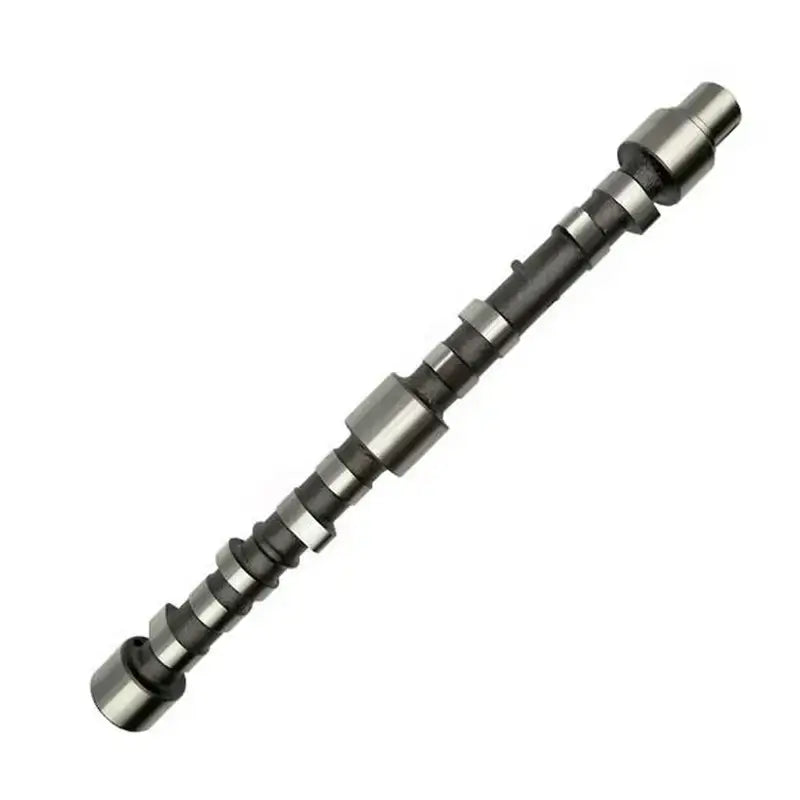
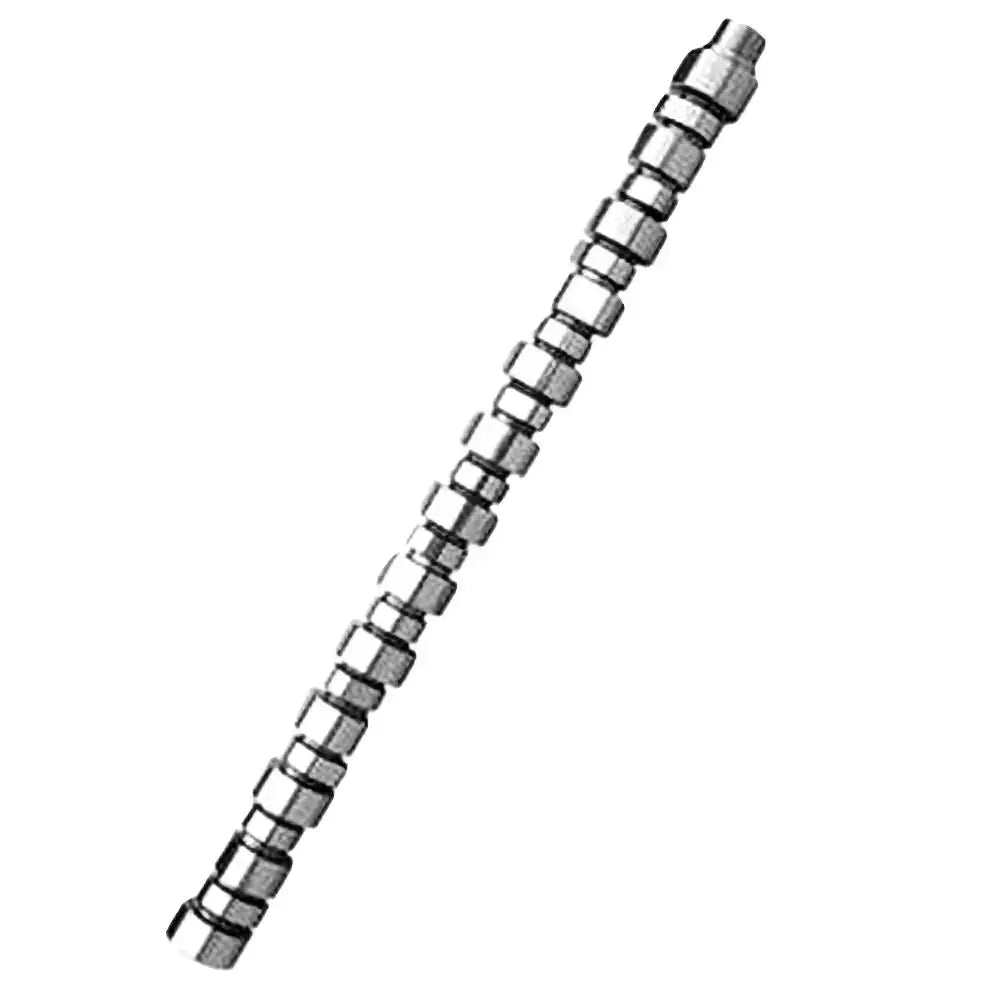
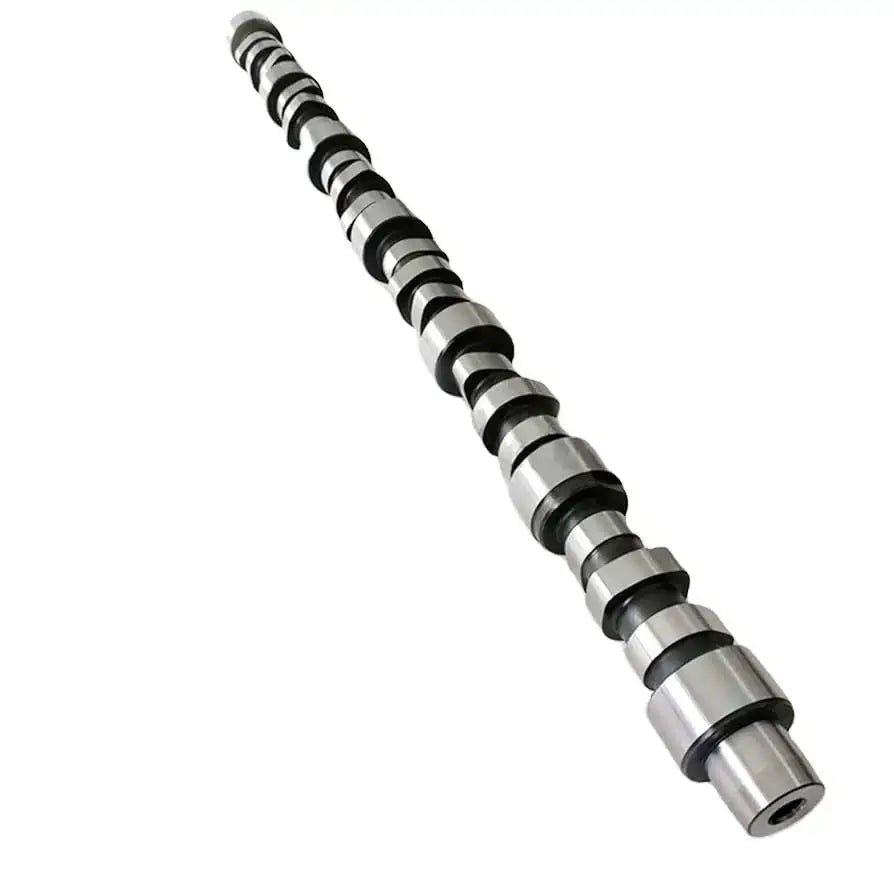
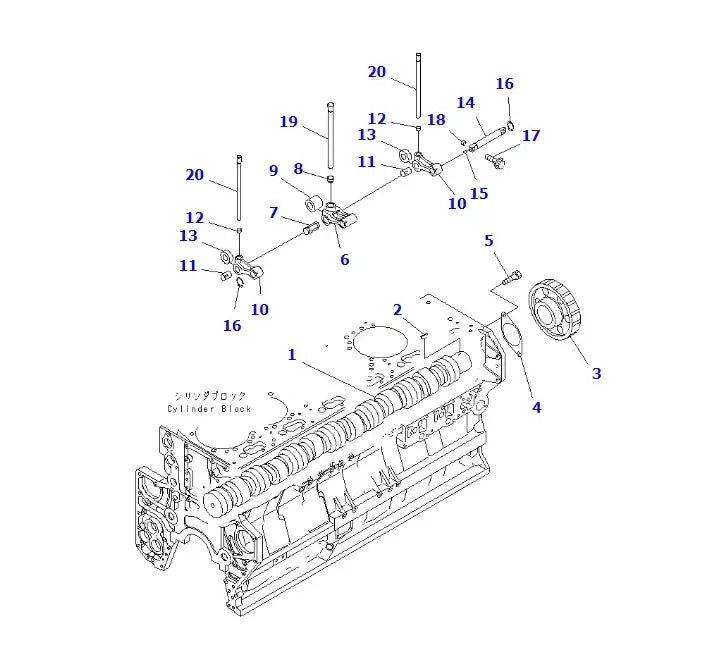
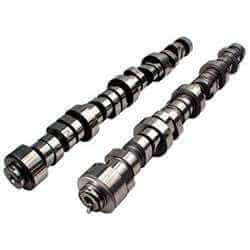
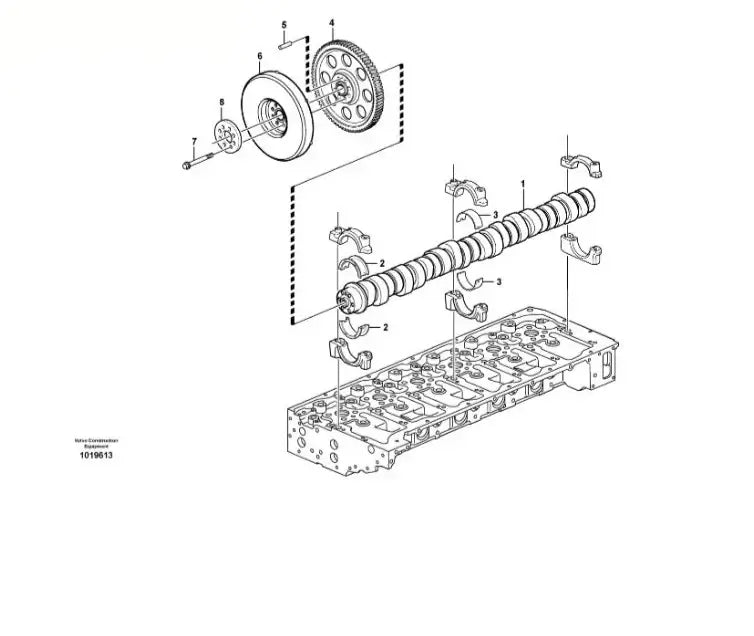
The camshaft controls every valve event in the diesel engine. As it rotates, each lobe on the shaft lifts the corresponding intake or exhaust valve off its seat at a precisely defined point in the combustion cycle, holding it open for a defined duration and to a defined lift height before allowing it to close under spring pressure. This sequence of events: intake valve opens to admit the air charge, exhaust valve opens to expel combustion gases, must occur at exactly the right crank angle on every cycle to maintain combustion efficiency, power output, and emissions compliance.
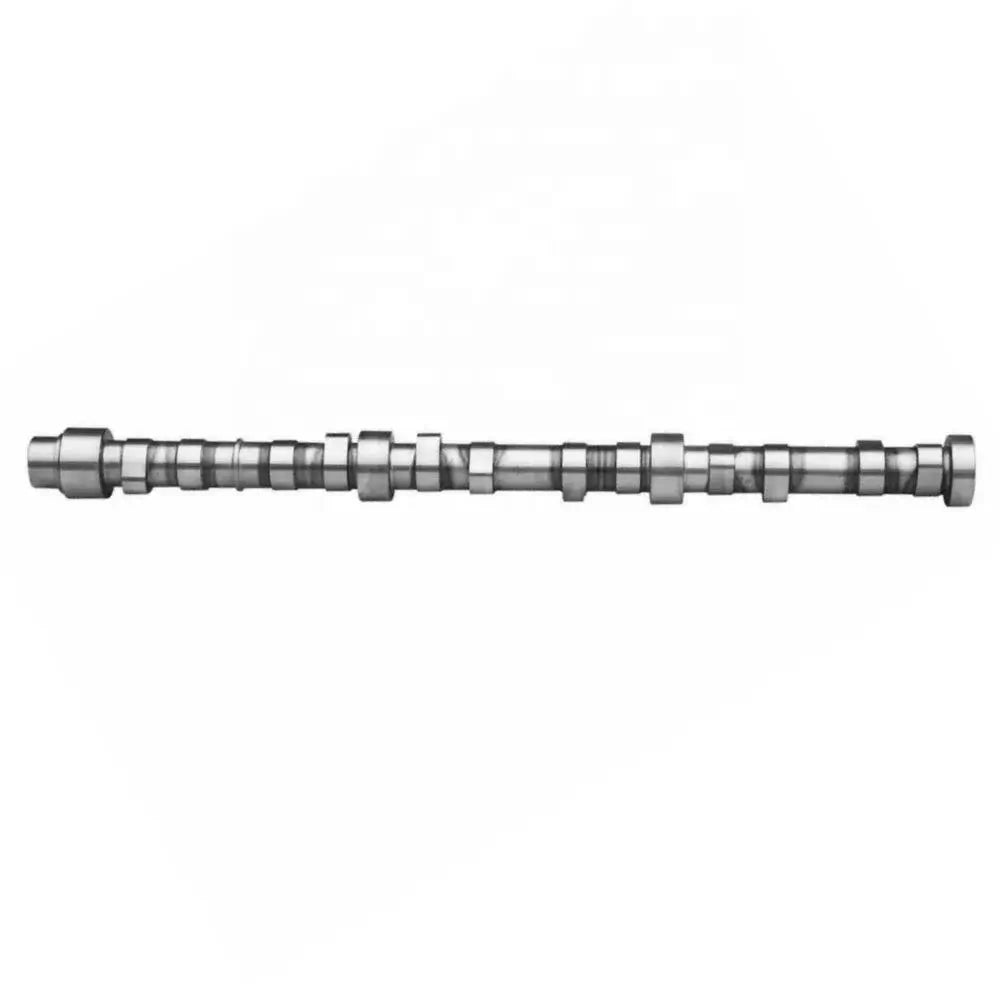
The precision required is significant. Camshaft lobe geometry is engineered to fractions of a millimetre. A lobe that has worn even slightly off its specified lift or profile changes the valve event it controls, reducing how far the valve opens, how long it stays open, and when it opens and closes relative to the piston position. As wear progresses, the effects compound across every cylinder the camshaft serves:
-
Reduced power output — shortened valve lift and duration reduces the volume of air entering the combustion chamber on each intake stroke, directly limiting power output
-
Increased fuel consumption — incomplete combustion from a poorly timed or shallow valve event forces the engine to work harder for the same output
-
Elevated exhaust emissions — inefficient combustion and incomplete exhaust scavenging raise particulate and NOx emissions, creating compliance issues on regulated equipment
-
Progressive valve train damage — a worn lobe increases impact loading on the associated rocker arm, pushrod, and valve seat — accelerating wear throughout the valve train assembly
-
Misdiagnosis as injector or fuel system failure — the symptoms of camshaft wear closely mirror those of fuel system issues, and camshaft condition is frequently overlooked until a top-end inspection is carried out
Early camshaft inspection during any engine overhaul and proactive replacement on high-hour engines showing performance decline is significantly less expensive than the valve train and combustion damage that accumulates from continued operation on a worn camshaft.
The CAT C15 ACERT Camshaft, The Most Critical Platform in Our Range
The CAT C15 ACERT carries the most well-documented camshaft wear history of any platform in our range. The ACERT combustion system, Caterpillar's Advanced Combustion Emissions Reduction Technology, operates at higher cylinder pressures and with more precise valve timing requirements than the standard C15 it replaced. This places greater mechanical demand on the camshaft lobes, and at high engine hours, lobe spalling and wear on the C15 ACERT camshaft is a consistent and well-recognised failure point.
Several factors make the C15 ACERT camshaft a priority inspection item on any C15 ACERT overhaul:
-
Higher combustion pressures — the ACERT system operates at elevated cylinder pressures that increase the mechanical load on camshaft lobes with every cycle
-
Tighter valve timing tolerances — the ACERT system's emissions management depends on precise valve timing. Even minor lobe wear moves the engine outside its designed operating parameters
-
Lobe spalling at high hours — spalling of the hardened lobe surface is the most common C15 ACERT camshaft failure mode, producing metallic debris in the lubrication system and rapid progression to full lobe failure
-
Crossover to valve train damage — a spalling C15 ACERT camshaft lobe rapidly damages the associated rocker arm and pushrod, turning a camshaft replacement into a more extensive valve train overhaul if not caught early
The CAT part number 10R7155 is one of the most commonly referenced C15 ACERT camshaft specifications. Our team cross-references this and all platform-specific part numbers against your engine serial number to confirm the correct specification before dispatch.
CAT Camshafts, Full Platform Coverage
Caterpillar diesel engines represent the highest demand for camshafts across our entire range. Beyond the C15 ACERT, the 3406B and 6NZ platforms carry significant ongoing camshaft replacement demand reflecting both the volume of these engines still in active heavy-duty service and the known lobe wear characteristics they exhibit at extended operating hours.
Our CAT camshafts range covers:
-
CAT C15 ACERT — the highest-demand camshaft in our range, available to the correct ACERT-specific lobe geometry and duration specification
-
CAT C15 (6NZ) — the pre-ACERT C15 variant, carrying a different camshaft specification from the ACERT that must be confirmed by engine serial number before dispatch
-
CAT 3406B — one of the most rebuilt CAT engine families in existence, with strong ongoing camshaft demand across heavy plant and on-highway fleets
-
CAT C13 — a high-torque mid-range platform deployed across large excavators and heavy plant equipment globally
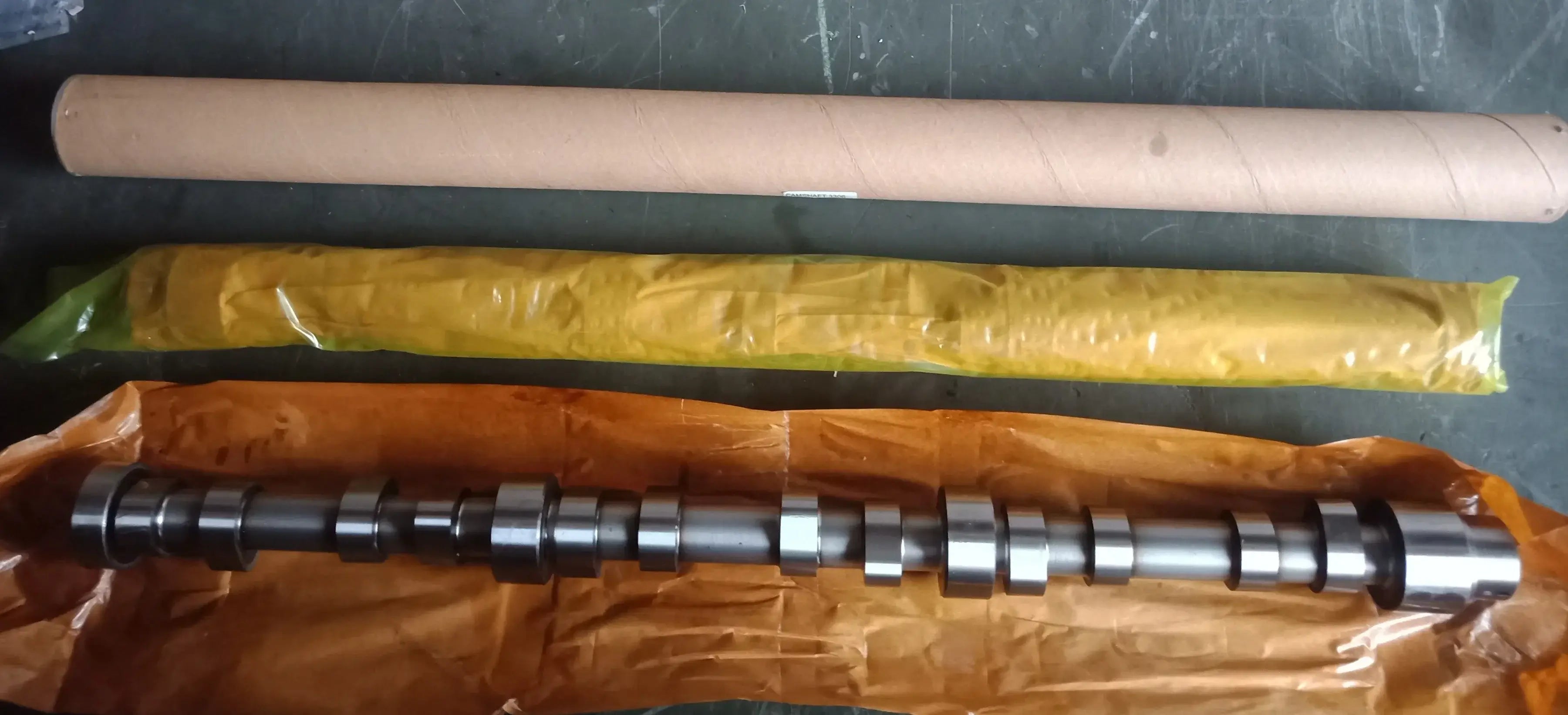
All CAT camshafts are manufactured to OEM lobe lift profiles, duration specifications, and base circle tolerances, the three dimensions that determine valve timing accuracy across the full operating range.
Cummins Camshafts N14, ISX & ISX15 Platforms
Cummins diesel engines are deployed across some of the most demanding heavy equipment and over-the-road applications globally. The N14 and ISX family are the highest-demand Cummins platforms in our camshafts range engines, known for high-hour reliability when correctly maintained, but subject to progressive lobe wear under sustained high-load operation at extended service intervals.
Our Cummins camshafts range covers:
-
Cummins N14 — a high-torque legacy platform with strong ongoing camshaft demand across heavy plant and on-highway applications worldwide
-
Cummins ISX — one of the most widely deployed Cummins engines in modern heavy equipment, with camshaft wear a known high-hour failure point
-
Cummins ISX15 — the high-output ISX variant requiring precise camshaft lobe specification for correct combustion geometry and emissions compliance
All Cummins camshafts are manufactured to OEM lift, duration, and base circle specifications cross-referenced to your engine serial number for confirmed fitment before dispatch.
Signs Your Camshaft Needs Replacing
Camshaft wear develops progressively and mimics the symptoms of several other diesel engine failure modes, which is why it is frequently missed until a physical inspection is carried out during an overhaul. Knowing what to look for shortens the diagnostic process and prevents accumulated valve train damage from compounding the repair cost.
Key indicators that your camshaft requires inspection or replacement:
-
Gradual power loss that does not respond to fuel system adjustments — a consistent and progressive decline in power output with no fuel system fault found is a strong indicator of valve event deterioration from lobe wear
-
Increased fuel consumption at the same load — inefficient combustion from compromised valve timing increases fuel demand without a corresponding increase in output
-
Elevated exhaust smoke and emissions — particularly on regulated equipment, unexplained emissions increases that do not respond to injector or turbo servicing warrant camshaft inspection
-
Ticking or tapping from the valve train at operating temperature — increased lash between a worn lobe and its follower produces audible noise at running temperature
-
Metallic debris in the engine oil or oil filter — camshaft lobe spalling deposits hard metallic particles into the lubrication system, which circulate through the engine and accelerate wear on bearings and other surfaces
-
Compression variation across cylinders — a worn lobe producing insufficient valve lift on a specific cylinder will show as a compression difference on a leakdown test
If metallic debris is found in the oil filter during a service, camshaft inspection should be the first step before any further engine operation.
What to Replace at the Same Time as Your Camshaft
Camshaft replacement delivers its full benefit only when the components that interface directly with the camshaft lobes are in the correct serviceable condition at the same time. A new camshaft fitted against worn followers, rocker arms, or pushrods will show accelerated lobe wear from the first hours of operation.
At Imara Engineering, we recommend sourcing the following alongside your camshaft:
-
Camshaft followers and lifters — the hardened contact surfaces of worn followers accelerate lobe wear on a new camshaft. Always replace followers alongside a new camshaft on platforms where individual follower replacement is possible
-
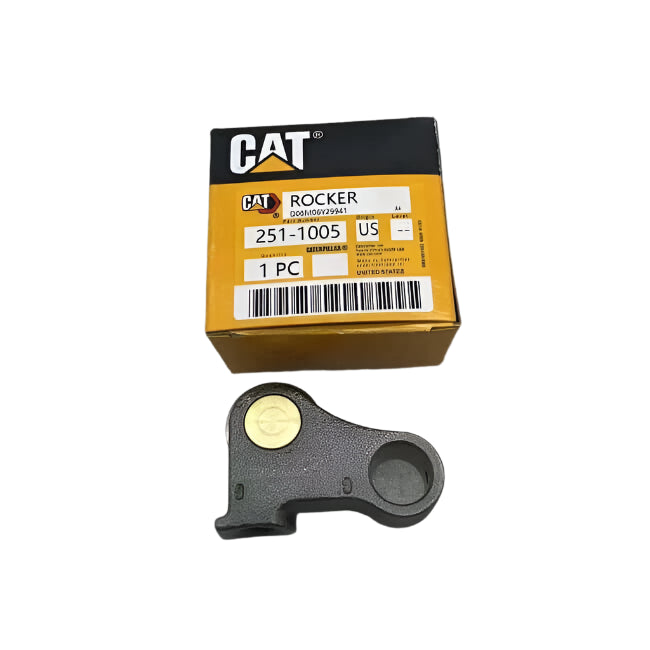
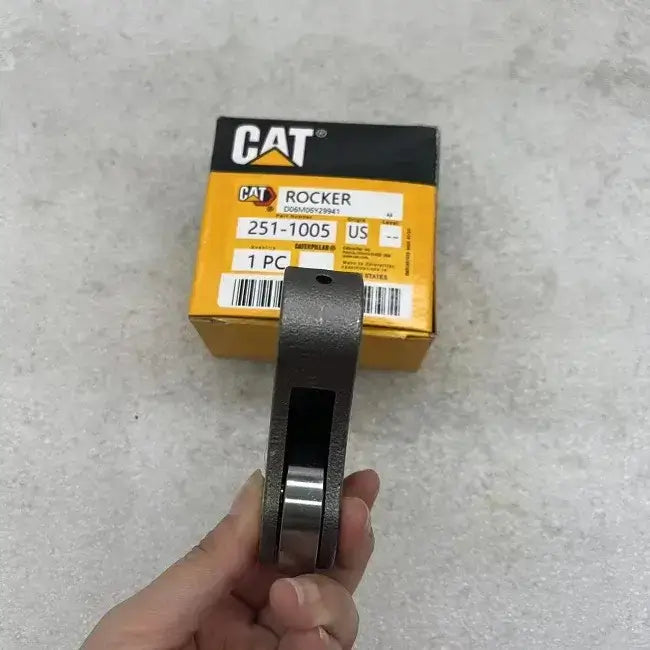
Rocker arms and pushrods — on platforms where lobe wear has progressed to the point of impact loading, rocker arm and pushrod inspection is essential before the new camshaft is installed
-
Engine gasket kit — if the camshaft replacement is being carried out as part of a broader engine overhaul, a full gasket kit is required. Check our Gasket Kits and Rebuild Kits range for complete CAT and Cummins platform coverage
-
Crankshaft inspection — whenever the engine is stripped to camshaft depth, the crankshaft journal condition should be measured and documented. Check our Crankshafts range for full platform coverage if replacement is required
-
Valve train components — valve springs, valve stem seals, and rocker cover gaskets should all be inspected and replaced where necessary as part of the same overhaul
Our team can consolidate all associated components into a single order to eliminate sourcing gaps and reduce the risk of a missing component halting your rebuild.
Why Source Your Camshaft from Imara Engineering?
Workshop managers and fleet operators across Australia, North America, Canada, and globally choose Imara Engineering for camshafts because valve timing precision is not a component category where dimensional compromise is acceptable, and we hold every camshaft in our range to the OEM specifications that make a rebuild perform correctly from the first hours of operation.
-
OEM Lobe Geometry and Duration Specifications — Lift profiles, duration, and base circle dimensions are all manufactured to OEM specifications. Correct lobe geometry is what maintains valve timing accuracy and combustion efficiency across the service life.
-
C15 ACERT Specific Expertise — The C15 ACERT camshaft is our highest-demand and most technically specific platform. We stock the correct ACERT-specification camshaft and confirm the variant against your engine serial number before every order ships.
-
Confirmed Fitment Before Dispatch — C15 or C15 ACERT, 6NZ or non-6NZ, the correct camshaft specification is confirmed against your engine serial number before the order ships. The wrong lobe profile on an ACERT platform is a performance and emissions failure from day one.
-
Associated Components Available — Gasket kits, crankshafts, and valve train components available alongside your camshaft in a single consolidated order for a complete overhaul supply.
-
Fast Worldwide Shipping — Dispatching to Australia, USA, Canada, and internationally with full tracking and fast turnaround on all in-stock items.