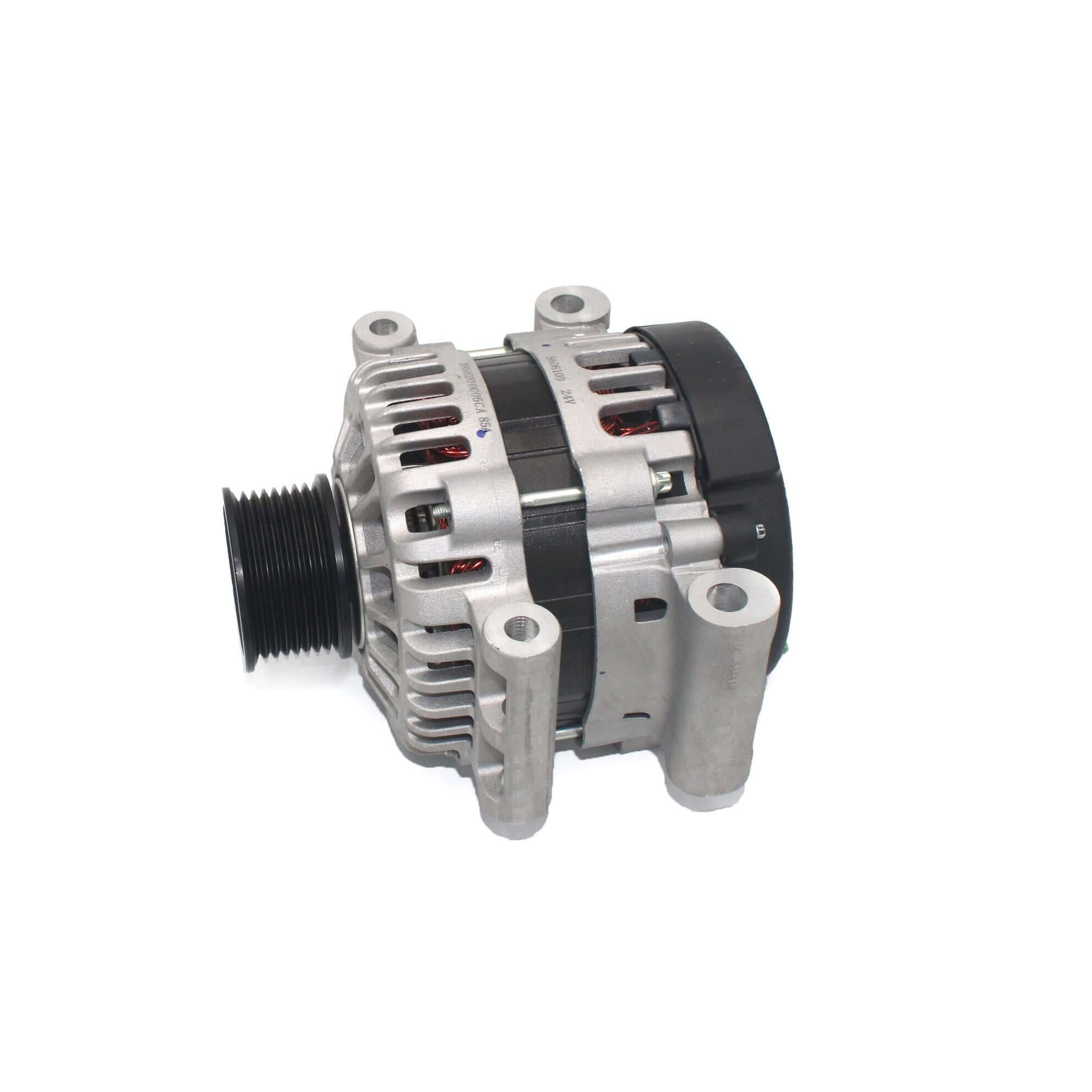
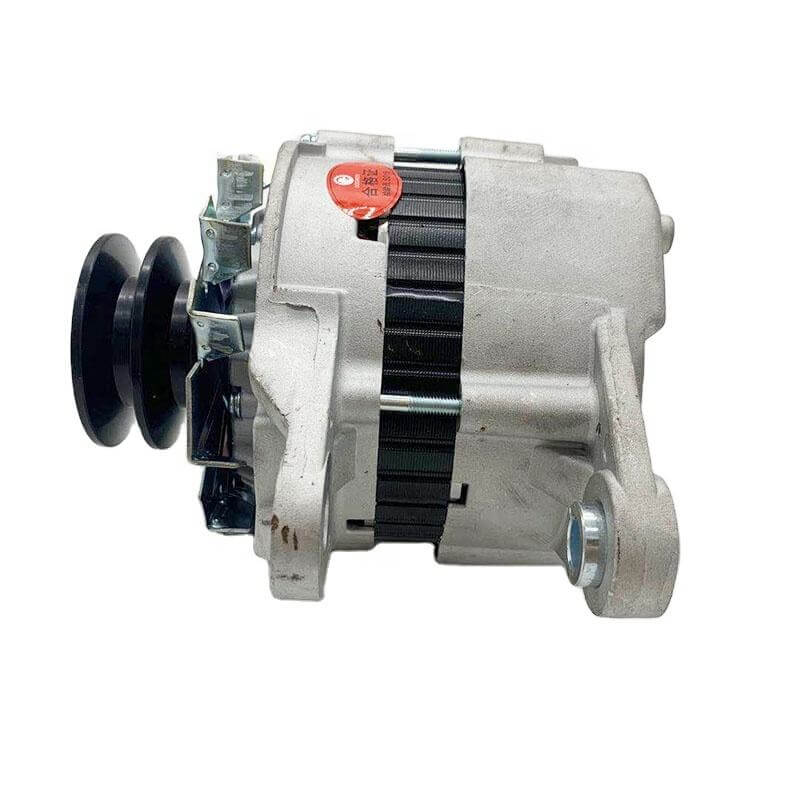
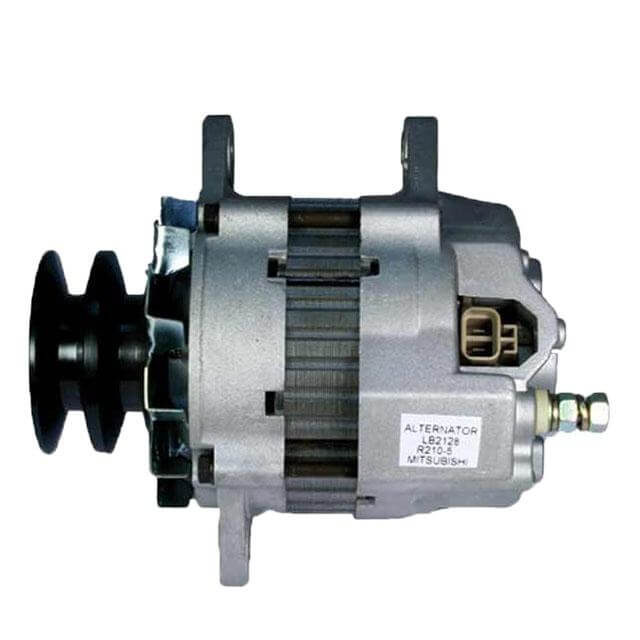
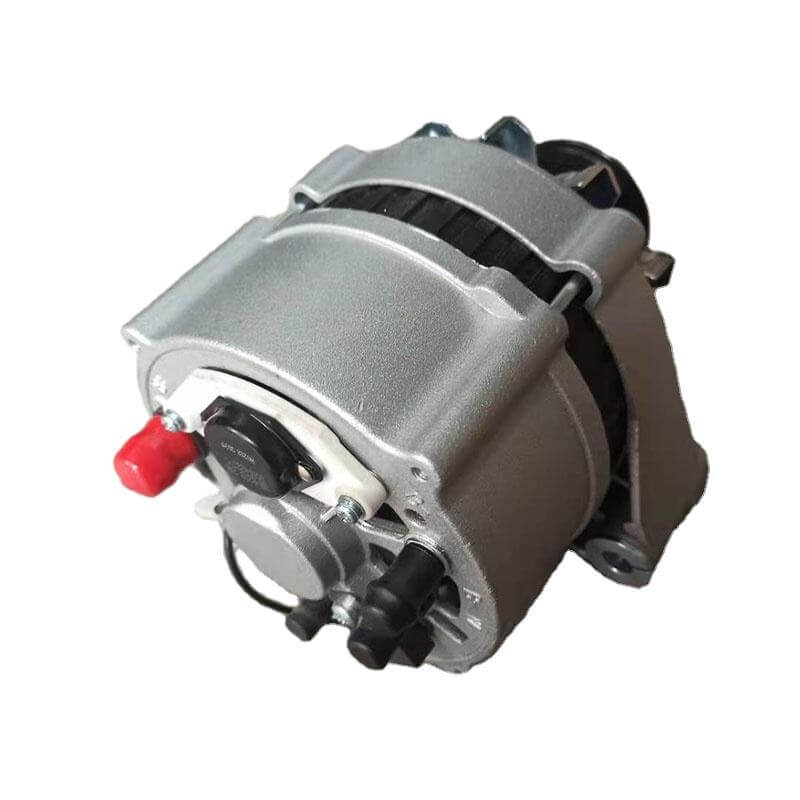
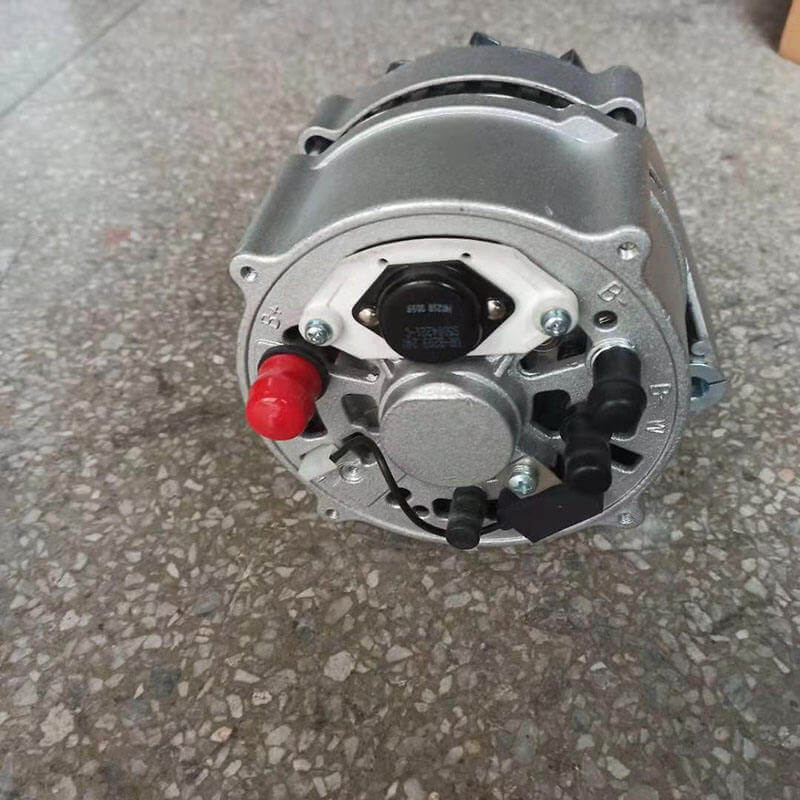
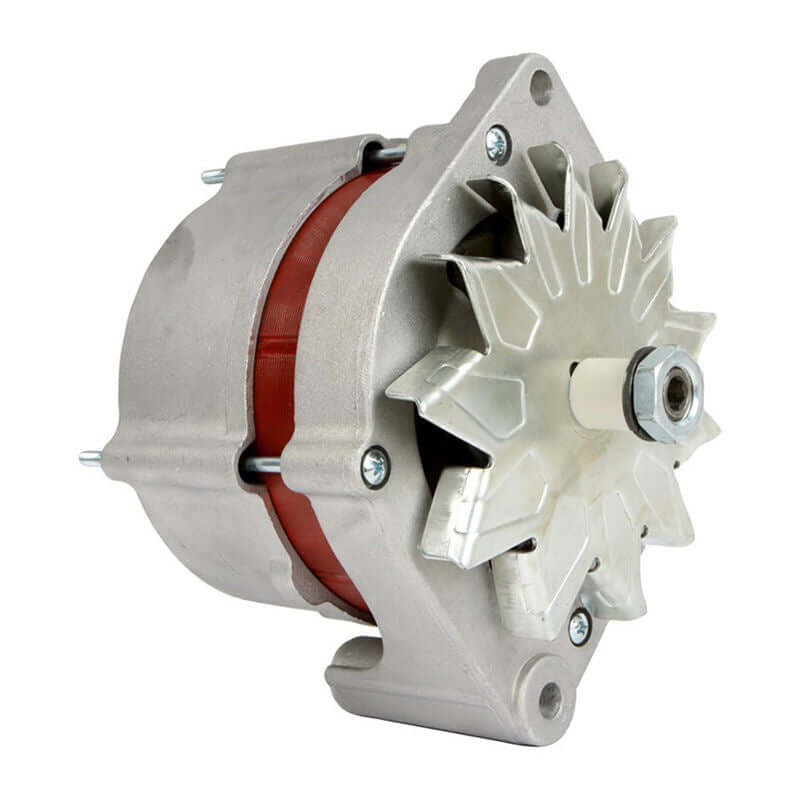
What an Alternator Does and Why Failure Strands Your Machine
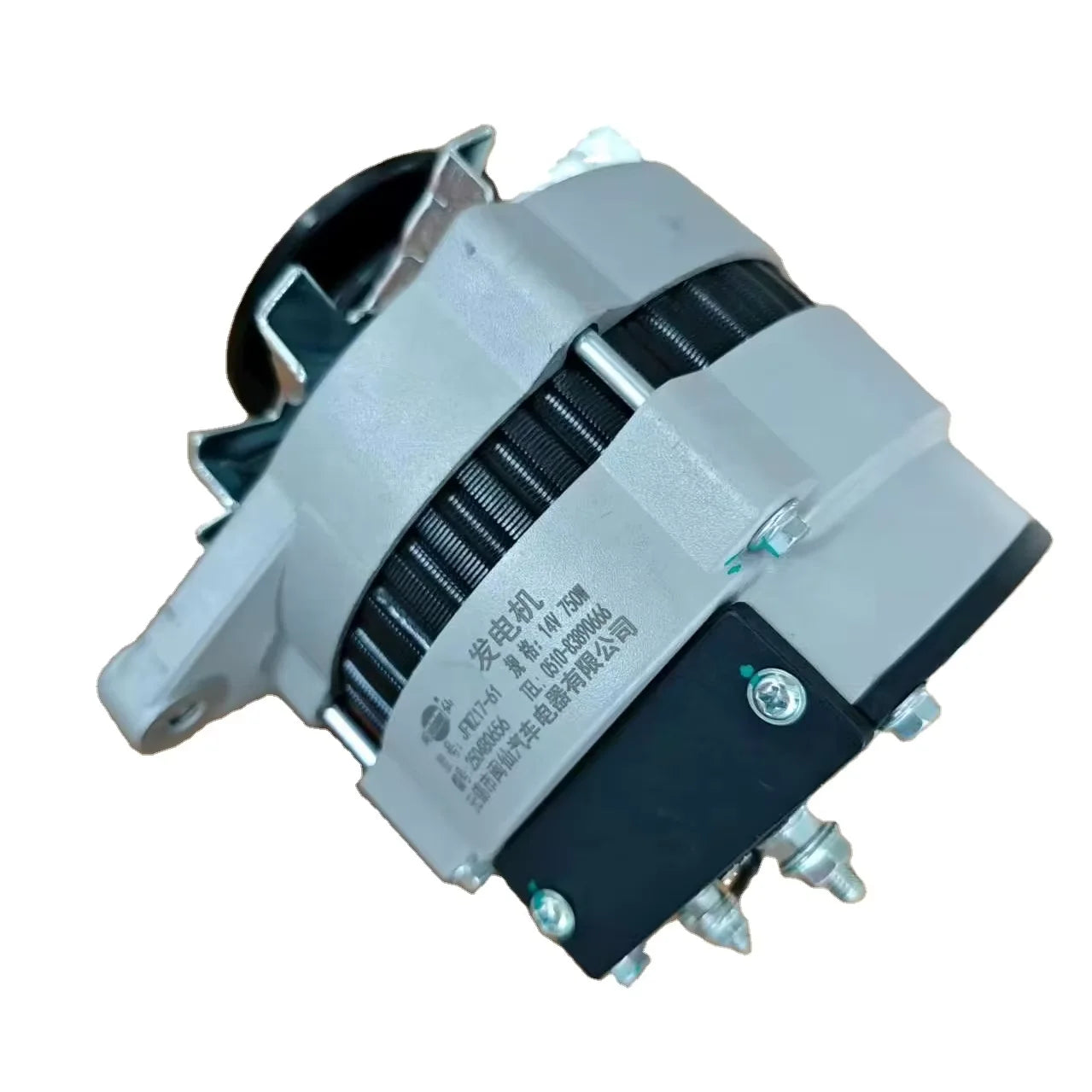
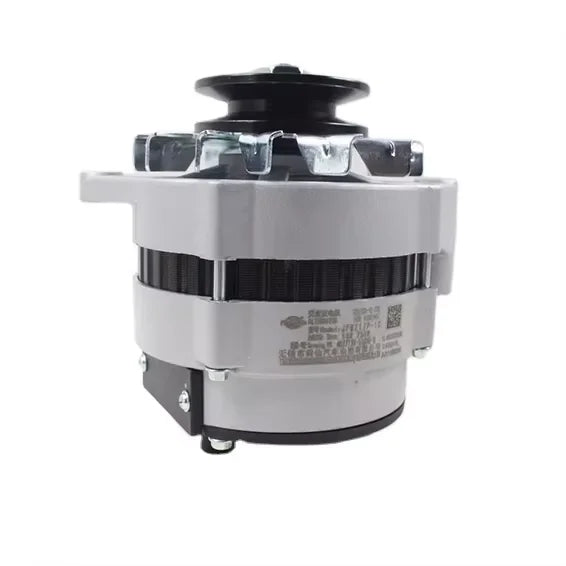
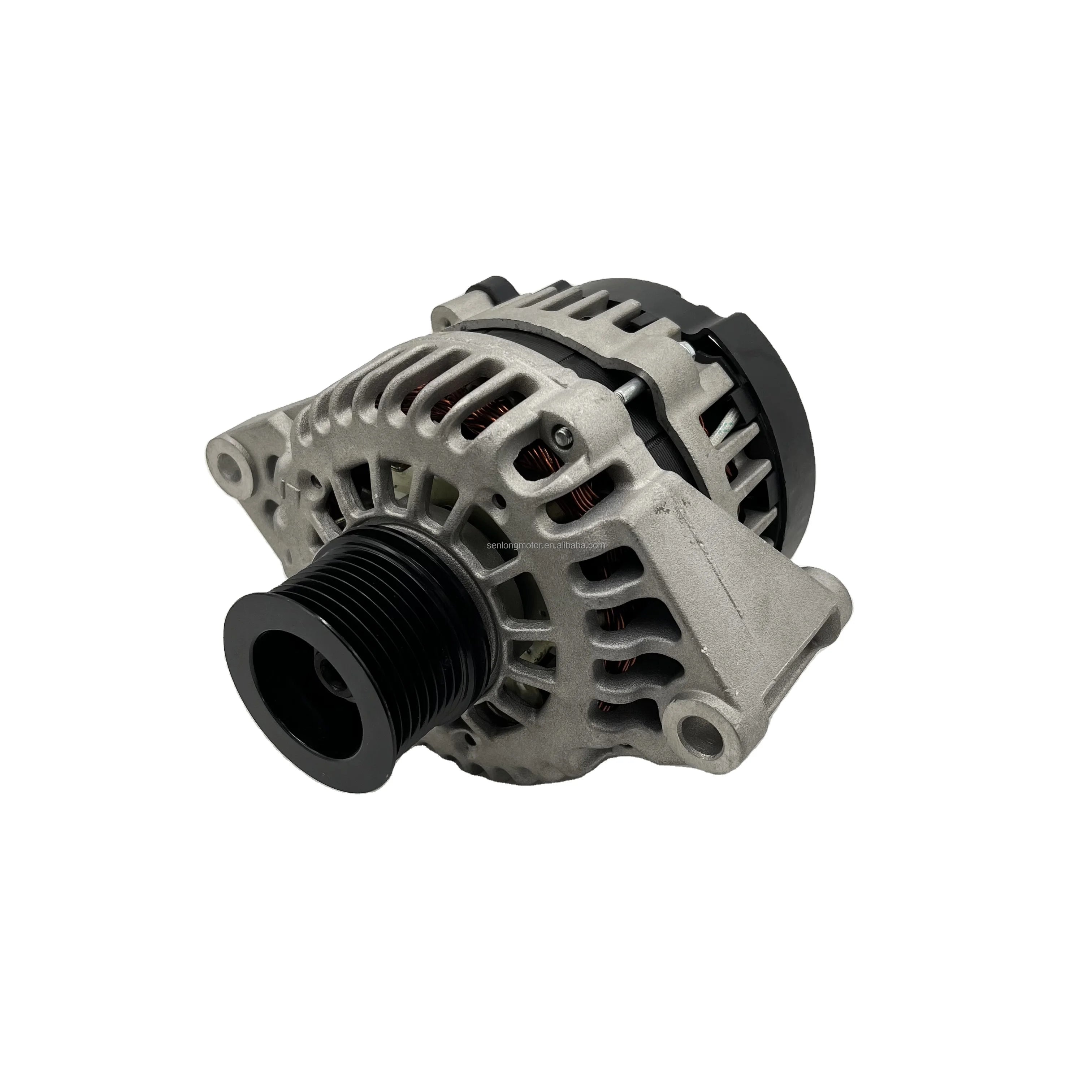
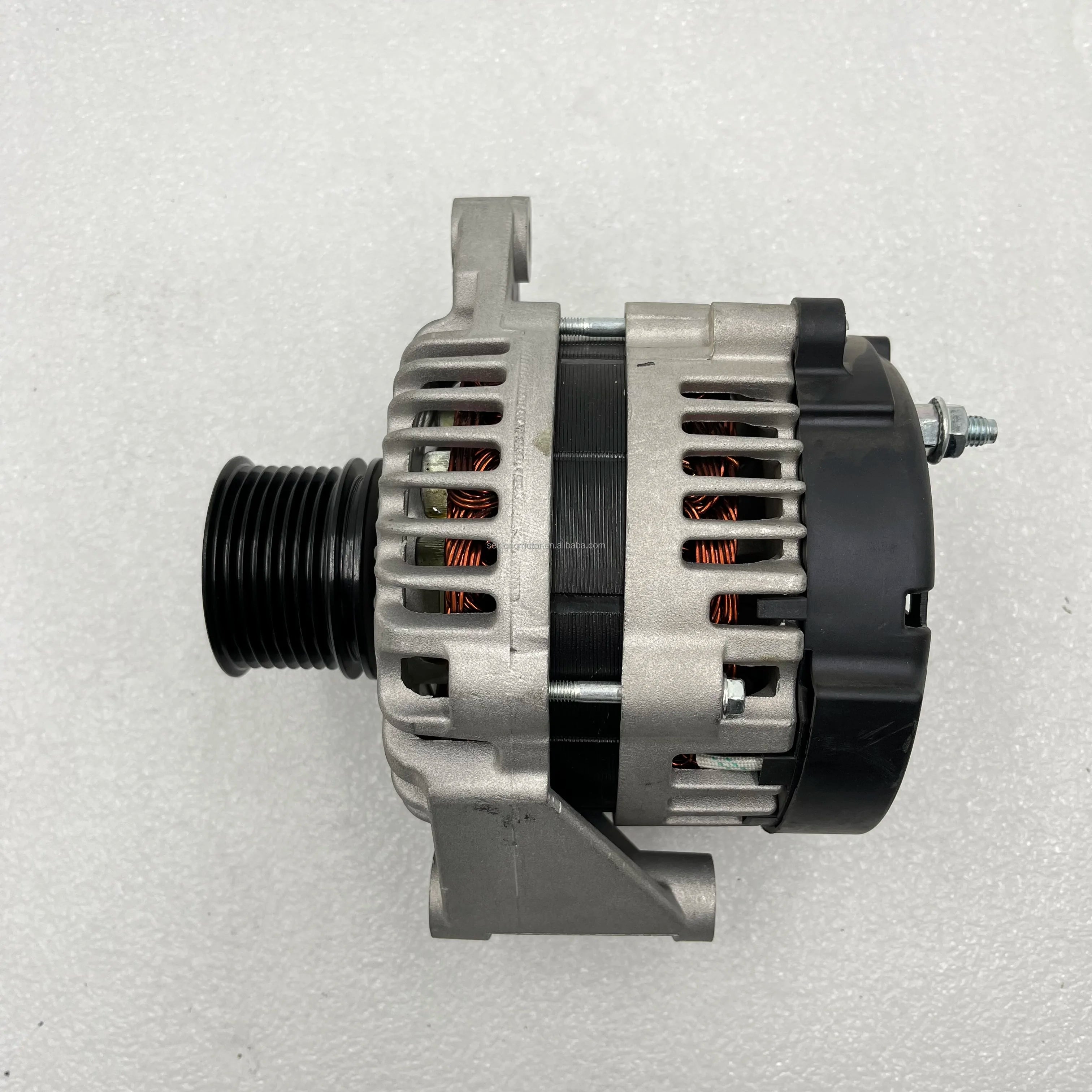
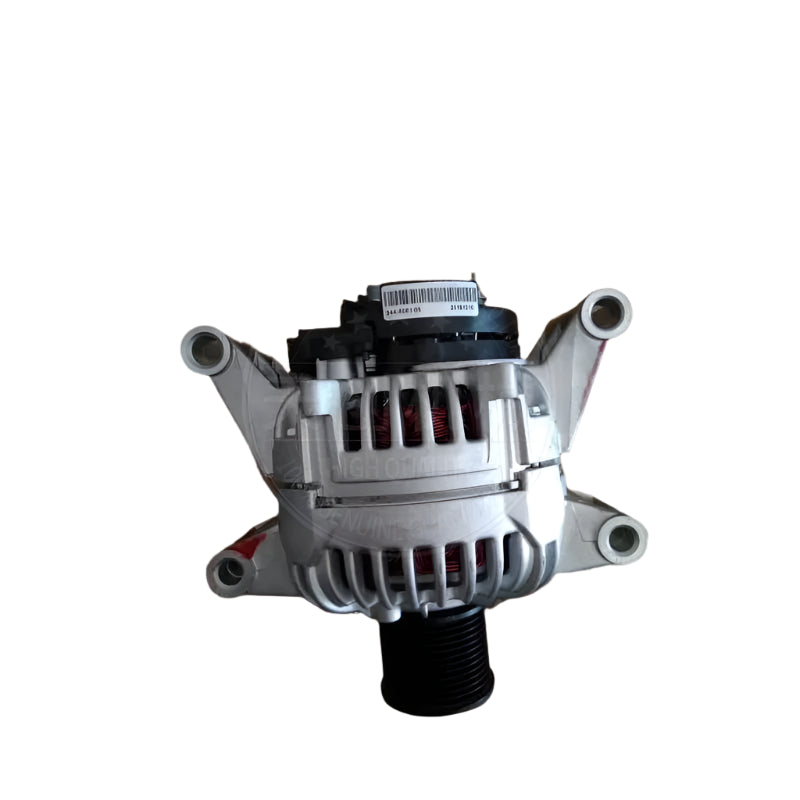
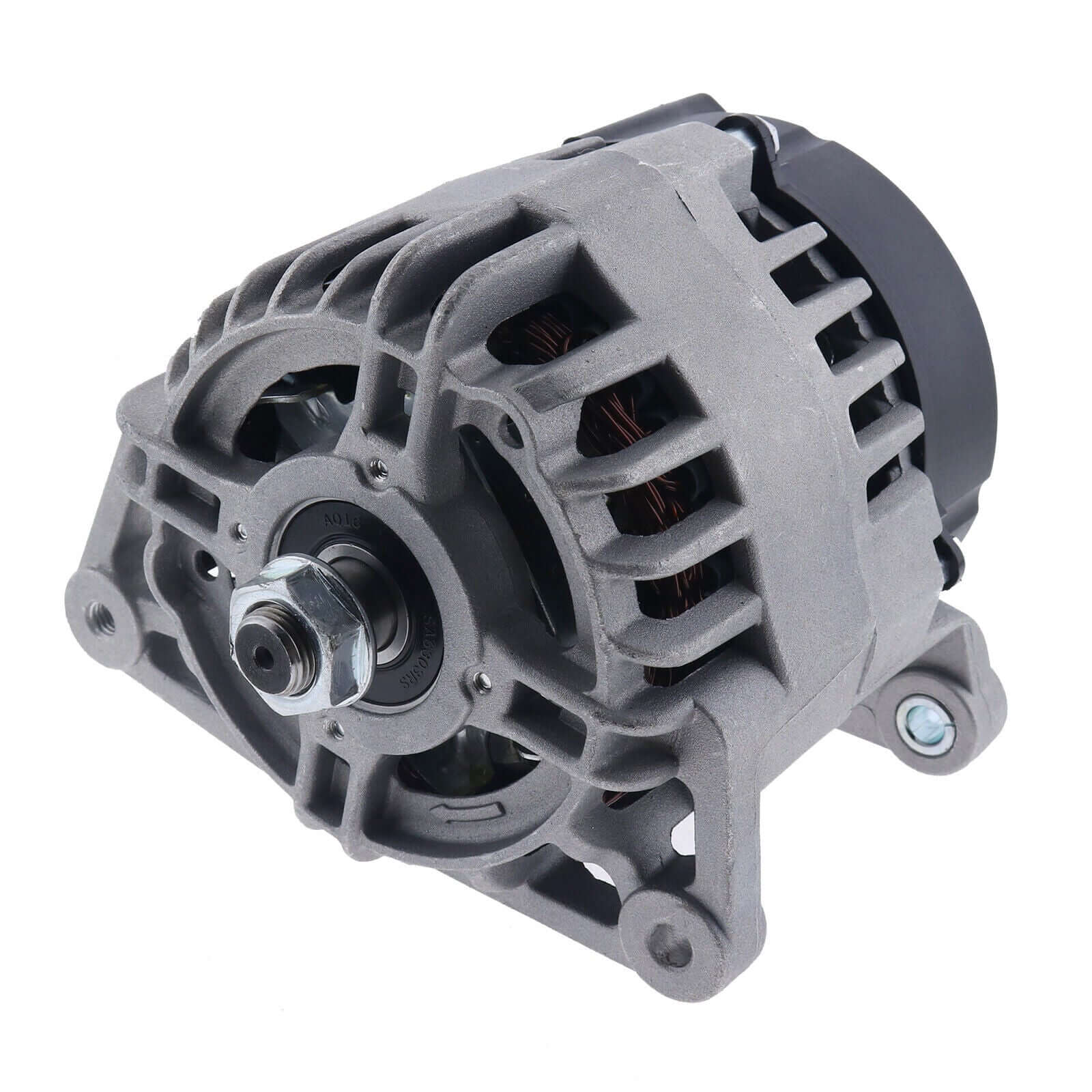
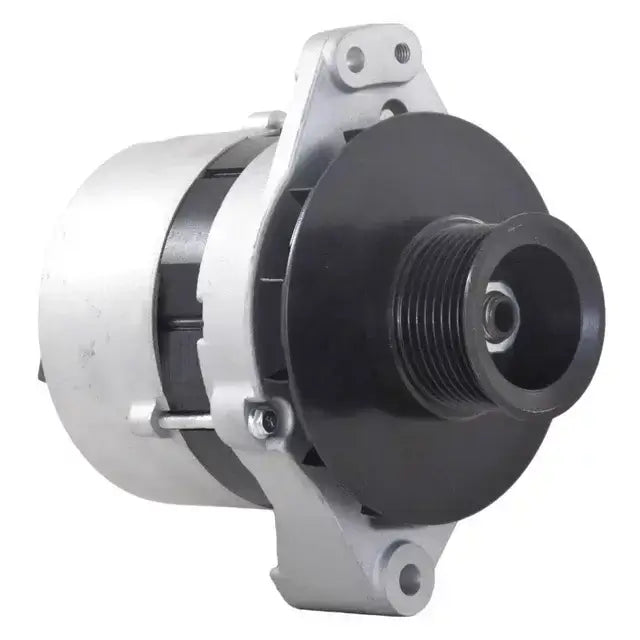
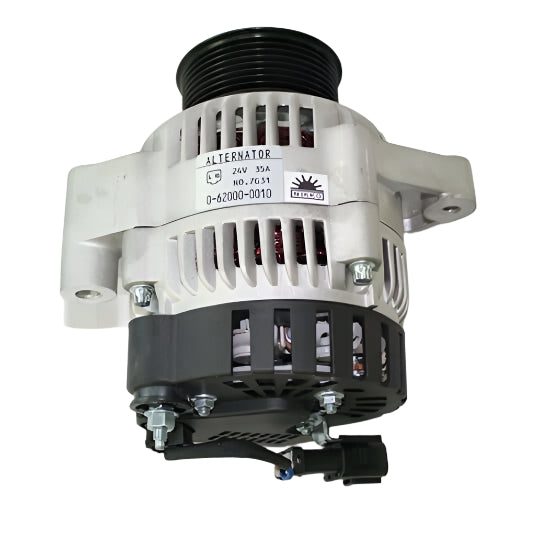
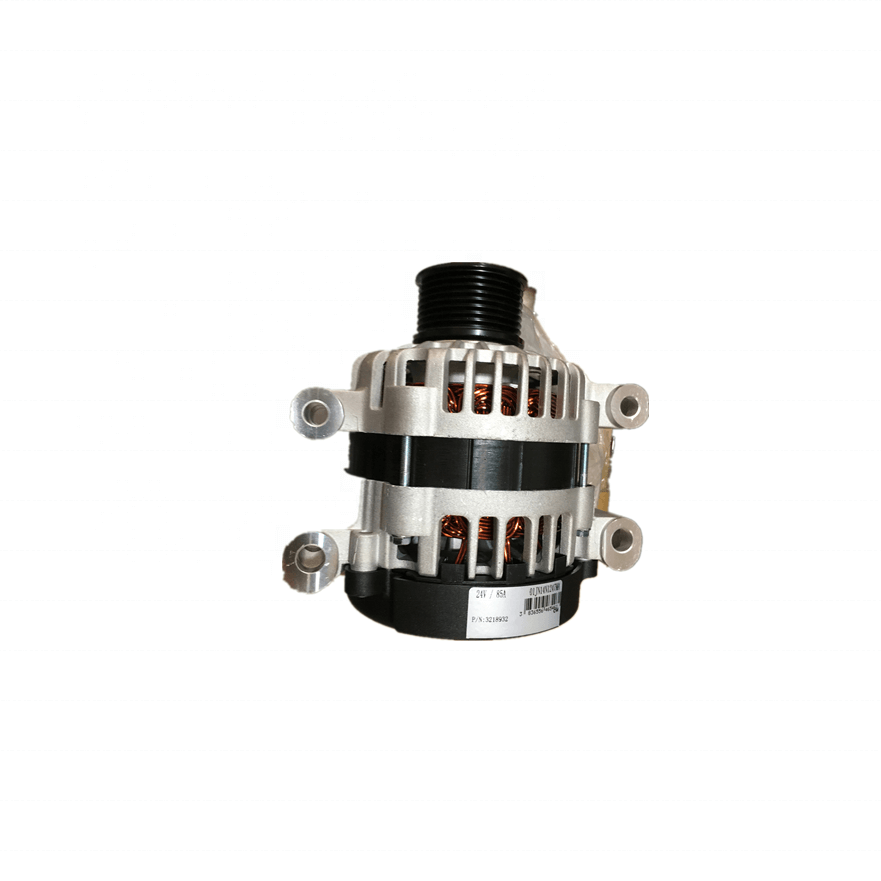
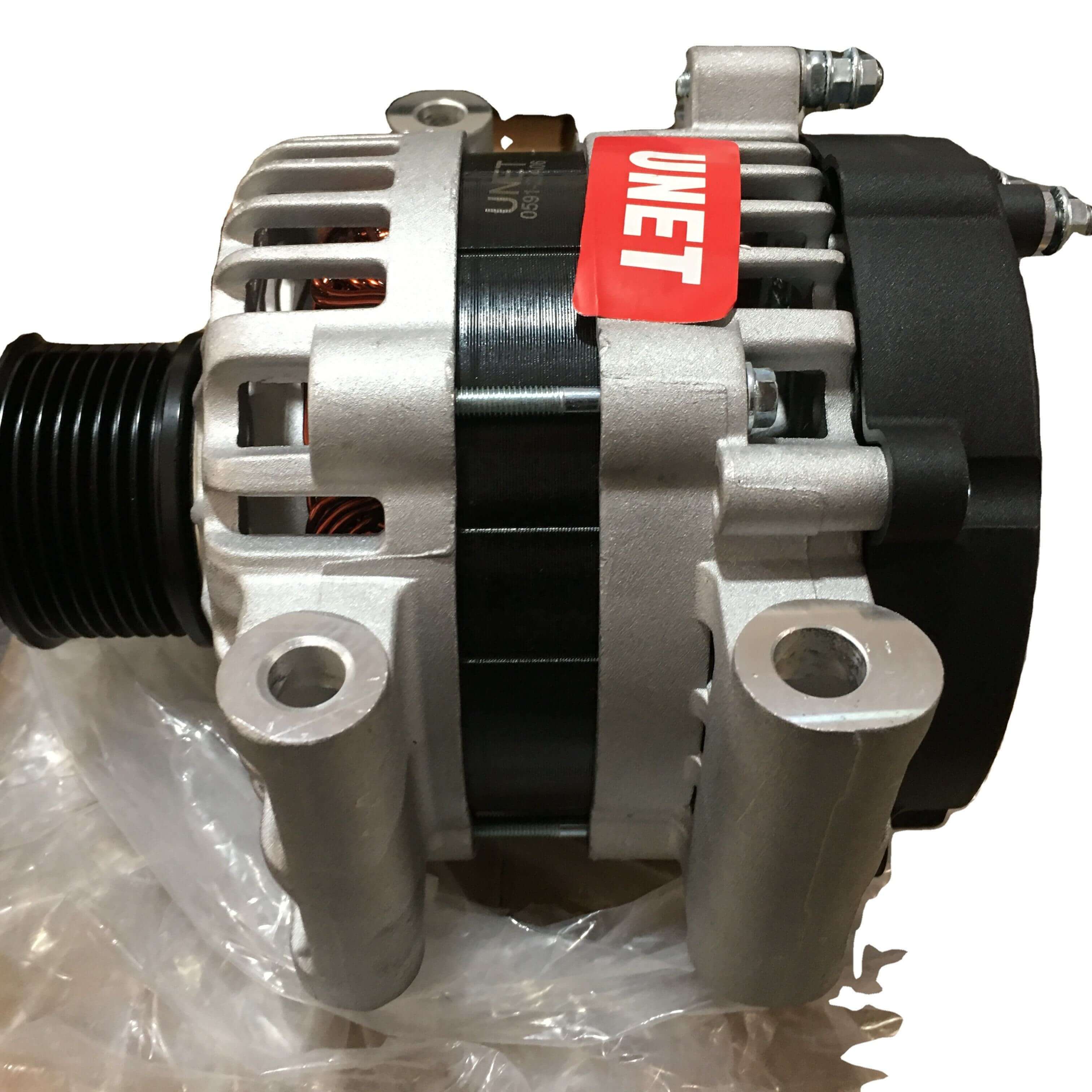
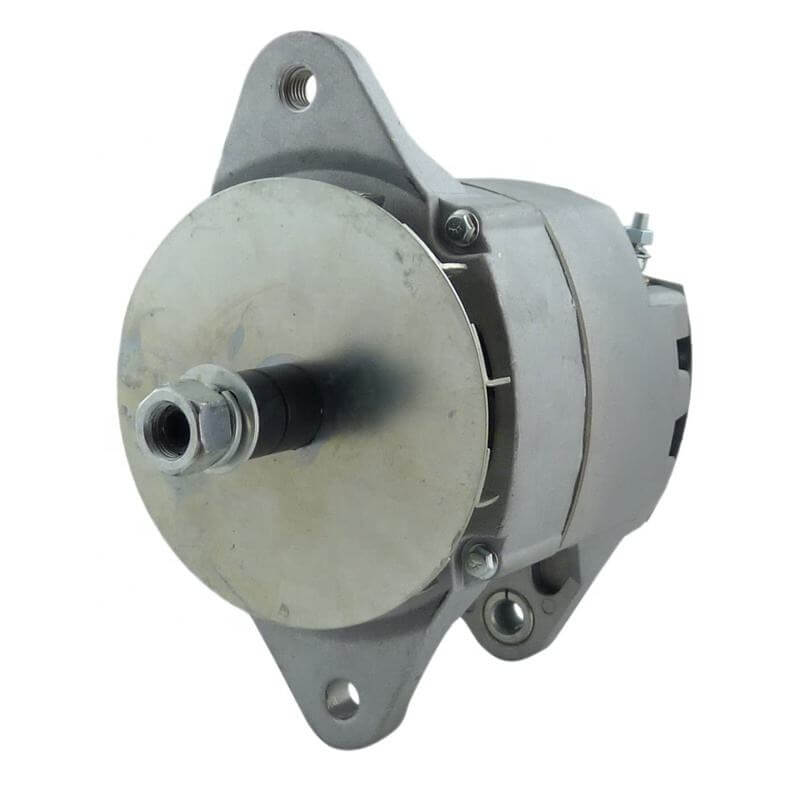
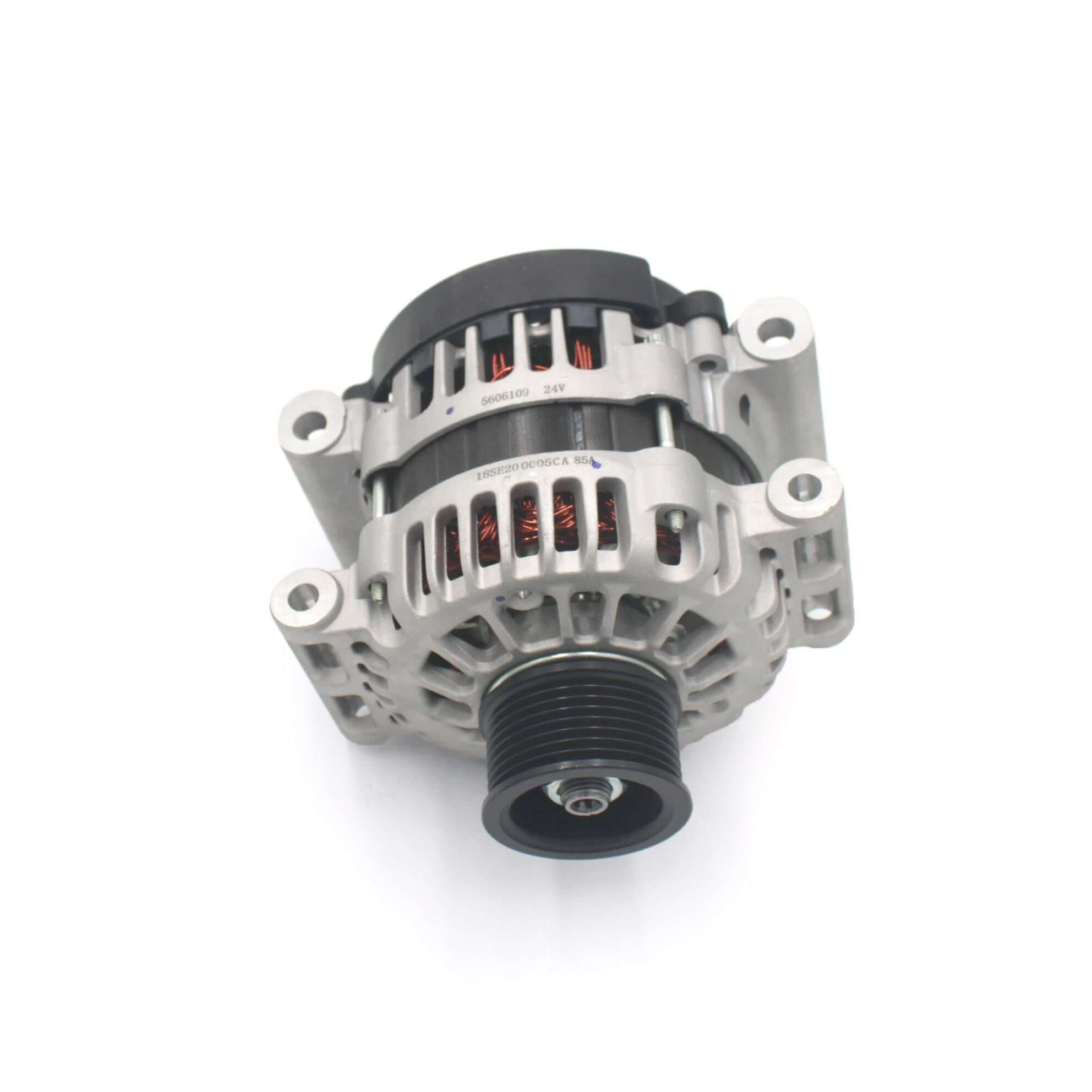
The alternator performs one essential and continuous function on a running diesel engine it generates the electrical current that sustains every system on the machine from the moment the engine starts. Unlike the battery, which provides the energy to crank and start the engine, the alternator is what keeps the battery charged during operation and what powers every electrical load the machine carries throughout the working day.
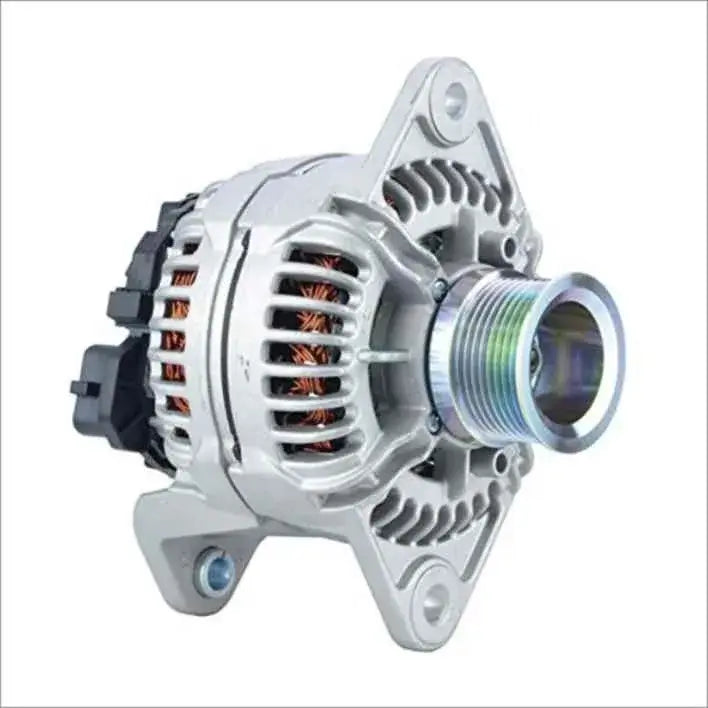
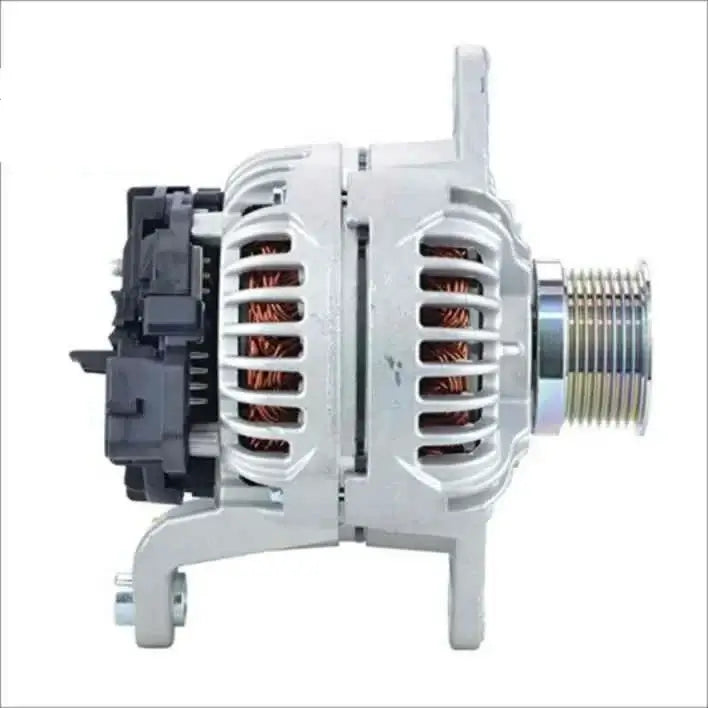
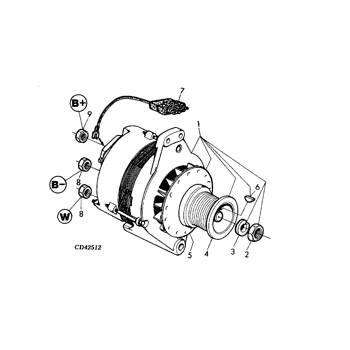
Inside the alternator, a rotor spun at high speed by the engine drive belt generates a rotating magnetic field that induces alternating current in the surrounding stator windings. This alternating current is converted to direct current by the alternator's internal rectifier assembly and regulated to the correct voltage by the voltage regulator, typically 13.8 to 14.4 volts on most heavy diesel systems, before being distributed to the battery and the machine's electrical circuits.
When the alternator begins to fail, the consequences develop in a sequence that is predictable but frequently misdiagnosed as battery or wiring issues before the alternator itself is tested:
-
Battery discharge during operation — the battery is being drawn down by the machine's electrical loads faster than a declining alternator can replenish it, eventually resulting in a low-voltage shutdown mid-operation
-
Intermittent electrical faults — voltage fluctuations from a failing alternator cause erratic behaviour across engine management systems, instrument panels, and control electronics — often generating fault codes that point away from the alternator
-
Dimming or flickering lights — reduced alternator output under load is often first visible in the machine's lighting circuits, which dim or flicker when electrical demand exceeds what the failing alternator can supply
-
Battery warning light illumination — on machines equipped with a charging system warning indicator, this light signals that the alternator is no longer maintaining the minimum charging voltage the system requires
-
Complete electrical failure and engine shutdown — the terminal outcome of a fully failed alternator. Once the battery is discharged beyond the minimum voltage required to sustain engine management, the machine shuts down, often in the middle of a working cycle and far from a service point
In remote field operations, a stranded machine from alternator failure is an operational and safety event. Recognising the early signs and replacing the alternator before failure is always significantly less disruptive than recovering a shut-down machine from a working face.
CAT Alternators, Full Platform Coverage
Caterpillar diesel engines represent the highest demand for alternators across our range. The CAT 3208 is the highest-demand CAT alternator platform, a widely deployed engine that has powered excavators, marine applications, and heavy plant equipment across decades of global service. The C13, C15, and C15 ACERT platforms carry equally strong alternator demand, reflecting the volume of these engines in active heavy-duty service and the high electrical loads that modern CAT-powered equipment places on the charging system.
Our CAT alternators range covers:
-
CAT 3208 — the highest-demand CAT alternator in our range, including the marine variant of the 3208 alternator used in Caterpillar-powered marine and generator applications
-
CAT C15 & C15 ACERT — high-demand platforms with alternator specifications matched to the elevated electrical demands of modern C15-powered heavy equipment
-
CAT C13 — deployed across large excavators and heavy plant equipment globally, with alternator output specifications matched to the electrical load profile of this high-output platform
-
CAT 3116 & 3126 — reliable multi-application CAT platforms with strong ongoing alternator demand across a wide range of Caterpillar-powered equipment types
All CAT alternators are tested to OEM voltage output and amperage ratings before dispatch and cross-referenced to your engine serial number to confirm the correct variant for your specific machine.
Cummins Alternators, 4BT & Heavy Plant Platforms
Cummins diesel engines are deployed across some of the most demanding heavy equipment and over-the-road applications globally. The Cummins 4BT is the highest-demand Cummins platform in our alternators range, a widely used compact engine that powers a broad range of excavators, light plant, and agricultural equipment where alternator reliability is critical for sustained operation across remote or extended working cycles.
Our Cummins alternators range covers:
-
Cummins 4BT — the most widely replaced Cummins alternator in our range, tested to OEM voltage and amperage specifications for reliable charging performance across the full 4BT operating range
-
Other Cummins platforms — contact our team with your engine serial number and machine model to confirm alternator availability for your specific Cummins variant
All Cummins alternators are tested to OEM output specifications before dispatch and cross-referenced to your engine serial number for confirmed fitment.
Heavy-Duty Alternators for Excavators: Why Standard Alternators Are Not Sufficient
One of the most important considerations when sourcing a replacement alternator for an excavator or heavy plant machine is understanding why a heavy-duty diesel alternator is fundamentally different from a light vehicle or commercial truck alternator, even when the voltage and amperage ratings appear similar on a specification sheet.
Excavators and heavy plant machines subject their alternators to operating conditions that are significantly more demanding than on-highway applications:
-
Continuous high-load operation — excavators rarely operate at light load. The alternator is running at or near maximum output for sustained periods, generating heat that on-highway alternators in intermittent service would not accumulate
-
High ambient temperatures — engine bay temperatures in excavators and mining plants are consistently higher than in on-highway vehicles, accelerating bearing wear, rectifier degradation, and rotor winding deterioration
-
Vibration and shock loading — the working environment of an excavator subjects every component, including the alternator, to continuous vibration and intermittent shock loads that degrade internal components faster than road applications
-
Dust and contamination exposure — excavator operating environments introduce abrasive dust and moisture into the alternator housing at levels that on-highway units are not designed to resist
At Imara Engineering, every alternator in our range is specified for heavy-duty diesel applications, not adapted from lighter-duty catalogues. OEM voltage regulation, heavy-duty rectifier assemblies, and correct bearing specifications for the operating environment your machine works in are standard across our range.
Signs Your Alternator Needs Replacing
Alternator failure follows a consistent and identifiable progression in most cases. The challenge is that the early symptoms, battery discharge, intermittent faults, and dim lighting, are frequently attributed to the battery or wiring system before the alternator is tested. Knowing the correct diagnostic sequence saves time and prevents an unnecessary battery replacement that leaves the underlying alternator fault unresolved.
Key indicators that your alternator requires inspection or replacement:
-
Battery requires jump-starting or charging more frequently than normal — the battery is being discharged because the alternator is no longer maintaining adequate charging voltage during operation
-
Battery warning light or charging system fault code active — a direct signal from the machine's monitoring system that charging voltage is outside the acceptable range
-
Dimming or flickering lights under load — reduced alternator output under high electrical demand is often most visible in the lighting circuit first
-
Intermittent instrument panel faults and ECU errors — voltage fluctuation from a failing alternator produces erratic behaviour across sensitive electronic systems that generates misleading fault codes
-
Burning smell or unusual heat from the alternator body — internal rectifier or winding failure generates localised heat that can be detected before the unit fails completely
-
Audible bearing noise from the alternator — a rumbling or grinding noise from the alternator body indicates bearing wear that, if left unaddressed, allows the rotor to contact the stator windings and destroys the unit
If your machine is experiencing unexplained battery or electrical issues that do not resolve after battery replacement, alternator output testing should be the immediate next step.
What to Replace at the Same Time as Your Alternator
Alternator replacement is most effective when carried out alongside the drive components that directly affect its performance and the electrical system components most likely to have been stressed by its decline.
At Imara Engineering, we recommend sourcing the following alongside your alternator:
-
Alternator drive belt — the alternator drive belt transmits engine power to the alternator pulley. A worn, glazed, or cracked belt slips under load, reducing alternator speed and output below the voltage required to maintain battery charge. Check our Engine Belts range for matched CAT and Cummins platform coverage
-
Belt tensioner and idler pulley — a worn tensioner bearing or seized idler pulley reduces belt tension on the alternator drive, causing belt slip and inconsistent alternator output. Check our Tensioners and Pulleys range for full platform coverage
-
Battery — if the battery has been repeatedly deep-discharged by a failing alternator, its internal capacity is reduced, and it should be tested and replaced alongside the alternator to restore full system performance
-
Starter motor — if the machine is high-hour and the alternator is being replaced as part of a broader electrical system service, the starter motor should be inspected at the same time. Check our Starter Motors range for full CAT and Cummins platform coverage
Our team can consolidate all associated components into a single order to eliminate sourcing gaps and complete the electrical system service in a single dispatch.
Why Source Your Alternator from Imara Engineering?
Fleet managers and workshop operators across Australia, North America, Canada, and globally choose Imara Engineering for alternators because electrical system reliability in remote and high-cycle operating environments demands components that have been tested and verified, not components that are assumed to be correct based on a catalogue match.
-
Tested to OEM Voltage and Amperage Ratings — Every alternator is tested to OEM output specifications before dispatch. Correct voltage regulation and amperage output are verified, not assumed from a specification sheet.
-
Heavy-Duty Specification Throughout — Rectifier assemblies, rotor windings, bearing grades, and housing specifications all matched to the sustained high-load, high-temperature operating environment of excavators and heavy plant machinery.
-
Confirmed Fitment Before Dispatch — Engine serial number and machine model cross-referenced before every order ships. The correct alternator specification for your specific platform, including marine variants for the CAT 3208, is confirmed before dispatch.
-
Associated Drive Components Available — Alternator drive belts, tensioners, idler pulleys, and starter motors available alongside your alternator in a single consolidated order.
-
Fast Worldwide Shipping — Dispatching to Australia, USA, Canada, and internationally with full tracking and fast turnaround on all in-stock items.