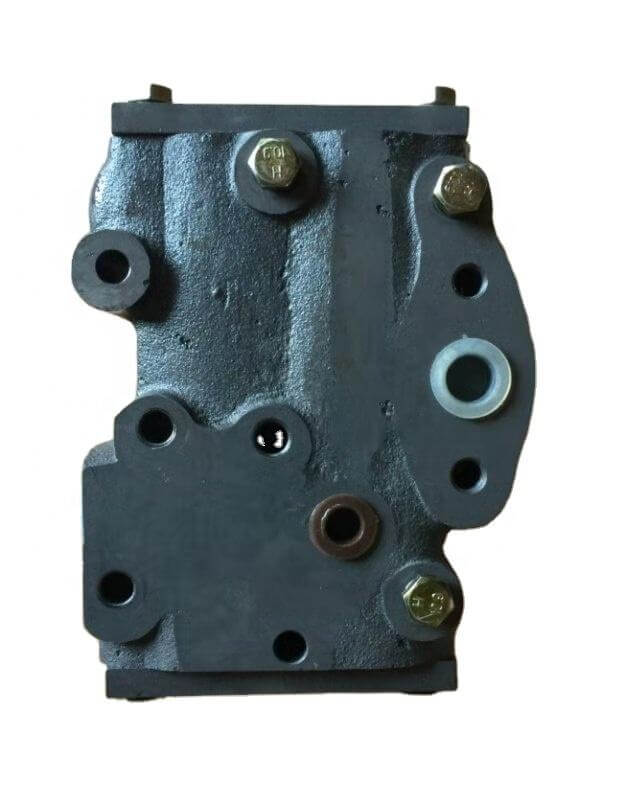
Types of Excavator Hydraulic Valves We Supply
Excavator hydraulic systems use several distinct valve types, each performing a specific and non-interchangeable function within the circuit. Understanding which valve type is responsible for the symptoms your machine is displaying is the critical first step in correct fault diagnosis and parts ordering. Here is a complete breakdown of the three hydraulic valve categories available at Imara Engineering:
Control Valves
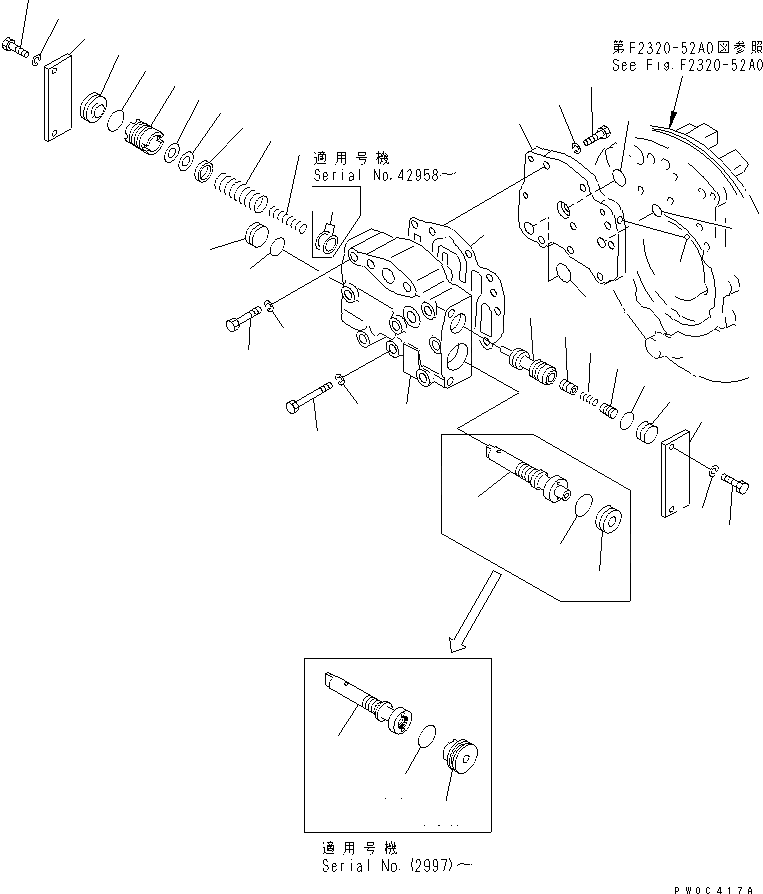
The main control valve, commonly abbreviated as MCV, is the central hydraulic distribution component on your excavator, receiving the full high-pressure output flow from the main pump and distributing it precisely to each working function: boom, arm, bucket, swing, travel, and auxiliary in direct response to the pilot signal commands generated by the operator's joystick and pedal inputs. The main control valve is a multi-spool directional control valve, with each spool section independently controlling one machine function by shifting between positions to direct flow to the appropriate cylinder or motor port, and returning exhaust flow to the tank on the opposite side simultaneously.
Main control valve failure or wear produces function-specific symptoms a worn or stuck boom spool causes boom drift or loss of boom response while all other functions remain normal, a damaged travel spool causes one-sided travel loss, and a faulty swing spool produces slow or jerky upper structure rotation. Because the MCV serves every function on the machine, it is the most diagnostically significant valve assembly on the entire hydraulic circuit. Imara Engineering supplies complete main control valve assemblies and individual spool sections for all major excavator brands and models.
Relief Valves
A hydraulic relief valve is the primary pressure protection device in your excavator's hydraulic circuit, a spring-loaded, normally-closed valve that opens automatically when system pressure reaches a preset limit, diverting excess flow back to the tank to prevent pressure from rising beyond the safe operating threshold for pumps, cylinders, motors, hoses, and valve components downstream. Without correctly functioning relief valves, a pressure spike from a sudden load impact, end-of-stroke shock, or pump surge would transmit through the entire hydraulic circuit, causing catastrophic and simultaneous failure across multiple components.
Excavators use multiple relief valves across the circuit: a main system relief valve setting the maximum circuit pressure, individual port relief valves on each function circuit protecting specific components from localised overpressure, and overload relief valves in travel and swing circuits protecting motors from sudden deceleration shock. A relief valve that fails open causes chronic system pressure loss and poor machine performance; one that fails closed or is set too high exposes the circuit to damaging overpressure on every working cycle. Imara Engineering supplies main relief valves, port relief valves, and overload relief valve assemblies for all major excavator brands and circuit applications.
Regulator Valves
A hydraulic regulator valve encompassing flow control valves and pressure reducing valves maintains consistent, stable hydraulic conditions within specific circuits regardless of the variable load and pressure conditions present elsewhere in the system. On an excavator, regulator valves are used in the pilot circuit to reduce main system pressure down to the lower pilot circuit operating pressure, in attachment circuits to limit flow to auxiliary tools within their rated capacity, and in specific function circuits where consistent speed control is required independent of load variation.
Regulator valve degradation produces inconsistent function speed, unresponsive or unpredictable machine behaviour under varying load, and pilot circuit pressure instability that affects overall control feel and operator confidence. Because regulator valves operate continuously across the full working range of the machine, their condition has a significant and often underappreciated influence on the overall feel, precision, and reliability of machine operation. Imara Engineering supplies flow control and pressure regulator valve assemblies for all major excavator brands and circuit applications.
How Hydraulic Valves Work Together on an Excavator
The three valve types, control, relief, and regulator, do not operate independently within the hydraulic circuit. They function as an integrated pressure and flow management system working simultaneously across every circuit on the machine during operation.
When the operator commands boom up, the pilot circuit maintained at stable pressure by the regulator valve sends a pilot signal to the boom spool of the main control valve, shifting it to direct high-pressure pump flow to the boom cylinder cap end. As the cylinder extends and the boom rises, the system pressure is continuously monitored by the relief valve network if a sudden overload or end-of-stroke event pushes pressure above the preset limit, the appropriate relief valve opens instantly to protect the circuit. Throughout this entire sequence, the regulator valve maintains consistent pilot pressure, ensuring the control valve responds accurately to every operator input, regardless of the load on the working circuit.
This continuous, simultaneous interaction between all three valve types is why a fault in any single valve immediately affects the behaviour of the entire machine and why correct valve diagnosis, sourcing, and replacement is one of the most technically important aspects of excavator hydraulic maintenance.
Common Symptoms of Hydraulic Valve Failure
Hydraulic valve failure produces some of the most distinctive and diagnostically useful symptoms on any excavator. These are the key indicators to monitor across all three valve types:
-
Single function loss while others remain normal — The clearest indicator of a control valve spool fault is when boom, arm, bucket, swing, or travel loses response while every other function operates normally, the corresponding control valve spool section is the primary suspect.
-
Uncontrolled function drift or creep — A function moving slowly in an unintended direction when not commanded indicates a worn or contaminated control valve spool allowing internal bypass, or a failed holding valve in the specific circuit.
-
System-wide pressure loss — Main system relief valve failure opens, causing chronic low pressure across all functions, simultaneously distinguishable from pump wear by the sudden rather than gradual onset of pressure loss.
-
Overheating hydraulic oil without an obvious cause — A relief valve set below the correct specification or stuck partially open continuously bypasses pump flow back to the tank as heat, causing a rapid and unexplained system temperature rise.
-
Erratic or unpredictable function speed — Inconsistent function response under varying load conditions, functions speeding up under light load and slowing dramatically under heavy load, indicating regulator valve degradation affecting pilot pressure stability.
-
Complete loss of machine control with engine running normally — Pilot circuit regulator valve failure causing pilot pressure collapse, produces complete control loss across all functions simultaneously distinguishable from pilot pump failure by checking pilot pump output pressure independently.
Excavator Brands We Cover
Imara Engineering supplies hydraulic valves compatible with all major excavator brands and model series:
-
Komatsu — PC200, PC210, PC300, PC360, PC400, PC450 and full PC series
-
Caterpillar (CAT) — 320, 320D, 323, 325, 330, 336, and full E-series
-
Hitachi — ZX200, ZX210, ZX300, ZX330, ZX450, ZX500 and full ZX/EX series
-
Volvo — EC210, EC240, EC290, EC380, EC480 and full EC series
-
Doosan — DX225, DX300, DX380, DX480 and full DX series
-
Kobelco — SK200, SK300, SK350, SK480 and full SK series
-
Hyundai — R210, R290, R380, R480 and full R series
-
Bobcat — E35, E50, E85 and compact excavator range
-
Case — CX130, CX210, CX300, CX350 and full CX series
Cannot find your model listed? Contact our parts team with your machine serial number and OEM part number for an immediate cross-reference and confirmation.
Hydraulic Valve Diagnosis: Getting It Right Before You Order
Hydraulic valve faults are among the most commonly misdiagnosed failures on excavators. The symptoms of a faulty control valve spool, a failed relief valve, and a degraded regulator valve can all overlap with pump wear, cylinder bypass, and pilot circuit faults if the diagnostic process is not systematic. Ordering the wrong valve component costs time and money and leaves the actual fault unresolved.
Before ordering any hydraulic valve component, we recommend following this diagnostic sequence:
-
Isolate the affected circuit — Identify exactly which function or functions are affected. Single function loss points to the control valve spool for that circuit. System-wide pressure loss points to the main relief valve or main pump. Complete control loss points to the pilot circuit.
-
Pressure test the main system and pilot circuit — Confirm actual system pressure and pilot pressure against manufacturer specifications before assuming valve failure, pump wear produces identical symptoms to relief valve failure open.
-
Inspect for contamination — Valve spool sticking from contaminated fluid is the most common valve fault on high-hour machines and is frequently resolved by cleaning and flushing rather than valve replacement.
-
Contact our parts team for diagnostic support — Our specialists are experienced in guiding customers through hydraulic valve fault isolation before ordering, ensuring you receive the correct component the first time.
Why Source Your Hydraulic Valves from Imara Engineering?
-
OEM-Grade Manufacturing — All valves are manufactured to original spool clearance, spring rate, cracking pressure, and port dimension specifications — ensuring correct function response and pressure settings from the moment of installation.
-
Guaranteed Fitment — Every valve is cross-referenced to your specific machine model, serial number, and OEM part number before dispatch — no guesswork, no fitment errors.
-
Ready Stock, Fast Dispatch — High-demand valve assemblies held in inventory for prompt order processing and fast delivery across Africa and internationally.
-
Full Range Coverage — Control valves, relief valves, and regulator valves across all major brands — complete valve circuit support under one roof.
-
Parts Specialist Support — Our technical team supports correct fault diagnosis before you order — ensuring the right valve reaches your machine the first time.