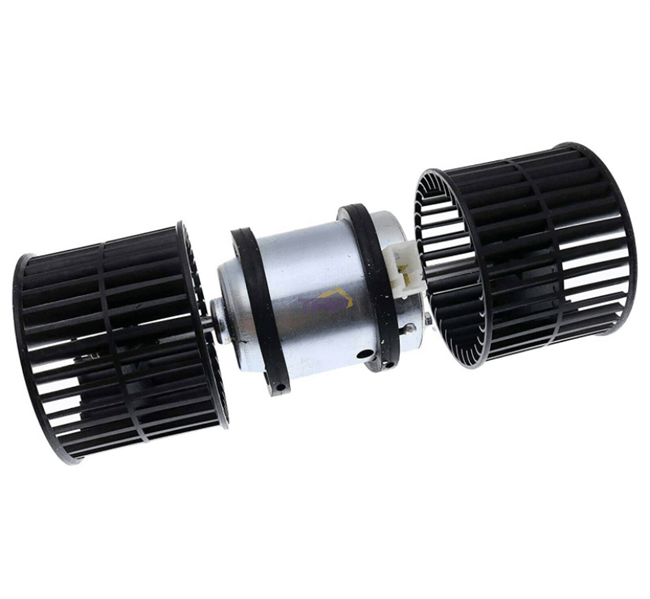
The Last Component Checked and the First Operator Notices
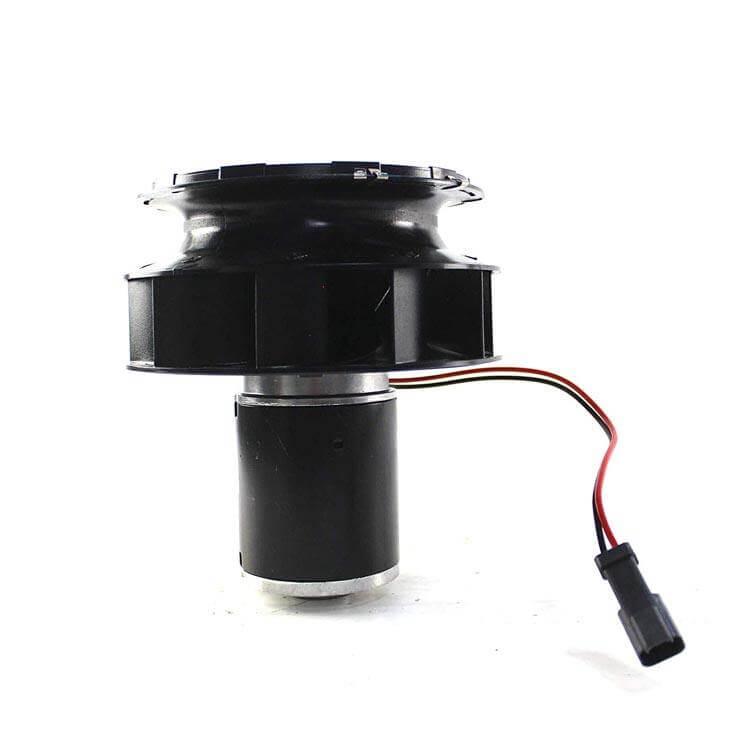
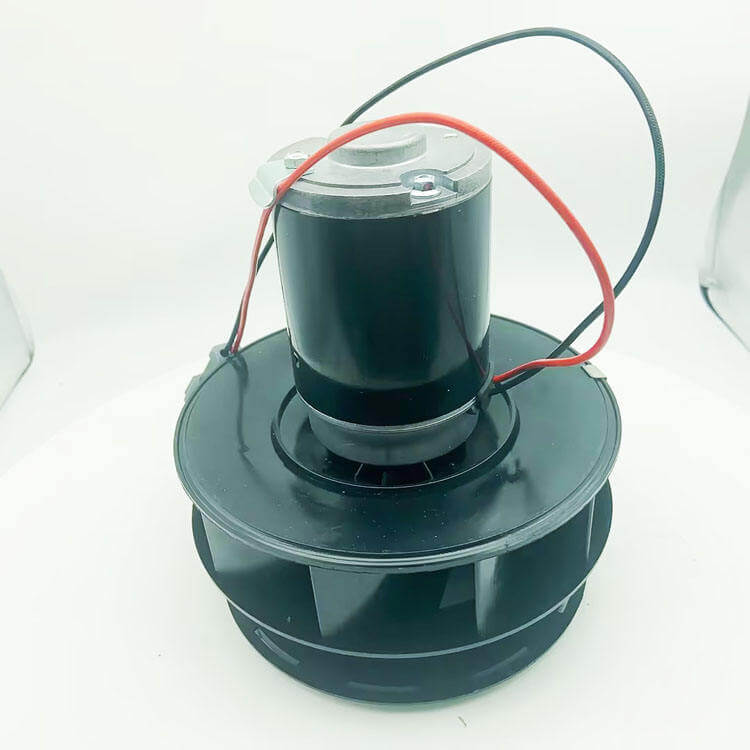
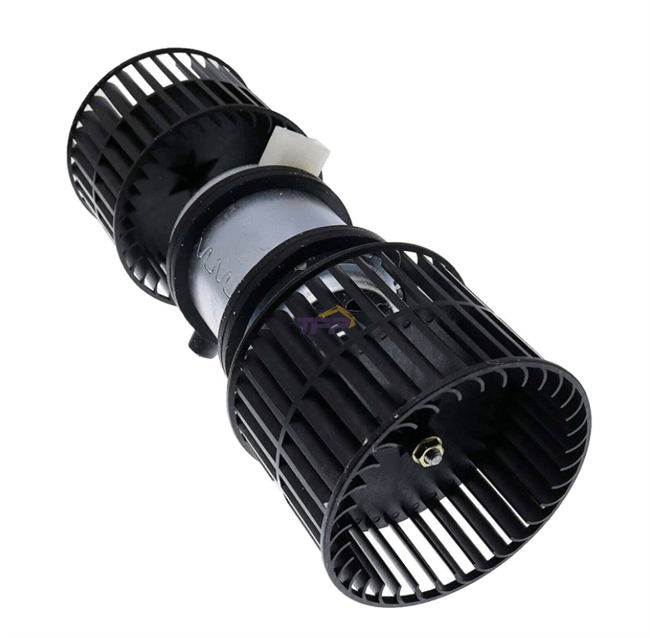
Of all the components in an excavator's heating and air conditioning circuit, the blower motor carries the most direct relationship with the operator's daily experience and, paradoxically, sits lowest on most initial diagnostic checklists when cab comfort drops.
When airflow fails, the first investigation on site typically moves to the refrigerant charge, the compressor clutch, or the heater core. The blower motor, a rotating electrical component with no refrigerant function, rarely appears at the top of that list. The gap is costly because a blower motor fault produces symptoms identical to a complete system failure. The system engages, the compressor runs, the refrigerant circuit is intact, and the operator still receives no conditioned air.
Blower motor failure in heavy equipment also tends to surface through symptoms that initially suggest electrical faults or control unit issues, rather than pointing directly to the motor. This is why understanding the specific failure pattern matters more here than on almost any other HVAC component. Replacing the correct part on the first repair attempt rather than working through a process of elimination is the difference between a single-afternoon fix and an extended diagnostic that replaces functioning components before the motor is eventually identified.
Diagnosing the Fault Before Ordering the Part: Three Patterns That Point to Different Causes
Complete Airflow Loss at Every Speed Setting
When no airflow registers at any fan speed, the blower motor is the primary suspect but the diagnosis requires one confirmation step before the order is placed. With power verified at the motor connector and ground continuity confirmed, zero motor response isolates the fault to either motor winding failure or a seized bearing. On an HVAC blower motor excavator application, bearing seizure is the more common outcome and typically follows a period of audible deterioration, progressive grinding, or intermittent drag under load before full lock-up occurs. Identifying and replacing the motor at the first sign of bearing noise avoids the secondary damage that a seizing fan wheel causes to the HVAC housing interior.
Speed Stage Loss: Certain Settings Operate, Others Produce Nothing
Partial speed loss, where some fan speed settings produce airflow, and others do not, is a failure pattern that originates at the blower motor resistor in the majority of cases, not the motor itself. The resistor controls current delivery to the motor at low and medium speed stages. When it fails, those stages are eliminated while the high-speed circuit, which bypasses the resistor entirely, remains operational. On most heavy equipment HVAC configurations, the resistor is a separately serviceable component. Confirming the fault is at the resistor before ordering prevents an unnecessary motor replacement on what is otherwise a functioning unit.
Intermittent Airflow: Fan Cuts In and Out During Operation
An intermittent blower fault where airflow cycles on and off unpredictably during the shift narrows to three possible sources: a failing motor with a partially open winding losing contact under thermal load, deteriorating brush contacts on brush-type motors used in older heavy equipment HVAC designs, or a loose harness connection at the motor plug vibrating intermittently under machine operation. The harness connection is the most straightforward to address and should always be inspected and confirmed before the motor is condemned, particularly on machines with high operating hours, where wiring harness fatigue is a routine finding at service.
The Imara Engineering Blower Motor Range: Fitment Verified Across Every Major Platform
Imara Engineering's AC blower motor heavy equipment range is cross-referenced by machine make, model series, serial number, and HVAC housing configuration. Voltage rating and airflow output specification are verified against OEM data before any unit enters the catalogue.
Caterpillar (CAT): Blower Motor
The cat blower motor range covers 320, 323, 330, 336, 349, and 390 series excavators. The Cat 320 blower motor is among the most consistently stocked units in the Imara range, with dispatch availability maintained to match the volume of these machines in active operation. The caterpillar blower motor catalogue accounts for connector type and mounting orientation differences between machine generations, a detail that affects compatibility across the 3-series and 300-series CAT excavator families, and is verified by serial number for every order.
Komatsu Blower Motor
The Komatsu blower motor range covers PC200, PC210, PC300, PC360, and PC400 series excavators. The Komatsu PC200 blower motor covers one of the largest installed machine populations in the Imara service area, with stock depth maintained to match the consistent demand driven by the volume of PC200-series excavators operating across Australia, the USA, and Canada. Serial number confirmation distinguishes between blower motor configurations across different HVAC unit generations within the same model series.
Hitachi Blower Motor
The hitachi blower motor range covers ZX130, ZX200, ZX300, ZX450, ZX650, and ZX870 series excavators. Hitachi cab HVAC units vary in blower motor mounting configuration and connector specification between machine generations; both dimensions are verified through the Imara cross-referencing process before any unit is dispatched, regardless of how closely the model series aligns across production years.
Volvo Blower Motor
The Volvo excavator blower motor range covers EC210, EC300, EC380, and EC480 series machines. Volvo integrated cab climate units position the blower motor within a combined evaporator and heater core housing, a configuration that requires specific motor geometry for correct fitment and airflow distribution without modification on installation.
Doosan Blower Motor
The Doosan blower motor range covers DX140, DX225, DX300, and DX380 series excavators. Doosan blower motor specifications vary between production periods and regional machine configurations. Serial number verification confirms the exact unit required before any order is processed.
Four Checks That Protect the Replacement Unit Before It Goes In
Blower motor access typically involves partial HVAC housing disassembly, making it worth doing once, correctly. Before fitting the replacement:
-
Harness and connector inspection — Check the blower motor wiring harness for abrasion damage, burn marks at the connector terminal, and corrosion at the pin contacts. A degraded connector delivering inconsistent current to a new motor shortens its service life and may reproduce the same fault within the next operating season.
-
Resistor verification — If the fault pattern involved speed stage loss, confirm the blower resistor is functioning before installing the replacement motor. A failed resistor left in place runs the new motor at full current across all speed settings, stressing the motor beyond its design operating parameters.
-
Housing interior condition — With the motor removed, inspect the HVAC housing for debris accumulation, moisture intrusion, and corrosion. Organic matter and dust-bound moisture packed into the housing compromise airflow distribution and accelerate bearing wear on the replacement unit from the first operating cycle.
-
Adjacent component assessment — The heater cores and the ac evaporators sit within the same HVAC housing and are accessible with minimal additional disassembly once the blower motor is out. Confirming the condition of both at this point avoids a second housing disassembly shortly after the blower repair is completed.