What Does an Arm Cylinder Do on an Excavator?
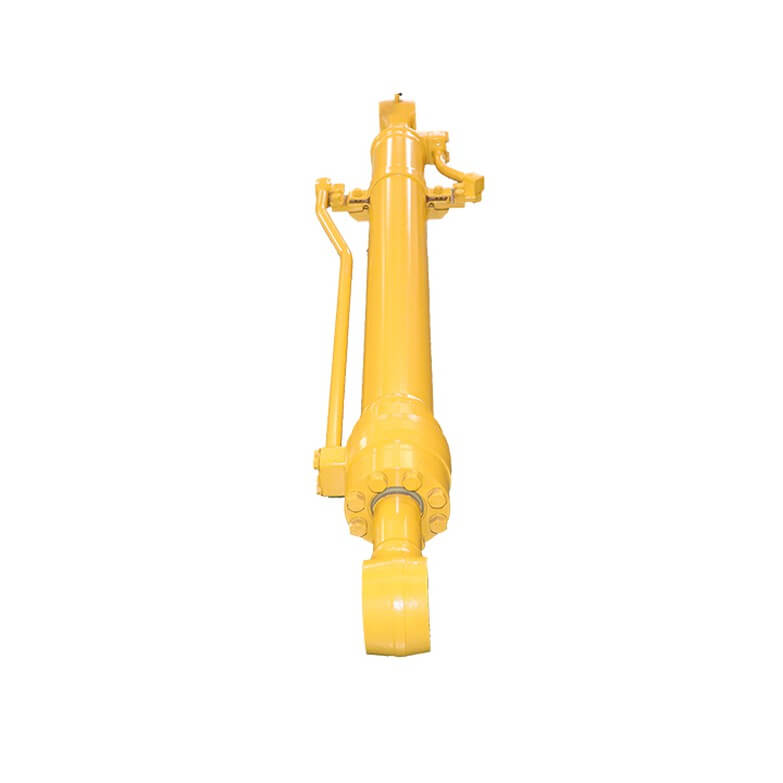
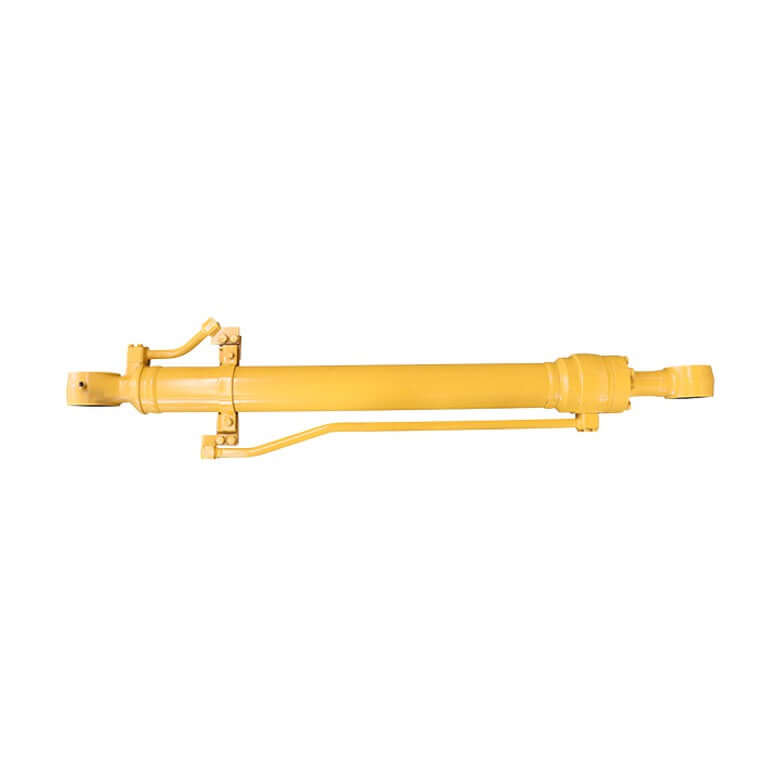
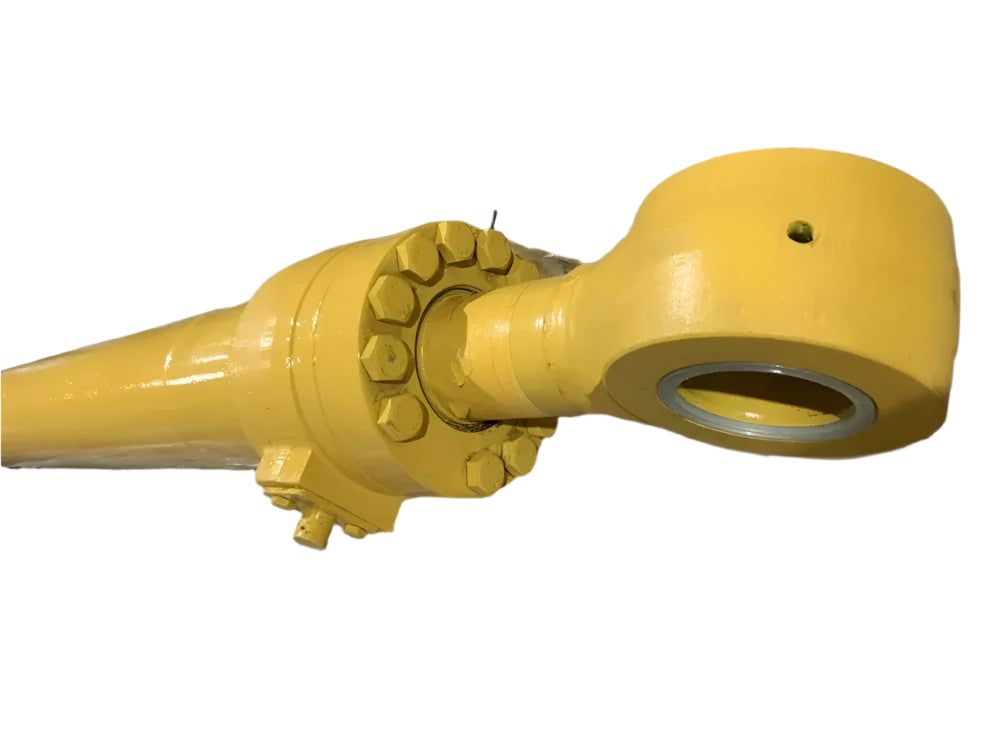
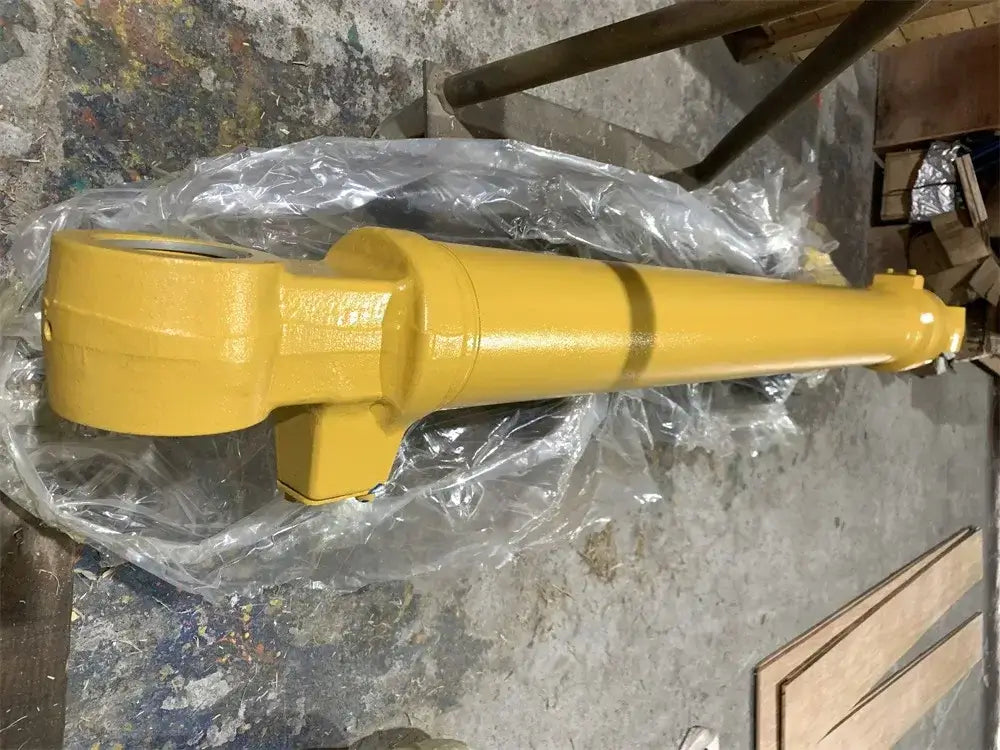
The arm cylinder is a double-acting hydraulic cylinder that controls the entire working range of the dipper arm from fully extended forward reach through to fully crowded inward position against the boom. When the operator pushes the arm crowd control, the main control valve directs high-pressure flow from the main pump to the cap end of the arm cylinder, extending the rod and pulling the dipper arm inward through the digging arc. When the operator commands the arm out, pressure is applied to the rod end, retracting the cylinder and extending the arm forward to its maximum reach position, ready for the next digging pass.
The arm cylinder operates at very similar pressure ratings to the boom cylinder, typically between 250 and 350 bar on modern excavators, but under a fundamentally different load profile. Where the boom cylinder primarily sustains static holding load between movements, the arm cylinder is working dynamically through its full stroke on virtually every digging cycle, making it the most actively cycled of the three working attachment cylinders. This continuous dynamic cycling places significant fatigue demands on rod seals, wiper rings, and piston seals, making the arm cylinder statistically the most frequently rebuilt cylinder position on a working excavator over its service life.
Common Symptoms of Arm Cylinder Failure
Arm cylinder degradation follows a recognisable progression from early seal wear through to structural failure. These are the key indicators to monitor across your machine's working life:
-
Arm drifting inward under load — The dipper arm slowly crowding inward when the operator is not commanding movement indicates internal bypass past worn piston seals, causing the arm to creep under the weight and pressure of the attachment.
-
Reduced crowd force during digging — A cylinder losing effective pressure generates less pushing force during the crowd stroke, resulting in shallower bucket penetration and reduced material volume per cycle.
-
Slow arm movement at full throttle — Reduced cylinder flow from internal bypass or seal degradation slows arm stroke speed even when engine RPM and main pump output are within normal parameters.
-
Visible rod seal oil leakage — Oil streaking from the rod seal end of the arm cylinder is the most visible and common early symptom, indicating seal wear or rod surface deterioration beginning to compromise the sealing interface.
-
Scored, pitted, or corroded cylinder rod — Physical rod surface damage destroys replacement seals rapidly on every stroke — a scored arm cylinder rod that is not addressed will consume seal kits repeatedly without resolving the underlying leak.
-
Jerky or uneven arm movement — Contamination, air ingestion, or internal seal damage produces irregular piston movement visible as stuttering or hesitation during crowd and extension strokes.
-
Arm dropping suddenly at the end of the stroke — Sudden pressure loss at the end of the crowd stroke, causing the arm to snap inward unexpectedly, indicates a damaged or bypassing piston seal assembly.
Arm Cylinder Models We Supply
Imara Engineering supplies arm cylinder assemblies for a wide range of excavator models and production series. Our most commonly supplied units include:
-
Komatsu — PC200-7, PC200-8, PC210-8, PC300-7, PC300-8, PC360-7, PC400-7, PC400-8, PC450-8
-
Caterpillar (CAT) — 320C, 320D, 320D2, 323, 325C, 325D, 330C, 330D, 336D, 336E
-
Hitachi — ZX200-3, ZX210-3, ZX300-3, ZX330-3, ZX450-3, ZX500-3, EX200-5, EX300-5
-
Volvo — EC210B, EC240B, EC290B, EC380, EC480, EC700
-
Doosan — DX225LC, DX300LC, DX380LC, DX480LC
-
Kobelco — SK200-8, SK300, SK350-8, SK480, SK850
-
Hyundai — R210LC-9, R290LC-9, R380LC, R480LC
-
Case — CX210, CX300, CX350, CX470
-
Bobcat — E35, E50, E85 compact excavator range
Cannot find your model listed? Contact our parts team with your machine serial number and OEM part number, and we will confirm the correct arm cylinder assembly for your specific unit immediately.
Arm Cylinder Specification: What to Check Before Ordering
Arm cylinders are highly machine-specific componentsbor e diameter, rod diameter, stroke length, and mounting pin dimensions varying between brands, model series, and production years, even within the same machine family. Before ordering a replacement arm cylinder, confirm the following specification details with our parts team:
-
Bore Diameter — The internal barrel diameter determines the force output at system pressure. An incorrect bore produces a mismatched crowd force and potential hydraulic imbalance across the attachment circuit.
-
Rod Diameter — Must match original specification exactly to ensure rod seal compatibility and correct mounting pin alignment at the arm pivot point.
-
Stroke Length — The total travel distance from fully retracted to fully extended. Incorrect stroke length produces attachment geometry errors, limits working range, and can cause structural contact between components at the end of the stroke.
-
Mounting Pin Diameter and Eye Dimensions — Pin hole dimensions at both the cap end boom mount and rod end arm mount must match the original pivot pin specifications for direct fitment without modification.
-
Port Thread Specification — Hydraulic port thread type and size must be compatible with existing arm cylinder hose fittings for direct connection.
Providing your machine model number, serial number, and OEM part number eliminates all specification uncertainty. Our parts team cross-references every dimension before confirming your order.
Complete Arm Cylinder Replacement vs Seal Kit Rebuild
The condition of the cylinder rod and barrel determines which repair strategy is appropriate for your specific failure:
-
Complete Assembly Replacement is recommended when the cylinder rod is bent, scored, pitted, or corroded beyond serviceable limits where a new seal kit would fail immediately against the damaged rod surface; the barrel bore is worn or scored beyond honing tolerance; or the cylinder has suffered structural damage from an impact event such as a rock strike or trench wall contact. Given the high cycling frequency of the arm cylinder, a compromised rod or barrel that is not fully addressed will consistently consume seal kits without resolving the leak.
-
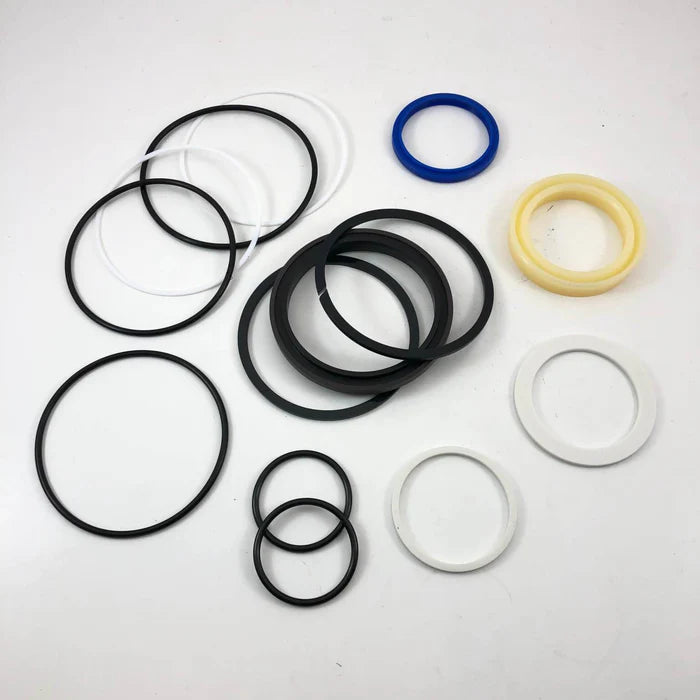
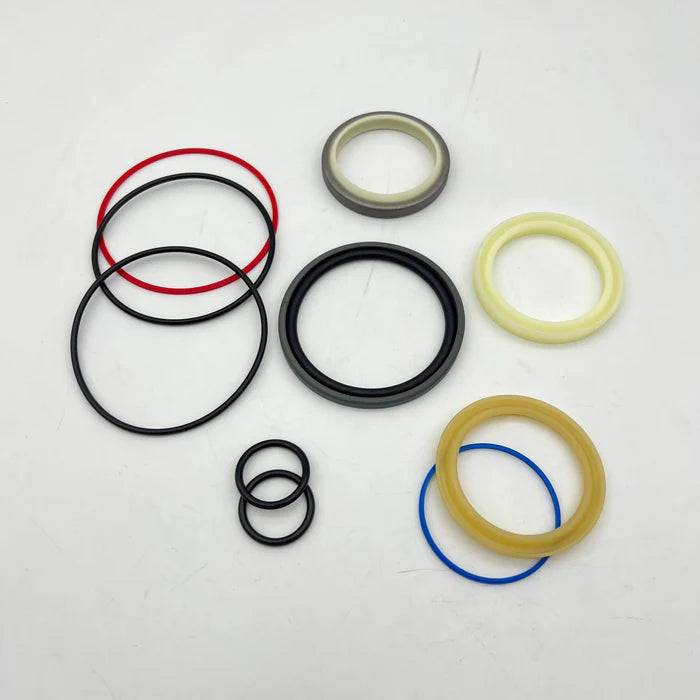
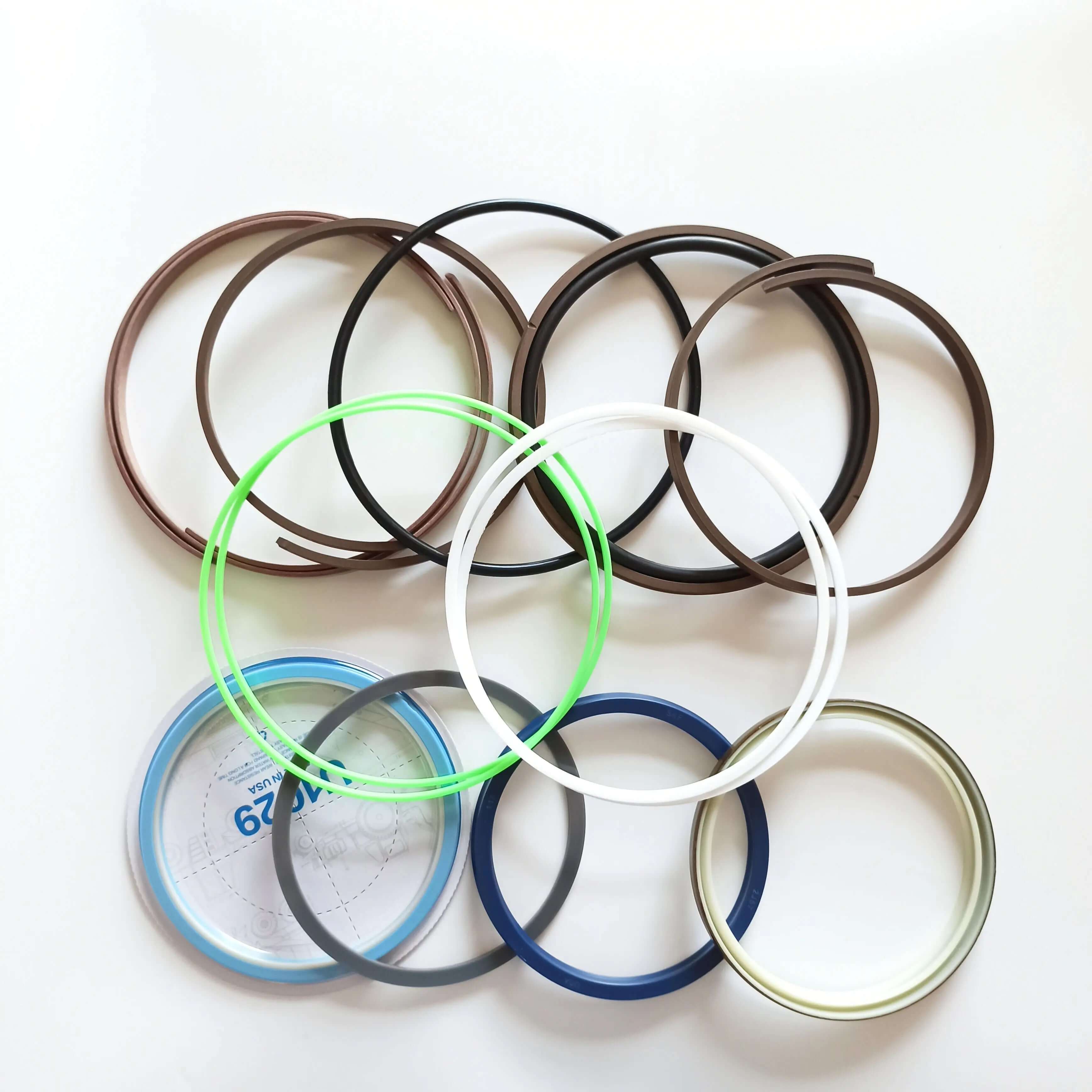
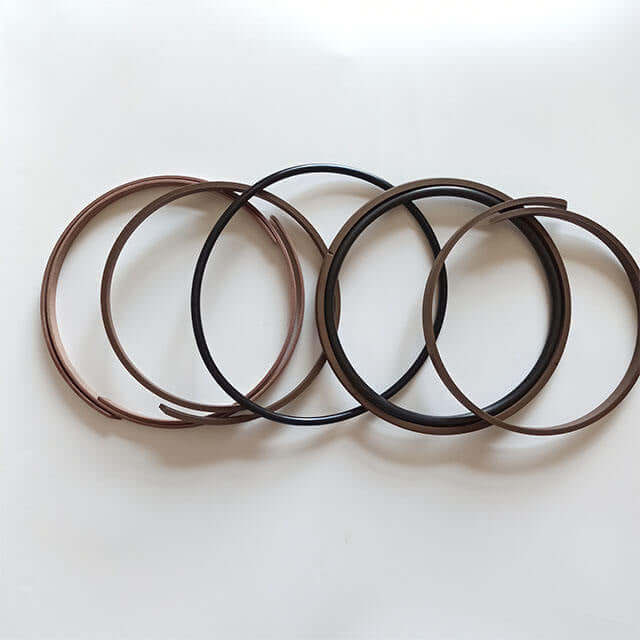
Seal Kit Rebuild is appropriate when — The rod surface is smooth, undamaged, and within the original chrome specification — and failure is limited to seal degradation from normal wear, heat cycling, or age. A quality arm cylinder seal kit, replacing all rod seals, piston seals, wiper rings, buffer seals, and o-rings, restores complete sealing performance at a fraction of the complete assembly replacement cost. Given the high cycling frequency of the arm position, seal kit rebuilds are the most common and cost-effective maintenance intervention on this cylinder throughout the machine's working life.
-
Rod Rechroming and Barrel Honing — Where the rod has moderate surface damage but the barrel and structural components are serviceable, professional rechroming and honing restore the precision surface finish required for reliable seal performance. This option is most commercially viable on larger machine models where assembly replacement cost is high.
Imara Engineering supplies both complete arm cylinder assemblies and dedicated arm cylinder seal kits for all major excavator brands, covering every failure scenario from emergency complete replacement through to scheduled seal maintenance rebuilds.
Related Hydraulic Parts You May Need
Arm cylinder replacement or rebuild frequently connects to wider attachment and hydraulic circuit servicing. Consider sourcing these components alongside your arm cylinder:
- Boom Cylinders — Inspect the boom cylinder simultaneously when servicing the arm; both operate under similar conditions and comparable wear rates across a machine's service life
- Bucket Cylinders — A complete attachment cylinder inspection at the same service event minimises repeat downtime from sequential cylinder failures across the working attachment
- Hydraulic Cylinder Seal Kits — Dedicated seal kits for arm cylinder rebuilds covering all rod, piston, wiper, and o-ring sealing components
- Hydraulic Hoses & Pipes — Inspect and replace arm cylinder feed and return hoses when fitting a new cylinder or completing a seal rebuild
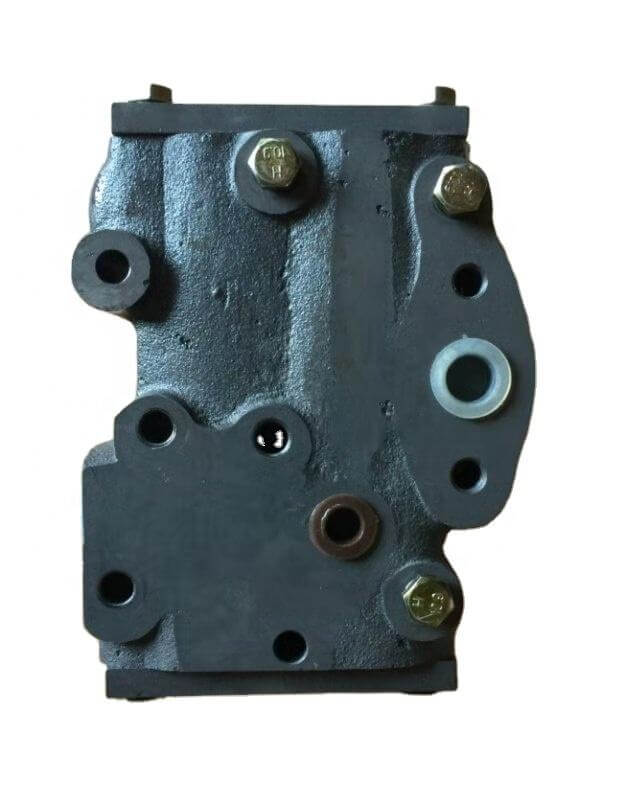
- Control Valves — Inspect the arm spool condition in the main control valve if crowd force or speed issues persist after cylinder repair