

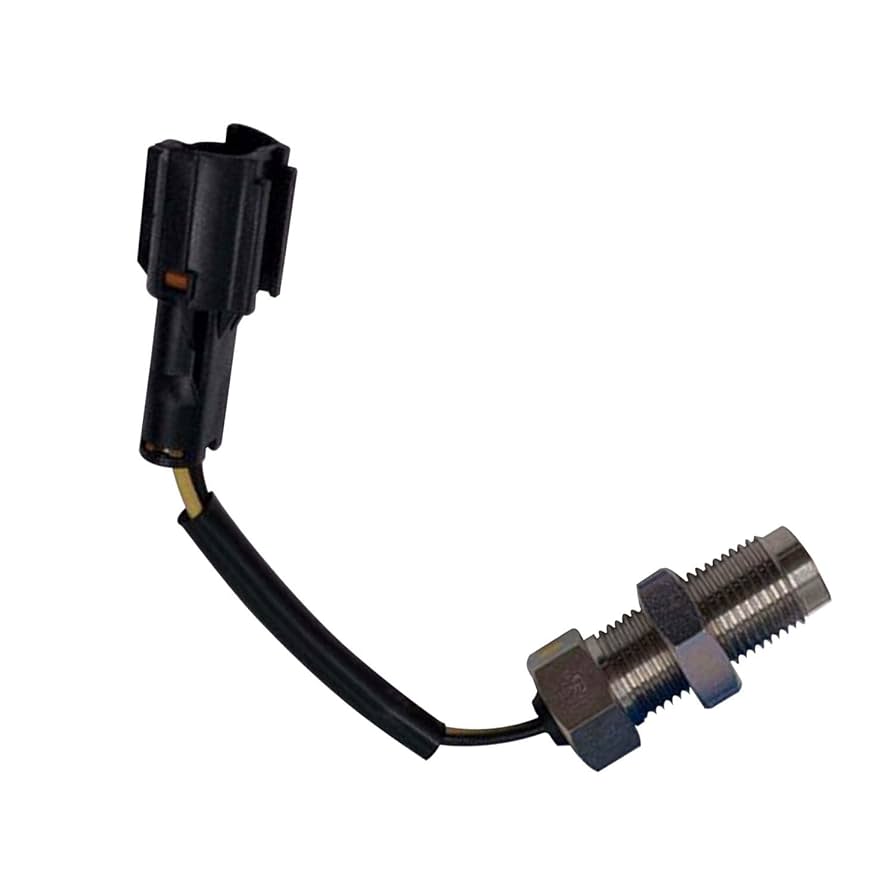
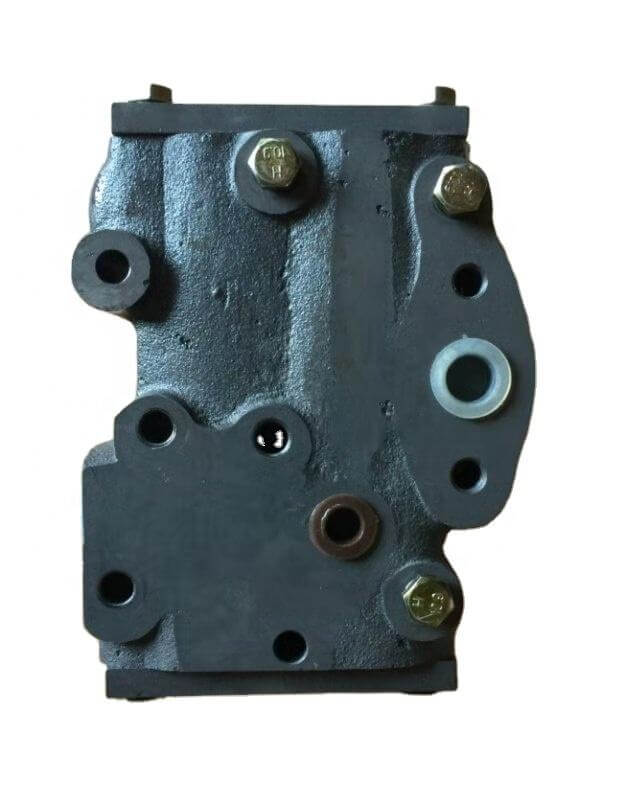
Caterpillar engines are the benchmark for heavy equipment reliability, but reliability is not the same as immunity from wear.
The C7 powers a 20-tonne excavator. The C13 in a large dozer. The C15 in a 50-tonne mining excavator or haul truck. The 3306 and 3406 are still turning hours in older fleet equipment across construction sites worldwide. Every one of them has fuel injectors that wear, water pumps that seal fail, head gaskets that need replacing, and overhaul intervals that come due.
Getting Caterpillar engine parts right is not just about finding a part that fits; it is about finding the correct specification for the exact engine variant and emissions tier your machine runs.
This guide covers the main CAT engine families used in heavy equipment, the most common wear components across them, what the correct specifications look like, and what to verify before you order.
For the full range of engine components this guide covers, visit our heavy machinery engine parts section.
The Main Caterpillar Engine Families in Heavy Equipment
Caterpillar uses distinct engine families across different machine size classes. Knowing which family your machine runs is the foundation of every parts decision.
CAT C7: Small to Mid-Range Excavators
The C7 (7.2 litre, 6-cylinder) powers excavators in the 20–30 tonne class, including the CAT 320C, 320D, and 323D series as well as mid-range wheel loaders and motor graders.
The C7 replaced the 3126 engine in CAT's lineup and introduced ACERT emissions technology. Injector and fuel system specifications differ significantly from the 3126; always verify against the engine serial number, not the machine model alone.
CAT C13: Large Excavators and Dozers
The C13 (12.5 litre, 6-cylinder) sits in the upper-mid range, powering excavators in the 35–50 tonne class, including the CAT 336 and 340 series, large dozers, and articulated trucks.
High-hour C13 applications generate consistent demand for injectors, water pumps, and gasket kits. The C13 runs a common rail injection system. Injector specifications are tight and must match the exact emissions standard the engine was produced to.
CAT C15: Large Equipment and Mining Applications
The C15 (15.2 litre, 6-cylinder) is CAT's workhorse for large excavators, mining haul trucks, and large dozer applications in the 50+ tonne class.
The C15 has a long production history across multiple configuration variants, ACERT, non-ACERT, and pre-emission-tier versions all exist in the working fleet. Parts specifications are not consistent across these variants. Injector flow rates, turbocharger configurations, and gasket grades differ between versions.
CAT 3306: Mid-Range Older Fleet
The 3306 (10.5 litre, 6-cylinder) powered a generation of CAT excavators, motor graders, and dozers through the 1980s and 1990s. Large numbers remain in productive service.
OEM availability is limited for some 3306 components. Quality aftermarket parts, injectors, water pumps, cylinder heads, and overhaul kits are the practical sourcing route. Material and dimensional specifications from the aftermarket supplier are the critical verification points for 3306 parts.
CAT 3406: Large Older Fleet
The 3406 (14.6 litre, 6-cylinder) is one of the most widely recognised diesel engines ever produced. It powered large CAT equipment and off-highway trucks from the 1970s through the early 2000s, and significant numbers remain working across mining, civil, and industrial applications.
The 3406 ran across multiple variants: 3406B, 3406C, and 3406E, with different injection systems across each. The 3406E introduced electronic unit injection, making it distinctly different from the mechanical B and C variants. Cross-variant parts specification is a frequent and costly error on 3406 equipment.
Common CAT Engine Wear Components and What to Verify
Fuel Injectors
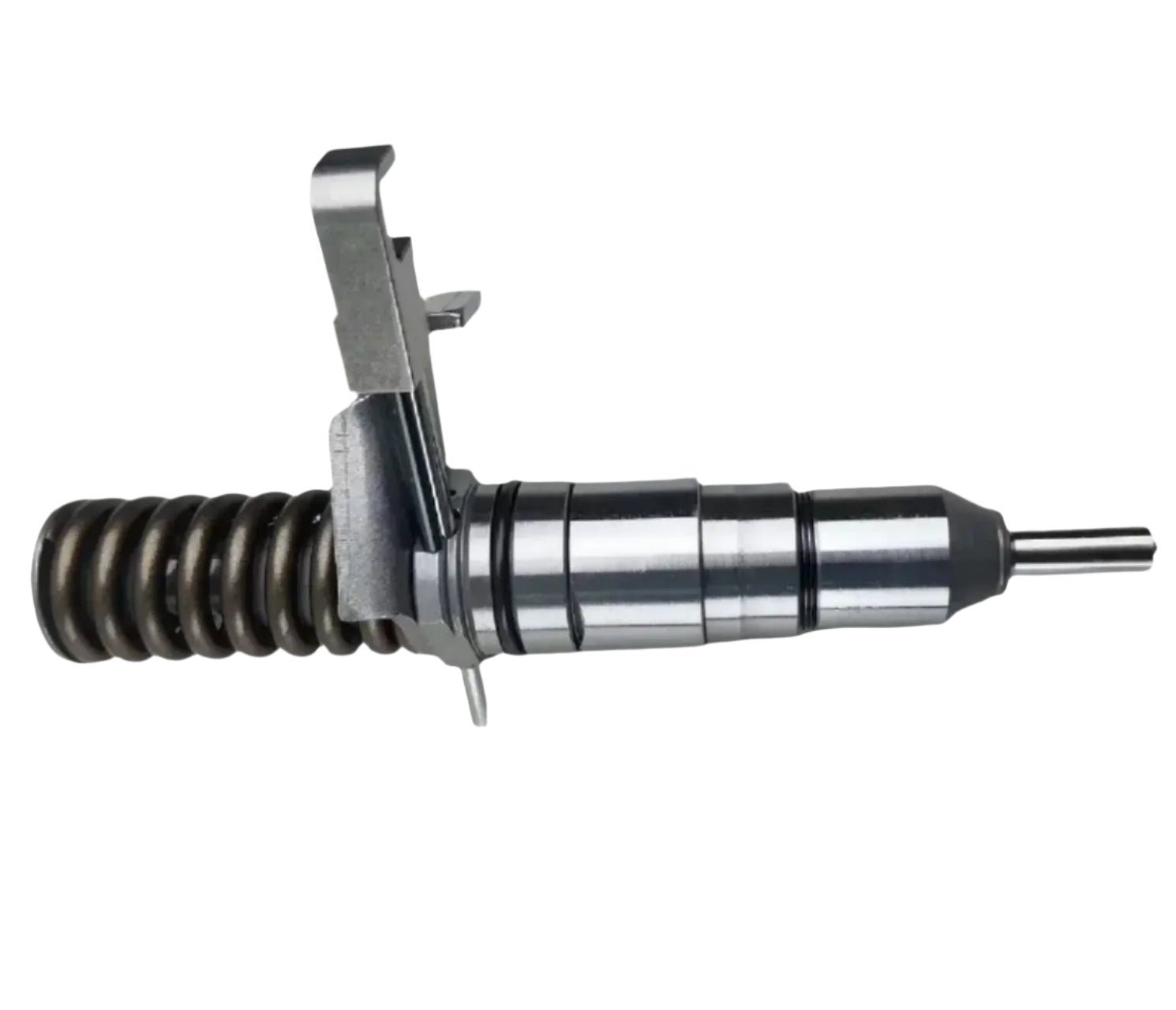
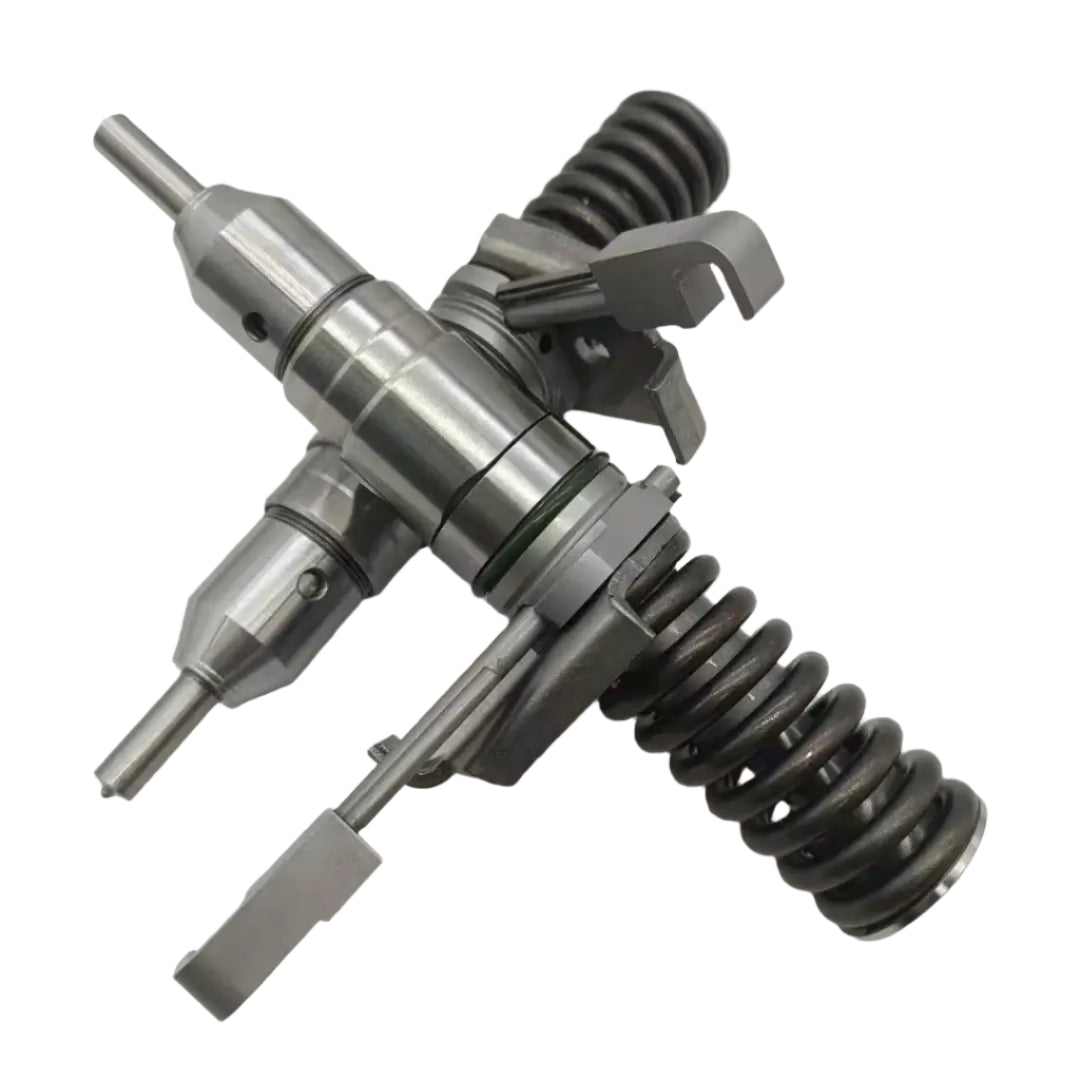
Fuel injectors are the highest-frequency replacement item across all CAT engine families.
Signs injectors need attention:
- Black or excessive smoke under load
- Rough idle or uneven running
- Increased fuel consumption for the same workload
- Hard starting or failure to reach full power
- Fuel in the crankcase oil
What to verify before ordering:
- Engine serial number, not machine model
- Engine variant (C15 ACERT vs non-ACERT, 3406B vs 3406E)
- Emissions tier, where applicable
- Original injector part number, if available
For CAT-compatible fuel injectors across C7, C13, C15, 3306, and 3406 engines, visit our heavy equipment fuel injectors page.
Water Pumps
Water pump failure causes overheating that escalates rapidly into serious engine damage. A weeping seal that goes undetected drops the coolant level faster than most operators expect.
On CAT engines, inspect the water pump weep hole at every major service. A coolant stain below the weep hole is the early warning sign. Replace proactively before the seal fails.
What to verify before ordering:
- Engine family and exact variant
- Coolant system configuration, some CAT engines use separate jacket water and aftercooler circuits with different pump specifications
For CAT-compatible water pumps across the main engine families, visit our heavy machinery water pumps page.
Gasket Kits and Overhaul Sets
Gasket kits are used for targeted repairs, head gasket replacement being the most common, and for complete engine rebuilds.
Inframe overhaul kits cover pistons, rings, liners, bearings, and all gaskets for a complete rebuild without engine removal. These are significant parts investments, and specification accuracy is critical; using an incorrect gasket grade on a high-compression CAT engine causes early re-failure.
For C15 and 3406E engines, multi-layer steel (MLS) head gaskets are the correct specification. Composite gaskets are not appropriate for high-output applications in this displacement class.
For CAT gasket kits and overhaul sets, visit our engine gasket kits and overhaul sets page.
Cylinder Heads
Cylinder heads on high-hour CAT equipment suffer from cracking around valve seats and injector bores, particularly in equipment that has experienced overheating events. Remanufactured cylinder heads are a cost-effective alternative to new OEM heads on older engine families, provided the remanufacture has been performed to the correct pressure-test specification.
For CAT-compatible cylinder heads across the main engine families, visit our heavy equipment cylinder heads page.
Starter Motors and Alternators
Slow cranking in cold conditions and electrical instability are the primary indicators that a starter motor or alternator is approaching the end of life on CAT equipment. On 24V systems, which most large CAT equipment uses, the correct voltage specification is non-negotiable. A 12V unit installed in a 24V system fails immediately and can damage the electrical circuit.
OEM vs Aftermarket CAT Engine Parts
Quality aftermarket CAT engine parts are a practical and cost-effective choice across most replacement scenarios, particularly for older engine families where OEM lead times are extended or availability is limited.
The markers of quality aftermarket for CAT engines:
- Injectors must meet the original flow rate specification deviation causes combustion issues that compound into wider damage
- Head gaskets must use the correct material grade for the displacement and compression ratio
- Water pumps must match the original impeller geometry and seal specification
- All components should carry a minimum six to twelve-month warranty
- The supplier must be able to confirm the specification against your engine serial number before the order is placed
A supplier who works from engine serial numbers rather than just machine models is demonstrating the technical depth that CAT parts require.
Conclusion
CAT engines earn their reputation across decades of hard service, but that service life depends on the right parts, at the right specification, replaced at the right time.
The C7, C13, C15, 3306, and 3406 are distinct platforms with distinct parts specifications. Variants within the same engine family differ further. Emissions tiers introduce additional specification differences. Getting this right before ordering protects the engine and the investment behind every repair.
At Imara Engineering Supplies, we supply OEM-compliant Caterpillar engine parts, injectors, water pumps, gasket kits, cylinder heads, starter motors, and alternators for the full range of CAT engines used in construction and mining machinery. Our team cross-references engine serial numbers and confirms the correct specification before any order is placed.
Contact our team with your engine serial number, or visit our engine parts for construction and mining machinery section to find the right components for your machine.


